

Keeping Tank Water Cool Through Summer
By afternoon, water from a rooftop tank can run warm enough to skip the geyser. A little shade and insulation keeps it usable through…
Independent, plain-language guides to testing, treating, and maintaining your well and home water, written by someone who runs their own setup.
Six focused topics, from the source in the ground to the water at your tap.
The newest tests, walkthroughs, and buying advice.
By afternoon, water from a rooftop tank can run warm enough to skip the geyser. A little shade and insulation keeps it usable through…
Run a borewell pump dry for a few minutes and you can cook the motor. A small dry-run guard watches the water and cuts…
Drillers often push you to go deeper, but depth is not the whole story. Your water table, soil layers, and daily use matter more…
One minute the shower runs, the next nothing. A sudden dead tap has a handful of usual suspects, and checking them in order saves…
Almost every home purifier hides a carbon stage, and for good reason. It strips chlorine, odours, and off-tastes, though it leaves some contaminants untouched.
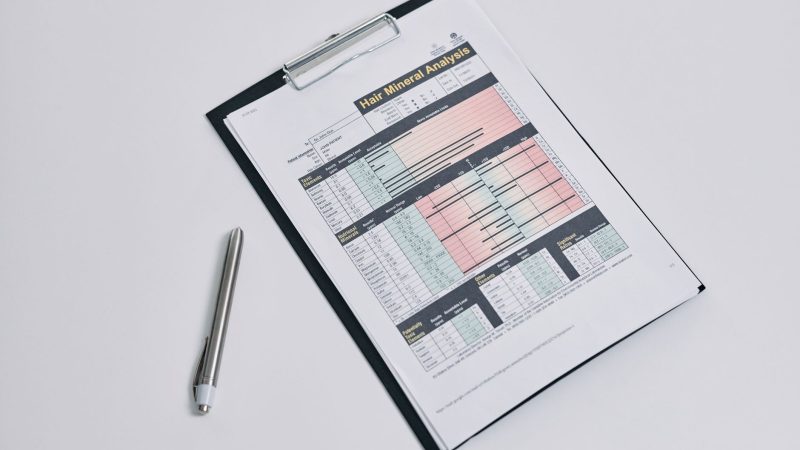
A water lab hands you a page of acronyms and figures, then leaves you to interpret it. This walkthrough turns that sheet into a…
Test drinking water at a certified lab at least once a year, and again after any flood, repair, or change in taste, smell, or colour. Cheap strips are fine for a quick hardness or pH check between lab tests.
Common causes include a waterlogged pressure tank, a failing pressure switch, a clogged filter, a partly closed valve, or a dropping water table. Start at the pressure gauge and work outward before blaming the pump.
Not always. Clear water can still carry bacteria, nitrates, iron, or hardness you cannot see. Get a lab test first, then match any treatment to what the report actually finds instead of guessing.
Your water test decides it. Sediment filters handle grit, carbon handles taste and chlorine, softeners handle hardness, and reverse osmosis handles dissolved salts. Buying the wrong one wastes money and fixes nothing.
For most homes, twice a year is a sensible baseline, more often in hot or dusty conditions or if you notice slime, sediment, or an off taste. A quick visual check every few weeks catches problems early.
From a mystery pressure drop to a full water-quality report, there is a practical, tested answer here.