You turn the kitchen tap and nothing comes out. No sputter, no trickle, just a dry spout and a rising sense of panic. When there is suddenly no water from taps, the fault is almost always one of a handful of usual suspects, and the good news is you can check most of them yourself in under fifteen minutes.
I have run my own borewell, pump, and overhead-tank setup for more than fifteen years, and I have been caught mid-shower by a dead tap more times than I would like to admit. This guide walks you through the exact order I check things, so you can find the fault fast and often fix it before reaching for the phone. It slots neatly into our broader home water system maintenance routine.
Key Takeaways
- Check whether the outage is one tap or the whole house first: that single question splits the problem in half.
- An empty overhead tank and a tripped pump cover roughly 8 in 10 sudden no-water calls I get from neighbours.
- Work from the tap backwards to the source: tap, tank, pump, and supply, in that order.
- Never keep switching a dry-running pump on and off, as it can burn the motor in 2-3 minutes.
- If the water looks or smells wrong once it returns, get it tested before you drink it.
First question: one tap or the whole house?
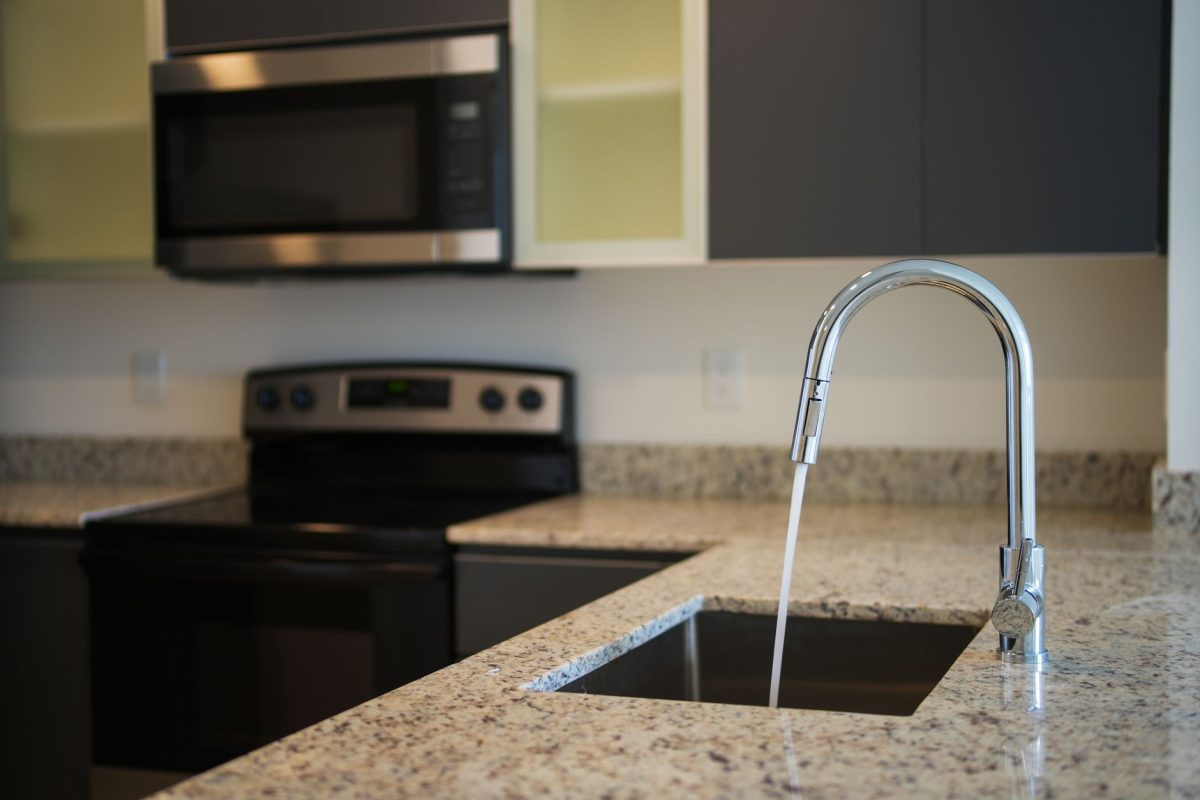
Before you touch anything, walk to a second tap and open it. This one move tells you where to look and saves a lot of wasted effort. A sudden loss of water supply at a single tap is a very different problem from every tap in the house going dry at once.
- Only one tap is dry: the issue is local, usually a clogged aerator, a closed isolation valve under the sink, or a blocked cartridge. The rest of your plumbing is fine.
- Every tap is dry: the problem sits upstream at your tank, pump, or the incoming supply. This is where most sudden whole-house outages come from.
If it is genuinely no water in the whole house, keep reading. If it is one fixture, jump to the single-tap section further down.
The check order when taps stopped working everywhere
Water reaches your taps through a chain: source, pump, storage tank, then pipes. When taps stopped working across the home, something in that chain has broken. Check it in the order below, because each step rules out a whole category of causes.
- Look inside the overhead tank. Climb up or use the level indicator. An empty tank is the single most common reason for no water whole house. If it is empty, your pump did not fill it, so move to the pump.
- Check the pump and its power. Look at the switch, the MCB in your distribution board, and any motor starter. A tripped breaker or a starter that has cut out on overload is a frequent culprit after a voltage dip.
- Confirm the source has water. For a borewell in summer, the water table may have dropped below the pump. For a municipal line, the supply itself may be off for the day.
- Inspect visible pipes and the foot valve. A burst pipe, a leaking joint, or a failed foot valve that lets water drain back down the borewell will stop delivery even when everything else looks fine.
- Reset and test. Once you find and fix the cause, switch the pump on and watch the tank start to fill before you walk away.
Warning: If your pump hums or runs but no water arrives, switch it off within a minute. On my own borewell I once let a submersible run dry for a few minutes and cooked the winding, which turned a free reset into a costly rewind. A dry-running motor overheats fast.
Is the problem my pump or the supply?
This is the question I hear most, and there is a quick way to separate the two. If the pump switches on, draws power, and makes its normal running sound but the tank stays empty, the pump is trying but the source or the pipe is at fault. If the pump does not start at all, the problem is electrical or the pump itself.
Listen and watch. A pump that clicks and goes silent is usually tripping on overload. A pump that runs on and on without filling points to a dry borewell, an air leak, or a stuck foot valve. Knowing your setup helps here, and our guide on how a home water system works lays out the full path from source to tap.
Common causes and what they cost to fix
Here are the causes I see again and again, with rough figures from my own repairs and what local technicians charge in my area. Treat prices as ranges, since parts and labour vary by city and by pump size.
| Likely cause | Tell-tale sign | Typical fix | Rough cost |
|---|---|---|---|
| Empty tank, pump off | Tank dry, pump switch off or tripped | Reset breaker, run pump | Free to ₹200 |
| Tripped MCB or starter | Pump silent, breaker down | Reset, check for overload cause | Free to ₹500 |
| Failed foot valve | Pump runs, no delivery, water drains back | Replace foot valve | ₹400-₹1,500 |
| Dropped water table | Pump runs, borewell dry in summer | Wait, or lower pump | ₹500-₹5,000 |
| Burnt pump motor | Hums, trips, or dead after dry run | Rewind or replace | ₹2,500-₹12,000 |
| Clogged aerator (one tap) | Only one tap weak or dry | Unscrew and clean | Free |
Tip: Keep a spare foot valve and a roll of thread-seal tape in a labelled box near the pump. When mine failed on a Sunday, having the part on hand turned a two-day wait into a twenty-minute swap.
When it is just one tap
If the water not coming home problem is limited to a single fixture, the rest of your system is healthy and the fix is usually small. Work through these quick checks before calling anyone.
- Aerator: unscrew the little mesh tip on the spout and rinse out the grit. Sediment collects here and can choke the flow to a dribble.
- Isolation valve: check the small valve under the sink or behind the fixture. A knocked or half-closed valve is easy to miss.
- Cartridge or filter: single-lever mixers have a cartridge that can jam. If your tap feeds through an inline filter, a clogged element will slow it right down.
Point-of-use filters are a common quiet culprit, so if you have one, our walkthrough on replacing home water filters shows how to swap a blocked cartridge in minutes.
Once the water is back
When flow returns after an outage, do not assume it is fine to drink straight away. A pump that ran dry, a tank that emptied, or pipes that sat empty can pull in air, sediment, or worse. Run the taps for a minute or two until the water runs clear.
If the water looks cloudy, smells off, or leaves grit, that is a sign your tank or pipes need attention. This is a good moment to review our advice on how often to clean your storage tank, since a neglected tank stirs up sediment whenever the level drops low. For anything touching drinking safety, confirm with a certified lab rather than guessing. Bodies like the Central Ground Water Board and the US EPA private wells program publish solid guidance on well water and testing.
Frequently Asked Questions
Why did my water suddenly stop?
Most sudden stops trace back to an empty overhead tank paired with a pump that did not run, often because a breaker tripped after a voltage dip. Less commonly it is a failed foot valve, a dry borewell in summer, or the municipal supply being off. Check the tank first.
Is the problem my pump or the supply?
Listen to the pump. If it starts and runs its normal sound but the tank stays empty, the pump works and the source or pipe is at fault. If it stays silent or trips instantly, the issue is electrical or the motor itself. That single test splits the two cleanly.
What do I check first when taps run dry?
Open a second tap. If only one is dry, the fault is local, likely a clogged aerator or a closed valve. If every tap is dry, look inside your overhead tank next. That one move tells you whether to hunt near the fixture or upstream at the tank and pump.
Can running a pump dry damage it?
Yes, and quickly. A submersible or surface pump relies on water to cool the motor, so running it dry can overheat the winding within a couple of minutes. If your pump runs but no water arrives, switch it off promptly and find the cause before trying again.
How long does a typical no-water fix take?
The common fixes are fast. Resetting a tripped breaker or cleaning an aerator takes a few minutes, and swapping a foot valve runs about twenty minutes if you have the part. A dropped water table or a burnt motor takes longer and usually needs a technician and new parts.
Putting it together
A dead tap feels like an emergency, but the causes are few and the checks are quick: ask whether it is one tap or all of them, then trace the water backwards from tap to tank to pump to source. Nine times out of ten you will find a reset switch or an empty tank rather than a broken machine. For a routine that heads off many of these surprises, browse our year-round water system maintenance schedule when you have a spare afternoon.