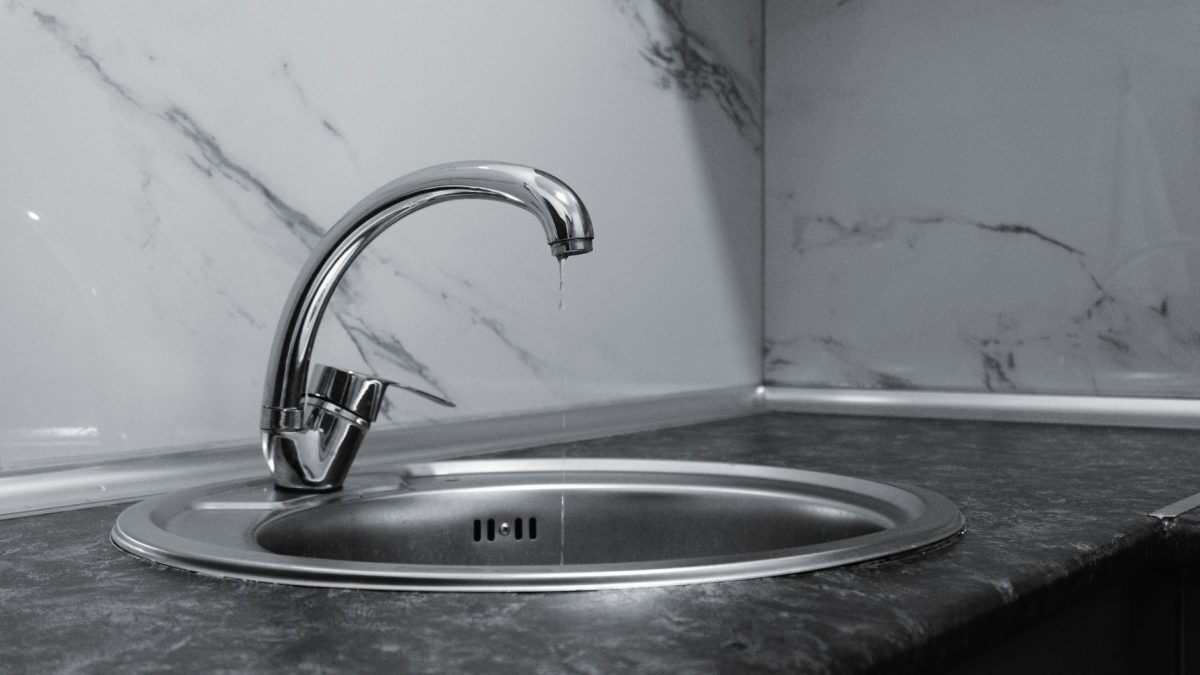
You turn on the kitchen tap and it coughs, spits, and rattles before the water finally runs clean. That stuttering is almost always trapped air, and it is one of the most common calls I get from neighbours who share my borewell setup. After 15 years running my own pump, pressure tank, and overhead-tank plumbing, I have chased air locks out of just about every fixture in the house.
The good news: you can usually bleed air from water pipes yourself in under 30 minutes with no tools. This guide walks you through the exact order to open your taps, how to clear a stubborn air lock, and how to stop the spitting from coming back. It fits into the same routine covered in our complete home water system maintenance schedule.
Key Takeaways
- Sputtering taps almost always mean air is trapped in the lines, not a pump fault.
- Open the lowest tap in the house first, then work upward, so air has a clear path out.
- Let each tap run for 2-3 minutes until the flow is steady and quiet before moving on.
- A true air lock often needs a garden-hose “back-feed” trick to break it loose.
- Recurring air points to a real cause: a dropping water level, a leak, or a failing foot valve.
Why do my taps sputter and spit?

Water is nearly incompressible, but air is not. When a pocket of air sits in a pipe, the flowing water has to push past it, so it surges and stops in bursts. That is the coughing and spitting you hear. The knocking that sometimes comes with it is the pipe flexing as pressure spikes behind the air pocket.
On a well or borewell system, air usually gets in one of a few ways. Knowing the source helps you decide whether a quick bleed will fix it or whether something needs repair.
- The tank or well ran dry. When the water level drops below the pump intake, it draws in air along with water.
- The system was just serviced. Any time you drain the lines, change a filter, or open the pump, fresh air enters.
- A leak on the suction side. A cracked fitting or a tired foot valve lets air sneak in even when the pump is off.
- Loss of prime. A surface pump that loses its water seal will pump a frothy mix of air and water.
If the sputtering shows up once after a repair or a dry spell, a simple bleed clears it. If it keeps coming back, treat that as a symptom and look for a leak or a level problem, which I cover further down.
How to bleed air from water pipes, step by step
The whole idea is to give the trapped air a clear, upward path to escape while moving water pushes it out. That is why the order of taps matters: you start low and finish high. Here is the sequence I use every time I have worked on my lines.
- Confirm the supply is on. Make sure the pump is running and the overhead tank has water. Bleeding a dry system just wastes time.
- Shut off every tap and appliance. Close all indoor and outdoor taps, the washing machine inlet, and any garden lines so the pressure builds evenly.
- Open the lowest tap first. Usually a ground-floor or outdoor tap. Open it fully and let it sputter until the flow runs smooth and quiet.
- Work upward, one tap at a time. Move to the next-highest fixture, open it fully, and wait for steady flow. Repeat for every tap in the house, ending with the highest one.
- Include hot lines and showers. Run the hot side of each tap and open showerheads too, since air hides in those branches.
- Flush the toilets. Let each cistern refill fully, then flush again. Cistern valves trap surprising amounts of air.
- Close taps in reverse. Once every fixture runs clean, close them from highest back down to lowest.
Let each tap run a full 2-3 minutes even after it looks clear. Air likes to hide in horizontal runs, and a few extra seconds of steady flow flushes those pockets you cannot see.
Tip: The first time I did this on my two-storey house, I opened the upstairs bathroom first and just chased the air in circles. Starting at the outdoor ground-floor tap and finishing at the top-floor shower cleared everything in one pass. Order really is the whole trick.
How do I get an air lock out of pipes?
Sometimes an air pocket wedges itself so tightly that normal flow will not shift it. The tap dribbles, spits, or gives no water at all while other fixtures work fine. That is a true air lock, and it needs a bit more pressure to break. Here is the back-feed method that works on most home setups.
- Find a working tap and the stuck one. The mixer tap in a kitchen or bathroom is ideal because it joins hot and cold in one spout.
- Connect the two with a short hose. Attach a garden hose from a tap with good pressure to the affected tap, sealing both ends tightly.
- Open the good tap, then the stuck one. Pressure from the working line pushes back through the blocked pipe and forces the air pocket out.
- Hold for 30-60 seconds. You may hear a gurgle as the lock breaks. Keep it running until the flow is steady.
- Remove the hose and test. Open the previously stuck tap on its own. It should now run clean.
For a mixer tap, you can often skip the hose. Cover the spout firmly with your palm, then open both the hot and cold sides fully. The pressurised side pushes water and air across into the airlocked side. Hold for a slow count of 20, release, and the lock usually clears.
Common air problems and how to handle them
| What you notice | Likely cause | What to do |
|---|---|---|
| Brief sputter after a repair or filter change | Air entered during servicing | Run the standard bleed, low tap to high |
| One tap spits, others are fine | Localised air lock in that branch | Use the back-feed or mixer-tap trick |
| Sputtering that returns every few days | Suction leak or dropping water level | Inspect foot valve, fittings, and tank level |
| Pump runs but delivers frothy water | Pump has lost its prime | Re-prime the pump per its manual |
| Loud knocking with the air | Water hammer plus trapped air | Bleed first, then check for a failed air chamber |
What causes air in water lines, and how to stop it returning
Bleeding fixes today’s spitting, but if air keeps coming back, you are treating a symptom. A one-off bleed after servicing is normal. Air that returns within days points to something drawing it in continuously.
Check the water level first
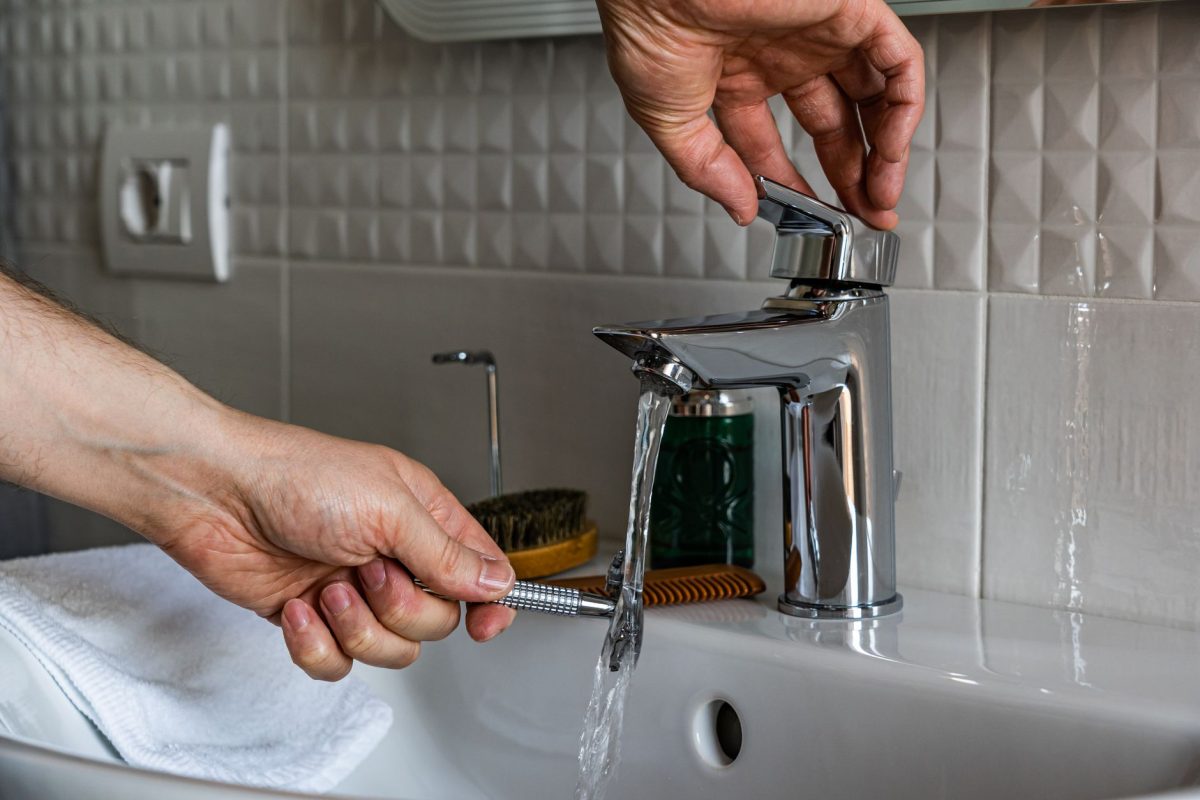
During peak summer, my borewell level drops and the pump occasionally sips air near the end of a long run. If your bore or well is seasonal, set the pump to run in shorter cycles or lower the intake if a professional confirms it is safe. Groundwater levels vary widely by region, and the Central Ground Water Board publishes local data worth checking.
Hunt for suction-side leaks
Any leak between the water source and the pump inlet can pull in air. Inspect the foot valve, the suction pipe joints, and the pump seals. A foot valve that no longer holds prime is a very common culprit, and swapping one has usually cost me somewhere around Rupees 300 to Rupees 900 for the part, plus a plumber’s visit if you would rather not do it yourself.
Keep the whole system healthy
Air problems often travel with sediment and pressure issues. A quick look at your tank and filters can head off repeat trouble. Our guide on how often to clean your water storage tank and the walkthrough on replacing home water filters both help keep flow steady. If you are still learning your setup, the primer on how home water systems work maps out where air can enter.
Safety note: If bleeding does not restore normal flow, or if your pump keeps losing prime, stop and call a qualified pump technician. Running a pump dry can burn out the motor. For any concern about water safety after air or sediment appears, have your supply checked by a certified lab rather than assuming it is fine.
Frequently Asked Questions
Why do my taps sputter and spit even after I bleed them?
If sputtering returns quickly, air is being drawn in continuously. The usual causes are a suction-side leak, a worn foot valve, or a water level that keeps dropping below the pump intake. Bleeding clears the current air, but you also need to fix the source, or it simply fills up again.
How do I get an air lock out of pipes without any tools?
Use a mixer tap. Cover the spout firmly with your palm, then open both the hot and cold sides fully. Pressure from the working side pushes across into the airlocked side and shoves the pocket out. Hold for about 20 seconds, release, and the lock usually breaks on the first try.
Is air in my water lines dangerous?
Trapped air itself is harmless to drink and mostly a nuisance. The risk is indirect: air that enters through a leak means unfiltered outside matter could enter too, and a pump running dry can be damaged. If you ever see cloudiness that does not clear, have the water tested by a certified lab to be safe.
Which tap should I open first to purge air from the plumbing?
Always start with the lowest tap in the house, usually a ground-floor or outdoor one, and work upward to the highest fixture. This gives the air a continuous path to rise and escape. Opening a high tap first traps air below it, so you end up chasing the pocket around the system.
How long does it take to bleed air from a whole house?
For an average home, plan on 20 to 30 minutes. Each tap needs 2-3 minutes of steady flow, and you work through every fixture including showers, hot lines, and toilet cisterns. A single stubborn air lock can add another 10 minutes if you need the back-feed method.
Putting it together
Spitting taps sound alarming, but nine times out of ten they just mean a bit of trapped air that a patient low-to-high bleed will clear in half an hour. Keep the back-feed trick handy for stubborn locks, and if the air keeps returning, treat it as a signal to check your foot valve, fittings, and water level rather than bleeding again. For a routine that keeps air, sediment, and pressure trouble in check across the year, browse our year-round water system maintenance schedule and work it into your own home.