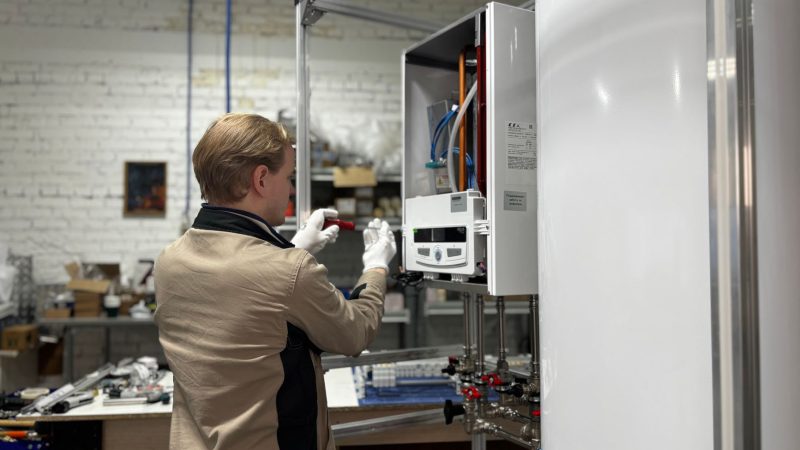
The first hard freeze of the season has a cruel sense of timing. It usually arrives overnight, and by the time you wake up to a silent pump or a split pipe spraying under the porch, the damage is already done. I learned this the expensive way one November when I ignored a cold snap and spent the next morning cutting out a burst section of my own pressure line.
If your winters dip below freezing, learning to winterize your well pump and pipes is the cheapest insurance you will ever buy. In this checklist I will walk you through insulation, heat cable, draining the vulnerable lines, and the autumn routine I now follow every year on my own setup so a cold night stays boring instead of catastrophic.
Key Takeaways
- Water expands about 9 percent when it freezes, and that pressure is what cracks pipes and pump casings, not the cold itself.
- The three riskiest spots are the pressure tank, the well head or pump house, and any pipe run within 30-45 cm of an exposed surface.
- Heat cable plus proper insulation on outdoor pipes typically costs ₹1,500-₹4,000 and saves a repair many times that.
- Do the whole autumn checklist before the first frost, not during the first freeze when everything is already hardening.
Why freezing damages a well system
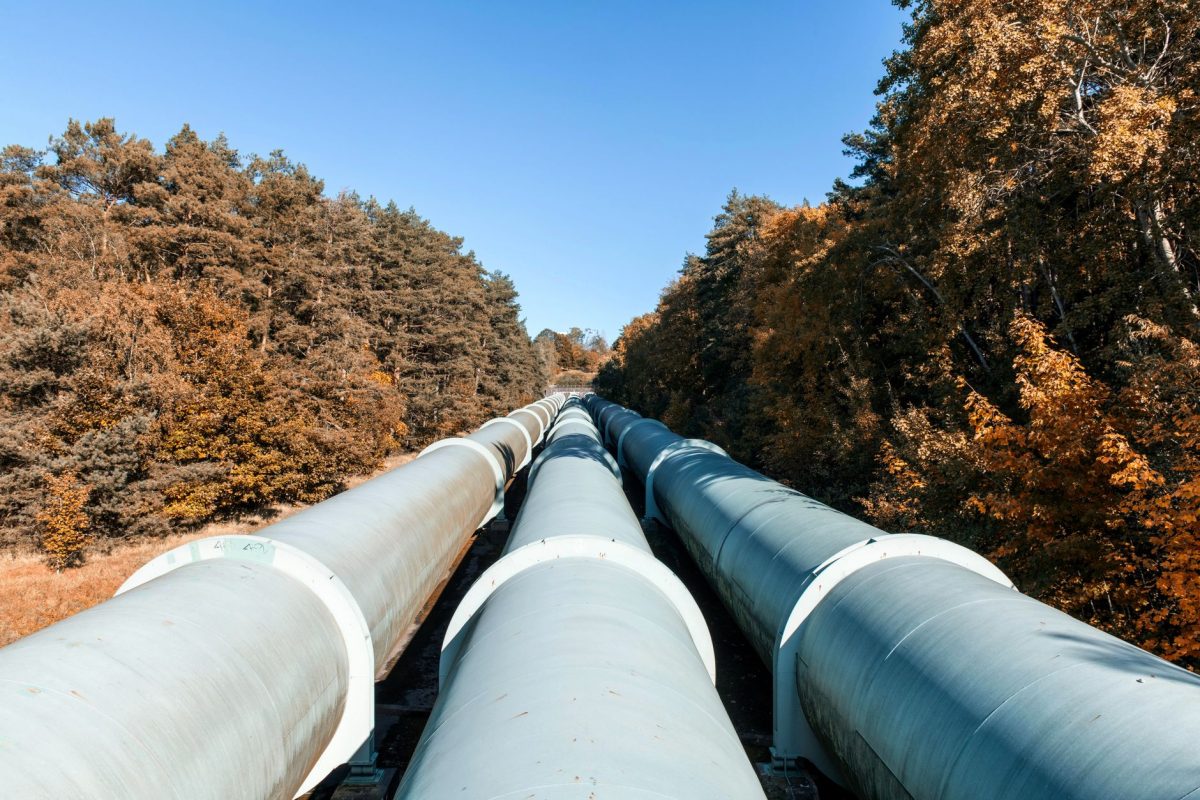
Cold air alone will not hurt your equipment. The trouble starts when standing water inside a pipe or tank turns to ice and expands with nowhere to go. That expansion generates enormous pressure, easily enough to split copper, PVC, and even the brass fittings on a pump.
What makes it worse is that the crack often hides until the thaw. Everything looks fine while it stays frozen, then water gushes the moment temperatures climb back above zero. That is why cold weather well care is really about prevention in autumn, not repair in January.
Where systems freeze first
Not every part of your setup faces the same risk. Knowing the weak points tells you where to spend your effort and your rupees.
- Pressure tank and pump house: often in an unheated shed, garage, or open platform where air moves freely.
- Exposed above-ground pipe: the run between the well head and the house is the classic burst point.
- Shallow buried lines: anything above the local frost depth can freeze even underground.
- Outdoor taps and hose bibs: the small stub of trapped water freezes fast and backs up into the wall.
The autumn winterizing checklist
Here is the order I work through every year. Pick a dry afternoon a few weeks before you expect your first frost, because heat cable and insulation are far easier to fit when the pipes are dry and your hands are not numb.
- Walk the whole line. Trace water from the well head to the tank to the first indoor tap. Note every stretch that is exposed, in an unheated space, or shallowly buried.
- Insulate exposed pipe. Slip foam pipe sleeves over every accessible run and tape the seams. For odd shapes and joints, wrap with insulating tape so no bare metal shows.
- Fit heat cable where insulation is not enough. Run self-regulating heat cable along the coldest sections, then insulate over the top of it. Plug it into a reliable outdoor-rated socket.
- Protect the pressure tank. If the tank sits in an unheated room, box it in or wrap it, and keep a low background heat source nearby if the space allows.
- Drain what you will not use. Empty garden lines, outdoor taps, and any seasonal pipe you can isolate. Open the tap after draining so no water is trapped.
- Seal drafts in the pump house. A single gap under a door lets in the freezing wind that finds your fittings first. Weatherstrip and stuff obvious gaps.
- Test before you rely on it. Run the heat cable, confirm it warms, and check that nothing trips your breaker on a cold test night.
Tip: On my own borewell I zip-tie a cheap min-max thermometer inside the pump house. If it ever reads within 2-3 degrees of freezing on a still night, I know the heat cable is doing its job before a pipe has to prove it the hard way.
Insulation and heat cable options compared
There is no single right product. What you choose depends on how cold your winters get and how exposed the pipe is. This table shows how I weigh the common options to protect pipes from freezing.
| Method | Rough cost | Best for | Watch out for |
|---|---|---|---|
| Foam pipe sleeves | ₹80-₹250 per length | Mild frost, short exposed runs | Useless if soaked or gapped |
| Insulating wrap tape | ₹150-₹400 per roll | Joints, valves, odd shapes | Needs full coverage, no bare spots |
| Self-regulating heat cable | ₹1,200-₹3,500 | Hard freezes, long exposed pipe | Needs power and a safe socket |
| Draining the line | Free | Seasonal or unused pipes | Only works if fully emptied |
| Background heat in pump house | Varies by fuel | Tanks and pumps in a shed | Running cost, fire safety |
A note on drinking-water safety
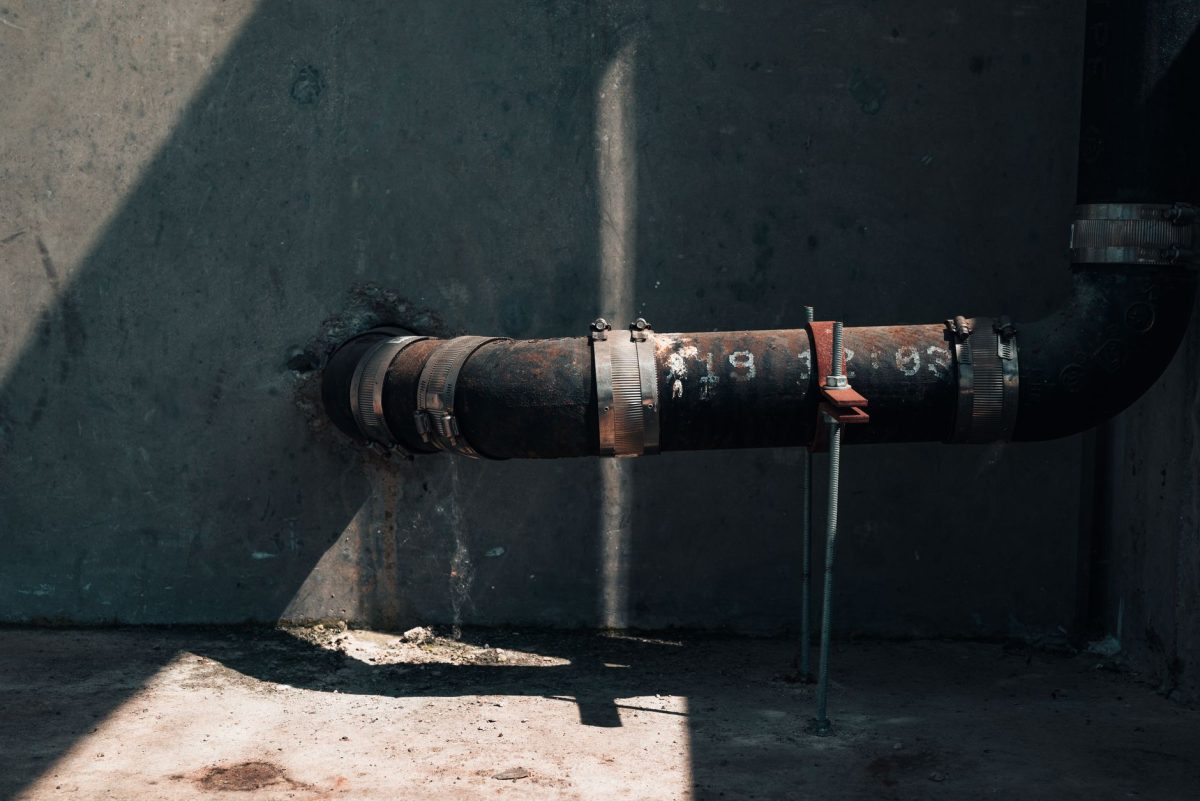
If a pipe does freeze and crack, do not assume the water is fine once it flows again. A break can let soil or contaminants into the line. When in doubt, get the water checked by a certified lab before you drink it, and follow guidance from bodies like the US EPA private wells program or India’s Central Ground Water Board for regional advice.
Frozen pump prevention through the season
Winterizing is not a one-and-done afternoon. A few small habits keep frozen pump prevention working right through the cold months.
- Keep a trickle of water moving on the very coldest nights, since flowing water resists freezing far better than still water.
- Check your heat cable is still plugged in and warm after any power cut or storm.
- Clear snow or debris away from vents so the pump house does not turn into a wind tunnel.
- Listen for a pump that short-cycles or struggles, which can hint at a partial freeze forming.
These small checks slot neatly into the wider rhythm of looking after your system. If you want the full year-round picture, our complete guide to home water system maintenance maps out what to do in every season, not just the freezing one.
It also helps to understand how the parts fit together before you start wrapping them. If you are newer to all this, our walkthrough on how your home water system works makes the layout click, and the same care mindset applies to your water storage tank cleaning routine and your filter replacement schedule too.
Frequently Asked Questions
How do I stop my well pipes freezing?
Insulate every exposed run with foam sleeves, add self-regulating heat cable on the coldest sections, and seal drafts around the pump house. On brutal nights, let a tap trickle so water keeps moving. Draining any pipe you are not using removes the risk entirely from that line.
Should I drain pipes in winter?
Drain any line you will not use through the cold months, such as garden taps, outdoor hose bibs, and seasonal irrigation. For pipes you use daily, insulation and heat cable are the better answer. If you drain a line, open the tap afterward so no water stays trapped inside.
Can a pressure tank freeze?
Yes, and it is one of the most common freeze failures because tanks often sit in unheated sheds or garages. The water inside can freeze and crack the shell or the fittings. Wrap or box the tank, keep gentle background heat nearby, and seal the drafts that chill the space.
How cold does it need to be before pipes freeze?
Water freezes at 0 degrees Celsius, but exposed pipes usually need several hours at or below that before ice forms inside. Wind chill and poor insulation speed it up a lot. Treat the first forecast near freezing as your cue to have everything wrapped and tested already.
Putting it together for a calm winter
A frozen pipe feels like bad luck, but it is almost always a missed autumn afternoon catching up with you. Trace your lines, insulate the exposed spots, add heat cable where the cold really bites, drain what you can, and check on it after every storm. Do that once before the first frost and your cold nights become uneventful, which is exactly what you want from a water system. For the full seasonal routine that surrounds this, browse our year-round maintenance schedule whenever you are ready.