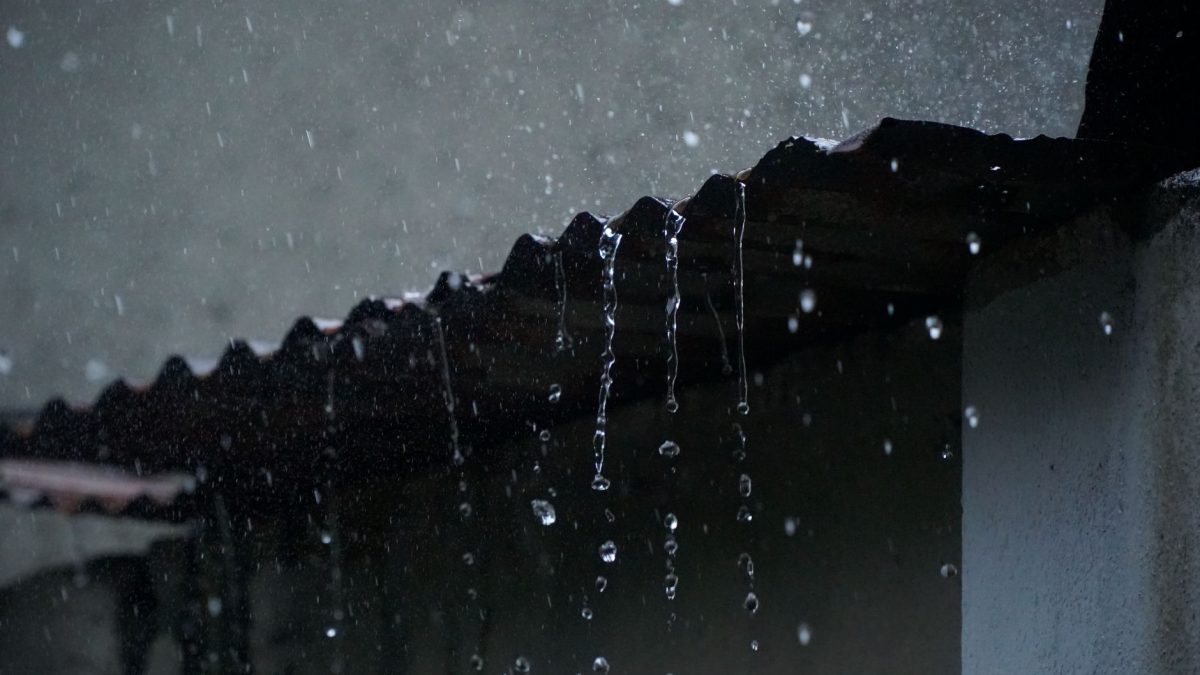
In the same house, on the same borewell, I’ve watched my water setup behave like three different systems across one year: gushing and grid-battered in the monsoon, gasping and rationed in peak summer, and quietly sluggish on the coldest winter mornings. That’s the thing nobody tells first-time owners, your pump, pipes, and tank don’t fail randomly, they fail when a season changes and nothing was adjusted for it. After 15+ years running my own borewell, pump, and overhead-tank setup through Indian summers, rains, and hill-station winters, I’ve boiled seasonal water system care down to a short list of the right checks at the right time. This guide walks you through monsoon, summer, and winter, what to inspect, what to adjust, and what to skip.
Key Takeaways
- Each season stresses a different part of the system: monsoon threatens electricals and water quality, summer threatens supply and the pump, winter threatens pipes and hot-water lines in cold regions.
- Three short seasonal check-ups a year, roughly 30-45 minutes each, prevent the large majority of avoidable water-system failures.
- The cheapest life-saving upgrades are electrical: a surge protector plus an ELCB/RCCB cost around ₹1,000, ₹3,500 together and can save a ₹6,000, ₹25,000 motor.
- Winterising matters only in genuinely cold parts of India (hills, far north); most of the country needs a different winter checklist focused on quality and demand, not frozen pipes.
- A simple logbook of water level, tank cleaning dates, and test results turns guesswork into a pattern you can plan around.
Why one system needs three different plans
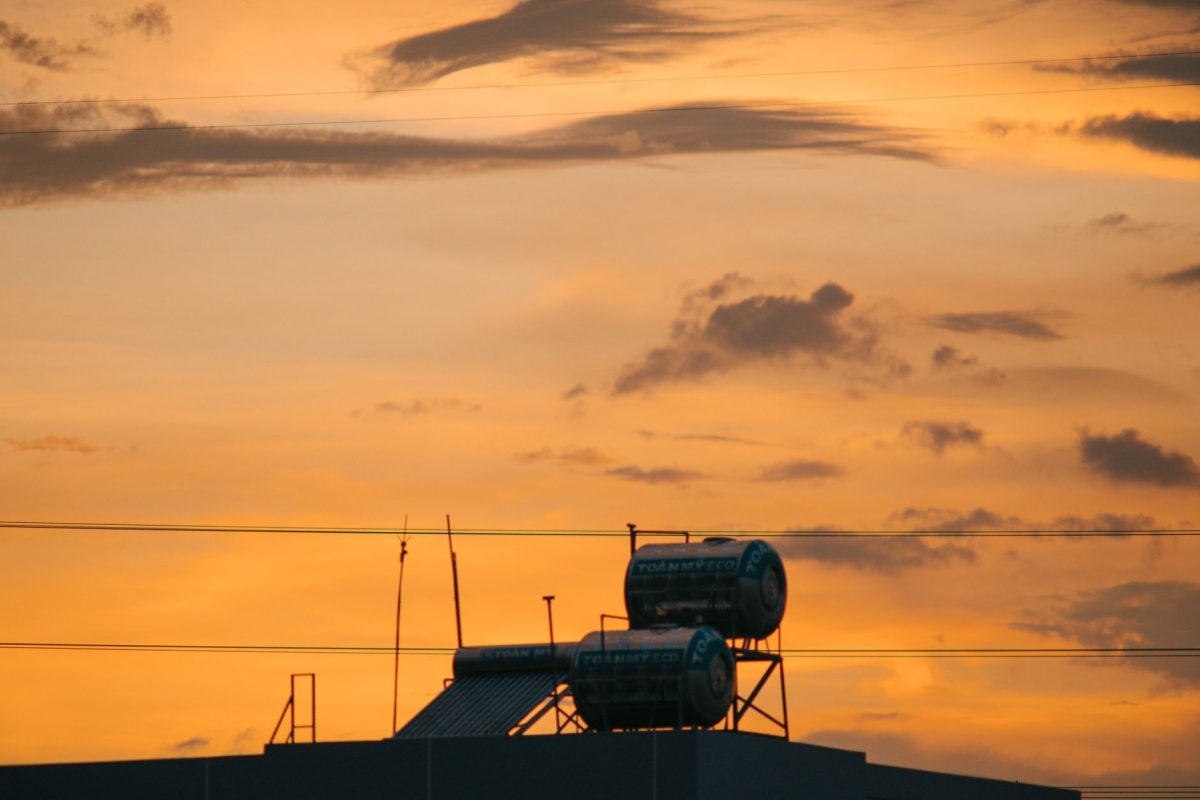
A home water system is a chain, source, pump, pipes, storage tank, and treatment. A season doesn’t stress the whole chain evenly; it hammers one or two links while leaving the rest alone. If you plan for that, maintenance becomes cheap and predictable instead of a series of emergencies.
This piece is the seasonal chapter of our complete year-round home water system maintenance schedule. Think of that schedule as the calendar and this guide as the “why and how” behind the seasonal entries. Here’s the quick map of what breaks when.
| Season (India) | Main stress | Most at risk | Your priority tasks |
|---|---|---|---|
| Pre-monsoon & monsoon (Jun, Sep) | Power surges, damp, flooding, contamination | Motor, wiring, panel, borewell head, water quality | Surge protection, earthing, waterproofing, cap the well, test after heavy rain |
| Summer (Mar, Jun) | Falling water table, peak demand, heat | Pump (dry running), supply reliability, tank algae | Measure water level, prevent dry run, store water, shade the tank |
| Winter (Nov, Feb) | Cold (in hills/north), low demand, stagnation | Exposed pipes, foot valves, standing tank water | Insulate exposed lines in cold zones, keep water moving, recheck quality |
Monsoon: keep water out of the electricals, and out of your well
The monsoon is the most dangerous season for a water system, and almost all of that danger is electrical or contamination-related. Do this prep a few weeks before the first big downpour, not while standing in the rain.
Protect the pump and panel
Lightning, transformer faults, and load switching send voltage spikes down an already-unstable monsoon grid, while rain finds its way into junction boxes and pump pits. Damp plus electricity is exactly what kills motors and, far worse, causes shocks.
- Surge/spike protector on the pump circuit, clamps spikes from lightning and switching. Basic units start around ₹600, ₹1,800.
- ELCB or RCCB, trips the supply the instant current leaks to earth; the difference between a tripped breaker and a dangerous shock. Roughly ₹800, ₹2,500.
- Solid earthing, a rusted or loose earth wire is useless exactly when you need it. Confirm it’s tight and clean.
- Raise and shelter surface equipment, mount surface pumps and starters on a plinth above likely flood level and build a simple sloped cover.
Safety first: Water and mains electricity are a lethal combination. Leave any wiring, earthing, or control-panel work to a licensed electrician with the supply switched off at the main. If a pump pit floods with the pump still connected, do not step into the water, cut power first.
Guard your water quality
Monsoon is prime time for contamination. Surface run-off, carrying silt, fertiliser, and bacteria, can pour straight down a poorly sealed borewell casing or seep into a shallow open well. Post-monsoon bacterial spikes are one of the most common water-safety problems I hear about.
- Cap and seal the borewell head so run-off can’t enter around the casing.
- Grade the ground so rainwater flows away from the wellhead and pump, not toward it.
- If water turns cloudy, tastes odd, or smells off after heavy rain, stop drinking it and get it checked. Our detailed year-long borewell maintenance write-up shows what a post-monsoon check turned up on my own well.
Because the pump takes such a beating in the rains, it’s worth reading the deeper, pump-only companion piece on monsoon and summer pump care alongside this guide.
Summer: beat the falling water table and the empty tank
Summer flips the problem entirely. Groundwater drops, demand peaks, and the classic complaint arrives, “the pump runs but hardly any water comes.” That’s rarely a broken pump; it’s the water table falling below where the pump can draw comfortably. So summer water shortage prep is mostly about water level and storage, not the motor.
Know your water level before the crisis
You can’t manage what you don’t measure. Once a year, ideally in February or March, get a rough read on two numbers for a borewell:
- Static water level, how far down the water sits after the pump has been off for a while.
- Running (drawdown) level, how far it drops after 20-30 minutes of pumping.
If the running level is creeping toward your pump’s intake, you’ll need to lower the pump or foot valve, or ease off how hard you draw it in peak months. Knowing this in March beats discovering it during a dry-spell panic in May.
Never let the pump run dry
When a pump runs without water, there’s nothing to cool or lubricate it, and the motor can burn out in minutes. Every summer, someone leaves a pump on, the borewell runs dry, and a ₹6,000, ₹25,000 motor is toast.
- Fit a dry-run preventer or level controller that cuts the pump when water drops too low.
- Draw heavy loads in the cool early morning, after the borewell has recovered overnight.
- Listen and feel, a changed sound, spitting flow, or an unusually hot motor body means stop and check.
Tip from my own borewell: I keep a small notebook with the March water level and the date my yield first dips each summer. After a few years the pattern was obvious, mine bottoms out in the last week of May, so I now front-load tank-filling to early mornings through May and add extra storage, instead of letting the pump chase a dropping level all afternoon.
Store more, and keep the tank cool
Summer is when storage earns its keep, especially in areas with supply cuts. A little extra buffer means you’re not forcing the pump during the worst midday hours. Two summer-specific tank tasks matter:
- Shade black tanks. A dark overhead tank in direct sun heats the water and speeds up algae growth. A shade net, tank cover, or lighter-coloured tank helps.
- Clean before peak use. Warmth plus stored water encourages algae and biofilm, a pre-summer tank clean keeps things fresh through the hot months.
Winter: winterizing pipes and pump, where it actually applies
Here’s the honest answer to a common question: for most of India, “winterising” in the freeze-your-pipes sense simply doesn’t apply. But in genuinely cold regions, the Himalayan states, parts of the far north and north-west where temperatures dip below freezing, winterizing pipes and pump is real and worth doing.
In cold zones (hills, far north)
- Insulate exposed pipes. Wrap outdoor and rooftop lines with pipe insulation or even cloth lagging. Water expands as it freezes and can crack a pipe or fitting overnight.
- Protect the pump and any exposed foot valve or pressure tank from direct frost; a covered, insulated pump housing helps.
- Keep water moving. On the coldest nights, a slow drip from a tap keeps water flowing so it’s less likely to freeze in the line.
- Drain lines you won’t use, an empty pipe can’t burst. Isolate and drain outdoor taps or garden lines before a hard freeze.
In the rest of India (mild winters)
Where it never freezes, winter’s real risks are demand and stagnation, not ice. Cooler weather means lower water use, so tanks and pipes see less turnover and water sits longer. Use the season to catch up on the quality tasks you skip when you’re busy.
- Flush and, if needed, clean the storage tank, standing water in a lightly used tank can go stale or grow biofilm.
- Winter’s often the best window for a proper annual water test, since the monsoon’s surface influence has settled.
- Check that low usage isn’t hiding a slow leak, read your meter or watch the pump’s cut-in when everything is off.
Your three-check-up-a-year routine
You don’t need a maintenance contract, three focused sessions cover most homes. Run them in this order and log what you find.
Pre-monsoon check (May, June)
- Switch off at the main, then inspect all visible wiring and the panel for cracked insulation, loose terminals, or rust.
- Confirm a working surge protector and ELCB/RCCB are fitted; add them if missing.
- Check earthing is tight and un-corroded.
- Raise or shelter any surface pump, starter, or panel; seal junction boxes with waterproof glands.
- Cap the borewell head and grade drainage away from it.
- Run the pump briefly and confirm normal sound, pressure, and no leaks.
Pre-summer check (Feb, March)
- Measure static and running water levels; note them in your log.
- Compare against your pump/foot-valve depth, lower the pump or reduce draw if the margin is thin.
- Test that your dry-run preventer actually cuts the pump on a low-water test.
- Clean the storage tank and arrange shade for a sun-exposed tank.
- Check inline sediment filters, since summer water can carry more fine grit.
- Plan peak-month heavy draw for early mornings and top up your storage buffer.
Winter check (Nov, Dec)
- Cold zones: insulate exposed pipes, protect the pump, and drain unused outdoor lines before the first hard freeze.
- Flush and clean the tank if low winter use has left water standing.
- Book your annual water test while conditions are stable.
- Watch for slow leaks that low usage might be masking.
- Update your logbook with the year’s water-level low point and any repairs.
These seasonal tasks slot neatly into a single master list. For a printable, all-in-one version you can tick off room by room, keep our whole-home water system maintenance checklist handy, it pairs perfectly with this seasonal calendar.
What seasonal care actually costs
The whole point of seasonal care is that a little spent on prevention avoids a lot spent on repair. In my experience the small, boring upgrades pay for themselves the first time they stop a failure. Here’s a realistic sense of the numbers, treat them as ranges, since brand, capacity, and city vary a lot.
| Seasonal task | Rough cost (₹) | What it prevents |
|---|---|---|
| Surge protector + ELCB/RCCB | 1,000-3,500 | Surge-damaged motor (₹6,000, ₹25,000) |
| Dry-run preventer / level controller | 800-2,500 | Burnt-out pump from dry running |
| Annual water test (basic panel) | 500-2,500 | Undetected post-monsoon contamination |
| Tank clean + shade net | 500-2,000 | Algae, biofilm, hot summer water |
| Pipe insulation (cold zones) | 300-1,500 | Burst pipes and lost supply in a freeze |
If you want to dig into where maintenance money goes versus what repairs really cost, our breakdown of maintenance cost vs repair cost makes the case with more detail.
A word on water safety through the seasons
Seasons change water quality, not just supply. Post-monsoon is a common window for bacterial contamination as surface water infiltrates, while pre-summer concentration can raise mineral or nitrate levels. If your household drinks from a borewell or well, test at least once a year, and again any time colour, taste, or smell changes after heavy rain.
I’m a hands-on system owner, not a lab. For anything touching drinking-water safety, confirm results with a certified laboratory or a qualified professional rather than a home strip alone. Government resources such as India’s Central Ground Water Board offer groundwater guidance, and the World Health Organization publishes widely used drinking-water quality references.
Frequently Asked Questions
How do I protect my pump during monsoon?
Focus on electrical safety and staying dry. Fit a surge protector and an ELCB/RCCB, confirm earthing is solid, raise or shelter surface pumps and panels above flood level, and seal junction boxes. Leave any wiring work to a licensed electrician with the supply switched off at the main.
What water prep is needed for summer?
Measure your borewell’s static and running water levels early, lower the pump or reduce draw if the margin is thin, and fit a dry-run preventer. Add storage buffer, shift heavy pumping to cool mornings, and clean plus shade your tank so warm stored water doesn’t grow algae before peak use.
Should I winterize pipes in India?
Only in genuinely cold regions, the Himalayan states and parts of the far north where temperatures drop below freezing. There, insulate exposed pipes, protect the pump, drain unused outdoor lines, and let a tap drip on the coldest nights. Across most of India winters stay mild, so pipes won’t freeze.
How many times a year should I service my water system?
Three short seasonal check-ups cover most homes: pre-monsoon (electrical and waterproofing), pre-summer (water level and storage), and winter (quality, stagnation, and pipe protection in cold zones). Beyond that, act promptly on any warning sign, unusual noise, low pressure, frequent tripping, or a sudden change in water.
Why does my borewell give less water in summer?
Usually the water table has dropped, so the pump reaches less water and may suck air. It also runs longer and hotter as demand peaks. The fix is measuring your water level early, possibly lowering the pump, preventing dry running, and storing extra water, not assuming the motor itself is faulty.
Is it worth testing water after every monsoon?
Yes, at least a bacterial check. Heavy rain can push surface run-off and contaminants into wells and shallow sources, and post-monsoon bacterial spikes are common. If the water changes colour, taste, or smell, stop drinking it and send a sample to a certified lab before assuming it’s safe again.
Putting it together
Your water system doesn’t need constant fussing, it needs the right attention at the right time. Guard the electricals and water quality before the monsoon, the water level and storage before summer, and your pipes and standing water through winter, and you’ll sidestep the failures that catch most owners off guard. Three short check-ups and a simple logbook are genuinely most of the battle.
Ready to build the full year-round plan? Start with our complete home water system maintenance schedule, or browse more from the Maintenance & Troubleshooting section, and give your setup its next seasonal check before the weather turns.