The most expensive well pump I ever replaced died because its owner believed a well “takes care of itself.” That single myth cost him around ₹18,000 and three days without running water in peak summer. After 15+ years babysitting my own borewell, pump, and overhead tank, I’ve heard almost every piece of folk wisdom passed around neighbours and WhatsApp groups, and a surprising amount of it is flat wrong.
This guide sorts the common well pump maintenance myths from the real facts, with the plain reasoning behind each one, so you protect your water, your pump, and your wallet using reality instead of rumour. Everything here fits into our complete guide to home water system maintenance.
Key Takeaways
- “Set-and-forget” is a myth: a private well needs a water test at least once a year and a pump check-up every 1-2 years.
- Running a pump dry even for a few minutes can burn the motor or seals, dry-run protection costs far less than a rewind.
- Boiling kills germs but does not remove nitrate, arsenic, fluoride, or heavy metals, those need lab testing and the right filter.
- Clear, odourless water can still be unsafe; contamination is often invisible and tasteless.
- Cheaper maintenance up front usually means a shorter pump life, not real savings.
Why these well pump maintenance myths stick around

Most water-system myths survive because a well works quietly underground where you can’t see it. When nothing visibly breaks for years, “it must be fine” feels like proof. But slow problems, a corroding casing, a tired pressure switch, creeping contamination, don’t announce themselves until the damage is done and expensive.
Below I walk through the borewell care misconceptions I hear most often, pair each with the fact, and explain what actually protects your setup. If you’d rather see the symptoms first, our list of 10 warning signs your well or pump needs service pairs well with this article.
Myths vs facts at a glance
| Common myth | The real fact | What it can cost you |
|---|---|---|
| “Wells need no maintenance.” | Wells need yearly testing and periodic pump/tank checks. | Contaminated water; sudden pump failure |
| “Clear water is safe water.” | Many hazards are invisible and tasteless. | Health risks that go unnoticed for years |
| “Running the pump dry is fine for a bit.” | Dry running overheats the motor and seals fast. | Motor rewind or full replacement (₹6,000, ₹25,000+) |
| “Boiling makes any well water safe.” | Boiling kills germs only, not chemicals or metals. | Ongoing exposure to nitrate, arsenic, fluoride |
| “A bigger pump gives better pressure.” | Oversizing wastes power and wears parts faster. | Higher bills; short cycling; early failure |
| “Cheapest servicing saves money.” | Skipping upkeep shortens pump life dramatically. | More frequent replacements over time |
Myth 1: “A well needs no maintenance”
Fact: A private well is a live system that changes with the seasons, the water table, and everything happening on the land around it. It is nothing like a sealed municipal line. Skipping maintenance doesn’t make problems disappear, it just moves them into the “expensive surprise” category.
At a minimum, plan for:
- A water test at least once a year, more often if there’s flooding, new construction, or a change in taste, smell, or colour.
- A pump and pressure-tank check every 1-2 years to catch worn switches, waterlogged tanks, and dropping performance early.
- A quick visual on the wellhead after every monsoon: cracked seals or a low cap let surface water and contaminants straight in.
On my own borewell, a five-minute post-monsoon check once revealed a hairline crack in the wellhead seal. A ₹250 gasket that afternoon almost certainly saved me from a contamination scare later.
Myth 2: “If the water looks clear, it’s safe to drink”
Fact: Some of the most serious well-water hazards are completely invisible. Nitrate, arsenic, fluoride, lead, and many bacteria leave no colour, no smell, and no taste. Crystal-clear water can be perfectly fine, or quietly unsafe, and you cannot tell the two apart by looking.
This is exactly why testing matters. A certified lab checks for the specific things your eyes can’t. Against Indian norms, that usually means comparing results to the BIS drinking-water standard (IS 10500), and organisations like the World Health Organization publish the health reasoning behind those limits.
Please don’t guess on safety: Never treat “it looks and tastes fine” as a health verdict. For anything you drink or cook with, confirm with a certified water lab or a qualified professional. No article, including this one, can guarantee your specific water is safe.
Myth 3: “Running the pump dry for a few minutes is harmless”
Fact: Water is what cools and lubricates most pumps. Run one dry and temperatures spike within minutes, seals harden, bearings score, and submersible motor windings can cook. Sometimes the pump limps on for weeks afterward and fails “for no reason,” which is really the delayed bill for that dry run.
Dry running usually happens when the water level drops below the pump (common in summer or over-pumped borewells) or a tank valve is left shut. The good news is that it’s cheap to prevent.
Tip from my own setup: A dry-run protector or a simple water-level controller has, in my experience, cost roughly ₹1,000, ₹3,500 to fit. That’s a fraction of a motor rewind (often ₹6,000, ₹25,000+). I now treat it as non-negotiable on any submersible install.
Myth 4: “Boiling makes any well water safe”
Fact: Boiling is genuinely useful, a rolling boil kills most bacteria, viruses, and parasites. But it does nothing for chemical contaminants. Nitrate, arsenic, fluoride, and heavy metals aren’t destroyed by heat; if anything, boiling concentrates them slightly as water evaporates.
So boiling is the right tool for a suspected microbial problem, and the wrong tool for a chemical one. Which you actually have is something only a test can tell you.
| Contaminant type | Does boiling help? | What actually removes it |
|---|---|---|
| Bacteria / viruses / parasites | Yes, rolling boil kills them | Boiling, UV, chlorination |
| Nitrate | No (can concentrate it) | Reverse osmosis, ion exchange |
| Arsenic / heavy metals | No | RO, specific adsorption media |
| Fluoride | No | RO, activated alumina, bone char |
| Hardness (calcium/magnesium) | Partly (scale forms) | Water softener |
Myth 5: “A bigger pump always means better pressure”
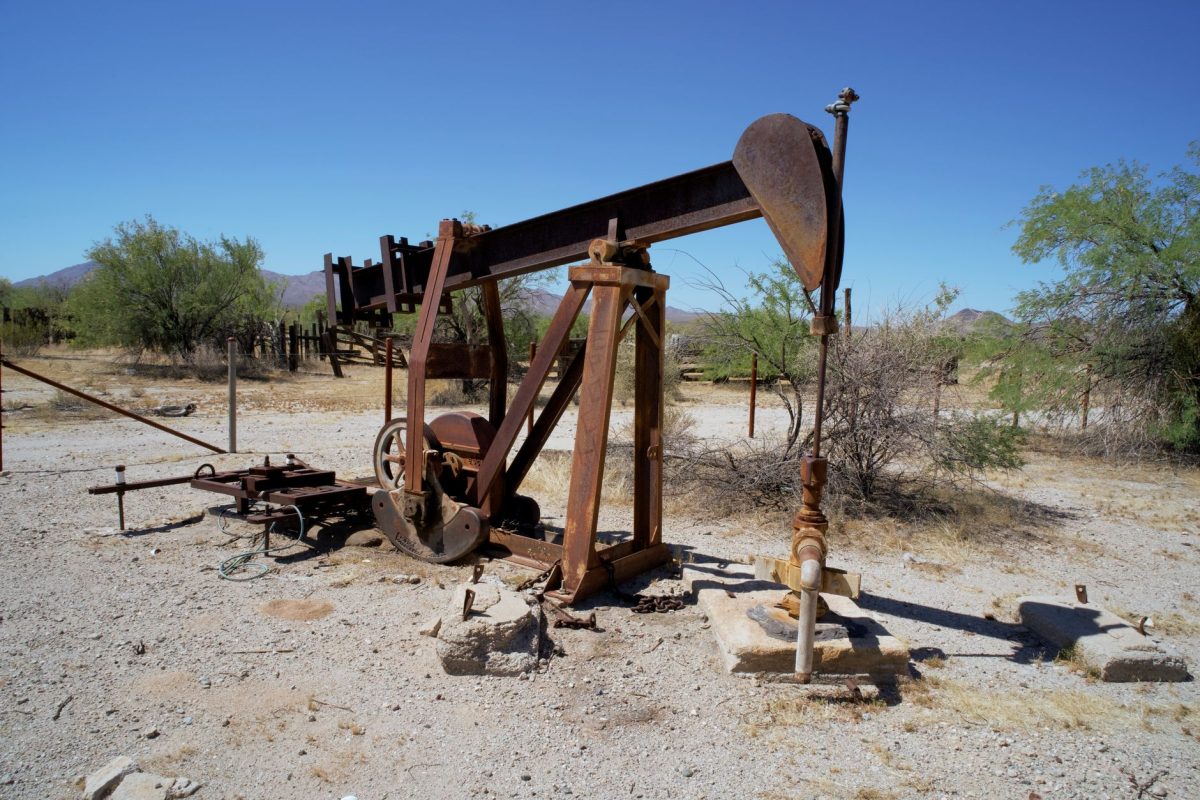
Fact: Pumps are sized to a job, your depth, flow needs, and pipe run. Fit one that’s too powerful and it “short cycles”: switching on and off rapidly, hammering the pressure switch and tank, spiking your electricity bill, and wearing itself out years early. Bigger is not better; correctly matched is better.
If your pressure feels weak, the real culprit is more often a waterlogged pressure tank, a clogged foot valve, a failing switch, or scaled-up pipes, not an undersized motor. Chasing pressure with horsepower usually just trades one problem for a costlier one. If you’re still fuzzy on how these parts fit together, our beginner’s guide to how home water systems work lays out the whole chain.
Myth 6: “The cheapest servicing saves the most money”
Fact: This is the one that catches careful, budget-minded people, and it’s a false economy. Skipping a ₹500 check-up to save money today routinely leads to a ₹15,000 replacement tomorrow, because small issues (a leaking seal, a weak capacitor, sediment build-up) quietly destroy the parts around them.
Think of maintenance as insurance you can actually see working. A modest yearly spend keeps a good pump running its full 8-12 year lifespan; neglect can cut that in half.
A simple reality-check routine
You don’t need to be a technician to stay ahead of these myths. Here’s the light routine I actually follow, in order:
- Once a year: book a certified water test and read it against BIS/IS 10500 limits.
- Once a year: listen and watch for short cycling, sputtering taps, or air in the lines, early signs of tank or switch trouble.
- Every 1-2 years: have a technician check the pressure switch, tank air charge, and wiring connections.
- After every monsoon: inspect the wellhead seal and cap for cracks or gaps.
- Whenever something changes: new taste, smell, colour, or a sudden pressure drop means test and inspect now, not “later.”
For a full month-by-month plan, see our year-round home water system maintenance schedule, and keep the common home water problems FAQ handy for quick answers when something acts up. Both build directly on the habits above.
Frequently Asked Questions
Do wells really need no maintenance?
No, that’s the most costly myth of all. A private well needs at least a yearly water test, a pump and pressure-tank check every one to two years, and a wellhead inspection after heavy rain. The system is alive and changing, so ignoring it invites both health risks and sudden, expensive failures.
Does running a pump dry actually harm it?
Yes, and quickly. Water cools and lubricates most pumps, so running dry lets temperatures spike within minutes, damaging seals, bearings, and motor windings. The failure may be immediate or delayed by weeks. A dry-run protector or level controller for a few thousand rupees is far cheaper than a rewind or replacement.
Is boiling enough to make well water safe?
Only for germs. Boiling kills bacteria, viruses, and parasites, but it does not remove nitrate, arsenic, fluoride, or heavy metals, it can even concentrate them slightly. If a lab test shows chemical contamination, you need the right filter, not a kettle. Always confirm safety with certified testing.
How often should I test private well water?
At least once a year for bacteria, nitrate, and local risk contaminants, using a certified lab. Test more often, or immediately, after flooding, nearby construction, a new odour, colour, or taste, or any gastrointestinal illness in the household. Regular testing is the only reliable way to catch invisible hazards early.
Will a more powerful pump fix weak water pressure?
Usually not. Weak pressure is more often caused by a waterlogged pressure tank, a failing switch, a clogged foot valve, or scaled pipes. An oversized pump short cycles, wastes electricity, and wears out early. Diagnose the real cause first; a correctly matched pump beats a bigger one every time.
Putting it together
Almost every well and pump myth shares the same flaw: it assumes that because a problem is invisible, it isn’t there. In reality, a little routine testing and a few cheap safeguards protect your water, your pump, and your budget far better than any old wives’ tale. Trust tests and habits, not hearsay.
If you’d like to turn these facts into a simple habit, start with our complete year-round maintenance schedule, it lays out exactly what to check and when, so none of these myths ever get the chance to cost you.