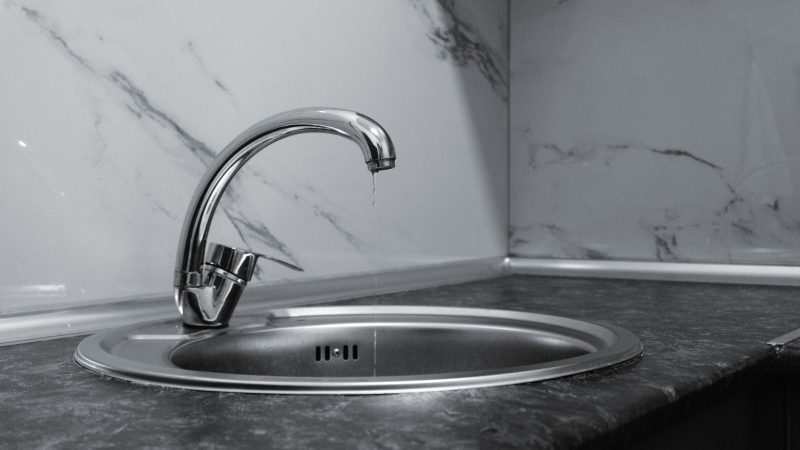
A pinhole in a copper joint under my kitchen sink let go one night, and by the time I found the torch, water had already crept under the cabinet and into the hall. That is how fast it moves. I’m Arjun Mehta, and across 15+ years running my own borewell, pump and overhead-tank setup I’ve handled burst pipes, split washing-machine hoses and a cracked tank fitting more than once.
These home water emergency steps are the exact drill I keep taped inside the meter cupboard so anyone at home can act. You’ll learn where to shut the supply, how to cut power safely, and how to limit damage while help is on the way. It fits into our year-round home water system maintenance schedule.
Key Takeaways
- Locate your main water shutoff valve today, not during a flood. A burst pipe can push out 15 to 30 litres a minute.
- The order that matters: stop the water, cut power to wet areas, then clear the mess.
- Switch off the pump and, on a tank-fed home, close the overhead-tank outlet so gravity stops feeding the leak.
- Keep a shutoff kit ready: a torch, an adjustable spanner, rags, a bucket and the electrician’s number.
- Fast action in the first 5 to 10 minutes decides whether you mop a floor or replace it.
Find your main water shutoff valve before you need it
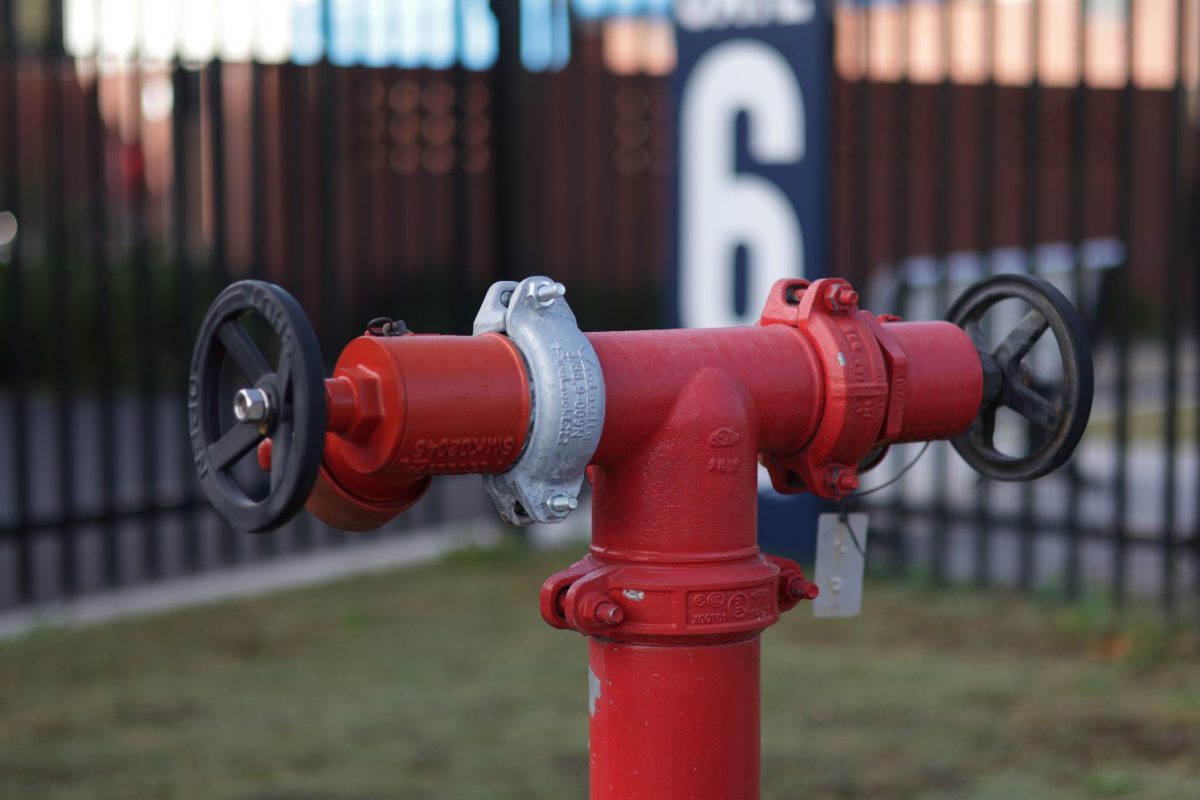
The biggest reason a small leak becomes a ruined room is that nobody knew where to turn off the water. Spend ten minutes this week finding your main water shutoff valve and showing everyone in the house. Panic makes people forget, so I stuck a bright label on ours.
Most Indian homes have more than one point you can close, depending on how the supply is arranged:
- Municipal main valve: usually near the meter at the boundary wall or in a pit by the gate.
- Overhead-tank outlet valve: the gate valve on the pipe leaving the tank, often on the terrace.
- Pump isolation valve: on the delivery side of your borewell or booster pump.
- Fixture stop valves: the small angle valves under sinks and behind the toilet and washing machine.
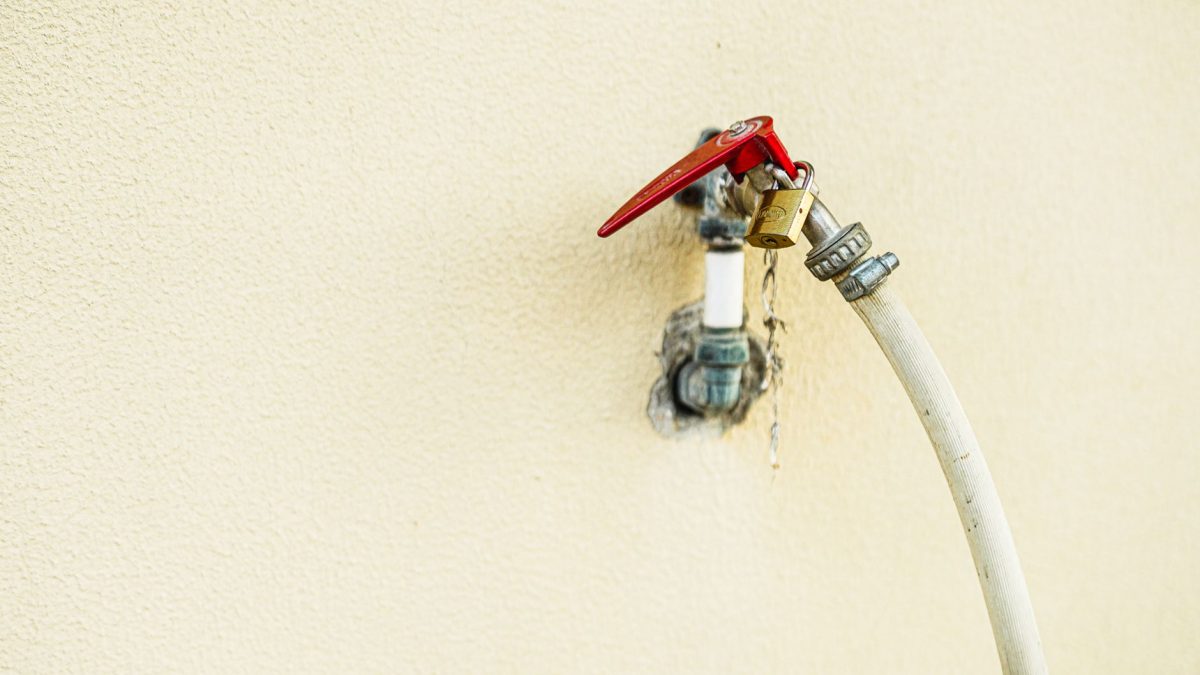
Most gate and ball valves close clockwise, and a ball valve is shut when its lever sits across the pipe. A valve that has not been turned in years may be seized, which is worth checking on a calm weekend rather than at midnight.
Tip: On my own setup the terrace tank outlet valve had rusted half-open and would not budge in an emergency. Now I open and close every shutoff valve twice a year and smear a little grease on the stem. A valve you can turn by hand is worth more than any gadget.
The first 5 minutes: home water emergency steps in order
When water is spraying, sequence beats speed. Do these in order rather than running for a mop first. This is the checklist I drill with my family:
- Stop the water at the nearest point. Close the fixture stop valve if the leak is at one tap or the toilet. If you cannot reach it or it fails, close the main shutoff valve.
- Switch off the pump. Kill power to the borewell or booster pump so it stops pushing pressure into the burst line.
- Close the tank outlet. On a gravity-fed home, shut the overhead-tank outlet valve, or the stored water keeps draining through the break.
- Cut power to wet areas. If water is near sockets, appliances or the distribution board, switch off those circuits at the consumer unit, but only if you can reach it without standing in water.
- Open the lowest taps. A ground-floor tap drains the pipes so the leak slows to a trickle while you work.
- Contain and protect. Put a bucket under the drip, throw down towels, and move electronics, documents and rugs clear.
- Call for help. Ring a plumber for the repair and an electrician if wiring got wet. Photograph the damage first for any insurance claim.
Knowing how the parts connect makes this far less scary. If you’re unsure which valve feeds what, our beginner’s guide to how home water systems work maps out the path from source to tap.
Burst pipe: what to do (and what not to)
A burst pipe is the loudest of these emergencies. The playbook is the same as above, with two extra points. Do not try to hold the split shut by hand under full pressure, since a pump can deliver several bar and a hot line may scald you. Shut it off first, then patch: self-amalgamating tape over the split, or a rubber offcut held with two hose clamps, will hold a low-pressure line until the plumber arrives. Keep the pump off until it is properly fixed.
When to cut the electricity
In a flooding pipe first-aid situation, live wiring is the real danger, not the water damage. If water is pooling near sockets, extension boards, a pump feed or the distribution board, switch those circuits off before you wade in. If you would have to stand in water to reach the board, stay out and call an electrician or your supply company. No floor is worth a shock.
How to limit water damage from a leak
After the water is off, the clock is still ticking. Standing water soaks into skirting, swells chipboard and can lift tiles within hours, and damp that lingers invites mould. The sooner you dry things out, the smaller the repair bill. This table lists the common home water emergencies and the first move for each.
| Emergency | First action | Where to shut off |
|---|---|---|
| Burst supply pipe | Close main valve, switch off pump | Main shutoff or pump isolation valve |
| Leaking tap or mixer | Close the fixture stop valve under it | Angle valve below the fixture |
| Overflowing overhead tank | Switch off pump, check float valve | Pump switch and tank inlet valve |
| Toilet running over | Close the cistern stop valve | Angle valve behind the pan |
| Burst washing-machine hose | Close its inlet tap, unplug the machine | Braided-hose tap behind the unit |
| Water near the fuse board | Cut power first, then water | Consumer unit, then main valve |
Once the source is under control, move fast on drying:
- Remove standing water with a mop, squeegee or wet-dry vacuum within the first hour.
- Lift rugs and move furniture off wet floors so legs and fabric do not wick moisture.
- Open windows and run fans; a fan pointed at a wet wall speeds drying a lot.
- Pull cabinet contents out so trapped damp under a sink can dry rather than fester.
- Document everything with photos before you clean up, in case you claim on home insurance.
Some emergencies are symptoms of a system already struggling. Banging pipes that eventually split often trace back to pressure shocks, which I cover in our guide on how to stop water hammer in your pipes. A tank that keeps overflowing or sends sediment downstream is a reminder of how often you should clean your storage tank. For flood cleanup and safety, the US EPA’s private wells resources and the CDC Healthy Water pages are solid, non-commercial references.
If the incident cut off or fouled your water, do not assume it is safe again just because it runs clear. On a private well or borewell, get the source checked by a certified lab before drinking, especially after flooding that could have reached the wellhead.
Frequently Asked Questions
How do I shut off my home water supply fast?
Go to your main water shutoff valve, usually near the meter at the boundary or in a pit by the gate, and turn it clockwise until it stops (a ball valve is shut when its lever sits across the pipe). On a tank-fed home, also switch off the pump and close the overhead-tank outlet valve.
What should I do if a pipe bursts?
Shut off the water at the main valve, switch off the pump, and open the lowest tap to drain the line. Cut power to any wet electrical points before you step in. Contain the water with buckets and towels, protect valuables, then call a plumber. Photograph the damage for insurance.
How do I limit water damage from a leak?
Stop the source first, then clear standing water within the hour using a mop or wet-dry vacuum. Lift rugs, move furniture off wet floors, and run fans with windows open to dry surfaces. Empty damp cabinets so trapped moisture escapes. Acting inside the first day prevents swelling and mould.
Should I turn off electricity during a water leak?
Yes, if water is pooling near sockets, appliances, a pump feed or the distribution board, switch off those circuits at the consumer unit before touching the water. If you would have to stand in water to reach the board, do not risk it. Stay clear and call an electrician or your supply company.
Putting it together
A water emergency feels chaotic, but it comes down to a short, repeatable drill: stop the water, cut the power to wet areas, then contain and dry. The people who stay calm are simply the ones who found their shutoff valves in advance and kept a torch and spanner nearby. Ten quiet minutes of preparation this week beats any amount of scrambling later.
The best emergency is the one that never happens, and that comes from keeping pipes, pumps and tanks in good order. Walk through our complete home water system maintenance schedule to build a simple routine, and swap tired parts on time (like the seals covered in our guide to replacing your home water filters) so a small weakness never becomes a midnight flood.