You paid for a water test, waited a week, and got back a single page crammed with acronyms, tiny numbers, and units you have never used since school. Most people glance at it, decide it looks “fine,” and file it away. That is a shame, because everything you need is right there once you know where to look.
I am Arjun, and over 15 years of running my own borewell, pump, and overhead-tank setup I have read more of these sheets than I can count. In this walkthrough I will show you how to read a water test report from top to bottom: what the numbers mean, which parameters actually matter, and how to check each one against a safe limit. If you want the wider picture first, our complete guide to water testing and quality sets the scene.
Key Takeaways
- A report has three parts that matter: the parameter, your result, and the limit it should sit under. Read them together, never in isolation.
- ppm and mg/L are the same thing for water (1 mg/L equals 1 part per million), so do not panic when the units switch between rows.
- Focus first on health parameters: bacteria (should be absent), nitrate (limit 45 mg/L in India), and arsenic (limit 0.01 mg/L).
- Hardness, TDS, iron, and pH are comfort and plumbing issues, not usually safety ones.
- A “not detected” for bacteria is only valid for the day you sampled. Retest at least once a year.
First, get your bearings on the page

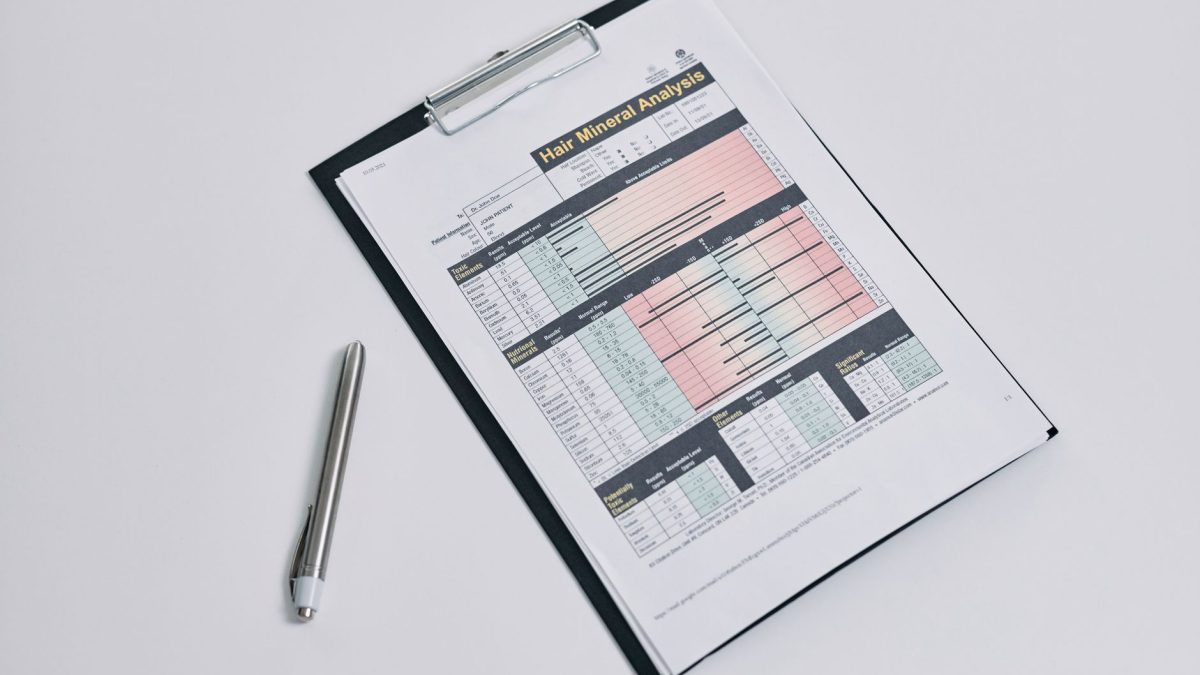
Before you read a single value, look at the shape of the report. Almost every lab lays it out as a table with the same columns, even when the styling looks different. Once you spot that pattern, a scary sheet becomes a simple checklist.
You are looking for three things on each row: the parameter (what was measured), your result (the number the lab found), and the acceptable or permissible limit (the standard it is compared against). Some reports add a fourth column for the test method or the units. That is it. Everything else on the page is header and formatting.
Check the top of the sheet too. A proper report names the lab, its accreditation (look for NABL in India), the sample date, and the source. If those are missing, the numbers below carry less weight.
ppm and mg/L: the units that trip everyone up
The single biggest source of confusion is units, so let us clear it up early. For dissolved substances in water, milligrams per litre (mg/L) and parts per million (ppm) mean the same amount. A result of 250 mg/L and 250 ppm are identical. Labs mix the two freely, which makes a report look more complicated than it is.
| Unit on the report | What it means | Quick conversion |
|---|---|---|
| mg/L (milligrams per litre) | Weight of a substance in one litre of water | Same value as ppm |
| ppm (parts per million) | One part in a million parts of water | Same value as mg/L |
| ppb (parts per billion) | One part in a billion, used for tiny amounts like arsenic | 10 ppb equals 0.01 mg/L |
| µg/L (micrograms per litre) | A thousandth of a mg/L, same idea as ppb | 10 µg/L equals 10 ppb |
The only place this bites you is with contaminants measured in tiny amounts. Arsenic, for example, is reported in ppb or µg/L because its safe limit (0.01 mg/L) is so low. Match the units exactly before you compare, or a safe result can look alarming and a dangerous one can look fine.
Which water parameters matter most
A full panel can list 15 or more parameters, and staring at all of them at once is how people give up. I split them into two buckets: health first, then comfort. Health parameters decide whether the water is safe to drink. Comfort parameters decide whether it tastes good and is kind to your pipes.
Health parameters (check these first)
- Total coliform and E. coli: bacteria that signal contamination. The only acceptable result is absent or “not detected.”
- Nitrate: often from fertiliser or sewage seepage, and a real risk for infants. The Indian limit is 45 mg/L.
- Arsenic, fluoride, and heavy metals: region-specific but serious, with very low limits. Compare units carefully here.
Comfort and plumbing parameters
- TDS (total dissolved solids): the overall mineral load. Affects taste, not usually safety, up to a point.
- Hardness: mostly calcium and magnesium. High hardness scales up your geyser and taps but will not harm you.
- pH: how acidic or alkaline the water is. Extremes can corrode pipes or point to another issue.
- Iron and manganese: cause staining, odd taste, and brown stains on laundry more than health trouble.
If you are still building your vocabulary here, our plain-English tour of what is actually in your well water explains where each of these comes from and why it shows up.
How to read a water test report, step by step

Here is the exact routine I run every time a fresh report lands, whether it is my own borewell or a neighbour asking for help. Work through it in order and you will understand water test results in about ten minutes.
- Confirm the sample details. Check the date, the source (tap, borewell, tank), and the lab name. A result only describes the water on that day from that point.
- Find the limit column. Identify which column holds the acceptable limit, usually labelled as per IS 10500 (the Indian standard). This is your yardstick for every row.
- Scan the health rows first. Go straight to bacteria, nitrate, arsenic, and fluoride. Any of these over the limit means stop drinking the water and act, regardless of how the rest looks.
- Match every unit before you compare. Make sure your result and the limit use the same unit. If one says µg/L and the other mg/L, convert before you judge.
- Flag anything above its limit. Circle or note each parameter that exceeds the acceptable value, and by how much. A small overshoot on hardness is very different from any bacteria at all.
- Read the comfort rows for context. High TDS, iron, or hardness explains bad taste, stains, or scaling, and tells you what treatment might help.
- Write down your action. For each flagged item, note the next step: retest, treat, or switch source. A report you do not act on is just paper.
Tip: Do not average your parameters or treat the report as one overall grade. I once saw a sheet with lovely TDS and pH that also showed coliform present. The good numbers mean nothing next to a single unsafe one. Read each row on its own merits.
How to compare your results to safe limits
Most Indian labs report against IS 10500, the Bureau of Indian Standards drinking-water spec. It lists two figures for many parameters: an acceptable limit (the target) and a permissible limit (a fallback ceiling when no better source exists). Aim for the acceptable limit and treat the permissible one as an emergency line, not a pass mark.
| Parameter | Acceptable limit (India, IS 10500) | What it affects |
|---|---|---|
| Total coliform / E. coli | Absent (not detected) | Direct safety, contamination signal |
| Nitrate (as NO3) | 45 mg/L | Infant health, agricultural seepage |
| Arsenic | 0.01 mg/L (10 ppb) | Long-term health, region-specific |
| Fluoride | 1.0 mg/L | Dental and bone health |
| TDS | 500 mg/L (up to 2000 permissible) | Taste and mineral load |
| Total hardness (as CaCO3) | 200 mg/L (up to 600 permissible) | Scaling, soap use |
| pH | 6.5 to 8.5 | Corrosion, taste |
| Iron | 1.0 mg/L | Staining, taste |
Use this as a reference, not gospel. Limits differ slightly between countries, and bodies like the World Health Organization and the US EPA private wells program publish their own guideline values. For any result that touches health, especially bacteria, nitrate, or arsenic, confirm the reading and next steps with a certified lab or a qualified professional.
Two specific rows deserve extra care, so pair this with our step-by-step guides on how to test well water for bacteria and coliform and how to test well water for nitrates. Both explain how to collect a clean sample so your next report is one you can actually trust.
Frequently Asked Questions
What do the numbers on a water report mean?
Each number is the measured amount of one substance in your water, usually in mg/L or ppm. On its own it means little. You compare it to the acceptable limit printed alongside it. If your result sits below the limit, that parameter is fine. If it sits above, that row needs attention.
Which water parameters matter most?
Health parameters come first: bacteria (E. coli and total coliform), nitrate, arsenic, and fluoride. Any breach of these can affect safety directly. TDS, hardness, pH, and iron matter for taste, staining, and plumbing, but rarely for safety. Read the health rows before you worry about comfort numbers.
How do I compare results to safe limits?
Find the limit column on your report, match the units to your result, then check whether the value is above or below the limit. Indian labs use IS 10500, which lists an acceptable target and a higher permissible ceiling. Aim for the acceptable figure and treat the permissible one as an emergency fallback only.
Is ppm the same as mg/L on a water report?
Yes. For substances dissolved in water, one part per million equals one milligram per litre, so 250 ppm and 250 mg/L are the same amount. Labs use the terms interchangeably. The only care needed is with tiny amounts reported in ppb or µg/L, where 10 ppb equals 0.01 mg/L.
My TDS is high but bacteria is absent. Is the water safe?
High TDS usually affects taste and hardness rather than safety, and no bacteria is a good sign for that sample. But TDS is only one measure. Check nitrate, arsenic, and fluoride too before calling it safe, and remember a bacteria result reflects only the day you collected the sample.
Putting it together
A water test report is not a verdict you have to accept blindly. It is a checklist. Confirm the sample details, match your units, read the health rows first, and compare each result to its limit. Do that and a page of acronyms turns into a clear, honest picture of what comes out of your tap.
Ready to turn one report into an ongoing habit? Our complete homeowner’s guide to water testing and quality shows you how often to test, what to test for, and how to keep your water safe year after year.