You lift a glass to your mouth, and instead of clean water you get a whiff of rotten eggs. It is one of the fastest ways to lose your appetite at the sink. That well water rotten egg smell is almost always hydrogen sulfide gas, and after 15 years running my own borewell, pump, and overhead tank, I have chased that stink down more times than I can count.
The reassuring part is that the smell has a short list of causes, and most are fixable in an afternoon. In this guide I will show you how to trace where the odour is coming from, how to tell a fouled water heater apart from a well problem, and the exact steps that clear it. If you are still learning what lives in your supply, our plain-English beginner’s guide to well water is a good companion.
Key Takeaways
- The rotten egg smell is hydrogen sulfide gas, usually made by harmless sulfur bacteria in the well, the pipes, or the water heater.
- The single most useful test is the cold-versus-hot check: run both taps and note which one stinks. That alone narrows the cause in under 2 minutes.
- If only the hot water smells, the culprit is almost always the magnesium anode rod inside your water heater, not the well itself.
- Shock chlorination clears most well and plumbing odours, and the smell often fades within a few days once bacteria are knocked back.
- Hydrogen sulfide is mainly a nuisance at the low levels found in homes, but a strong smell can hide other issues, so confirm safety with a certified lab.
What actually makes the smell

That eggy odour is hydrogen sulfide, a gas with a smell so strong most people can detect it at tiny concentrations. In well water it comes from a few different places, and each one leaves its own fingerprint.
- Sulfur bacteria in the well or aquifer. These harmless organisms live in low-oxygen groundwater and give off hydrogen sulfide as they feed. This is the usual source of a sulphur smell in borewell water.
- Bacteria in the water heater. The magnesium rod that protects the tank from rust can react with sulfate and bacteria to brew hydrogen sulfide, which is why so much smelly hot water traces back here.
- A stagnant plumbing branch. A rarely used tap, a long dead leg of pipe, or a tank that sits half full for weeks can grow its own bacterial pocket.
- Naturally sulfurous groundwater. Some aquifers simply carry dissolved sulfide from the rock itself, with no bacteria involved at all.
Telling these apart matters, because the fix for a heater is nothing like the fix for a well. The good news is that your own nose and taps do most of the diagnostic work for free.
How to trace the source, step by step
Before you buy anything or call anyone, spend 10 minutes on this routine. It is the same sequence I run on my own setup whenever the smell returns, and it usually points to the culprit without a single tool.
- Run the cold tap at the kitchen for 2 to 3 minutes and smell it. Then run the hot tap and smell that. Note which one carries the odour, or whether both do.
- Fill a glass at a tap far from the water heater, step outside, and smell it in fresh air. Indoor odours can fool you, so a neutral spot gives an honest reading.
- Check whether the smell is stronger at first draw or steady. A blast that fades points to a stagnant pipe or fixture, while a steady stink points to the source itself.
- Test a tap that draws straight off the well or storage tank, before the heater. If that water is clean but the hot water reeks, your heater is the problem.
- Sniff the water in your storage or overhead tank directly if you have one. A closed tank that sits warm is a classic breeding ground.
Reading your results
Once you know which taps smell, the table below tells you where to look. On my borewell, the smell only ever showed up in the hot water, which pointed me straight at the heater rod and saved me from chlorinating a perfectly healthy well.
| What you smell | Likely source | First thing to try |
|---|---|---|
| Only hot water smells | Water heater anode rod and bacteria | Replace or remove the magnesium rod |
| Only cold water smells | Well, aquifer, or cold plumbing | Shock chlorinate the well and pipes |
| Both hot and cold smell | Well or main supply is the source | Shock chlorinate, then retest |
| Smell fades after running the tap | Stagnant pipe or unused fixture | Flush the line, use the tap regularly |
| Only one fixture smells | Local drain or fixture, not the water | Clean the drain and aerator |
Why only the hot water smells
This is the question I hear most, and the answer is almost always the sacrificial anode rod. Most water heaters carry a magnesium rod that corrodes on purpose to protect the steel tank. In water that carries sulfate and the right bacteria, that rod fuels a reaction that produces hydrogen sulfide, so the tank turns into a small odour factory.
You have two practical paths. Swapping the magnesium rod for an aluminium or zinc-aluminium rod usually stops the reaction, and it is a job many homeowners can do with a socket wrench and a spare hour. Flushing the tank and raising its temperature to roughly 60 degrees Celsius for a few hours also kills the bacteria, though the smell can creep back if the rod stays. If you go the temperature route, take real care with scalding and drop the setting back afterwards.
Tip: Before you touch the well, isolate the heater. On my system I closed the inlet valve to the heater and drew water from a cold tap upstream. It smelled clean, which told me in 5 minutes that the well was innocent and the rod was the real offender. That one check can save you a whole day of unnecessary well treatment.
How to remove the egg smell from well water
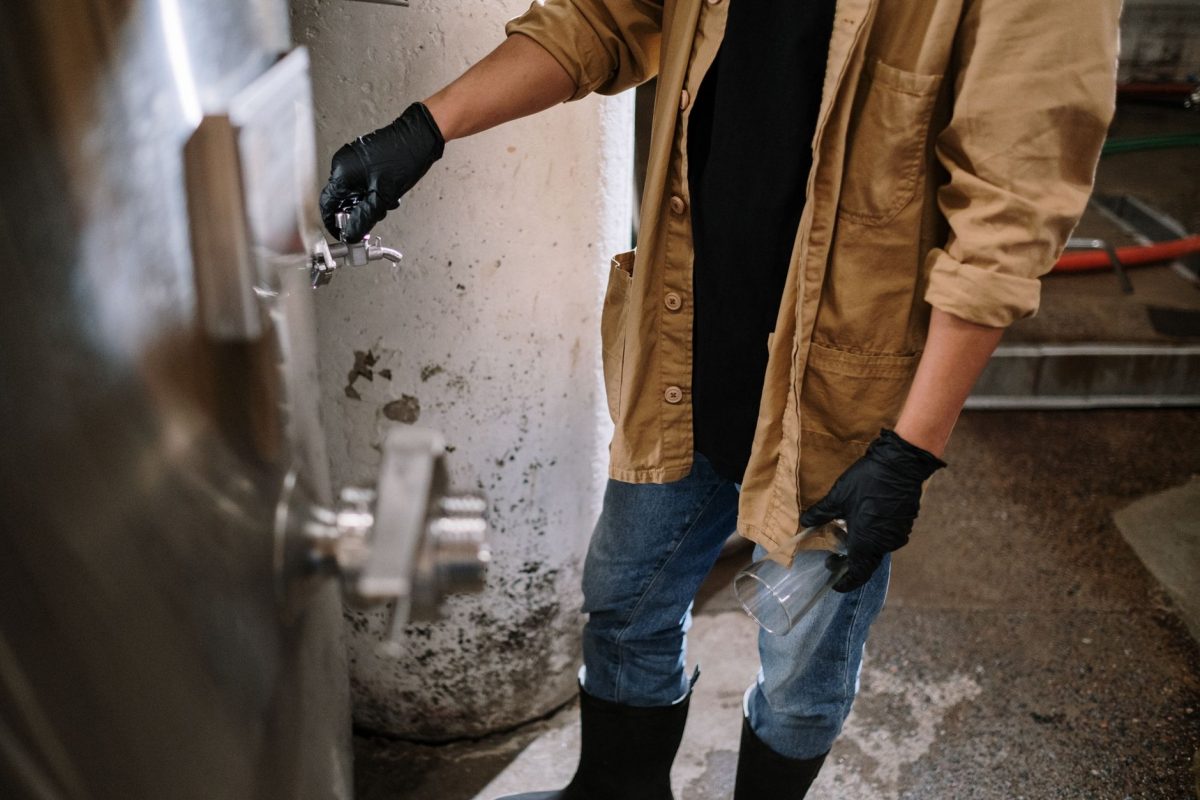
If the cold water is the source, the workhorse fix is shock chlorination, which floods the well and plumbing with a strong chlorine dose to knock back the sulfur bacteria. It is the same process used to clear coliform, so it does double duty. Here is the shape of it.
- Mix an appropriate amount of unscented household bleach with water and pour it into the well, following a trusted local guide for the dose based on your well depth and diameter.
- Circulate the chlorinated water by running it back down the well with a hose, then open every tap indoors and outdoors until you smell chlorine at each one.
- Let the chlorine sit in the system for 12 to 24 hours without using the water, which gives it time to reach the bacteria.
- Flush the system thoroughly, running taps until the chlorine smell is gone, and keep that rinse water away from your septic and garden.
- Retest the water for bacteria a week or two later to confirm the treatment held.
For persistent or naturally sulfurous water, chlorination alone may not be enough, and a treatment device earns its keep. Options range from a simple activated carbon filter for light odours to an aeration or oxidising filter system for heavier hydrogen sulfide. Because the right choice depends on your exact numbers, I always test first and buy second. Our step-by-step walkthrough on how to chlorinate and disinfect a well safely covers the dosing in detail.
| Odour strength | Typical fix | Rough effort and cost |
|---|---|---|
| Only in hot water | Swap the heater anode rod | Low, a rod runs roughly a few hundred to ₹1,500 |
| Light, comes and goes | Shock chlorination plus regular use of taps | Low, bleach and an afternoon of work |
| Moderate and steady | Activated carbon filter after chlorination | Moderate, a cartridge system |
| Strong and constant | Aeration or oxidising filter | Higher, a whole-house unit |
Is the smell dangerous?
At the low concentrations found in most household water, hydrogen sulfide is chiefly a taste and odour nuisance rather than a poison, and the smell itself is your early warning long before levels get risky. Even so, a strong or sudden sulphur reek can sit alongside other problems, and sulfur bacteria sometimes travel with iron or coliform bacteria. That combination is exactly why I never treat the smell as the whole story.
Send a fresh sample to a certified lab before you spend on treatment, and pair the sulfide check with a wider screen. Our guides on testing well water for bacteria and coliform and testing for nitrates fit naturally into the same lab visit, so one bottle can answer several questions. For background on why sulfide is treated mainly as an aesthetic concern, the World Health Organization and the US CDC healthy water pages are solid, non-commercial references.
Frequently Asked Questions
What causes the rotten egg smell in well water?
The smell is hydrogen sulfide gas, usually produced by harmless sulfur bacteria living in low-oxygen groundwater, plumbing, or the water heater. Some aquifers also carry dissolved sulfide straight from the rock. The source matters, since a fouled heater and a sulfurous well need very different fixes.
Is hydrogen sulfide in water dangerous?
At the low levels found in most homes, hydrogen sulfide is mainly a taste and odour nuisance rather than a health threat, and its strong smell warns you well before concentrations climb. A powerful or sudden reek can hide other issues, so confirm drinking safety with a certified lab or qualified professional.
Why does only my hot water smell?
Almost always the magnesium anode rod inside your water heater. It corrodes on purpose to protect the tank, but in sulfate-rich water with bacteria present it fuels a reaction that makes hydrogen sulfide. Swapping it for an aluminium or zinc-aluminium rod usually clears the smell for good.
Will shock chlorination remove the egg smell for good?
It clears most bacterial odours, and the smell often fades within a few days. If the water is naturally sulfurous or the bacteria are deeply established, the smell can return, and a carbon or aeration filter becomes the longer-term answer. Retesting after treatment tells you whether it held.
Why does the smell come and go?
An odour that appears at first draw and then fades usually points to a stagnant pipe or a rarely used fixture where bacteria collect. Flushing the line and using that tap regularly often solves it. A steady, constant smell instead points to the well or main supply as the true source.
Where that leaves you
A rotten egg smell feels alarming, but it is one of the most solvable well water problems once you know where it is coming from. Run the cold-versus-hot check first, isolate the heater, then shock chlorinate the well only if the cold water is truly the source. That order has kept me from treating healthy wells and buying gear I did not need. When you are ready to see how odour fits into the bigger testing picture, our complete homeowner’s guide to water testing and quality ties every piece together.