Pour a glass of tap water that smells faintly of a swimming pool, and you have just met the problem an activated carbon water filter was built to solve. That chlorine whiff, the flat metallic aftertaste, the earthy note after heavy monsoon rain: carbon quietly handles most of it. I am Arjun Mehta, and for 15 years I have run my own borewell, pump, and overhead tank, swapping carbon cartridges more times than I can count.
In this primer I will explain what carbon actually removes, what it quietly misses, the difference between carbon block and granular types, and how to know when yours is spent. If you are still mapping out your whole setup, start with our guide to choosing a home water treatment system.
Key Takeaways
- Carbon excels at taste, odour, chlorine, and many organic chemicals, but it does not reliably remove dissolved salts, hardness, heavy metals, or bacteria.
- Carbon block filters are denser and finer (often 0.5-10 microns) than granular activated carbon (GAC), so they filter more but clog faster.
- Most home carbon cartridges last 3-6 months or roughly 2,000-4,000 litres, whichever comes first.
- A returning smell or taste is the clearest sign the carbon is exhausted and needs changing.
- Carbon is a stage, not a full purifier: pair it with sediment pre-filtration and, where needed, RO or disinfection.
What an activated carbon water filter actually does
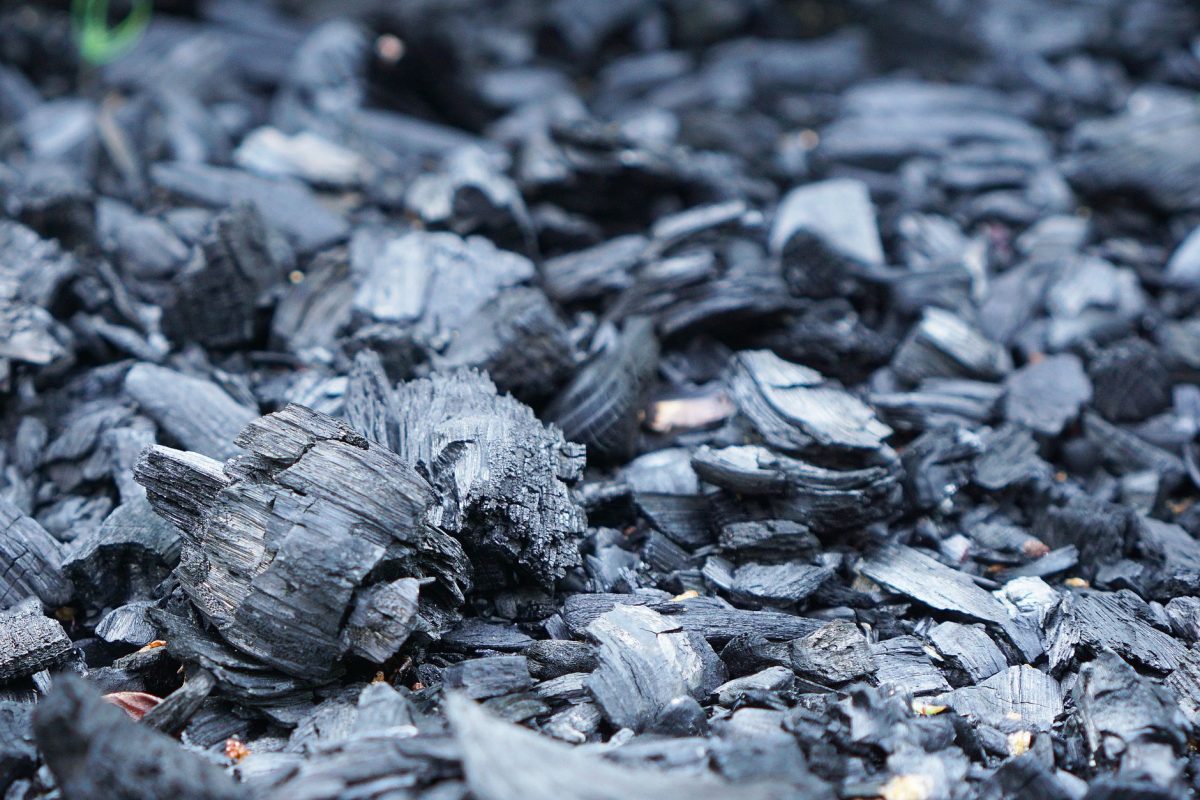
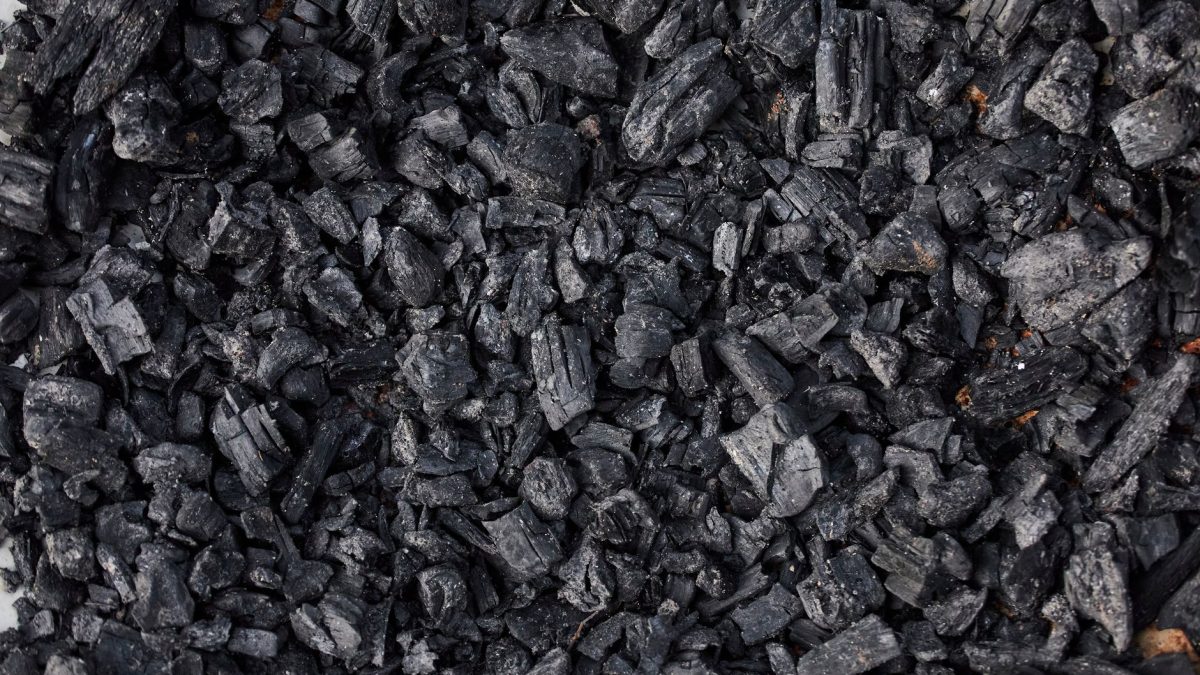
Activated carbon is charcoal that has been treated to become extremely porous. A single gram can hold a surface area larger than a tennis court, and water contaminants stick to that surface in a process called adsorption. Think of it as a sponge for odours and chemicals rather than a sieve for solids.
This is why almost every home purifier hides a carbon stage. On my own setup, the carbon cartridge is the reason my tank water tastes clean rather than of chlorine and wet mud after the pump kicks in.
What carbon removes well
- Chlorine and chloramine, the main source of that pool-water smell (activated carbon chlorine removal is its signature job).
- Bad tastes and odours, including the earthy, musty notes common after rain.
- Many organic compounds, pesticides, and some industrial solvents.
- Chlorine by-products such as trihalomethanes.
What carbon does not remove
This is the part beginners miss, and it matters for safety. Standard carbon does little for the things you often care about most in well and borewell water.
- Dissolved salts and high TDS (that needs reverse osmosis).
- Hardness (calcium and magnesium), which needs a softener.
- Most heavy metals like arsenic and lead, unless the carbon is specially formulated for them.
- Bacteria, viruses, and cysts (carbon can even become a home for bacteria if left too long).
- Nitrates and fluoride.
Safety note: Carbon improves taste, but clear, good-tasting water can still be microbiologically unsafe. If your source is a private well or borewell, get it tested at a certified lab before trusting it for drinking, and disinfect when results call for it.
Carbon block vs GAC: which type should you pick?
The two common formats are granular activated carbon (GAC) and carbon block. Both use the same raw material, but the way it is packed changes performance. GAC is loose granules that water flows through quickly; carbon block is fine carbon powder compressed into a solid cartridge.
| Feature | Carbon block | Granular (GAC) |
|---|---|---|
| Filtration fineness | Fine, often 0.5-10 microns | Coarser, limited sediment capture |
| Contact time | Longer, better adsorption | Shorter, faster flow |
| Sediment holding | Good (also acts as a fine filter) | Poor |
| Clogging | Clogs faster on dirty water | Slower to clog |
| Flow rate | Lower | Higher |
| Best for | Drinking-water taps, final polish | Whole-house, high-flow points |
For a kitchen drinking tap, I lean toward carbon block because the finer structure gives cleaner water and catches fine grit too. For whole-house use where flow matters, GAC keeps water pressure comfortable across taps and showers. If your incoming water carries visible sediment, add a sediment stage first so the carbon is not doing two jobs at once.
Tip: Always run a sediment filter ahead of carbon. On my line, a simple pre-filter roughly tripled how long each carbon cartridge lasted, because the carbon stopped choking on sand and silt. Our step-by-step sediment filter install walks through it.
When to change a carbon filter
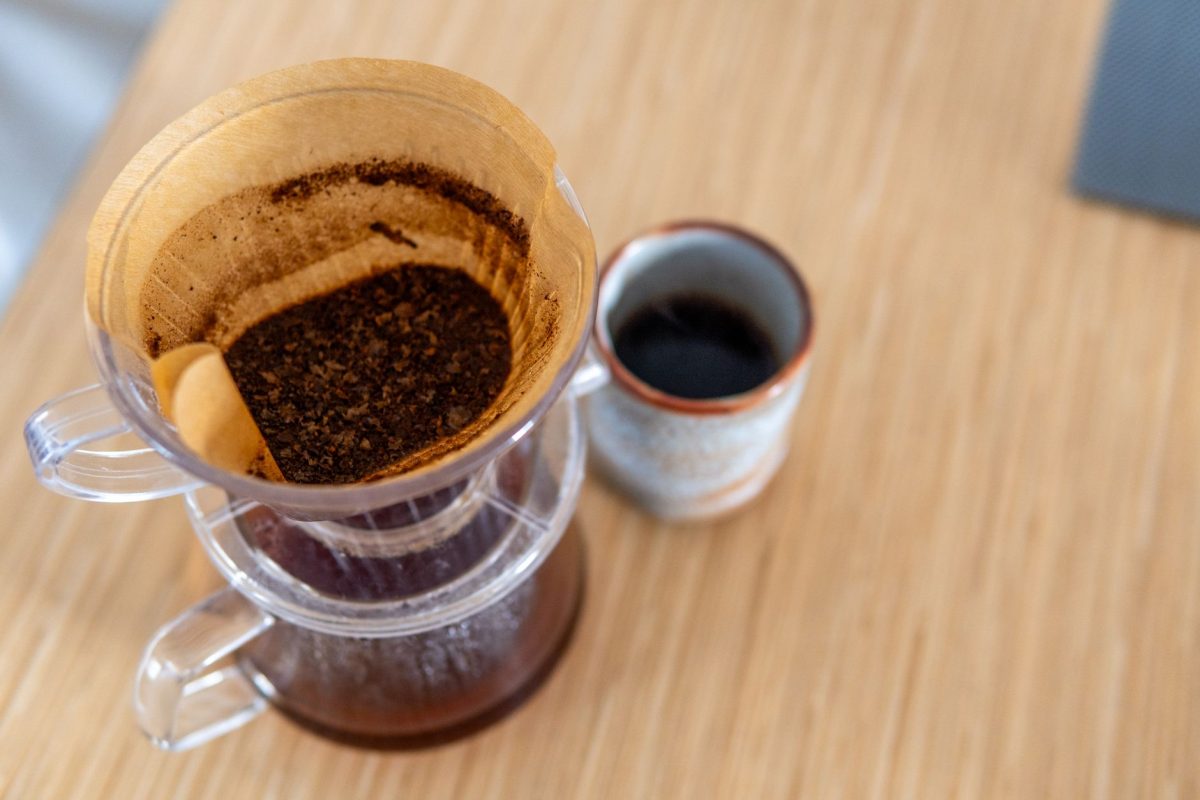
Carbon does not last forever. Once every pore is occupied, it stops adsorbing and can even release trapped contaminants back into the water, a problem called dumping. Knowing when to change a carbon filter keeps your water honest.
As a rough guide, most home cartridges last 3-6 months, or about 2,000-4,000 litres. Heavy chlorine, high sediment, or a large family shorten that window. Rather than trusting the calendar alone, use these steps.
- Note the install date on the housing with a marker the day you fit a fresh cartridge.
- Taste and smell your water weekly; a returning chlorine or musty note means the carbon is fading.
- Watch the flow: a sharp pressure drop on a block filter usually means it is clogged, not just spent.
- Check the maker’s litre or month rating and treat it as a ceiling, not a target.
- Change the cartridge, flush the new one for a minute or two, then reset your date note.
In my experience, a decent replacement cartridge runs roughly ₹300-₹1,200 depending on size and quality, and skipping a change to save that is a false economy. Old carbon quietly stops working long before it looks dirty.
Where carbon fits in your wider setup
Carbon is a team player, not a solo act. A sensible order for many homes is sediment first, then carbon, then a stronger stage if your test results demand it. If your water is high in dissolved salts, carbon alone will not fix taste from TDS; that is where reverse osmosis comes in, usually with carbon sitting both before and after the RO membrane to protect it and polish the taste.
For microbiological safety on a private well, carbon is the wrong tool entirely. Follow lab guidance and, when needed, shock chlorinate and disinfect the well before relying on any downstream filter. Agencies such as the US EPA private wells program and the World Health Organization publish free guidance on what to test for and how often.
Frequently Asked Questions
What does an activated carbon filter remove?
It removes chlorine, chloramine, bad tastes and odours, many organic chemicals, pesticides, and chlorine by-products through adsorption. It does not reliably remove dissolved salts, hardness, most heavy metals, nitrates, fluoride, or microbes, so it is a taste-and-odour stage rather than a full purifier for well water.
How long does a carbon filter last?
Most home carbon cartridges last 3-6 months, or roughly 2,000-4,000 litres of water, whichever comes first. Heavy chlorine, high sediment, or a big household shorten that. The most reliable signal is your senses: when taste or smell creeps back, the carbon is spent and due for a change.
Is carbon block better than granular carbon?
It depends on the job. Carbon block filters finer and adsorbs more thanks to longer contact time, which suits drinking taps. Granular activated carbon allows higher flow with less clogging, which suits whole-house points and showers. Match the type to the flow and water quality you actually have.
Can a carbon filter remove smell from borewell water?
Often, yes. Carbon is very good at the earthy, musty, or chlorine-like smells common in borewell and monsoon-affected water. Rotten-egg (sulphur) smells may need extra treatment, and a strong odour that returns quickly usually means the cartridge is exhausted or your water needs a lab test first.
Putting it together
An activated carbon water filter is the quiet workhorse behind water that tastes and smells right, and it earns its place in nearly every home setup. Just remember its limits: pair it with sediment pre-filtration, add RO or disinfection where your test results call for it, and change the cartridge on time. If you want to see how carbon slots into the bigger picture, browse our complete guide to choosing a water treatment system and build your setup one confident stage at a time.