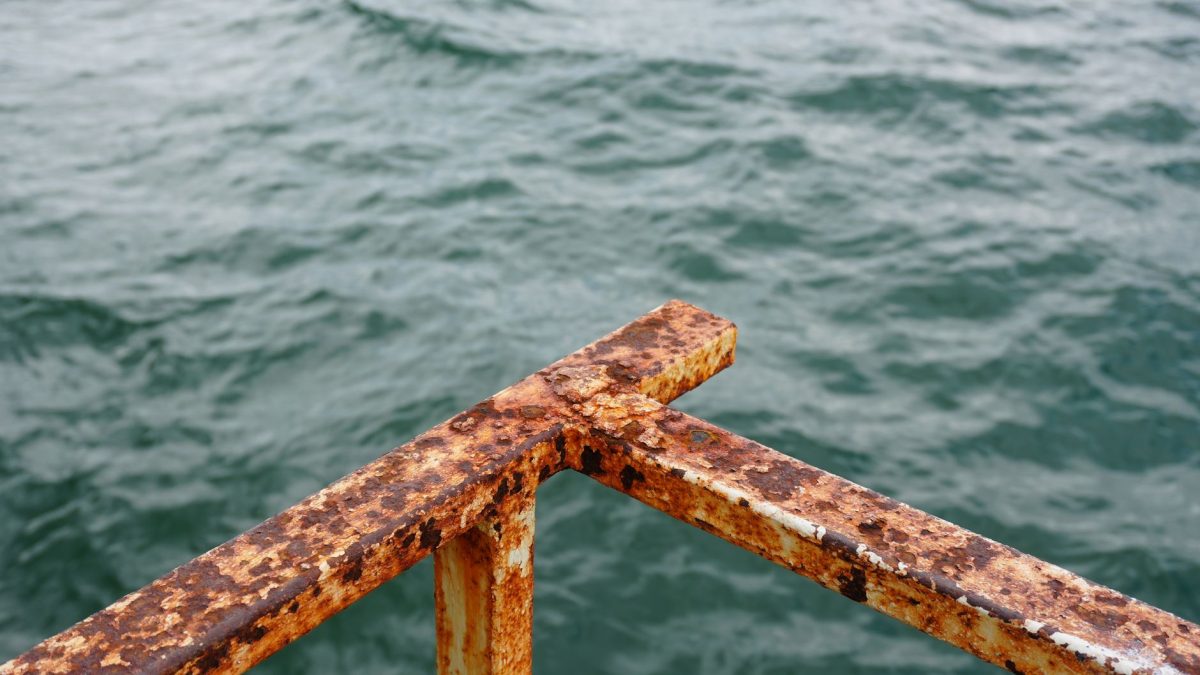
The first sign is almost never the water itself. It is the rust-orange ring in the toilet cistern, the brown streak down the bathroom tiles, or laundry that comes out looking dirtier than it went in. That is dissolved iron, and if you want to remove iron from well water for good, the trick is knowing which kind you have before you spend a rupee on hardware.
I am Arjun Mehta, and I have run my own borewell, pump, and overhead-tank setup for more than 15 years. Iron was my very first battle, and I fixed it twice the wrong way before I got it right. This guide walks you through the real methods that work, from simple aeration to dedicated filters, and how to match one to your water instead of guessing. If you want the wider picture first, see our complete guide to choosing a home water treatment system.
Key Takeaways
- Iron comes in two main forms: clear-water (dissolved) iron and red-water (already rusted) iron. The fix depends on which you have.
- A lab test is the cheapest step you will take. Aim to know your iron level in mg/L, your pH, and whether iron bacteria are present.
- Most homes with iron above roughly 0.3 mg/L need an oxidation-plus-filter approach, not a plain cartridge.
- Expect to budget somewhere around 15,000 to 60,000 rupees for a whole-house iron system, plus small yearly costs for media and salt.
- An RO unit removes iron at one tap, but it is a drinking-water polish, not a whole-house iron solution.
First, know which iron you are fighting
Iron in well and borewell water is not one problem. It shows up in different forms, and a method that works on one form can do nothing for another. Skip this step and you end up blaming a perfectly good filter.
- Ferrous (clear-water) iron: dissolved and invisible. The water looks clear from the tap, then turns orange after it sits in a bucket or bathtub. This is the most common borewell type.
- Ferric (red-water) iron: already oxidised into rusty particles. The water looks tinted or cloudy the moment it comes out.
- Iron bacteria: a slimy, reddish-brown sludge in cisterns and tanks. Not usually a health danger by itself, but it clogs filters and needs disinfection, not just filtration.
- Organic-bound iron: iron tied to tannins, often with a yellow-brown tea colour. It is the stubborn one and often needs specialised treatment.
On my own borewell the water ran perfectly clear into a glass, then stained the sink overnight. That is textbook ferrous iron, and it points you straight toward an oxidation-based method rather than a simple sediment screen.
Test before you treat
You cannot size an iron system by eye. Get a water report from a certified lab, or at minimum a good home kit, and look for four numbers. The World Health Organization notes that iron above roughly 0.3 mg/L is where staining and taste complaints usually begin (see the WHO for drinking-water guidance).
- Total iron (mg/L): tells you how aggressive a system you need.
- pH: oxidation works far better above about 7.0. Low pH can stall an iron filter.
- Manganese: the partner mineral that causes black or grey staining and often rides along with iron.
- Iron bacteria or hydrogen sulphide: the rotten-egg smell that changes your treatment plan.
For safety-related results such as bacteria, the U.S. EPA private wells pages are a solid, non-commercial reference. If your report flags coliform along with iron, treat the safety issue first.
The main iron removal methods, compared
Here is how the common approaches stack up. The first three are oxidation-based: they turn dissolved iron into particles a filter can catch.
Aeration iron removal
Aeration exposes water to air, either by spraying it into a tank or bubbling air through it, so oxygen converts ferrous iron into filterable rust. It uses no chemicals and handles high iron well, which makes aeration iron removal a favourite for heavy borewell cases. The trade-off is space and a small pump or blower.
Oxidising media filters (greensand and catalytic types)
This is the workhorse for most homes. A tank of catalytic media, such as manganese greensand or a modern equivalent, oxidises iron on contact and traps the particles, then backwashes them to drain on a timer. A greensand filter for iron is proven up to moderate-to-high levels, though greensand itself needs periodic regeneration with potassium permanganate. It pairs naturally with oxidation iron water treatment done just ahead of the tank.
Chlorination plus a filter
For very high iron, or when iron bacteria are in the picture, a small chlorine dose oxidises iron fast and disinfects at the same time. A contact tank then a carbon or media filter finishes the job. If bacteria are your real problem, our guide on how to shock chlorinate and disinfect your well safely is the right starting point.
Water softener (ion exchange)

A salt-based softener can strip small amounts of clear-water iron along with hardness, which is handy if you already need one. But push it past roughly 1 to 3 mg/L of iron and the resin fouls, so it is a bonus, not a dedicated iron cure.
Reverse osmosis (RO)
RO removes iron effectively but only at the single tap it feeds, and iron will clog its membrane quickly unless it is filtered upstream. Treat RO as your drinking-water polish, not a whole-house answer. Our explainer on how RO water filters actually work covers why.
| Method | Best iron type | Rough capacity | Typical cost (INR) | Watch out for |
|---|---|---|---|---|
| Aeration + filter | Clear and red-water, high levels | Very high | 25,000 to 60,000 | Needs space and a blower |
| Greensand / catalytic media | Clear and red-water, moderate to high | Up to about 10-15 mg/L | 18,000 to 45,000 | Backwash water, media regeneration |
| Chlorination + filter | Very high, plus iron bacteria | Very high | 20,000 to 50,000 | Handling and dosing chlorine |
| Water softener | Clear-water, low only | About 1-3 mg/L | 15,000 to 40,000 | Resin fouls at higher iron |
| Reverse osmosis | Any, one tap only | Low at point of use | 8,000 to 25,000 | Pre-filter needed, slow flow |
How to match a method to your water, step by step
Once you have a test in hand, the decision is fairly mechanical. Here is the sequence I use when a neighbour asks me to look at their staining problem.
- Confirm your iron level and pH from the lab report. Note whether the water is clear or already tinted at the tap.
- If iron bacteria or a rotten-egg smell shows up, plan to disinfect first. Filtration alone will not clear a bacterial slime.
- For low iron under about 1 mg/L, especially with hardness, a softener may be enough on its own.
- For moderate iron of roughly 1 to 10 mg/L, choose a greensand or catalytic media filter, and add an oxidation step if your pH is low.
- For very high iron above about 10 mg/L, go with aeration or chlorination ahead of the filter so the media is not overwhelmed.
- Add a whole-house sediment pre-filter first in every case. Our walkthrough on how to install a whole-house sediment filter yourself shows the easy version.
- Keep a point-of-use RO at the kitchen for drinking, downstream of everything else.
Tip: Before you commit to expensive media, do the bucket test. Draw a bucket, cover it, and check it after 24 hours. Clear water that turns orange means ferrous iron and points to oxidation. Water that is rusty straight from the tap is already oxidising in your pipes, and a media filter alone will often handle it.
Installation and upkeep, from experience
My first fix was a cheap cartridge filter meant for city sediment. It stained brown and clogged inside two weeks because it never oxidised the dissolved iron, it just strained water that was still full of it. My second attempt, a small softener, worked for a season and then the resin fouled orange because my iron was near 4 mg/L, well past what a softener should carry.
What finally worked was a catalytic media tank with an aeration step ahead of it, sized to my roughly 4 mg/L iron. In my experience a proper whole-house iron system runs somewhere around 20,000 to 45,000 rupees installed, with modest running costs: backwash water, a media top-up every few years, and salt if a softener sits in the chain.
Two habits keep it healthy. Make sure the backwash cycle runs and drains freely, because a filter that never flushes turns into a rust trap. And clean your overhead tank each year, since settled iron sludge will re-cloud water no filter downstream can fix.
Warning: Iron staining is mostly an aesthetic issue, but iron bacteria and the smell that comes with them can signal other contamination. If your test ever shows coliform or E. coli, do not treat this as a cosmetic fix. Confirm safety with a certified lab and, where needed, a qualified professional before you drink the water.
Frequently Asked Questions
What is the best way to remove iron from water?
There is no single best method, only the best match for your iron type and level. For most homes with clear-water iron above 0.3 mg/L, an oxidation step followed by a catalytic media or greensand filter is the reliable choice. Very high iron often needs aeration or chlorination first.
Does an RO system remove iron?
Yes, reverse osmosis removes iron effectively, but only at the single tap it serves, and iron can foul the membrane fast without a pre-filter. Use RO as a drinking-water polish at the kitchen sink, downstream of your main iron treatment, rather than as a whole-house solution.
How do iron filters work?
Most iron filters oxidise dissolved ferrous iron into solid rust particles, then trap those particles in a bed of catalytic media such as manganese greensand. On a timer, the filter backwashes, flushing the collected iron to drain and refreshing the media so it is ready for the next cycle.
Will a water softener remove iron from well water?
A softener can remove small amounts of clear-water iron along with hardness, roughly up to 1 to 3 mg/L depending on the resin. Beyond that the iron fouls the resin bed and shortens its life. If iron is your main issue, use a dedicated iron filter and keep the softener for hardness.
Is iron in well water dangerous to drink?
Iron is mainly a nuisance, causing stains, a metallic taste, and clogged fixtures rather than direct harm at typical levels. That said, iron bacteria or a rotten-egg smell can hint at other problems. If you are unsure, have a certified lab test for bacteria and confirm safety before drinking.
Putting it all together
Removing iron is far less about buying the fanciest tank and far more about testing first, then matching the method to your water. Nail the iron type, the level, and the pH, and the right choice from aeration to a greensand filter usually picks itself. If you are still weighing the bigger setup, take a slow read through our guide to choosing the right home water treatment system and treat that as your map before you shop.