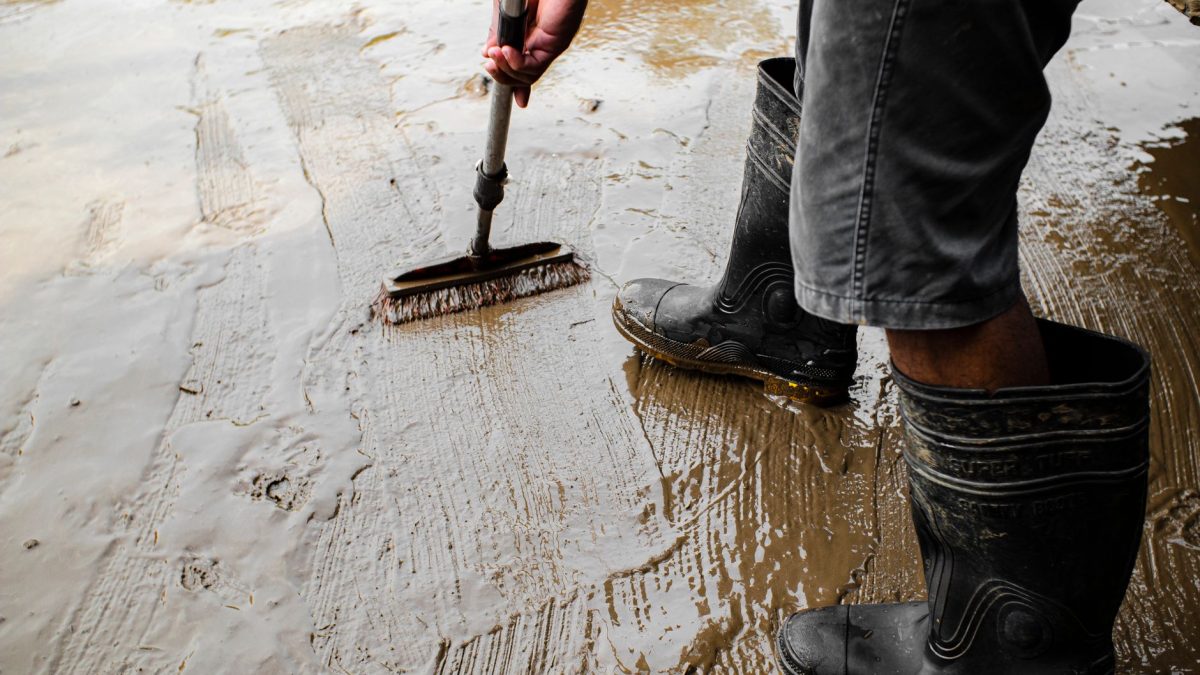
The first real downpour of the season taught me a lesson I never forgot: I filled a glass from my kitchen tap and it came out the colour of weak tea. My borewell had run clear for months, and then one night of heavy rain changed everything. If you have ever seen your water turn cloudy, smell faintly earthy, or clog a fresh filter cartridge in days, you are not imagining it. After 15+ years running my own borewell, pump, and overhead-tank setup through every monsoon, I have learned the exact monsoon water treatment tips that keep a home supply safe when the rains roll in. This guide walks you through why water changes in the wet season and what to actually do about it.
Key Takeaways
- Monsoon rains push surface runoff, silt, and bacteria into shallow aquifers, so borewell and open-well water often turns turbid and riskier within a day or two of heavy rain.
- Test your water more often in the rainy season, a simple bacteria check every 3-4 weeks is sensible if your source is shallow or you have flooding nearby.
- Sediment loads spike, so filter cartridges can clog 2-4 times faster; keep spares and clean pre-filters weekly.
- Never assume the rains “clean” your water, cloudy water usually means more contamination, not less.
- Layer your defences: settle, pre-filter for sediment, then disinfect (UV or chlorination) before drinking.
Why the monsoon changes your water overnight
Rainy season water safety starts with understanding what the rain actually does underground. In the dry months, water sits deep and moves slowly, so silt and microbes settle out before they ever reach your pump. Heavy rain flips that on its head.
Three things happen almost at once. Surface water carrying mud, leaf litter, and animal waste seeps down through cracks and loose soil. The water table rises fast, stirring up sediment that was resting at the bottom. And in areas with poor drainage, standing water can flow straight into a poorly sealed wellhead or casing.
Why does borewell water get muddy in the monsoon?
Borewell water in monsoon turns muddy mainly because the aquifer recharges quickly and pulls fine clay and silt along with the fresh water. Shallow borewells (under about 100 feet) are the worst affected because they tap the same shallow layers that the rain reaches first. A deep, well-cased borewell usually stays clearer, but even those can cloud up if the annular space around the casing was never sealed properly.
On my own borewell, the first monsoon after I bought the house was a shock, clear water in June, tea-coloured water by mid-July. It turned out the top of my casing sat almost flush with the ground, so runoff was pooling right at the wellhead. Raising and sealing that collar made a bigger difference than any filter I bought.
Warning: Cloudy monsoon water is not just an aesthetic problem. Turbidity shields bacteria and viruses from UV light and uses up chlorine before it can disinfect. Treat visibly muddy water as potentially unsafe until you have settled, filtered, and disinfected it, or confirmed it clean with a certified lab.
The three monsoon threats, and how to counter each
Rather than treating “bad monsoon water” as one problem, it helps to break it into the three specific threats that spike in the rains. Each has a different fix, and getting the order right matters.
| Monsoon threat | What you notice | Your first line of defence |
|---|---|---|
| Turbidity / sediment | Cloudy, brown, or gritty water; filters clog fast | Let water settle in the tank, then a sediment pre-filter (20 then 5 micron) |
| Bacteria / microbes | No visible change, but higher illness risk; earthy smell | UV purifier or shock chlorination after the water is clear |
| Dissolved / chemical load | Odd taste, sometimes from farm runoff or fertiliser | Activated carbon; RO only if truly needed and water is pre-filtered |
Turbid water treatment: settle first, filter second
The cheapest monsoon upgrade is patience. If your overhead or storage tank is large enough, cloudy water left to stand for a few hours drops most of its heavy sediment to the bottom. Draw your supply from a point a little above the tank floor, not from the very bottom, and you skip a huge amount of the grit before it ever touches a cartridge.
After settling, a two-stage sediment pre-filter does the heavy lifting. In my experience a good spun and pleated cartridge combo costs roughly ₹300, ₹900 per set and saves your expensive downstream UV or RO membrane from clogging. Buy several, you will replace them far more often in July than in January.
Bacteria: the invisible monsoon risk
The dangerous part of monsoon water is the part you cannot see. Runoff carries coliform and other bacteria into shallow sources, and the rains are when waterborne illness spikes in most Indian towns. Disinfection is non-negotiable if your water is used for drinking.
Two reliable options: a UV purifier for continuous point-of-use treatment, or periodic shock chlorination of the well itself after a contamination event or flooding. UV only works on clear water, so it must sit after your sediment filters. I wrote up my own results in the story of fitting a UV purifier to my borewell, the short version is that it works beautifully, but only if the water reaching it is already clear.
Your monsoon water routine, step by step
Here is the seasonal routine I run every year, from the first heavy rain onward. It takes maybe an hour to set up and a few minutes a week to maintain.
- Inspect the wellhead before the rains. Make sure the casing rises above ground level and the seal or collar is intact so runoff cannot pour straight in.
- Clean the overhead tank. A pre-monsoon scrub removes settled sludge that would otherwise mix with fresh sediment.
- Fit or refresh a sediment pre-filter. Start the season with new 20-micron and 5-micron cartridges and keep spares on the shelf.
- Let water settle. Where possible, draw stored water rather than running muddy water straight from the pump into your filters.
- Disinfect. Run clear water through a UV unit, or shock chlorinate after any flooding near your source.
- Test regularly. Do a bacteria check every 3-4 weeks through the peak monsoon, and after any incident of very muddy or foul-smelling water.
- Log clogging. Note how fast your pre-filter fouls; a sudden jump often means a new contamination path opened up.
Tip: Keep a clear glass jar handy. Each morning in the monsoon, I fill it from the tap and set it on the windowsill. If it looks cloudy, smells earthy, or throws sediment to the bottom within minutes, that is my cue to check filters and hold off on drinking untreated water. It is the cheapest early-warning system there is.
Seasonal water filter care during the rains
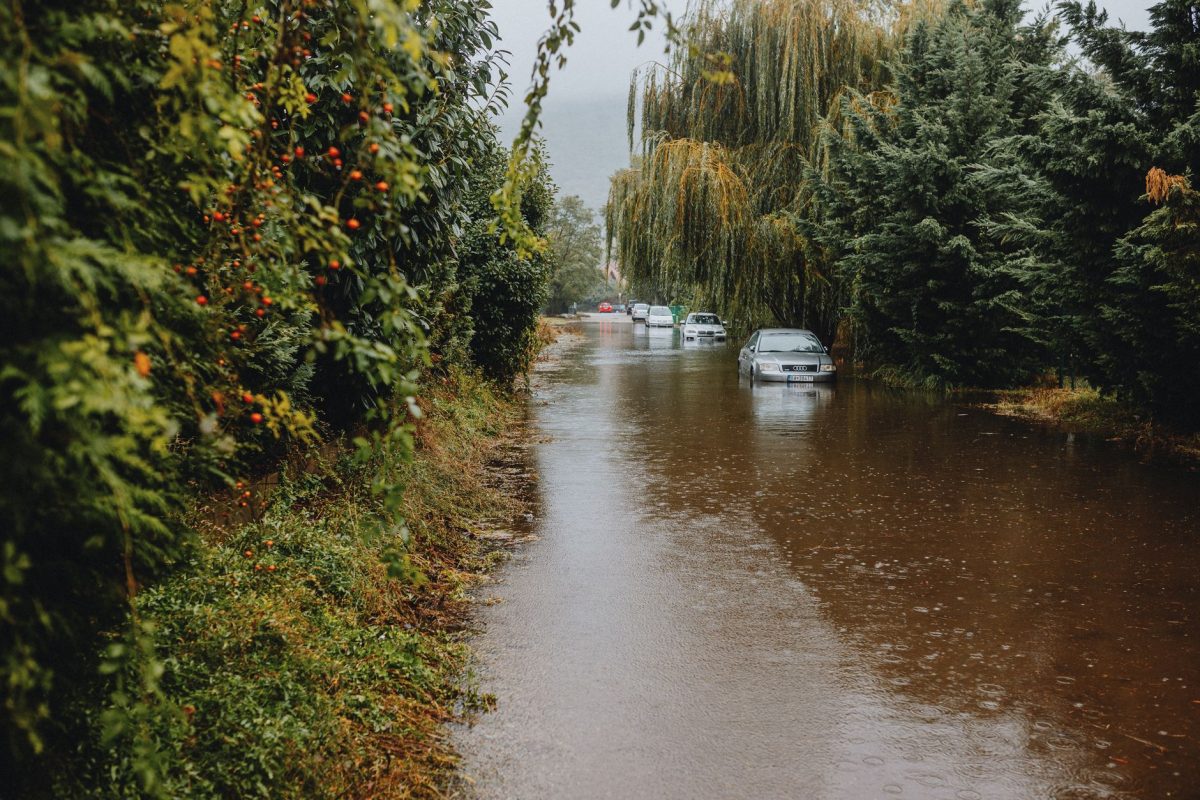
Filters take a beating in the monsoon. The single biggest mistake I see is people running the same cartridge for months and wondering why their pressure has dropped and their water still tastes off. A clogged sediment filter does not just slow your flow, it can channel unfiltered water around itself and even become a breeding ground for bacteria.
How do I stop filters clogging during the monsoon?
You cannot fully stop it, but you can stay ahead of it. Add a coarse sediment stage before your fine filter so the cheap cartridge takes the abuse. Rinse washable pleated pre-filters weekly. Shorten your replacement interval, if a cartridge normally lasts three months, expect closer to three to six weeks at the height of the rains. And always settle water first, so your filters handle a fraction of the sediment they otherwise would.
Avoiding these clogging traps is part of a wider set of habits. If you want the full list of pitfalls, our roundup of common water filter and treatment mistakes to avoid covers the ones that quietly ruin water quality year-round, not just in the rains.
Should I test water more often in the rainy season?
Yes, testing frequency should climb in the monsoon. Bacteria levels change fast, and a source that tested clean in April can carry coliform in August. For guidance on safe limits, the Bureau of Indian Standards publishes drinking-water specifications, and the World Health Organization offers general water-safety guidance. When in doubt, send a sample to a certified lab, home strips are a useful screen, not a verdict.
Choosing which treatment to invest in depends on what your water actually contains, and that varies enormously by region and season. If you are building your system from scratch, start with our complete guide to choosing the right home water treatment system, then layer the monsoon habits above on top of whatever you install.
Frequently Asked Questions
Why does borewell water get muddy in the monsoon?
Heavy rain recharges the aquifer quickly, pulling fine clay and silt into the fresh water and raising the water table so settled sediment gets stirred up. Shallow borewells are hit hardest because they draw from the same layers the rain reaches first, and a poorly sealed wellhead lets muddy runoff in directly.
Should I test my water more often in the rainy season?
Yes. Bacteria and turbidity can change within a day of heavy rain, so a source that tested clean in the dry months may not be safe now. Aim for a bacteria check every three to four weeks during peak monsoon, and always test after flooding or any spell of very cloudy, foul-smelling water.
How do I stop my filters clogging during the monsoon?
Settle water in a tank before filtering, add a coarse sediment stage ahead of your fine cartridge, and rinse washable pre-filters weekly. Expect to replace cartridges two to four times more often than in the dry season, so keep spares on hand. Skipping replacements risks channelling and bacterial growth inside the filter.
Is it safe to drink cloudy monsoon water after boiling it?
Boiling kills bacteria and viruses, but it does not remove sediment, and heavy turbidity can shield some microbes. Let cloudy water settle and filter out the grit first, then boil for a rolling minute or more. For long-term safety, confirm your water with a certified lab rather than relying on appearance alone.
Does a UV purifier work on muddy monsoon water?
Not on its own. UV light needs clear water to reach and inactivate microbes, suspended sediment casts shadows where bacteria survive. Always place UV after your sediment pre-filters so the water arriving at the lamp is already clear. During the monsoon, check and replace those pre-filters far more frequently than usual.
Putting it together
The monsoon does not clean your water, it stress-tests it. Cloudier, more bacteria-prone, and harder on filters, your supply needs a seasonal shift in habits rather than a single gadget. Seal your wellhead, settle before you filter, disinfect only clear water, and test more often than you think you need to. Do that and the rains become a manageable nuisance instead of a health risk. When you are ready to plan the whole system properly, our guide to choosing a home water treatment system is the natural next step, build the right foundation once, and each monsoon gets easier.