A neighbour of mine flew off for a two-week wedding trip and came home to a warped floor and a stained ceiling. A cheap supply hose behind his washing machine had let go on day three, and his pump kept happily refilling the leak for eleven days straight. That cleanup taught me more about why you should shut off water before vacation than any manual ever did.
In 15 years of running my own borewell, pump, and overhead-tank setup, I have made this shutdown a fixed part of packing. Below is the exact five-minute routine I follow, so you leave home knowing a burst line cannot quietly flood the place while you are away.
Key Takeaways
- The single most important step is cutting power to the pump, because a running pump is what turns a small drip into a flood.
- A full shutdown takes about 5-10 minutes and protects against the two biggest risks: burst hoses and slow hidden leaks.
- For trips longer than 3-4 days, also switch off the geyser and drain the pressure from your lines.
- Leave one tap open after shutting the main valve so trapped water can escape instead of building pressure.
- Never fully drain a system you do not understand: know where your main valve, pump switch, and tank outlet are first.
Should you turn the water off at all?
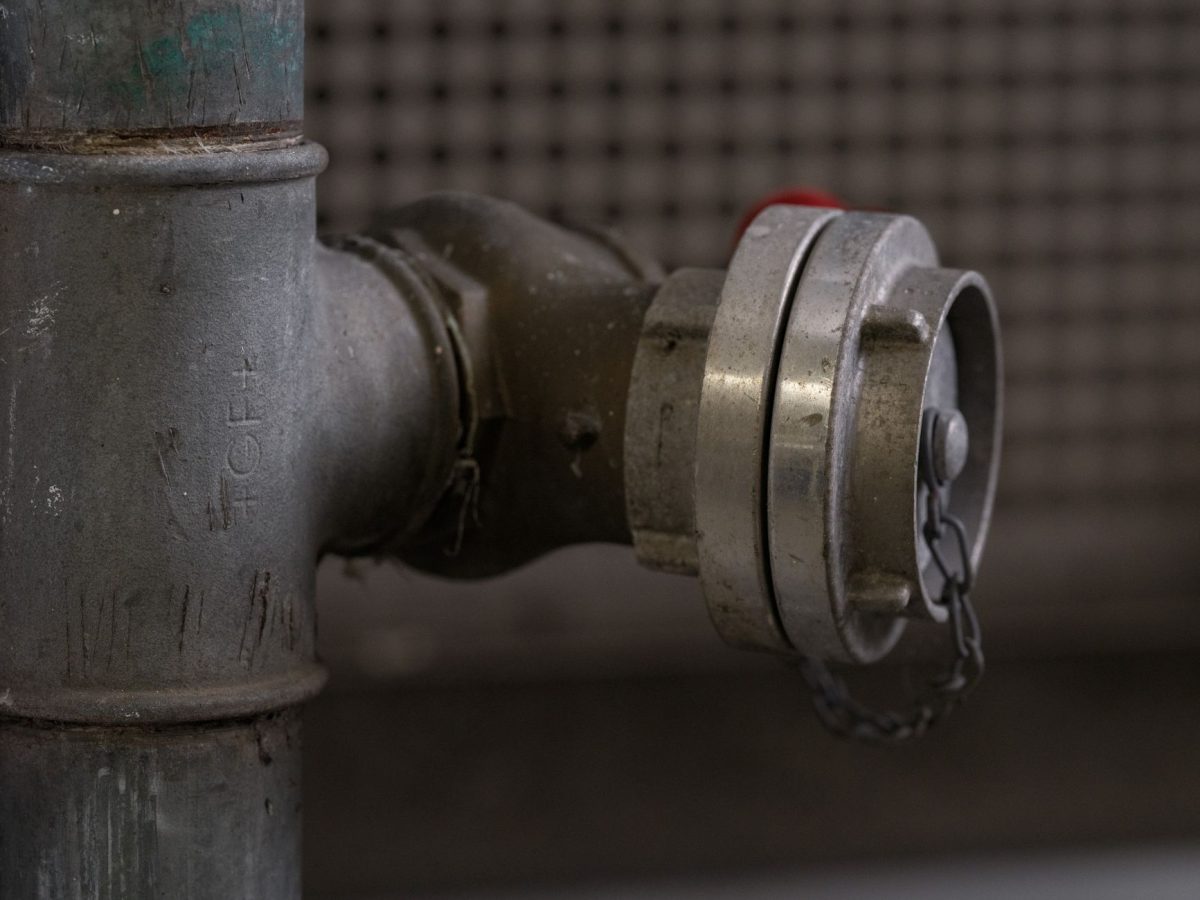
For any trip longer than an overnight stay, yes. While you are away, water pressure sits constantly against every joint, washer, and hose in your home. Those parts fail without warning, and the failures that flood a house almost always happen when nobody is there to hear the hiss.
A weekend away is lower risk, but the shutdown still costs you nothing. For a week or more, treating it as non-negotiable is the sensible call. If the parts feel unfamiliar, our beginner walkthrough on how your home water system works makes the layout click.
Where homes flood most often
Knowing the usual culprits tells you why the pump switch matters so much. These are the spots that quietly give way when a house sits empty.
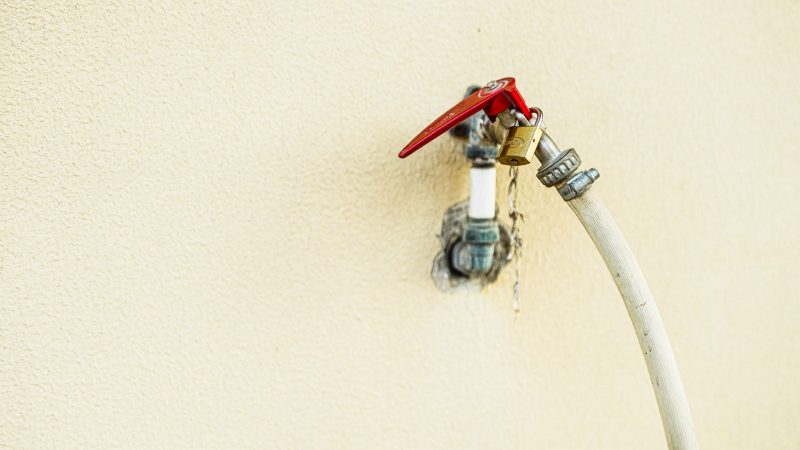
- Washing machine and dishwasher hoses: braided supply lines age and split, often at the crimped ends.
- Toilet fill valves and connectors: a worn washer can weep steadily for days.
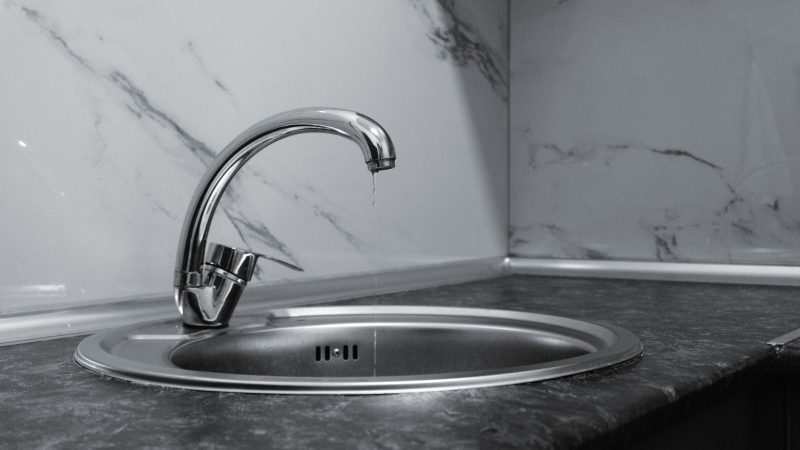
- Old brass taps and mixers: a slow drip becomes a real leak once a seal finally goes.
- Geyser tank and relief valve: a corroded inlet or stuck valve can dump the tank contents.
- Pipe joints under sinks: vibration and pressure loosen fittings you never think about.
Your vacation plumbing checklist
Here is the order I work through before leaving home water supply unattended. Do it the evening before you travel, not in the frantic rush to the airport, so you can move calmly and double-check as you go.
- Switch off the pump. Turn the pump off at its switch or breaker. This is the master move: with no pump, even a burst line cannot keep feeding water. Do this first.
- Close the main supply valve. Find the main valve where water enters your home or leaves the overhead tank, and turn it fully clockwise until it stops.
- Open a low tap to bleed pressure. Open a ground-floor tap and let the leftover water run out. This releases the pressure sitting in your pipes so nothing pushes against a weak joint.
- Shut off appliance valves. Close the small isolation valves behind the washing machine, dishwasher, and any water purifier. These hoses are the top flood risk.
- Turn off the geyser. Switch the water heater off at the wall. For long trips, close its inlet valve too so a heater leak cannot drain your tank.
- Check the toilets and taps. Confirm no cistern is running and no tap is left cracked open upstairs where you might not have bled the pressure.
- Do a final walk-around. Listen for any hiss or drip, glance under sinks, and confirm the pump really is off before you lock up.
Tip: On my own setup I stuck a small laminated card next to the pump switch listing these seven steps in order. When I am tired and rushing, I do not trust my memory, I just work down the card. It has saved me from forgetting the geyser valve more than once.
How far to go, by trip length
You do not need to fully drain the house for a two-day trip. Match the effort to how long the place sits empty. This is roughly how I scale my own shutdown.
| Trip length | What to do | Why |
|---|---|---|
| 1-2 nights | Pump off, close appliance valves | Cuts the biggest flood risk in under a minute |
| 3-7 days | Pump off, main valve closed, pressure bled, geyser off | No pressure means no burst; stored tank water stays put |
| 1-3 weeks | All of the above, plus drain pipes near taps | Empty lines cannot leak, freeze, or stagnate |
| Over a month | Full drain-down, consider a friend checking in | Long stagnation and seal drying need a real reset on return |
Do you need to switch off the pump too?
This is the question I get most, and the answer is a firm yes. Closing the main valve alone still leaves a pump ready to pressurise anything downstream of it. If a fitting fails between the pump and that valve, or the valve does not seat fully, the pump can run dry or flood a room.
Cutting power removes that risk completely. A pump that cannot start cannot force water anywhere. It also protects the motor from short-cycling or burning out if the system loses prime while you are gone.
Draining pipes before travel
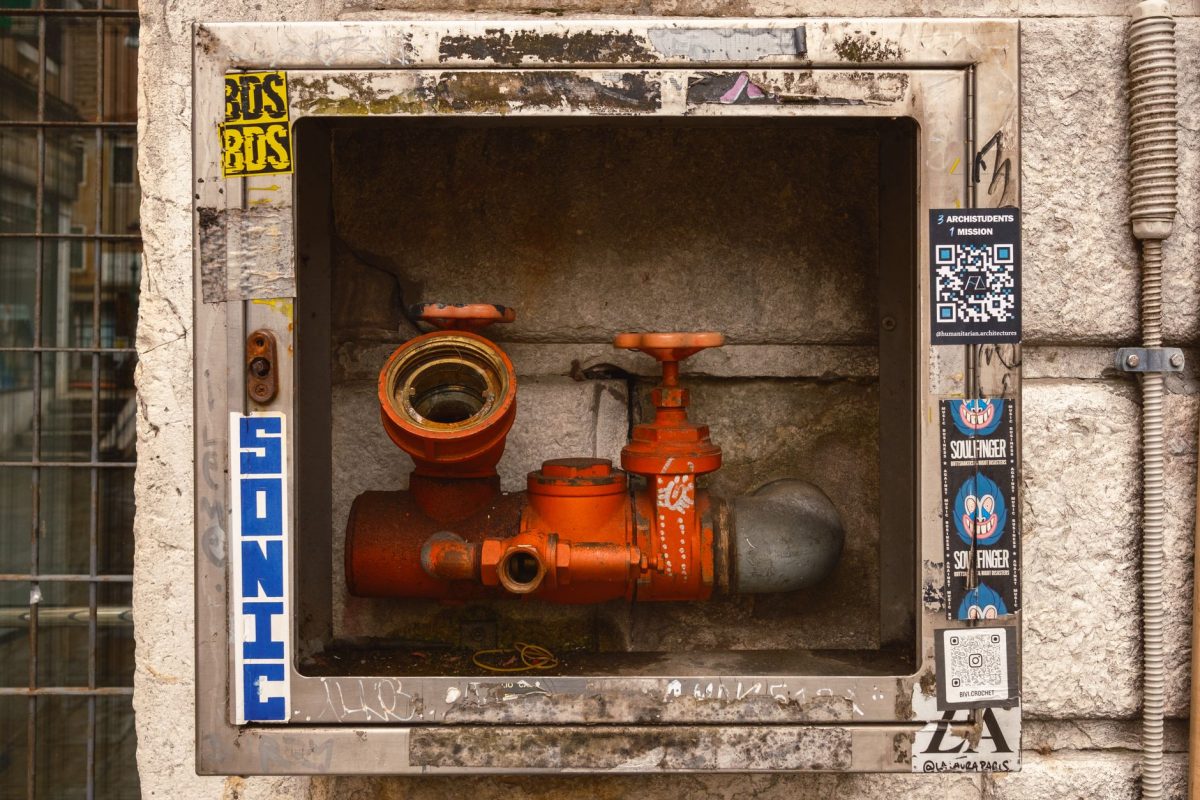
For longer trips, emptying the lines removes the last bit of risk. Once you drain pipes before travel, there is simply no water sitting there to leak, and in cold regions, nothing to freeze and crack a fitting.
- With the pump off and main valve closed, open the highest and lowest taps in the house.
- Let gravity pull the water down and out through the lowest open tap or drain point.
- Flush each toilet once to empty the cisterns, then leave the lids open so nothing stagnates sealed.
- Leave taps in the open position while you travel so no pressure or vacuum builds up.
The same care that keeps your system healthy year-round applies here. Our complete guide to home water system maintenance covers the seasonal rhythm, and it pairs with keeping your water storage tank clean and staying on top of your filter replacement schedule so you return to fresh water, not a stale tank.
A note on water safety after a long absence
Water that sits still for weeks can go stale and, in rare cases, grow bacteria in the tank or pipes. When you return, run every tap for a minute or two before drinking. If the water sat for a month or more, or smells off, get it checked by a certified lab rather than guessing. Guidance from the US CDC healthy water program and India’s Central Ground Water Board is worth a read for private-supply homes.
Frequently Asked Questions
Should I turn off my water before going away?
For any trip beyond an overnight stay, yes. Shutting the pump off and closing the main valve takes minutes and removes the pressure that causes burst hoses and slow leaks. A house sitting empty with live water pressure is the exact situation where a small failure becomes a full flood.
Do I need to switch off the pump too?
Yes, and it is the most important step. A pump left on can keep pressurising your pipes and feed any leak that develops. Cutting power at the switch or breaker means no water can be forced anywhere, and it also protects the motor from running dry if the system loses prime while you are away.
How do I stop leaks while I am gone?
Cut the pump power, close the main valve, and bleed pressure by opening a low tap. Then shut the small valves behind your washing machine, dishwasher, and purifier, since those hoses fail most often. With no pressure and no pump, a leaking fitting has nothing left to spill and stays dry.
Should I drain my water tank before a long trip?
Usually no. A sealed, full overhead tank is fine for a few weeks and gives you water the moment you return. For very long absences of a month or more, draining and cleaning it before you leave avoids stagnation, so you come home to a fresh tank rather than one you have to flush out.
Is the water safe to drink when I get back?
After a short trip, run the taps for a minute and it is usually fine. After several weeks of standing water, flush the lines longer and consider testing. If the water looks cloudy, smells strange, or the system sat for over a month, confirm safety with a certified lab before drinking it.
Leaving home with peace of mind
A flooded home is one of the few travel disasters that is almost entirely preventable, and the fix costs you five quiet minutes at the pump switch. Cut the power, close the valve, bleed the pressure, and shut those appliance hoses. Do that and the worst your empty house can do is gather a little dust. For the wider routine that keeps your system reliable in every season, our year-round maintenance schedule is a good place to browse whenever you get back, unpacked and unhurried.