Leave a borewell pump running after the water runs out and you can wreck the motor in the time it takes to make a cup of tea. Most pumps rely on the water they push to cool and lubricate the moving parts, so a few dry minutes can scorch windings and seize seals. Good dry run protection for pump motors watches for that empty-pipe moment and cuts power before the damage starts. I’m Arjun, and after 15 years babysitting my own borewell, pump, and overhead-tank setup, I’ve seen exactly how fast a dry run turns expensive.
In this beginner primer I’ll explain what dry running actually does to a pump, how these little guards sense trouble, the main types you can buy, whether your submersible really needs one, and a simple way to fit one at home.
Key Takeaways
- Dry running is the fast killer. With no water to cool it, a pump motor can overheat and fail in roughly 2-5 minutes.
- A dry-run guard senses the loss of water (by current, pressure, or level) and trips power to the pump automatically.
- Common options range from a simple float switch to an electronic controller, costing roughly ₹300 to ₹3,000 in India.
- Submersible borewell pumps benefit most, because a dropping water table can uncover the pump without you ever noticing.
- Protection is cheaper than a rewind. A new motor or rewind can run several times the price of the guard that prevents it.
What is dry running in a water pump?
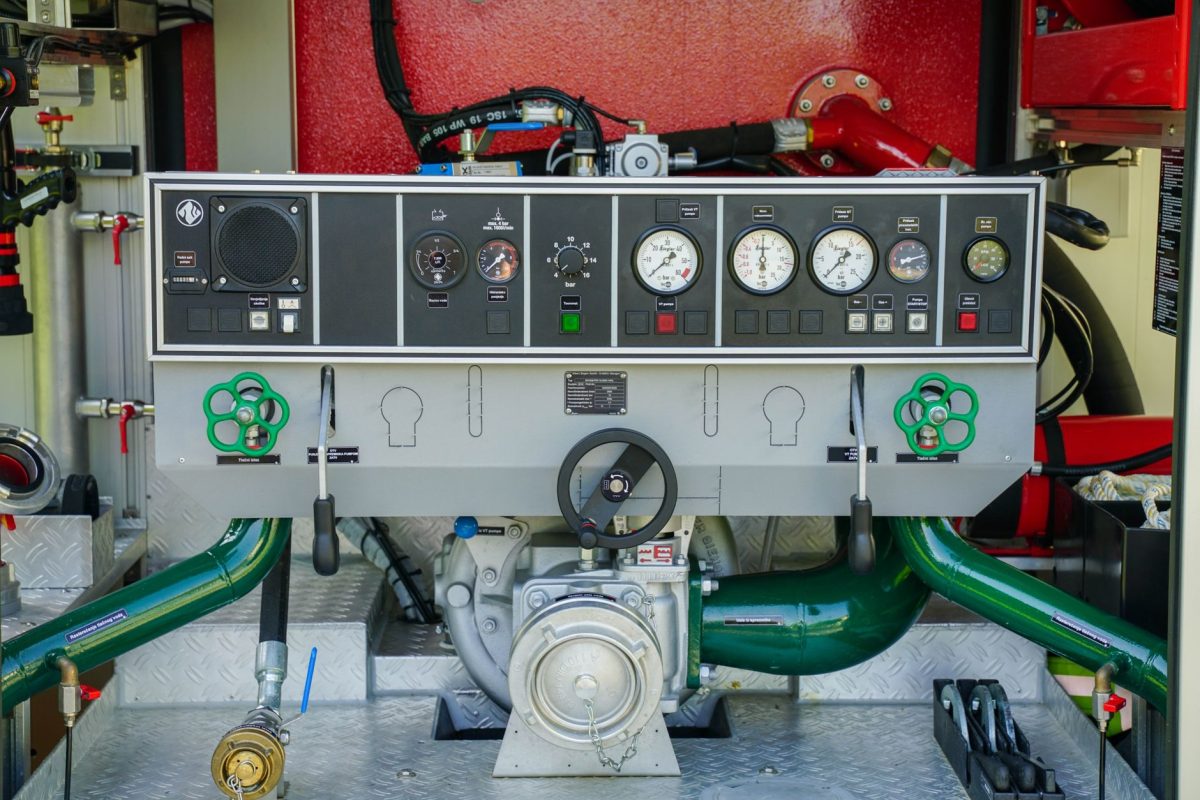
Dry running simply means the pump keeps spinning while little or no water passes through it. Your pump is built to move water, and it quietly depends on that same water to carry heat away from the motor and to lubricate the shaft seal and bearings. Take the water away and both jobs stop happening.
The usual triggers are familiar to any well owner: a borewell whose level drops below the pump in peak summer, an empty sump, a stuck foot valve, or an airlock after a power cut. In each case the motor works hard while its cooling and lubrication have vanished.
What pump dry running damage looks like
The pump dry running damage I see most often falls into a few patterns. None of them are cheap once they set in.
- Burnt windings. The motor overheats, insulation fails, and the winding shorts, meaning a rewind or a new motor.
- Melted seals. The mechanical seal runs dry, glazes, and starts leaking, letting water creep into the motor later.
- Warped impellers. On plastic-stage submersibles, heat can deform the impellers so the pump never builds full pressure again.
- Scored bearings. Lost lubrication leaves bearings rough and noisy, shortening the life of the whole unit.
How does a dry-run protector work?
Every guard answers one question many times a second: is there still water moving through this pump? They just answer it in different ways, and the sensing method decides which one suits your setup.
- Current sensing. A pump moving water draws more current than one spinning on air. An electronic guard watches the current, and a dip below a set threshold reads as dry running.
- Pressure or flow sensing. The device watches for lost discharge pressure or flow. No pressure building up means no water is being pumped, so it trips.
- Level sensing. Probes or a float sit in the well, sump, or tank and detect when the water surface falls below a safe point. This is the classic job of a water level controller.
Better electronic units add a timed restart. After tripping, they wait a set period (often 20-40 minutes) to let the borewell recharge, then try again. That auto-retry is the difference between a smart guard and a plain cutoff.
Types of dry-run protection compared
There is no single best device, only the right one for your well and budget. A shallow sump-and-booster setup has different needs from a deep borewell. Here is how the common choices for an automatic pump cutoff stack up.
| Type | How it senses | Rough cost (India) | Best for |
|---|---|---|---|
| Float switch | Physical float in tank or sump | ₹150 to ₹500 | Overhead tanks, open sumps feeding a booster |
| Level controller with probes | Electrode probes sensing water surface | ₹600 to ₹1,500 | Sumps and tanks needing auto fill and cutoff |
| Electronic dry-run preventer | Motor current or load | ₹800 to ₹2,000 | Borewells with changing water levels |
| Pressure or flow guard | Discharge pressure or flow | ₹1,200 to ₹3,000 | Pressure systems and pumps with a pressure tank |
For a deep borewell, a current-based electronic guard usually wins, because it reacts to the actual load rather than just the tank at the top. A borewell dry run guard that senses current is also forgiving to install, since it wires into the panel rather than needing probes down the bore.
Tip: On my own borewell I pair two layers of protection, a probe-based level controller in the overhead tank and a current-sensing guard at the pump panel. The tank controller handles normal filling, and the current guard is my backup for the day the borewell itself runs shy in May. Belt and braces has saved me a motor at least twice.
Do submersible pumps need dry-run protection?
Yes, arguably more than any other pump. A submersible sits far down the borewell where you cannot see or hear it, so a falling water table can uncover it silently. By the time weak flow at the tap tells you something is wrong, the motor may already have cooked itself.
Submersibles use the surrounding water for cooling, but only while they are actually submerged. Once the level drops to the pump, the same dry-running physics apply. For the wider picture of how your pump, switch, and tank work together, our complete guide to home water pumps and pressure systems ties it all together.
How to fit basic dry-run protection at home

Fitting a simple guard is within reach of a confident DIYer, though anything involving the main panel is worth handing to a licensed electrician. Here is the order I follow.
- Cut the power. Switch off the breaker feeding the pump and confirm it is dead with a voltage tester before opening any panel.
- Pick the sensing point. For a level controller, decide where the probes or float sit (overhead tank, sump). For a current guard, you are wiring into the pump’s starter panel instead.
- Mount the controller. Fix the unit in a dry, shaded spot near the starter, away from splashing and direct sun.
- Wire it in line. Connect the guard between the supply and the pump per its diagram so it can interrupt power. If in doubt, this is the step to let an electrician handle.
- Set the threshold. Adjust the sensitivity or level setting so it trips before the water fully disappears, not after.
- Test it deliberately. Simulate a dry run (for example, close the inlet or lower the probe) and confirm the pump cuts out, then restores when water returns.
Once the guard is in, fold it into your routine checks so it stays reliable. Our guide to priming a water pump is worth a read too, since an airlock is a common reason a primed pump suddenly runs dry after a power cut.
Getting the most from your guard
A guard works best alongside a properly set system. If your pump short-cycles or the pressure feels off, sort that first, because constant tripping usually points to another fault. Our walkthrough on setting a pressure switch and the companion piece on how a pressure tank works cover the settings that keep a pump running calmly.
None of this touches water quality, which is a separate job. If you drink your borewell water, have it checked by a certified lab. Non-commercial resources like the Central Ground Water Board and the US EPA private wells pages are sensible starting points for level trends and testing.
Frequently Asked Questions
What is dry running in a water pump?
Dry running is when a pump keeps spinning with little or no water flowing through it. The water normally cools the motor and lubricates the seal, so running dry causes rapid overheating. Motors can suffer serious damage in as little as 2-5 minutes without water.
How does a dry-run protector work?
It constantly checks whether water is still moving through the pump, using motor current, discharge pressure or flow, or the water level via probes or a float. When the reading shows no water, it cuts power. Smarter units wait a set time, then retry once the source recharges.
Do submersible pumps need dry-run protection?
Yes, and often the most. A submersible sits deep in the borewell where you cannot see or hear it, so a falling water table can uncover it silently. A dry-run guard cuts power before the hidden motor overheats, which is far cheaper than a rewind.
Can a dry-run guard cause my pump to stop unnecessarily?
It can if the sensitivity is set too tight or the water level is genuinely marginal. Adjust the threshold so it trips only on a true loss of water. Frequent tripping usually signals a real problem, like a dropping borewell level or a stuck foot valve, worth investigating.
Where that leaves you
A dry-run guard is one of the cheapest pieces of insurance a well owner can buy. Pick a type that matches how your water actually behaves, set the threshold so it trips before the pipe empties, and test it once a season. Do that, and a summer dip in the water table costs you a short wait instead of a scorched motor.
Ready to make the rest of your system just as solid? Browse the full range of our pumps and pressure systems articles whenever you want to go deeper.