You open the tap, the pump hums for a second, then the switch flips off and the house goes quiet. You reset it, and a minute later it trips again. I have chased this exact fault on my own borewell setup, and it is almost never random. A water pump tripping the breaker is the electrical system doing its job: cutting power before heat, current, or a fault damages the motor or your wiring.
After 15 years of running my own pump and overhead-tank system, I have learned to read the pattern of the trips. Below I cover the likely causes, a safe order to check them yourself, and the point where you should call a licensed electrician.
Key Takeaways
- A breaker or MCB trips to protect you: it is reacting to too much current, a short, or an earth leak, not misbehaving on its own.
- The usual culprits are a jammed or seizing motor, worn wiring and connections, a dying capacitor, or a breaker rated too small for the pump.
- How fast it trips is a big clue: instant trips point to a short or earth fault, while trips after 10-30 seconds point to overload.
- Never keep resetting a breaker that trips hard and fast; repeated resets can start a fire or worsen a motor fault.
- Most single-cause fixes land in the ₹500-₹4,000 range, but a burnt motor rewind can run higher.
What a tripping breaker is actually telling you
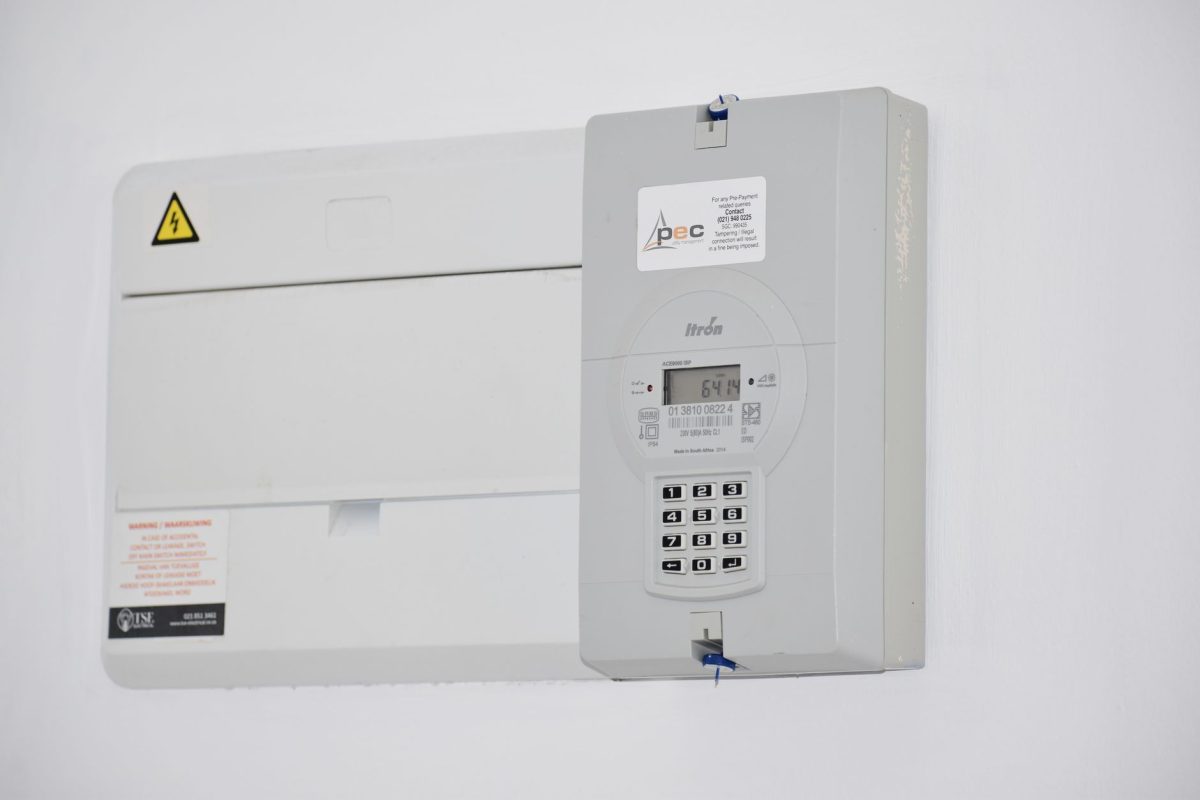
A breaker (or MCB, the small breaker on your board) watches the current flowing to the pump. When that current climbs past its rating, or electricity finds a path it should not, the breaker snaps open. So a pump that keeps cutting out is rarely a faulty breaker; it is the breaker catching a real problem downstream.
The most useful thing to notice is timing. Watch what happens the moment you switch on:
- Trips instantly, every time: usually a short circuit or earth leakage fault, the one to treat with the most caution.
- Runs for 10-30 seconds, then trips: classic pump motor overload. The motor is drawing more current than it should because it is straining.
- Trips only sometimes, under load: often a weak connection, a tired capacitor, or a breaker at its limit.
The common reasons a pump trips the MCB
When the pump trips the MCB, one of a handful of causes is almost always behind it. Here is how they compare, with the signs I check first and the rough cost to fix each.
| Likely cause | Tell-tale sign | What to check | Rough fix cost |
|---|---|---|---|
| Seized or jammed impeller | Motor hums or buzzes but does not turn | Debris, sand, or a stuck shaft | ₹500-₹2,500 |
| Motor overload | Trips after a few seconds, motor hot | Voltage, head, blocked pipe | ₹0-₹3,000 |
| Failing capacitor | Struggles to start, weak or no spin | Bulged or leaking capacitor | ₹300-₹1,200 |
| Wiring or connection fault | Burnt smell, scorched terminals | Loose lugs, cracked insulation | ₹500-₹4,000 |
| Earth leakage / short | Instant trip, sometimes a tingle on taps | Water in motor, damaged cable | ₹1,000 and up |
| Undersized breaker | Fine for years, trips after a pump upgrade | Breaker rating vs motor rating | ₹200-₹800 |
A mechanical jam pulling too much current
If something stops the impeller turning, the motor still tries to spin and current shoots up. Sand after the monsoon, a pebble in the impeller, or a shaft stiff with rust will all do it. It is one of the most common pump electrical fault triggers that is not really electrical at its root.
The motor working too hard
A pump motor overload happens when the motor draws sustained high current without a dead jam. Low voltage during peak hours, a water level that has dropped so the pump runs dry, a clogged foot valve, or too high a head all force the motor to strain and heat up until the breaker steps in.
Electrical faults you can smell or feel
A cracked cable, a rodent-chewed wire, or water that has crept into a submersible motor creates a short or an earth leak. These trip instantly and deserve respect. If you ever feel a tingle touching a metal tap or the pump body, switch off at the mains and treat it as a genuine hazard.
Safety first: Never sit there resetting a breaker that trips hard and fast, hoping it holds this time. At a relative’s farm, a cable nicked by a spade had been reset a dozen times before I arrived, and the insulation near the joint had begun to melt. A breaker that refuses to stay on is protecting your home.
How to troubleshoot a tripping pump safely, step by step
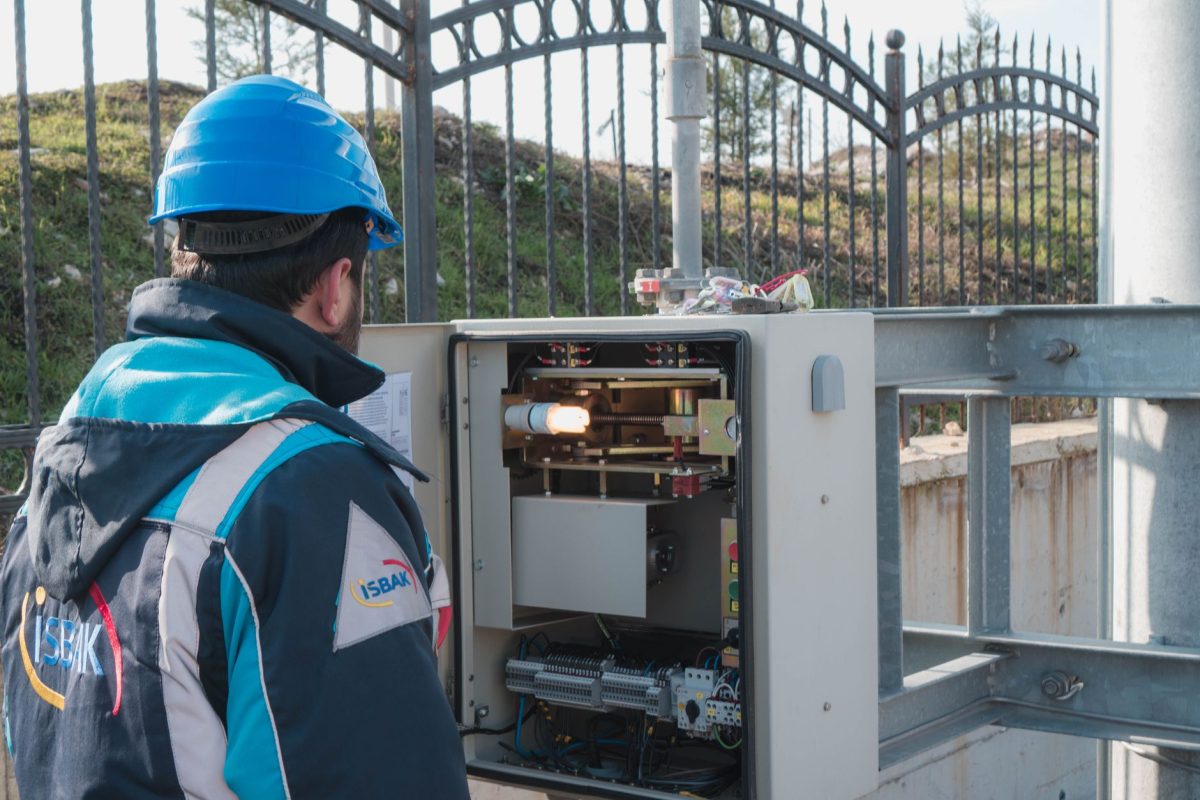
Work through these in order and stop at the first thing you find. Keep power off at the mains except for the one controlled test in step 6.
- Switch off at the mains. Isolate the pump circuit before you touch anything. Verify it is dead if you have a tester.
- Note the timing. Recall whether it tripped instantly or after several seconds. Instant points to a short or earth fault, so lean toward a pro.
- Look and smell. Open the control box or starter and check for scorched terminals, a burnt smell, melted insulation, or a bulged capacitor. Any of these ends your DIY session.
- Check the connections. With power off, confirm the wire lugs are tight and clean. Loose terminals arc, heat up, and trip the breaker under load.
- Free the pump. For a surface pump, try turning the shaft by hand. If it will not budge, you have a mechanical jam, not a wiring problem.
- Do one controlled reset. Restore power and switch on once while watching. If it trips instantly again, stop and switch off; do not keep trying.
- Check voltage and level. If it trips only under load, measure the supply voltage and confirm the water source has not dropped below the intake.
Tip: Keep a spare capacitor of the correct microfarad and voltage rating on the shelf. On my own single-phase pump, a swollen capacitor was behind two separate mystery trips, and a ₹400 part had me running again in ten minutes. Match the numbers printed on the old one exactly.
Is the fault electrical or mechanical?
Sorting the fault into one of two buckets saves guesswork. A pump that hums but will not spin, or one you cannot turn by hand, is mechanical: a jam, a seized bearing, or debris. A pump that spins freely yet still trips, sparks, or smells hot points to the wiring, the capacitor, or the motor windings.
This changes who fixes it and how much it costs. A jam may be a modest job of clearing debris, while a short in a submersible cable usually means pulling the pump from the borewell, which is real labour and cost. It also helps to know how a pressure tank works and how to set the pressure switch, since a badly set switch causes the rapid cycling that stresses a motor into tripping.
When to stop and call a professional
DIY has a hard limit, and I am strict about it. Call a licensed electrician or pump technician the moment any of these show up:
- The breaker trips instantly and repeatedly, or you smell burning.
- You feel any tingle on taps, pipes, or the pump body.
- The motor is a submersible unit down a borewell.
- You find water inside a motor or junction box.
- The trip continues after you have checked the simple items above.
Electrical safety standards exist for good reason. For correct wiring, earthing, and protection ratings, an electrician working to BIS standards is the right person to sign off on anything you are unsure about, and general groundwater guidance sits with the Central Ground Water Board.
If your pump has been losing prime as well as tripping, that is worth reading up on, because an air-bound pump can run dry and overheat; our walkthrough on how to prime a water pump covers it.
Frequently Asked Questions
Why does my water pump trip the MCB?
The MCB trips because the pump is drawing more current than its rating allows, or because a short or earth leak has appeared. Common triggers are a jammed impeller, a failing capacitor, loose or burnt wiring, low supply voltage, or an MCB rated too small for the motor.
Can a seized pump trip the breaker?
Yes. A seized pump is one of the most common causes. When the impeller cannot turn, the stalled motor pulls a very high locked-rotor current within a second or two, and the breaker opens to protect the motor. If the pump hums but does not spin, suspect a jam or seizure first.
Is a tripping pump dangerous?
It can be. A breaker that trips instantly may be reacting to a short or an earth fault, which carries a shock and fire risk. Never keep resetting it. If you notice a burning smell or a tingle on metal fittings, switch off at the mains and get a qualified electrician to inspect it.
Why does my pump trip only after running for a while?
A delayed trip usually points to overload rather than a dead short. As the motor runs, heat builds up from strain such as low voltage, a clogged pipe, a dropping water level, or a pump pushing too high a head. The thermal protection then reaches its limit and cuts power.
Can a bad capacitor cause the breaker to trip?
It can. A weak or failed start capacitor stops a single-phase motor from spinning up cleanly, so it draws heavy current while stalling. Look for a bulged or leaking capacitor, and replace it with one that matches the microfarad and voltage rating printed on the original.
Where that leaves you
A pump that keeps flipping the switch is handing you a diagnosis if you read the timing. Instant trips lean electrical and demand caution, while delayed trips usually mean the motor is straining against a jam, a level drop, or weak voltage. Work the checks in order, fix what you find, and know when the job belongs to an electrician.
To understand the whole system your pump lives in, from tanks to switches to priming, spend time with our owner’s guide to home water pumps and pressure systems. A little context makes the next trip easier to solve.