The pump is humming away, the motor sounds healthy, but not a single drop is reaching your tank. If that’s your morning right now, the culprit is almost always lost prime, the pump has swallowed air where it expected water, and it can’t grip the water column to lift it. I learned this the hard way years ago on my own borewell, standing barefoot on wet concrete wondering why a perfectly good motor had stopped delivering. In this guide I’ll walk you through exactly how to prime a water pump step by step, how to purge trapped air, and how to hunt down the leak that keeps draining your prime so it doesn’t happen again next week.
This applies to jet pumps, shallow-well pumps, and self-priming centrifugal pumps, the kind most tank-and-pump households and borewell owners actually run. It’s part of our complete owner’s guide to home water pumps and pressure systems.
Key Takeaways
- Priming means filling the pump casing and suction line with water so the impeller can move liquid instead of spinning uselessly against air.
- Most pumps prime within 30 seconds to 2 minutes; if yours runs dry for longer than that, stop and re-check for air.
- Repeated loss of prime is a symptom, not a mystery, 90% of the time it’s a leaking foot valve, a loose suction fitting, or a cracked pipe above the water line.
- Never run a pump dry for more than a minute or two, the mechanical seal cooks quickly and a replacement runs roughly ₹300, ₹900.
What “priming” actually means (and why it matters)
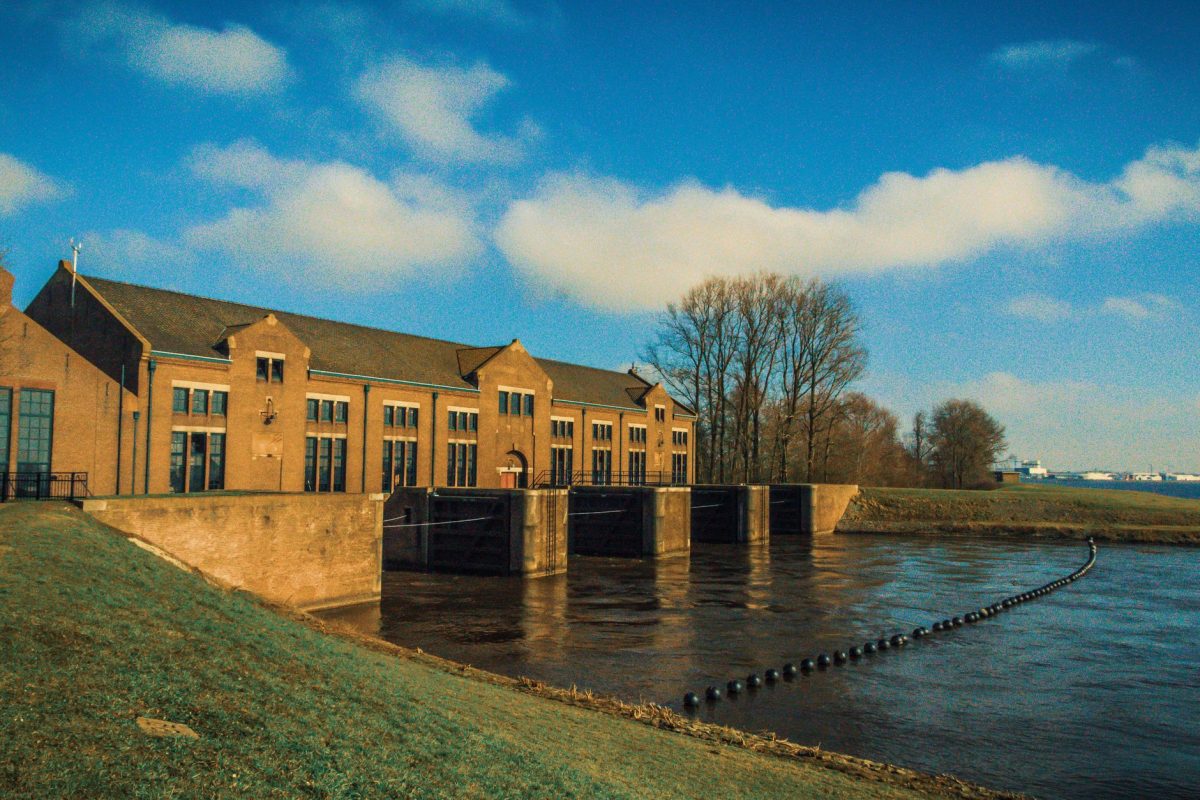
A centrifugal or jet pump moves water by flinging it outward with a spinning impeller. Water is heavy and creates the vacuum needed to pull more up behind it. Air is not, it just compresses and spins in place. So if there’s air sitting in the pump casing or the suction pipe, the impeller whirls, the motor draws its usual current, but nothing gets lifted. That’s a pump that has “lost prime.”
Submersible pumps sitting deep in a borewell rarely lose prime because they’re always underwater. The pumps that give trouble are surface-mounted ones pulling water up from a well, sump, or overhead-tank feed, anything where the pump sits above the water it’s drawing.
Self-priming vs. manually primed pumps
A “self-priming pump” isn’t magic, it just holds a small reservoir of water in its casing that lets it re-mix trapped air out on startup, as long as that reservoir hasn’t drained away. Even self-priming pumps need to be filled the very first time, and they still lose prime if a foot valve fails overnight. So the self priming pump steps below are essentially the same as for any other surface pump; the self-primer just forgives small air pockets more gracefully.
Before you start: safety and what you’ll need
Priming is a five-minute job, but it involves a live electrical motor near water, so take two minutes to set up properly.
- Switch off power at the MCB or unplug the pump before you open anything.
- A bucket or jug of clean water, 2 to 10 litres depending on pump and pipe size.
- A pipe wrench or spanner to open the priming plug.
- Thread-seal tape (PTFE/plumber’s tape) in case you disturb a fitting.
- A dry rag and, ideally, a second person to flip the switch while you watch.
Warning: Never touch the pump’s electrical terminals with wet hands, and never run the motor with the priming plug removed and your face over the opening, a primed pump can spit water. Kill the power first, every single time.
How to prime a water pump: step by step
Here’s the full sequence I use on my own setup. Work through it in order, skipping the air-purge step is the number-one reason a “primed” pump still won’t draw.
- Cut the power. Turn off the pump at the breaker so it can’t start while your hands are inside it.
- Find and open the priming plug. It’s the larger threaded plug on the top of the pump casing (often brass or plastic, sometimes marked “PRIME”). Open it slowly with a wrench to release any pressure.
- Fill the casing. Pour clean water into the priming port until it’s full to the brim and won’t take any more. Give it a moment, the water is finding its way down into the suction pipe.
- Top up again. As water settles into the suction line, the level drops. Keep pouring until it stays full. On a long or tall suction run this can take several litres.
- Reseal the plug. Wrap the threads with plumber’s tape, hand-tighten, then snug it with the wrench. Don’t over-torque plastic plugs, they crack.
- Crack open a downstream tap. Open the nearest tap or valve slightly so trapped air has somewhere to escape as the pump pushes.
- Restore power and start the pump. Switch it on and watch. Within 30 seconds to 2 minutes you should hear the note change and see water begin to flow, sputtering air at first, then a steady stream.
- Stop if it runs dry. If you hear no water within about 2 minutes, switch off. Running dry longer than that risks the seal. Re-open the plug, refill, and check for the leaks covered below.
Tip: On my borewell feed I keep an old 2-litre bottle of water tucked next to the pump specifically for priming. When the power trips during monsoon and the pump loses prime, I’m not hunting for a bucket at 6 a.m., I just crack the plug and top it up.
Why won’t my pump prime? The usual suspects
If you’ve filled the casing and the pump still won’t draw, the problem is air getting in somewhere it shouldn’t. A surface pump’s suction side is under vacuum when running, so even a pinhole leak that never drips a drop of water can suck in enough air to break prime. Here’s where to look, roughly in order of how often each one is the villain.
| Likely cause | Tell-tale sign | Typical fix |
|---|---|---|
| Failed foot valve / check valve | Prime drains away within minutes of shutting off | Replace foot valve (~₹150, ₹600) |
| Loose or dry suction fitting | Faint hiss near a joint; can’t hold prime | Re-tape threads, tighten, or replace fitting |
| Cracked suction pipe above water line | Prime holds when off but breaks under running vacuum | Replace the damaged pipe section |
| Clogged or above-water suction inlet | Water level in well/sump dropped below the foot valve | Lower the inlet or wait for recharge |
| Worn mechanical seal or impeller | Weak flow even when primed, possible leak at shaft | Replace seal (~₹300, ₹900) or service pump |
Can a bad foot valve stop priming?
Yes, and it’s the single most common cause of a pump losing prime fix callout. The foot valve is a one-way (check) valve at the bottom of your suction pipe. Its whole job is to hold the water column in the pipe when the pump stops, so the pump stays primed for next time. When its rubber seat wears or a bit of grit props it open, the water quietly drains back down the well overnight. Come morning, the pump is full of air and won’t draw.
The quick test: prime the pump, run it until you have good flow, then switch off and immediately try to restart after a minute. If it still pumps, wait 15-30 minutes and try again. A pump that primes instantly right after shutdown but needs re-priming later is telling you the water is leaking back, foot valve first, suction joints second.
Air pockets and high suction lift
Surface pumps can only lift water so high before physics wins, practically, most jet and shallow-well pumps struggle beyond about 7-8 metres of vertical suction lift. If your water table has dropped over a dry season, the pump may be trying to pull from too far down and can’t sustain prime. Long horizontal runs with dips and bends also trap air pockets. Where you can, keep the suction line short, gently rising toward the pump with no high loops that collect air.
How to prime a jet pump specifically
A shallow-well jet pump primes just like the steps above. A deep-well (two-pipe) jet pump is fussier, because it also has to fill the return/pressure line down to the ejector at the bottom. To prime a jet pump of the deep-well type, fill through the priming port until both the suction and pressure pipes are full, you may need to loosen a fitting on the pressure line to let air escape as you fill. Expect it to take longer and swallow more water. If it won’t hold, the down-hole ejector or its check valve is often the issue, and that’s usually a job worth calling a technician for.
Stop it happening again
Priming once is fine. Priming every morning means something upstream needs fixing. A few habits keep prime where it belongs:
- Test the foot valve yearly. It’s a cheap part that quietly causes expensive frustration.
- Seal every suction joint properly with plumber’s tape, the suction side leaks air, not water, so you can’t spot it by looking for drips.
- Keep your pressure switch set correctly so the pump isn’t short-cycling and stressing seals, see our guide on setting a pressure switch’s cut-in and cut-out.
- Avoid the classic errors that shorten pump life, we rounded up the big ones in common water pump mistakes that cost you money.
- Watch your running costs, a pump that fights air and short-cycles burns more power, as we break down in what you actually pay to run a water pump.
If your pump draws its water from a well or borewell used for drinking, remember that anything you open up on the suction side is a potential entry point for contamination. After major work, it’s worth confirming your water is still safe, the World Health Organization and India’s Bureau of Indian Standards both publish drinking-water quality guidance, and a certified local lab can confirm your specific supply.
Frequently Asked Questions
Why does my pump keep losing prime?
Almost always a leak on the suction side. A worn foot valve lets the water column drain back down the pipe when the pump stops, so it fills with air overnight. Loose suction fittings and cracked pipe above the water line do the same thing by pulling in air while running.
How long should it take a pump to prime?
Once the casing is filled, most surface pumps prime within 30 seconds to about 2 minutes, sputtering air first, then flowing steadily. Deep-well jet pumps can take longer. If yours runs dry beyond roughly 2 minutes, switch it off, running dry damages the mechanical seal fast.
Can a bad foot valve stop priming?
Yes. The foot valve is a one-way valve at the bottom of the suction pipe that holds water in the line between runs. When it wears or grit jams it open, water drains back and the pump loses prime. It’s the most common single cause and usually a low-cost part to replace.
Do self-priming pumps ever need manual priming?
Yes, on first installation and any time the casing loses its water reservoir, for example after a foot-valve failure or if the pump was drained for repair. Self-priming just means it re-mixes small air pockets on startup; it can’t create water from nothing, so it still needs that initial fill.
Is it safe to run a pump while it primes?
Briefly, yes, that’s how priming works. But never let it run dry for more than a minute or two. Without water to cool and lubricate it, the mechanical seal overheats and fails quickly. If no water arrives within about two minutes, stop, refill, and troubleshoot before trying again.
The practical upshot
Priming a pump is genuinely simple: kill the power, fill the casing, purge the air, and start it. The real skill is reading why the prime keeps vanishing, and nine times out of ten it’s a tired foot valve or an air-sucking suction joint, both cheap to fix once you know where to look. Sort the leak, not just the symptom, and your pump will hold prime for years.
Want to understand how your whole pump-and-pressure setup fits together? Have a wander through our complete guide to home water pumps and pressure systems, it links out to everything from pressure-switch settings to running costs, all written for people who actually maintain their own water.