The first time my borewell coughed up air instead of water on a hot April afternoon, I realised nobody had handed me an owner’s manual for my own water. Fifteen years of running my own borewell, pump and overhead tank later, I’ve made almost every mistake worth making. This private well water guide is the plain-English handbook I wish I’d had on day one: how wells actually work, how much water to expect, how to keep it clean, and what it all costs.
Whether you’ve just bought a home with a well, are planning to drill, or simply want to stop guessing, this guide pulls the whole picture together. Think of it as your map. From here you can drill down (pun intended) into any topic through our deep-dive on how a borewell actually works.
Key Takeaways
- A private well makes you the owner, operator and quality inspector of your own water supply, nobody else is watching it for you.
- Dug, bored and drilled wells behave very differently; drilled borewells commonly run 60-300 metres deep in hard-rock India.
- Test drinking water at a certified lab at least once a year, and after any flood, repair, or change in taste, smell or colour.
- A typical drilled borewell setup (drilling, casing, pump and tank) often lands somewhere in the ₹1.5-4 lakh range depending on depth and geology.
- Most well problems are cheaper to prevent than to fix, protecting the wellhead and pump costs far less than a dry summer.
What a private well really is (and what owning one means)
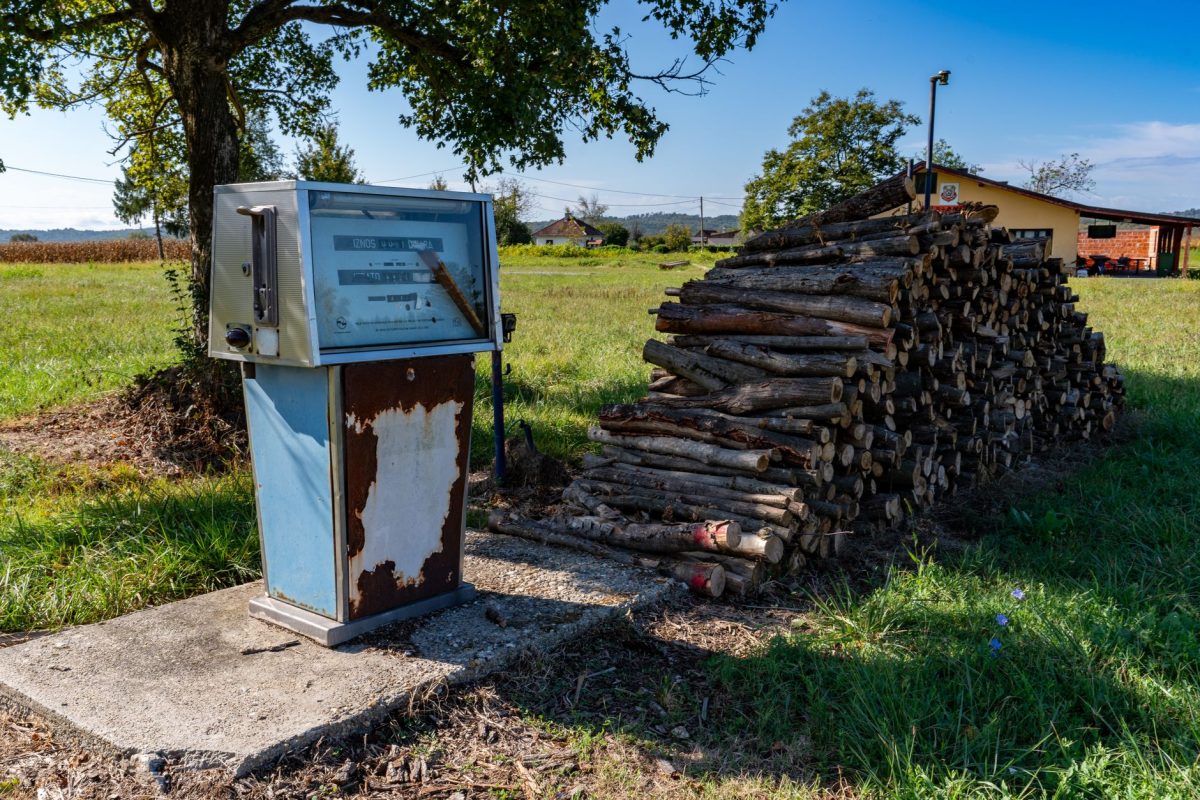
A private well is simply your own hole into the ground that reaches an aquifer, an underground layer of water-bearing rock or sand. Instead of a utility piping treated water to your tap, you pump groundwater up yourself. That independence is the appeal. It’s also the responsibility: with a private well there is no municipal engineer testing your water or fixing your line. You are the water department.
That sounds heavier than it is. Once you understand the four moving parts, the source, the pump, the storage, and the safety checks, a well becomes a predictable system you can actually manage. Understanding your home water sources is the foundation everything else rests on.
The four parts of a home well system
- The source, the aquifer and the well shaft (bore) that reaches it, lined with casing to stop collapse and contamination.
- The pump, usually a submersible pump sitting deep in the water column, pushing water upward. On shallow dug wells you may see a surface or jet pump instead.
- The storage, an underground sump, an overhead tank, or a pressure tank that holds water so the pump isn’t running every time you open a tap.
- The safety layer, the wellhead seal, testing, and any filtration or disinfection that keeps the water fit to drink.
Get those four working together and you have reliable water. Neglect any one and you get the calls I used to get: no water, dirty water, or a burnt-out pump. If you’re weighing whether a private well is even right for you versus a shared arrangement, our comparison of private, shared and community water options lays out the trade-offs.
Types of wells: dug, bored and drilled
Not all wells are the same, and the type you have shapes almost everything, yield, water quality, cost and how vulnerable it is to going dry. There are three broad families, and this is the heart of understanding your own well ownership guide.
| Well type | Typical depth | How it’s made | Strengths | Watch-outs |
|---|---|---|---|---|
| Dug (open) well | 5-15 m | Hand or machine-dug, wide, lined with stone/brick/rings | Cheap, large storage, easy to inspect | Shallow, contaminates easily, dries first in drought |
| Bored well | 15-60 m | Auger-bored, narrower than dug wells | Reaches deeper water than a dug well, moderate cost | Only works in softer ground; limited in hard rock |
| Drilled well / borewell | 60-300 m+ | Rig-drilled narrow bore, steel/PVC casing near the top | Reaches deep, protected aquifers; most reliable yield | Higher upfront cost; depth is hard to predict before drilling |
Across most of India, the deep drilled borewell has become the default because dug wells simply can’t reach the falling water table in hard-rock terrain. But “deeper is better” is a myth worth killing, a well-sited shallow well can outperform a poorly sited deep one. If you’re choosing, our breakdown of the best types of wells for homes goes far deeper into which suits your soil and budget.
Tip from Arjun: When I re-drilled, I asked three neighbours what depth they struck water at before I signed anything. Local drilling logs beat any brochure. Aquifers are shared, if the house next door hits water at 90 metres, you probably will too.
How a well supplies water to your home
Here’s the journey a drop of water takes from the aquifer to your kitchen tap. Once you can picture it, troubleshooting gets a lot easier because you know where in the chain a problem lives.
- Recharge: rain and surface water seep down and refill the aquifer, this is why yields rise after monsoon and fall by peak summer.
- Intake: water enters the well through the open bottom or slotted casing sections.
- Lift: the submersible pump switches on and pushes water up through the delivery pipe.
- Storage: water fills your underground sump or overhead tank, giving you a buffer so the pump isn’t cycling constantly.
- Delivery: gravity from the overhead tank (or a pressure pump) sends water through your household plumbing to each tap.
- Treatment (if any): a sediment filter, softener or purifier polishes the water before drinking.
The pump is the part that fails most and the part people understand least. A pressure switch, a controller, and the motor all have to agree before water moves. When I replaced my pressure switch the first time, I learned the hard way that a ₹300 part had been mimicking a ₹15,000 pump failure. Diagnose before you dig out the wallet.
Understanding well yield and recovery
Yield is how much water your well can give, and recovery rate is how fast it refills after you draw water. Together they decide whether your well comfortably runs a household or leaves you rationing showers in May. This is the single most misunderstood number in understanding well water.
A well isn’t a bottomless tank. It holds a column of water, and the aquifer feeds it at a certain speed. Pump faster than the aquifer refills and the well “draws down” until it sucks air. That’s not a dead well, it just needs to rest and recover. Many “my borewell failed” panics are really “I over-pumped a slow well.”
A rough guide to what yields mean
- Under ~600 litres/hour: a low-yield well; workable with a good sump and disciplined pumping, but tight for a large family.
- ~600-2,000 litres/hour: comfortable for most single homes with normal usage.
- Above ~2,000 litres/hour: generous; enough for gardens, multiple homes or storage-heavy setups.
You don’t need fancy gear to estimate this. A bucket, a stopwatch and the technique in our guide to measuring well yield and recovery rate at home will get you a usable number in an afternoon. If your yield has been slipping season after season, that’s an early warning worth reading about in the signs your well is failing or running dry.
Is private well water safe to drink?
Honest answer: it can be excellent, or it can be quietly harmful, and you cannot tell by looking. Clear, tasteless water can still carry bacteria, nitrates, fluoride, arsenic or hardness well above safe limits. Because no utility is testing it, testing is your job, and it’s the most important habit a well owner can build.
I test my own supply once a year at a NABL-accredited lab, and immediately after anything unusual, a flood, a nearby construction dig, or a sudden change in taste. Groundwater quality varies enormously by region; parts of India have naturally high fluoride or arsenic, so local knowledge matters. For drinking-water standards, the Bureau of Indian Standards (IS 10500) is the reference point, and global guidance from the World Health Organization is worth a look too.
Please don’t guess on health: a home test strip is a rough screen, not proof of safety. For anything you drink or give to children, confirm results with a certified (NABL-accredited) laboratory and, if a contaminant shows up, consult a qualified water professional before choosing treatment. This guide informs; it can’t diagnose your specific water.
What to test for, and how often
| Test | Why it matters | Suggested frequency |
|---|---|---|
| Bacteria (coliform/E. coli) | Signals contamination from surface or sewage | Yearly + after any flood or repair |
| Nitrates | Risky for infants; hints at fertiliser/septic seepage | Yearly |
| Total hardness / TDS | Affects taste, scaling and appliance life | Yearly or when taste changes |
| Fluoride & arsenic | Naturally high in some regions; serious long-term health risk | At least once, then per local advice |
| pH & iron | Explains staining, corrosion and odd colours | When you notice staining or metallic taste |
You’ll also hear plenty of confident nonsense at the tea stall about well water. We sorted the common well water myths from the facts so you can ignore the noise and act on what’s real.
Protecting your well: keep the source clean
The cheapest water safety measure is stopping contamination before it starts. Most well pollution doesn’t seep up from deep rock, it pours in from the top, around a poorly sealed wellhead. A few sensible habits protect your source for decades.
- Keep the wellhead capped, sealed and raised slightly above ground so runoff can’t drain in.
- Slope the surrounding ground away from the well and keep a clear buffer from septic tanks, soak pits and animal pens.
- Never store pesticides, fuel or paint near the wellhead.
- Inspect the casing and cap after heavy monsoon and before summer draws down the water.
- Keep drilling records and past test reports in one folder, future you will thank you.
The recommended separation distances and full routine live in our well source protection checklist. For the bigger picture on groundwater in India, the Central Ground Water Board publishes regional water-level and quality data that’s genuinely useful before you drill or during a dry spell.
What a well actually costs
Costs swing wildly with depth, geology and region, so treat these as ballpark ranges from my own experience and what neighbours have paid, not quotes. The biggest surprise for most first-timers is that drilling is charged by the foot or metre, so hard rock and greater depth can double a budget mid-job.
| Item | Typical range (India) | Notes |
|---|---|---|
| Drilling (per foot) | ₹70, ₹150+/ft | Rises steeply through hard rock and at depth |
| Casing pipe | ₹20,000, ₹60,000 | Depends on length and PVC vs steel |
| Submersible pump + motor | ₹15,000, ₹60,000 | Sized to depth and yield |
| Sump / overhead tank + plumbing | ₹25,000, ₹80,000 | Varies with capacity and layout |
| Testing + filtration (if needed) | ₹1,500, ₹40,000 | Lab test cheap; treatment depends on results |
All in, a fresh drilled borewell setup often lands somewhere in the ₹1.5-4 lakh range. For a proper line-by-line breakdown, see our real cost to drill a well. And before you commit, it’s worth honestly comparing the lifetime economics against piped supply in well water versus municipal supply.
Owning a well through the year
A well is seasonal in a way a municipal tap never is. Water tables climb after the monsoon and fall through the dry months, and a smart owner plans around that rhythm instead of being ambushed by it every summer.
- Post-monsoon: water is high, a great time to test, inspect the casing, and top up storage habits.
- Winter: stable levels; ideal for maintenance, pump servicing or drilling if you’re planning a new well.
- Peak summer: lowest levels, pump gently, watch for air in the line, and lean on stored water.
Tracking these swings year to year tells you whether your well is genuinely declining or just doing its normal seasonal dance. We cover reading the pattern in seasonal well water trends and how to prepare. And if your well is already struggling, my own story of reviving a low-yield borewell covers what actually worked, and what I’d do differently.
Getting started: a first-owner action plan
If you’ve just inherited or bought a well and feel a bit lost, here’s the order I’d tackle things in. It works whether the well is brand-new or decades old.
- Locate and inspect the wellhead: confirm it’s capped, sealed and clear of contamination sources.
- Get a baseline lab test: bacteria, nitrates, hardness and any region-specific concern like fluoride or arsenic.
- Measure your yield and recovery: know how much water you actually have before you plan usage.
- Understand your pump and storage: note the pump type, tank size, and where the controls are.
- Start a simple logbook: record test dates, water levels, repairs and costs. Patterns only show up over time.
- Fix small things early: a loose cap or a nagging pressure switch now saves a crisis later.
Do those six things and you’re already ahead of most well owners I know, including me at the start. From here, the biggest money-saver is simply avoiding the classic errors laid out in common well mistakes that cost homeowners money. And when you need to choose exactly where a new bore goes, how to choose where to drill your borewell walks through siting step by step.
Frequently Asked Questions
What are the main types of private wells?
The three main types are dug (open) wells, bored wells and drilled wells. Dug wells are shallow and wide; bored wells go a little deeper with an auger; drilled wells, or borewells, are narrow and can reach hundreds of metres. In hard-rock India, drilled borewells are by far the most common today.
How does a private well supply water to a home?
Rain recharges an underground aquifer; water enters the well shaft; a pump (usually submersible) lifts it up; it fills a sump or overhead tank for storage; and gravity or pressure then delivers it through your household plumbing. Any filtration or purification happens last, just before drinking water reaches the tap.
Is private well water safe to drink?
It can be, but it’s never guaranteed, because no utility monitors it for you. Clear water can still contain bacteria, nitrates or minerals above safe limits. Test at a certified lab yearly and after any unusual event, and confirm safety with professionals before drinking, especially for infants and in regions with high fluoride or arsenic.
How deep should a borewell be?
There’s no universal number. Depth depends entirely on where your aquifer sits, which varies by location and geology. Many hard-rock borewells run 60-300 metres or more. Rather than aiming for a set depth, check the depths neighbours struck water at and consult local groundwater data before drilling.
Why does my well water level drop in summer?
Groundwater levels naturally fall through the dry season and recover after the monsoon recharges the aquifer. A summer dip is usually normal. The concern is a year-on-year decline that doesn’t bounce back, that’s a sign of over-extraction or a genuinely struggling well, and worth tracking in a logbook.
How often should I test private well water?
At least once a year for bacteria, nitrates and hardness, plus a test immediately after any flood, repair, nearby digging, or a noticeable change in taste, smell or colour. Regions with known fluoride or arsenic issues should also test for those and follow local health advice.
The practical upshot
Owning a private well isn’t complicated once you stop treating it as a mystery. Know your well type, respect its yield, protect the source, test what you drink, and keep a simple log, do that and your water will quietly serve you for decades. The independence is worth the small effort, and every problem gets easier once you understand the system feeding your taps.
Bookmark this guide as your home base and explore any topic that matters to you right now, testing, yield, protection or cost. When you’re ready to go deeper, browse everything in our Wells & Water Sources collection, or start with the questions other owners ask most in our private well FAQ. Your water, your call, now you’ve got the map.