The first time I called a drilling contractor, he quoted me a tidy per-foot rate and I thought I had my budget sorted. Then the final bill arrived, casing, the submersible pump, wiring, the panel board, a flushing round, and a permit fee I hadn’t even heard of. It was nearly double the “drilling” number. After 15 years living with my own borewell, I’ve learned that the rig quote is just the down payment on the real cost to drill a well.
In this guide I’ll break the whole bill into its actual parts, share the honest ranges I’ve seen, and show you where the surprise charges hide. This is part of our complete homeowner’s guide to private wells and water sources, so you can budget the full project, not just the hole in the ground.
Key Takeaways
- Drilling is charged per foot (often roughly ₹70, ₹250/ft in India), but drilling is usually only 40-60% of your total spend.
- The full bill includes casing pipe, the submersible pump and motor, wiring and control panel, transport of the rig, and permits.
- Going deeper costs more per foot as depth increases, a 600 ft bore is not simply twice the price of a 300 ft one.
- Get an itemized, written quote and confirm what happens (and what you pay) if the first hole comes up dry.
How much does it cost to drill a well?
There’s no single sticker price, because a “well” can mean a shallow dug well, a bored well, or a deep drilled borewell, and each has a very different cost structure. If you’re still deciding which one fits your plot, our comparison of the best types of wells for homes, dug, bored and drilled is worth a read before you spend a rupee.
For most Indian households today, a drilled borewell with a submersible pump is the default. As a rough all-in ballpark, a complete residential borewell project, drilling, casing, pump, wiring and permits, often lands somewhere between ₹1.5 lakh and ₹5 lakh, and sometimes more in hard-rock or very deep-water-table areas. The spread is huge because depth, soil, rig type, and pump size all move the needle.
The single most useful thing you can do is stop thinking of it as one price and start thinking of it as five separate line items. Let’s walk through each.
The full borewell drilling cost, line by line
Here is how I break down a well drilling price breakdown when I help a neighbour plan theirs. The ranges below are realistic Indian figures for a typical residential job; your local rates will vary, so treat them as a planning framework, not a firm quote.
| Cost component | Typical range | What drives it up or down |
|---|---|---|
| Drilling (per foot) | ₹70, ₹250/ft | Depth, soil vs hard rock, bore diameter |
| PVC/casing pipe | ₹150, ₹500/ft (only the cased section) | Pipe grade, how many feet of loose soil to case |
| Submersible pump + motor | ₹15,000, ₹80,000+ | HP rating, brand, depth it must lift from |
| Wiring, cable & control panel | ₹8,000, ₹40,000 | Cable length (= depth), panel features, starter type |
| Rig transport & setup | ₹5,000, ₹25,000 | Distance to your plot, site access, minimum charges |
| Permit / borewell registration | ₹0, ₹10,000+ | State rules, groundwater authority fees |
1. Drilling, the per-foot rate everyone quotes
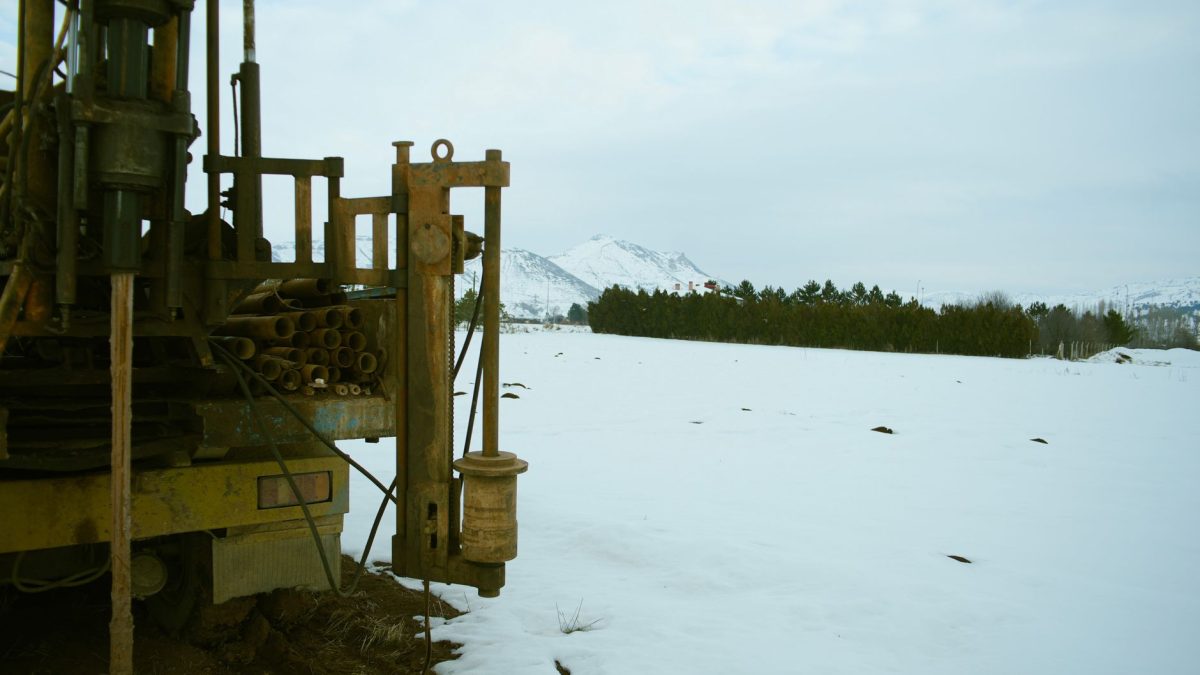
This is the number contractors lead with, and it’s usually charged as a well cost per foot. In soft soil the rate is lower; the moment the rig hits hard granite or basalt, the per-foot rate climbs because the bit wears faster and progress slows. Many contractors use a slab system: one rate for the first 300 ft, a higher rate for the next 300 ft, and higher again beyond that.
On my own borewell in a semi-hard-rock area, the effective rate crept up noticeably past 400 ft. So “how much to drill a borewell” isn’t a flat multiplication, always ask for the full slab table in writing.
2. Casing pipe, protecting the top of the bore
Where the bore passes through loose soil or unstable rock near the surface, it needs casing pipe to stop the walls from collapsing. You only pay for the cased length, not the whole depth. Cheaper thin pipe is tempting, but a good-grade casing that resists crushing is money well spent, replacing collapsed casing later means re-drilling, which is far more expensive.
3. The submersible pump and motor
This is the component people underestimate most. A deeper water level needs a higher-head pump, which usually means a higher-HP motor and a bigger price tag. Buying a slightly oversized cheap pump to “be safe” often backfires, it draws more power and can over-pump a modest bore. Right-size it to your bore’s actual yield instead of guessing.
4. Wiring, cable and the control panel
The submersible cable runs the full depth of the pump, so a 400 ft installation needs 400+ ft of proper three-core cable, that adds up. You’ll also need a control panel or starter with basic protections (dry-run, overload). Skimping here is how motors burn out, so it’s a false economy.
5. Rig transport, setup and site work
Drilling rigs are huge, and moving one to your plot has a fixed cost. If your site is far from the contractor’s base, on a narrow lane, or hard to position on, transport and setup climb. Many contractors also have a minimum-footage charge, so a very shallow bore may not be as cheap per foot as you’d hope.
6. Permits and groundwater registration
Depending on your state, drilling a borewell may need permission or registration with the local groundwater authority. Fees are usually modest but the paperwork matters, some areas restrict drilling in over-exploited zones. You can check groundwater regulations and zone status through the Central Ground Water Board.
Tip from experience: Before you sign anything, ask the contractor one blunt question, “What do I pay if this hole is dry?” On my street, one family paid nearly full drilling cost on a failed bore because they never clarified the dry-hole terms. A fair contractor will explain their policy in writing before the rig arrives.
What affects well drilling prices the most?
Two identical-looking plots on the same street can produce wildly different bills. These are the factors that move your cost the most, roughly in order of impact:
- Depth to water: the single biggest driver. A deeper water table means more feet drilled, more casing and cable, and a stronger pump.
- Soil vs hard rock: granite and basalt slow the rig and raise the per-foot rate; alluvial soil is faster and cheaper.
- Bore diameter: a wider bore (e.g. 6.5 inch vs 4.5 inch) costs more per foot but suits higher-yield needs.
- Pump size: HP scales with depth and demand; a bigger household or garden needs more.
- Location and access: transport, minimum charges, and local labour rates.
- Season and demand: in a bad monsoon year, everyone drills at once and rates firm up.
Where you actually place the bore also affects your odds of hitting good water at a reasonable depth, which directly controls cost. Our step-by-step guide on how to choose where to drill your borewell can save you from paying for extra depth you didn’t need.
Is a deeper well worth the extra cost?
This is the question that decides whether a bore is a bargain or a money pit. Deeper often means more reliable water, especially in areas where shallow aquifers dry up before the monsoon. But depth is not free, and beyond a point you’re paying steeply for diminishing returns.
Here’s a simplified illustration of how per-foot slabs stack up. The numbers are for explanation only, your local rates will differ.
| Depth | Illustrative drilling cost | Notes |
|---|---|---|
| 0-300 ft | Base slab rate | Usually the cheapest per foot |
| 300-600 ft | Higher slab rate | Rate steps up; more casing/cable too |
| 600 ft+ | Highest slab rate | Steep cost; needs a stronger, pricier pump |
My honest take: match depth to what your area’s geology actually supports, not to fear. Ask neighbours how deep their working bores are and what yield they get. Chasing an extra 200 ft “just in case” can add a large sum for water you may never reliably draw. If your bore’s flow is weak, the fix often isn’t more depth, read how I revived my low-yield borewell before you consider re-drilling.
How to budget your well project step by step
Here’s the exact sequence I’d follow to avoid nasty surprises:
- Ask 3-4 neighbours how deep their bores are, the yield they get, and roughly what they paid. Local data beats any online average.
- Get itemized written quotes from at least two contractors, with the per-foot slab table spelled out.
- Confirm what’s included: casing feet, pump HP and brand, cable, panel, flushing, and cleanup.
- Add the pump, wiring and panel as separate line items, never assume they’re bundled.
- Budget a permit line and check your local groundwater rules early.
- Set aside a 15-20% contingency for extra depth or a hard-rock surprise.
- Clarify the dry-hole policy and payment schedule in writing before drilling day.
A quick safety note: New water from a fresh bore is not automatically safe to drink. Before you rely on it for cooking or drinking, get it tested at a certified lab for bacteria and chemical contaminants. Global guidance from the World Health Organization is a useful starting point, but only a lab test on your actual sample can confirm your water is safe.
Ongoing costs people forget
The drilling bill is a one-time hit, but a well is a long-term system. When you budget, quietly factor in the running costs so the numbers don’t shock you later:
- Electricity to run the pump, a bigger HP motor lifting from greater depth costs more each month.
- Pump maintenance and eventual replacement, submersible pumps don’t last forever; plan for a mid-life service and a replacement down the road.
- Periodic water testing to catch changes in quality after heavy monsoon or nearby digging.
- Occasional flushing or cleaning if silt or sand starts coming through.
None of these are huge on their own, but they’re the difference between a bore that quietly serves you for years and one that keeps springing “unexpected” bills.
Frequently Asked Questions
How much does it cost to drill a borewell in India?
A complete residential borewell, drilling, casing, pump, wiring and permits, often runs roughly ₹1.5 lakh to ₹5 lakh, sometimes more in deep or hard-rock areas. Drilling alone is charged per foot, but it’s usually only 40-60% of the full project cost.
What affects well drilling prices the most?
Depth to water is the biggest factor, followed by whether you’re drilling through soft soil or hard rock. Bore diameter, pump HP, site access, and local labour rates all add up. Season matters too, in a poor monsoon year, demand rises and rates firm up.
Is a deeper well worth the extra cost?
Sometimes. Deeper can mean more reliable water where shallow aquifers dry up, but per-foot rates rise with depth and you’ll need a stronger pump. Match depth to your area’s actual geology and neighbours’ working bores rather than drilling extra “just in case.”
What’s the well cost per foot?
In India it’s often roughly ₹70, ₹250 per foot, but it’s rarely a flat rate. Most contractors use a slab system, a base rate for the first 300 ft and higher rates as depth increases, especially once the rig hits hard rock. Always ask for the slab table in writing.
Do I pay if the borewell comes up dry?
Usually yes, at least for the drilling done, contractors charge for the work, not guaranteed water. Policies vary, so ask before signing. A fair contractor will explain their dry-hole terms and any partial charges in writing before the rig arrives on site.
So, where does that leave you?
The cost to drill a well is really six costs wearing one label. Once you separate drilling from casing, pump, wiring, transport and permits, and add a sensible contingency, the number stops being scary and starts being plannable. Get itemized quotes, lean on your neighbours’ real depth-and-yield data, and never skip the dry-hole conversation.
Ready to plan the rest of your water setup? Browse our complete guide to private wells and water sources for friendly, first-hand help on choosing, drilling, testing and maintaining your own well, no jargon, no upselling.