When my neighbour dug a shallow well in 2019, he saved money up front and had water in three days. Two summers later, that same well ran bone-dry by April while my deeper borewell kept pumping. That’s the whole puzzle with picking among the best types of wells: the cheapest option on paper is rarely the cheapest over ten years. I’ve owned and maintained a borewell, pump, and overhead-tank setup for more than 15 years, and I’ve watched friends make expensive mistakes by copying whatever their neighbour dug without checking their own plot or water table.
In this round-up I’ll compare dug, bored, and drilled wells honestly, on depth, cost, water quality, and upkeep, so you can match the right well to your land, budget, and how much water your home actually needs. If you’re new to all this, our complete guide to private wells and water sources is a good place to start after this.
Key Takeaways
- No single “best” well exists, the right type depends on your water table, plot size, budget, and daily demand.
- Dug wells are cheapest (often ₹15,000, ₹60,000) but shallow, seasonal, and most exposed to surface contamination.
- Bored wells sit in the middle for depth and cost; drilled borewells go deepest (100-300+ metres) and are the most reliable in hard-rock areas.
- Deeper usually means safer and steadier water, but higher drilling cost and a bigger pump bill.
- Always test any new well’s water at a certified lab before drinking, depth alone does not guarantee safety.
The three main types of wells for a home
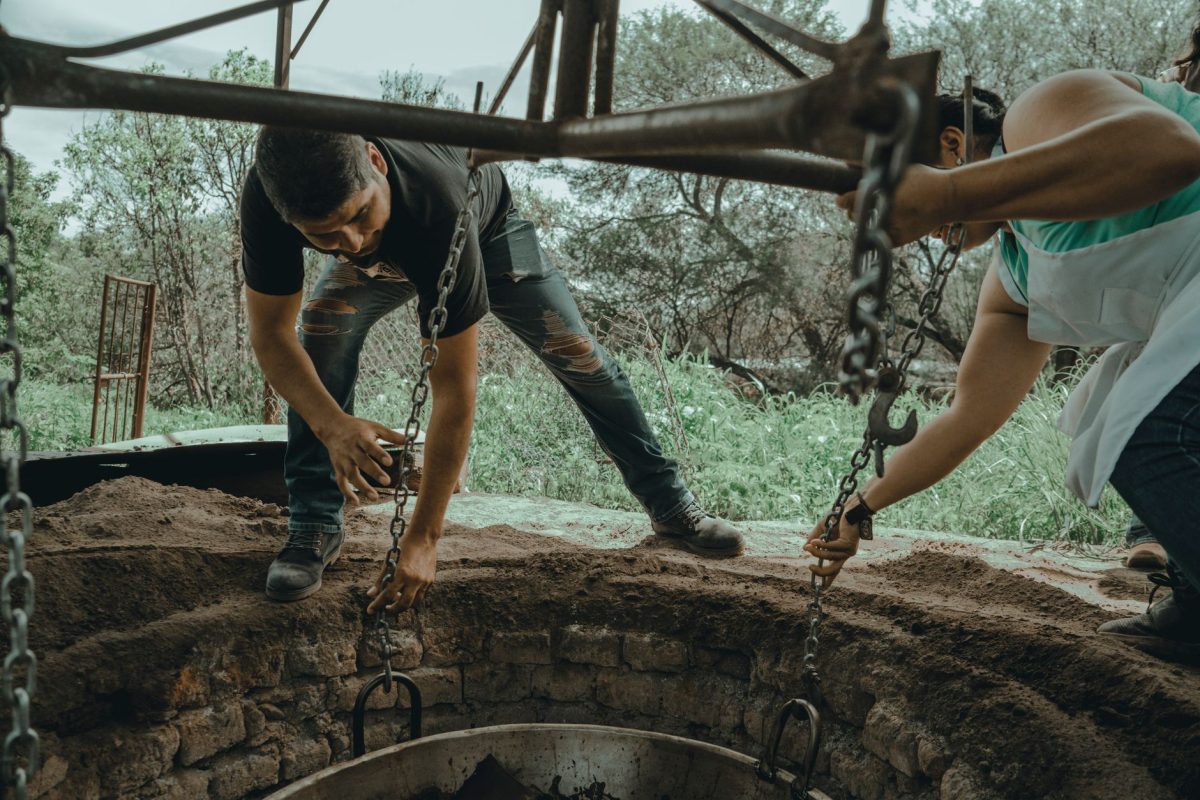
Before we rank anything, it helps to know what actually separates these well types. It comes down to how they’re built and how deep they reach the groundwater. Understanding dug, bored and drilled wells as a family makes the trade-offs obvious.
1. Dug wells (open wells)
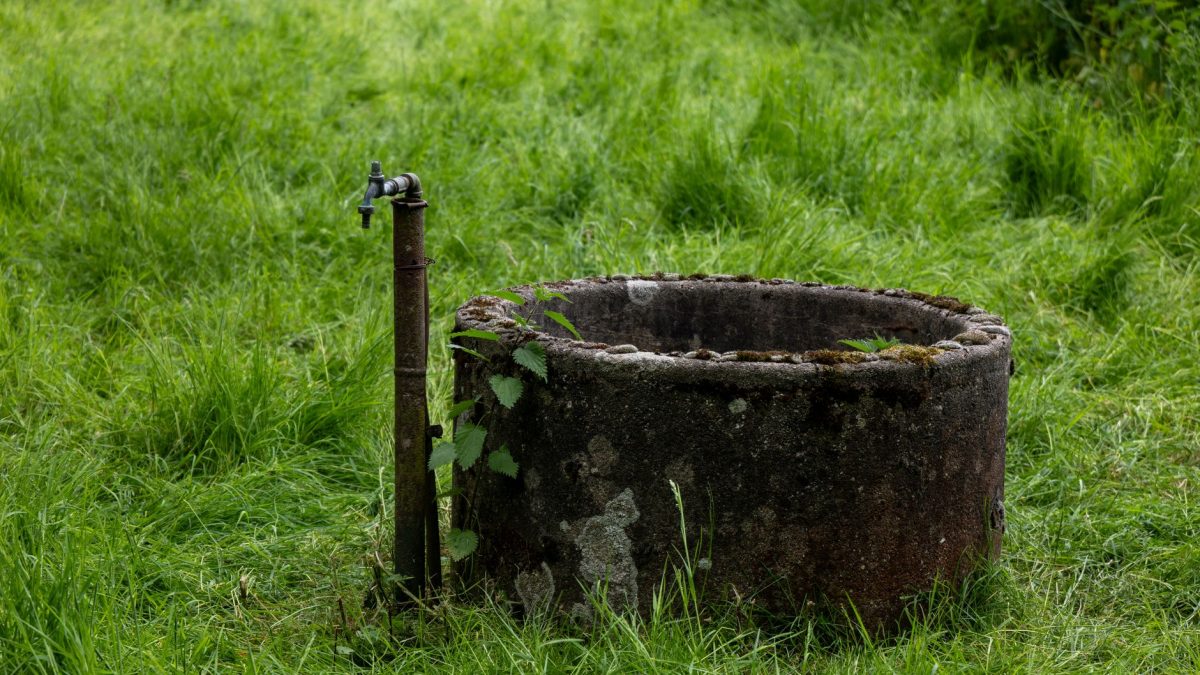
A dug well is the classic wide, open well your grandparents probably had. It’s excavated by hand or with a small machine, usually lined with stone, brick, or concrete rings, and reaches down to the shallow water table. Diameters are typically 1-3 metres, and depths rarely go past 10-15 metres.
Because they tap the topmost layer of groundwater, dug wells are the first to feel a bad monsoon. They’re wonderful when the water table is high and stable, and awful when it drops. They also collect leaves, dust, and runoff unless properly covered.
2. Bored wells
A bored well is drilled with an auger (a giant rotating screw) into softer ground, then lined with a casing pipe. Diameters are narrower than dug wells, and depths commonly run 15-40 metres. Bored wells suit areas with soft soil, clay, or weathered rock where a drilling rig isn’t needed for every metre.
Think of a bored well as the practical middle child: deeper and better protected than a dug well, but not as deep or as costly as a full drilled borewell.
3. Drilled wells (borewells)
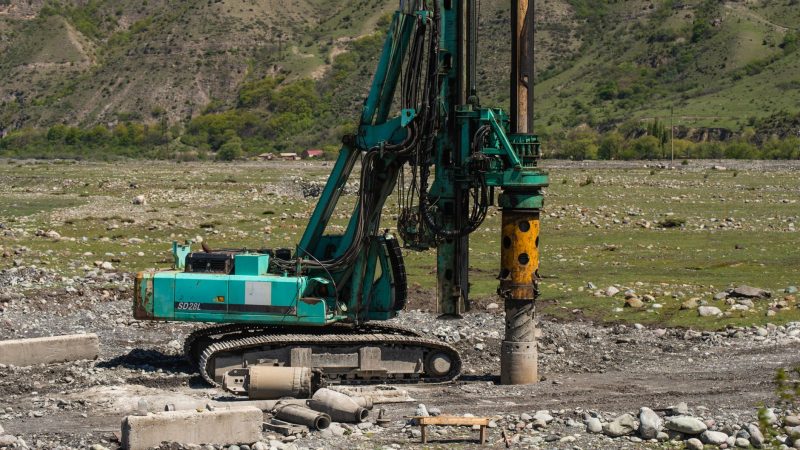
A drilled well, what most of us in India simply call a borewell, is bored with a powerful rig that punches through hard rock. These are narrow (usually 100-200 mm diameter) but go deep: 60 metres is common, and 150-300+ metres is normal in hard-rock or drought-prone regions. A submersible pump sits far down the casing.
Because they reach deep, confined aquifers, drilled borewells give the steadiest year-round supply and the best natural protection from surface pollution. That reliability is exactly why they’ve become the default for most modern homes. If borewells are new to you, our explainer on what a borewell is and how it works breaks the whole system down.
Dug vs bored vs drilled: the well types compared
Here’s how the three stack up on the factors that matter most when you’re deciding. Costs are rough Indian ranges from what I’ve seen locally; they swing a lot with depth, rock hardness, and region, so treat them as ballpark, not quotes.
| Factor | Dug well | Bored well | Drilled borewell |
|---|---|---|---|
| Typical depth | 5-15 m | 15-40 m | 60-300+ m |
| Typical build cost | ₹15,000, ₹60,000 | ₹40,000, ₹1,20,000 | ₹80,000, ₹3,00,000+ |
| Water reliability | Seasonal, drops in summer | Moderate, fairly steady | High, year-round |
| Contamination risk | High (surface runoff) | Medium | Low (deep aquifer) |
| Best ground type | High water table, soft soil | Soft soil, weathered rock | Hard rock, deep aquifers |
| Upkeep | Frequent cleaning | Moderate | Low but costly repairs |
| Lifespan | Long if maintained | 15-30 years | 20-40+ years |
Tip: Before you commit to any well type, ask two or three neighbours what depth their wells hit water and whether they run dry in summer. On my street, that local knowledge told me more than any survey, everyone within 200 metres was hitting good water around 55-70 metres, so I drilled to 75 and have never regretted the extra buffer.
Which well type is best for your situation?
The honest answer to “which well type is best” is: it depends on your plot. Here’s how I’d steer people based on what I’ve seen work and fail.
- Choose a dug well if your area has a high, dependable water table, you only need modest amounts of water (garden, a small household), and you want the lowest up-front cost. Great in green, high-rainfall belts.
- Choose a bored well if your ground is soft or clayey, the water table is a bit deeper, and you want a good balance of cost and steadiness without a full drilling rig.
- Choose a drilled borewell if you’re on hard rock, live in a drought-prone or falling-water-table region, or need reliable water for a full family home year-round. This is the safest bet for most modern households.
Cost is only half the decision. Water quality and reliability are the other half, a cheap well that runs dry every April or delivers murky water isn’t a bargain. If you’re weighing a private well against a piped connection, our comparison of well water vs municipal supply covers the full picture, and if you might share a source, read private vs shared vs community wells before you spend.
Which well lasts longest and which is cheapest?
Two questions come up constantly, so let’s tackle them head-on.
Cheapest to build
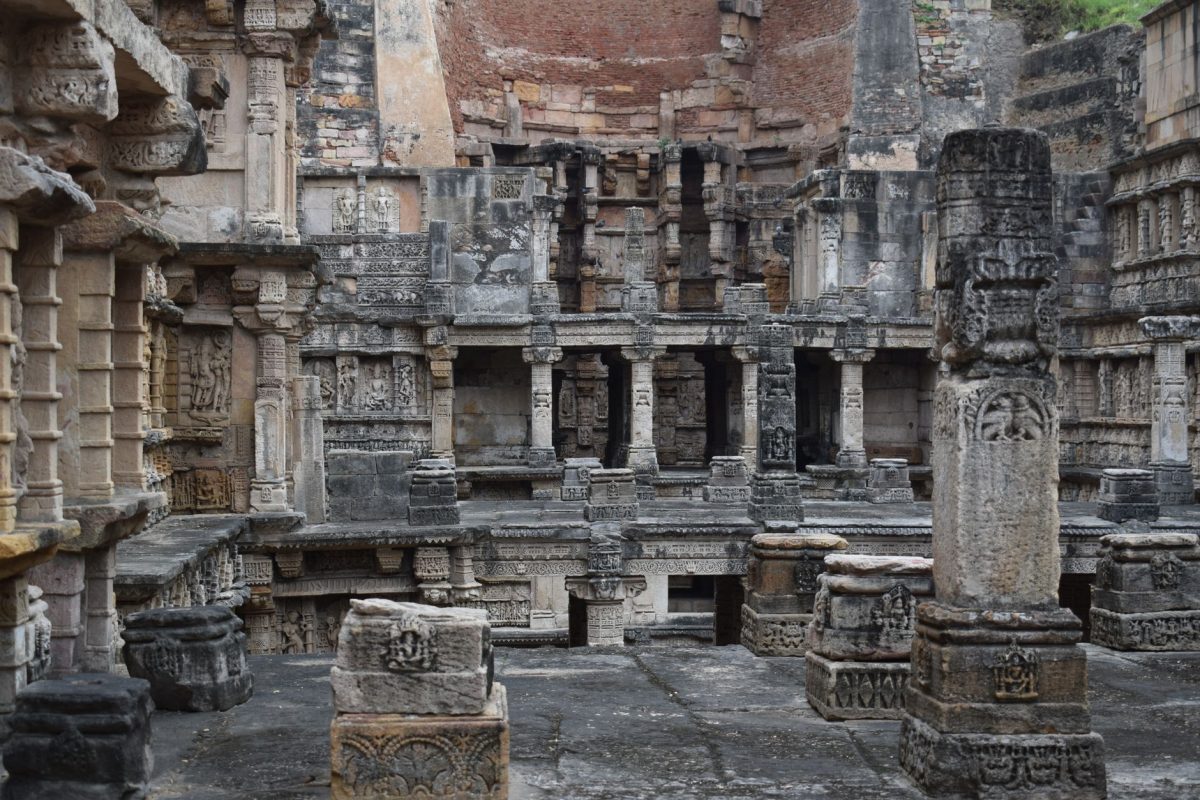
A dug well almost always wins on up-front cost, especially where the water table is shallow. But add a few dry summers, a tanker bill, or the eventual cost of deepening it, and that early saving can evaporate. Cheapest to build is not the same as cheapest to own.
Longest lasting
A well-cased drilled borewell typically lasts longest, 20 to 40+ years is realistic, because the deep casing resists collapse and contamination. Dug wells can also last generations if the lining stays sound and they’re cleaned, but they’re more vulnerable to silting up and drying out. The borewell’s pump, however, is a wear item you’ll replace every 8-12 years.
How to choose your well type, step by step
Here’s the sequence I’d walk through with anyone before they call a driller.
- Estimate your daily water need. A small family often uses 500-1,000 litres a day; a garden or livestock pushes that higher. Bigger demand favours deeper, steadier wells.
- Learn your local water table. Ask neighbours and, ideally, a local hydrogeologist or the state ground water department at what depth water is found and how it moves seasonally.
- Check your ground type. Soft soil suits dug or bored wells; hard rock almost forces a drilled borewell.
- Set a realistic budget, including the pump, casing, and electrical work, not just the hole.
- Get 2-3 quotes from licensed drillers and compare per-metre rates and casing quality.
- Plan for testing. Budget for a certified water test as soon as the well is in, before anyone drinks from it.
Safety note: A deeper well is generally better protected from surface pollution, but depth is never a guarantee of safe drinking water. Groundwater in some regions carries natural arsenic, fluoride, or high iron. Always send a fresh sample to a certified lab and confirm results with a qualified professional before you rely on any well for drinking. Guidance from bodies like the World Health Organization is a good starting reference on water quality.
Common mistakes I see people make
After years of watching wells go in around my area, the same avoidable errors keep repeating:
- Copying the neighbour blindly. Water tables and rock can change within a single street. What worked next door may fail on your plot.
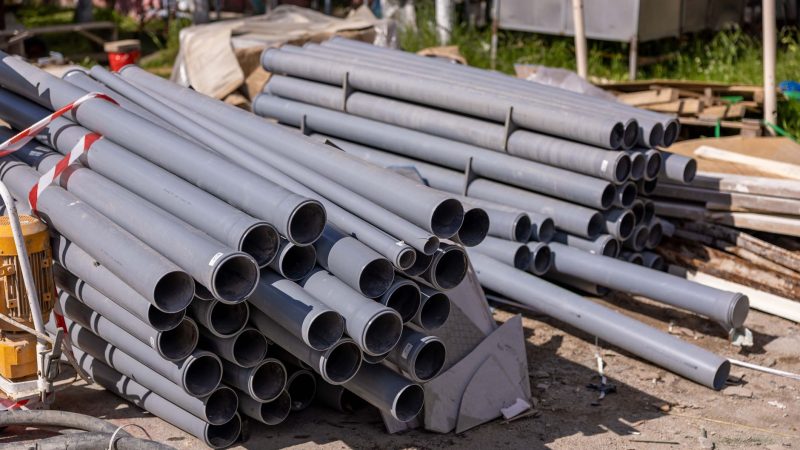
- Underspending on casing. Cheap or short casing on a drilled borewell invites collapse and contamination later. This is not the place to cut corners.
- Ignoring the pump match. A pump too powerful for the well can suck it dry and burn out; too weak and you’ll never fill the tank.
- Skipping the water test. People spend lakhs on a borewell and then never test what comes out of it. Test first, drink second.
For official groundwater data and depth trends in India, the Central Ground Water Board is a genuinely useful, non-commercial resource worth checking before you dig.
Frequently Asked Questions
What is the difference between a dug and drilled well?
A dug well is wide, shallow (usually under 15 metres), and hand- or machine-excavated to reach the top of the water table. A drilled well is narrow, very deep (often 60-300 metres), and bored by a rig into rock to reach confined aquifers, giving steadier and better-protected water.
Which well type lasts longest?
A properly cased drilled borewell usually lasts longest, commonly 20 to 40 years or more, because its deep casing resists collapse and pollution. Well-maintained dug wells can also last for generations, but they silt up and dry out more easily. Remember the pump is a separate wear item.
Which well is cheapest to build?
A dug well is almost always cheapest to build, often ₹15,000, ₹60,000 where the water table is shallow. But if it runs dry in summer or needs deepening later, the lifetime cost can climb. Weigh reliability against that low up-front price before deciding.
Do deeper wells always give safer water?
Deeper wells are generally better shielded from surface runoff and bacteria, so they’re often safer. But depth doesn’t remove naturally occurring contaminants like arsenic, fluoride, or excess iron, which sit in some deep aquifers. A certified lab test is the only way to know your water is actually safe to drink.
Can I convert a dug well into a borewell?
You usually can’t convert one into the other, since they’re built differently, but you can drill a new borewell on the same plot beside an existing dug well. Many homes keep both: the dug well for garden use and the borewell for reliable household supply. Check spacing rules locally.
Putting it together
There’s no single best well for every home, there’s only the best well for your plot, your budget, and your water table. Dug wells win on price and simplicity where groundwater sits high; bored wells offer a sensible middle ground; and drilled borewells deliver the deep, steady, well-protected water most modern households want. Match the type to your ground, spend properly on casing and a right-sized pump, and always test the water before you trust it.
Take your time on this one, a well is a decades-long decision, not a weekend purchase. When you’re ready to go deeper, our complete homeowner’s guide to private wells and water sources walks through testing, pumps, and upkeep so your new well serves you well for years.