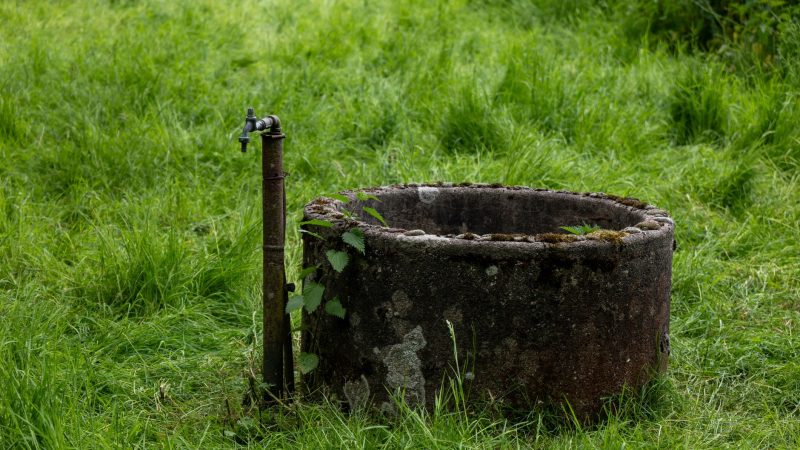
Every few years the same debate lands in my WhatsApp inbox: a neighbour is building a house and wants to know whether to sink a borewell or just wait for the corporation line. It sounds like a simple money question, but it almost never is. After 15 years running my own borewell, pump and overhead-tank setup, I can tell you the honest answer to well water vs municipal supply depends on your street, your soil, and how much upkeep you’re willing to own.
This guide lays the two side by side on the things that actually matter, cost, control, water quality, reliability and maintenance, so you can decide with your eyes open. Where it fits, I’ll point you to our complete homeowner’s guide to private wells and water sources for the deeper dives.
Key Takeaways
- Neither is universally “better.” Municipal wins on convenience and treated water; a private well wins on control and long-run cost.
- A borewell has a big upfront hit, often ₹80,000 to ₹3 lakh+ to drill and equip, but very low per-litre cost afterward.
- Municipal water is treated and monitored, but you inherit whatever happens between the plant and your tap, plus rising tariffs and rationing.
- Well water needs your testing and upkeep; city water shifts that responsibility to the utility.
- Many Indian homes run both, well for gardens and washing, treated municipal for drinking, which is often the smartest setup.
Well water vs municipal supply at a glance
Before we get into the weeds, here’s the head-to-head. Think of this as the “borewell vs corporation water” scorecard I wish someone had handed me before I drilled.
| Factor | Private well / borewell | Municipal supply |
|---|---|---|
| Upfront cost | High (drilling, pump, casing, tank) | Low (connection + deposit) |
| Ongoing cost | Mostly electricity + upkeep | Metered tariff, rises over time |
| Who treats the water | You do | The utility does |
| Quality control | Full control; also full responsibility | Treated at plant; risk in old pipes |
| Reliability | Depends on the water table | Depends on schedule & rationing |
| Maintenance effort | Higher (yours to manage) | Lower (utility handles the network) |
| Best for | Independence, large plots, gardens | Hands-off convenience, dense areas |
Cost: is well water actually cheaper?
People love to call well water “free,” and per litre it nearly is. But that ignores the cheque you write on day one. The real comparison is upfront capital versus a lifetime of metered bills.
The upfront numbers
On my own borewell, the drilling was only part of the spend. Once you add the pump, casing pipe, wiring, a starter/control panel and connecting it to the tank, a complete setup commonly lands somewhere in the ₹80,000 to ₹3 lakh range depending on depth and rig rates in your area. A municipal connection, by contrast, is usually a modest one-time deposit plus a connection fee.
The running numbers
After that, the picture flips. A well’s main running cost is the electricity to lift water, plus the occasional repair. Municipal water is metered, and in most cities tariffs only climb, sometimes with slab jumps once you cross a monthly threshold. Over 8 to 10 years, a well often pays back its upfront cost, especially on a large plot with a garden.
Tip from experience: When you budget a borewell, add a “dry hole” line item. My first neighbourhood attempt hit poor yield and we had to redrill deeper. Ask around locally about the water table before you commit a rig, success rates vary street to street.
Water quality and safety
This is where the “private well vs city water” debate gets emotional, so let’s keep it factual. Neither source is automatically safe or unsafe, it comes down to what’s in the water and who is watching it.
What municipal supply gives you
City utilities treat water to a standard and test it regularly, that’s a genuine advantage. The catch is the last mile. Old, cross-connected or leaky distribution pipes can pick up contamination after treatment, which is why boil notices happen. You control none of that network.
What a private well gives you
A well pulls from groundwater, so it skips the aging pipe network entirely. But there’s no plant treating it, the responsibility is yours. Common issues include hardness, iron staining, high total dissolved solids (TDS), and in some regions nitrate, fluoride or arsenic that you simply cannot see or taste.
Because of that, I get my borewell water lab-tested rather than trusting a TDS pen alone. For any source you drink from, confirm safety with a certified lab and, where relevant, a qualified professional, a home meter tells you a fraction of the story. India’s Bureau of Indian Standards publishes the drinking-water spec (IS 10500) that a good lab will report against, and the World Health Organization maintains international guideline values worth knowing.
Reliability: which one leaves you without water?
Both sources can fail, just differently. Knowing the failure mode helps you plan storage and backups.
- Municipal supply often arrives on a schedule, a few hours a day in many Indian towns, and can be rationed hard during summer or a drought. If the mains are cut, your whole street is dry.
- A private well is independent of any schedule, but it lives or dies by the water table. In a bad monsoon year, shallow wells drop and yields fall; a power cut also stops the pump unless you have backup.
This is exactly why so many homes keep an overhead tank and a decent sump, storage smooths out both kinds of outage. If you’re still choosing the source itself, our comparison of a private well vs a shared or community supply walks through the reliability trade-offs in more detail.
Maintenance and hassle
Convenience is the quiet reason many people stick with the corporation line. With municipal water, the utility owns the pipes, the treatment and most of the headaches. Your job ends roughly at the meter.
With a well, you become the water manager. Over the years mine has needed a pressure switch swap, a foot valve replacement, and periodic checks on the pump. None of it is scary once you learn the rhythm, but it is real, recurring work, and it helps to understand what kind of well you have. If you’re at the planning stage, see our breakdown of the best types of wells for homes, dug, bored and drilled compared, since the well type shapes how much upkeep you’ll face.
Can you use both a well and municipal supply?
Yes, and in my experience it’s often the best answer. Running both gives you the reliability of a well with the treated-water reassurance of the city line. Here’s a simple way to set it up sensibly.
- Decide the roles: many homes use well water for gardens, washing, flushing and cleaning, and reserve treated municipal (or filtered) water for drinking and cooking.
- Keep the two supplies plumbed separately, or use a proper changeover so they never back-feed into each other or into the mains.
- Store both, a sump plus an overhead tank, so a mains cut or a pump trip doesn’t leave you dry.
- Test your well water on a schedule and treat it (softener, iron filter or RO) based on what the lab report actually shows.
- Check local rules on cross-connection before you tie a private source anywhere near the municipal line.
Done right, a dual setup means you rarely think about water at all, which, honestly, is the whole point.
Well water pros and cons at a glance
If you’re weighing “well or municipal water,” these are the well water pros and cons that matter most in real life.
- Pros: independence from schedules and rationing, very low per-litre cost after payback, no last-mile pipe contamination, full control over treatment, great for large plots and gardens.
- Cons: high upfront cost, yield depends on the water table, you own all testing and maintenance, and a power cut stops the pump without backup.
Frequently Asked Questions
Is well water cheaper than municipal water?
Per litre, yes, once the borewell is paid off, you mostly pay for pumping electricity. But the upfront drilling and equipment cost is high, often ₹80,000 to ₹3 lakh. On a large plot with a garden, a well typically pays back within roughly 8 to 10 years.
Is well water safer than city water?
Neither is automatically safer. Municipal water is treated and monitored but can pick up contamination in old pipes. Well water skips the pipe network but has no treatment unless you add it. Always confirm safety with a certified lab test, a home TDS meter alone isn’t enough.
Can I use both a well and municipal supply?
Absolutely, and many homes do. A common setup uses well water for gardens, washing and flushing, and keeps treated municipal or filtered water for drinking. Keep the supplies plumbed separately or on a changeover, store both, and check local cross-connection rules first.
How often should I test private well water?
Test at least once a year as a baseline, and again after heavy rain, flooding, or any change in taste, colour or smell. New wells should be tested before first use. Send samples to a certified lab that reports against a recognised drinking-water standard such as IS 10500.
Does a borewell work during power cuts?
Only if you have a way to run the pump. Borewell pumps need electricity, so a cut stops them. This is why storage matters, a full overhead tank keeps water flowing during outages. Some owners add an inverter or generator for the pump, though that raises cost.
The practical upshot
Well water vs municipal supply isn’t a contest with one winner, it’s a fit question. If you value hands-off convenience and live somewhere with a reliable connection, the city line is hard to beat. If you want independence, own a large plot, and don’t mind being your own water manager, a well earns its keep over time. And for many households, running both is the sweet spot.
Whichever way you lean, get the water tested and store enough to ride out an outage. If you’re still weighing the options, browse our private well FAQ for the questions owners ask most, or start with the full private wells and water sources guide to plan your setup end to end.