The first summer I owned my borewell, I panicked. My pump started spitting air by late April, the flow dropped to a trickle, and I was sure the bore had failed. It hadn’t. The water table had simply dropped for the season, the way it does every year. Once I understood that seasonal well water levels follow a predictable rhythm, the panic stopped and the planning began.
I’m Arjun Mehta, and I’ve managed my own borewell, pump and overhead-tank setup for 15+ years across some very dry summers and some very generous monsoons. In this guide I’ll walk you through how groundwater rises and falls through the year, why your well behaves the way it does in each season, and exactly what to do month by month so you’re never caught off guard. If you want the full picture, start with our complete homeowner’s guide to private wells and water sources.
Key Takeaways
- Groundwater is seasonal: levels typically fall through summer (March, June), rise during and after the monsoon, and hold steadier in winter.
- A pre-monsoon drop of 3-8 metres is normal in many hard-rock areas of India, and does not mean your bore has failed.
- The monsoon recharges shallow wells fast but deep hard-rock bores often lag by weeks, so patience matters.
- Test your well’s yield in late summer (the worst case), not just after the rains, to know your true reliable supply.
- Simple recharge and storage steps now can carry you through the leanest 6-8 weeks of the year.
What actually drives seasonal well water levels
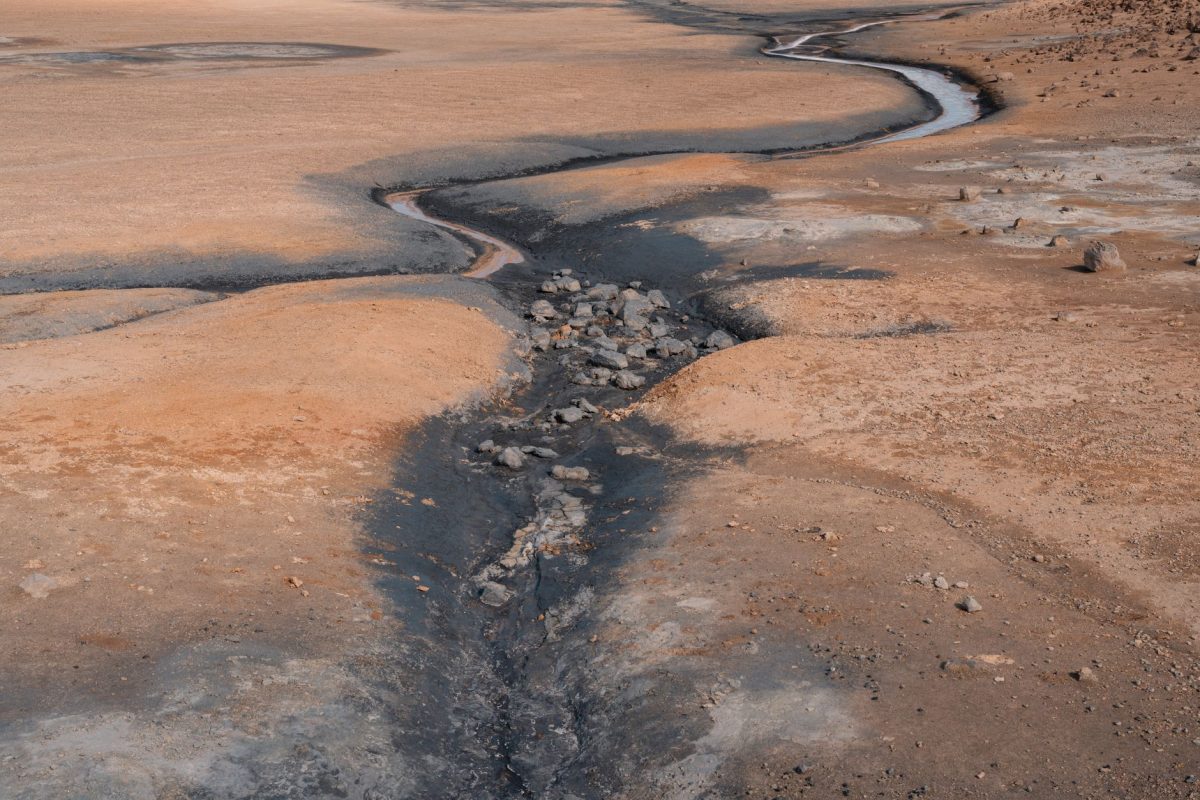
Your well is a window into the water table, the underground level below which the rock and soil are saturated. That level is not fixed. It’s the running balance between water going in (recharge) and water coming out (your pumping, plus natural discharge to streams and deeper aquifers).
Three things move that balance through the year:
- Rainfall and monsoon groundwater recharge, the single biggest input. In most of India, 70-90% of annual recharge arrives in the four monsoon months.
- Evaporation and demand, hot, dry pre-monsoon months pull water out fast, both from the ground and through heavier household and irrigation use.
- Aquifer type, sandy or alluvial ground stores and releases water gently; hard-rock (granite, basalt) bores fill and drain through cracks, so they swing harder and recharge slower.
That’s why two neighbours can see very different patterns. My hard-rock bore in a Deccan-type formation drops sharply in summer and takes its time to recover; a friend’s shallow dug well on sandy soil bounces back within days of the first heavy rain.
Season by season: what your well is doing and when
Summer (March, June): the annual low point and summer borewell drying
This is when the water table bottoms out. No fresh recharge, high evaporation, and peak demand all pull in the same direction. In many hard-rock regions the pre-monsoon level sits several metres below the post-monsoon peak. Wells that ran a strong stream in January can start gasping by May.
The classic warning sign is a pump that runs, then sucks air, then recovers after resting, the level has dropped near or below your pump’s intake. If that’s happening to you, our guide to the signs your well is failing or running dry will help you tell a seasonal dip from a real problem.
Don’t burn out your motor: When my bore ran low one May, the pump was cycling on and off against air. Running dry like that overheats the motor fast. I fitted a simple dry-run protector (roughly ₹800, ₹2,500 installed) and it has paid for itself twice over by saving the pump.
Monsoon (June, September): recharge season
This is the refill. Rain soaks in, percolates down, and the water table climbs. Shallow open wells and dug wells often respond within days of good rain. Deep hard-rock bores are slower, water has to travel through fine fractures, so the rise can lag the rain by two to six weeks. Don’t be discouraged if your bore doesn’t jump the day after the first downpour.
Monsoon is also when recharge structures earn their keep. Every litre you help soak into the ground now is water your bore can draw next summer.
Post-monsoon and winter (October, February): the steady stretch
Right after the rains, the water table is at or near its yearly high. Through winter, with little rainfall but also low evaporation and demand, levels decline slowly and steadily. This is the most comfortable season for well owners, and, as I’ll explain, a good window to test how much your well can really deliver at its best.
A quick-reference seasonal calendar
Here’s how I think about the year on my own setup. Dates shift by region, adjust for when your local monsoon actually arrives.
| Season | Typical water table | What you’ll notice | Your priority |
|---|---|---|---|
| Summer (Mar, Jun) | Lowest of the year | Weak flow, pump sucking air late in the day | Protect the pump, ration, store water |
| Monsoon (Jun, Sep) | Rising (bores lag rain) | Flow recovers; muddy first-flush possible | Maximise recharge, keep first-flush out |
| Post-monsoon (Oct, Nov) | Highest of the year | Strong, reliable flow | Test peak yield, service equipment |
| Winter (Dec, Feb) | High, slowly declining | Steady flow, few surprises | Plan and budget for next summer |
When is the best time to test well yield?
This trips up a lot of owners. It’s tempting to test right after the monsoon when your well is flush and everything looks great. But that number flatters you. It tells you the best case, not the case you’ll actually face in May.
For planning, the most useful figure is your late-summer yield, the flow your well sustains at its annual low. That’s the number that tells you whether you can survive the lean weeks without hauling in a tanker. I like to do it both ways:
- Test peak yield in October, November to know your well’s healthy ceiling and to benchmark it year over year.
- Test worst-case yield in April, May to know the floor you must actually design your storage and usage around.
- Compare the two. A well that holds a decent flow even in late summer is genuinely reliable; a big collapse between the two figures tells you to invest in storage and recharge.
If your late-summer numbers are shrinking year on year, that’s worth acting on rather than ignoring. I’ve written up exactly what I did when mine slid, in how I revived my low-yield borewell.
A month-by-month action plan
Reacting in a crisis is expensive. Preparing on a calendar is cheap. Here’s the routine I run every year.
Late winter / early summer (Feb, Mar): get ahead of the drop
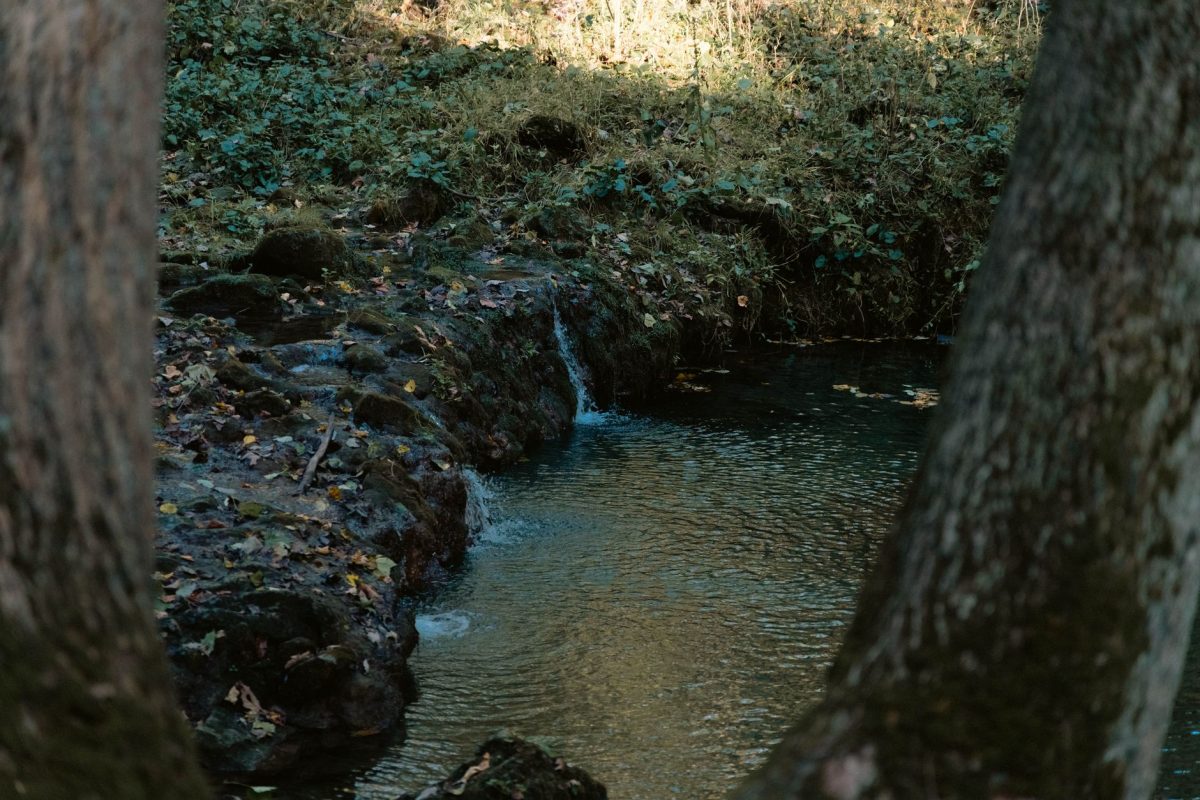
- Check and clean your storage tanks so you can bank water while flow is still strong.
- Confirm your dry-run protector or low-water cutoff actually works, test it, don’t assume.
- Note your resting water level now, so you have a baseline to compare against in May.
- Fix leaks and dripping taps; wasted water hurts most when supply is tightest.
Peak summer (Apr, Jun): ration and protect
- Pump in shorter, spaced sessions rather than one long draw, so the bore can recover between runs.
- Prioritise drinking and cooking; defer non-essential garden and washing loads to cooler parts of the day.
- Keep a tanker supplier’s number handy before you need it, not the day the tap runs dry.
Monsoon (Jun, Sep): recharge and protect quality
- Divert clean rooftop and yard runoff into a recharge pit or trench near the bore, this is the cheapest way to lift next year’s table.
- Keep the muddy “first flush” of a storm out of any recharge or open well; let the dirtiest early runoff pass first.
- After heavy rain and any flooding nearby, treat well water with extra caution until you’ve confirmed it’s safe.
Tip from my own yard: A basic recharge pit, a filter chamber leading to a bore or a soak pit that catches rooftop runoff, cost me somewhere in the ₹8,000, ₹25,000 range depending on size and digging. The season after I built mine, my post-monsoon level recovered noticeably faster. It’s the highest-return thing I’ve done for summer resilience.
Post-monsoon (Oct, Nov): test and service
- Measure peak yield and log it alongside previous years to spot long-term decline.
- Service the pump, check the foot valve and pressure switch, and replace worn parts while water is plentiful.
- Get your water tested by a certified lab now, when quality is typically at its most stable.
Groundwater trends in India: the bigger picture
Beyond the yearly rhythm, there’s a longer trend worth understanding. In many parts of India, especially where a lot of bores draw from the same hard-rock aquifer, the water table has been declining over years, not just seasons. Heavy summer pumping outpaces monsoon recharge, so each year can start a little lower than the last.
You can see how your own area is trending. India’s Central Ground Water Board monitors groundwater levels region by region, and its assessments can tell you whether local extraction is broadly sustainable or over-stressed. For water-safety questions, guidance from the World Health Organization on drinking-water quality is a solid, non-commercial reference.
The practical takeaway: don’t just plan for this summer, plan for a drier baseline over the next several. Recharge, careful pumping, and honest late-summer yield testing aren’t just good habits, over a hard-rock aquifer, they’re how a well stays alive for the long haul. Budgeting matters too; if you’re weighing a deeper bore, our breakdown of the real cost to drill a well lays out the numbers before you commit.
Frequently Asked Questions
Why does my well level drop in summer?
Because nothing is refilling it. From roughly March to June there’s little rain, evaporation is high, and household plus irrigation demand peaks. The water table falls to its yearly low, and in hard-rock areas it can sit several metres below the post-monsoon level. It’s usually seasonal, not a failed bore.
Does the monsoon refill borewells?
Yes, but not always instantly. Shallow open and dug wells often recover within days of good rain. Deep hard-rock bores lag because water seeps through fine fractures, recovery can take two to six weeks after the rains begin. If yours is slow, that’s normal; give it time and help it with recharge.
When is the best time to test well yield?
Test twice. Measure peak yield in October, November to know your healthy ceiling, and worst-case yield in April, May to know the floor you must plan storage around. The late-summer figure is the one that tells you whether you’ll survive the lean weeks without a tanker.
Is a big seasonal swing in my well level a problem?
A swing itself is normal, especially in hard-rock ground. What matters is the trend. If your late-summer level and yield shrink year over year, or the well now runs dry earlier each season, that points to over-extraction or a declining aquifer and is worth addressing with recharge and, if needed, professional advice.
Is well water safe to drink after heavy monsoon rain?
Treat it with caution. Heavy rain and nearby flooding can wash surface contaminants and bacteria toward your source, especially in shallow or poorly sealed wells. Don’t assume it’s fine because it looks clear. Have it checked by a certified lab, and confirm safety with a qualified professional before relying on it for drinking.
Putting it together
Your well isn’t unpredictable, it’s seasonal. Once you know that levels bottom out in summer, climb through the monsoon, and hold steady in winter, the whole year becomes something you can plan around instead of react to. Protect your pump in the dry months, capture recharge in the wet ones, and test your late-summer yield honestly so you know your real floor.
Do those few things on a calendar and most summer scares simply stop happening. If you’d like to build out the rest of your well-care routine, browse our complete guide to private wells and water sources, it ties every season, test and repair together in one place.