The casing pipe is the one borewell part you pay for, drop into the ground, and then never see again. That is exactly why people get it wrong. On my own borewell, drilled 15 years ago in hard Deccan rock, the casing was the single decision that quietly decided how clean my water stayed and how long my setup lasted. Get the borewell casing pipe selection right and you rarely think about it again. Get it wrong and you can face collapsed sidewalls, muddy water, or a stuck pump within a few seasons. This guide walks you through PVC versus MS, the correct diameter, and how deep the casing should actually run.
Key Takeaways
- Casing protects the top, loose section of the bore from collapse and surface contamination, not the whole depth.
- PVC casing suits most domestic borewells; MS (mild steel) is for deep bores, unstable ground, or heavy submersible pumps.
- Common domestic casing diameters are 4.5 inch, 5 inch, 6.5 inch, and 7 inch outer size; match it to your pump.
- Casing usually runs through the full soil and weathered rock zone, often 6-18 metres, sometimes deeper.
- A good casing job costs a small fraction of the total bore but prevents the most expensive failures.
What the casing pipe actually does
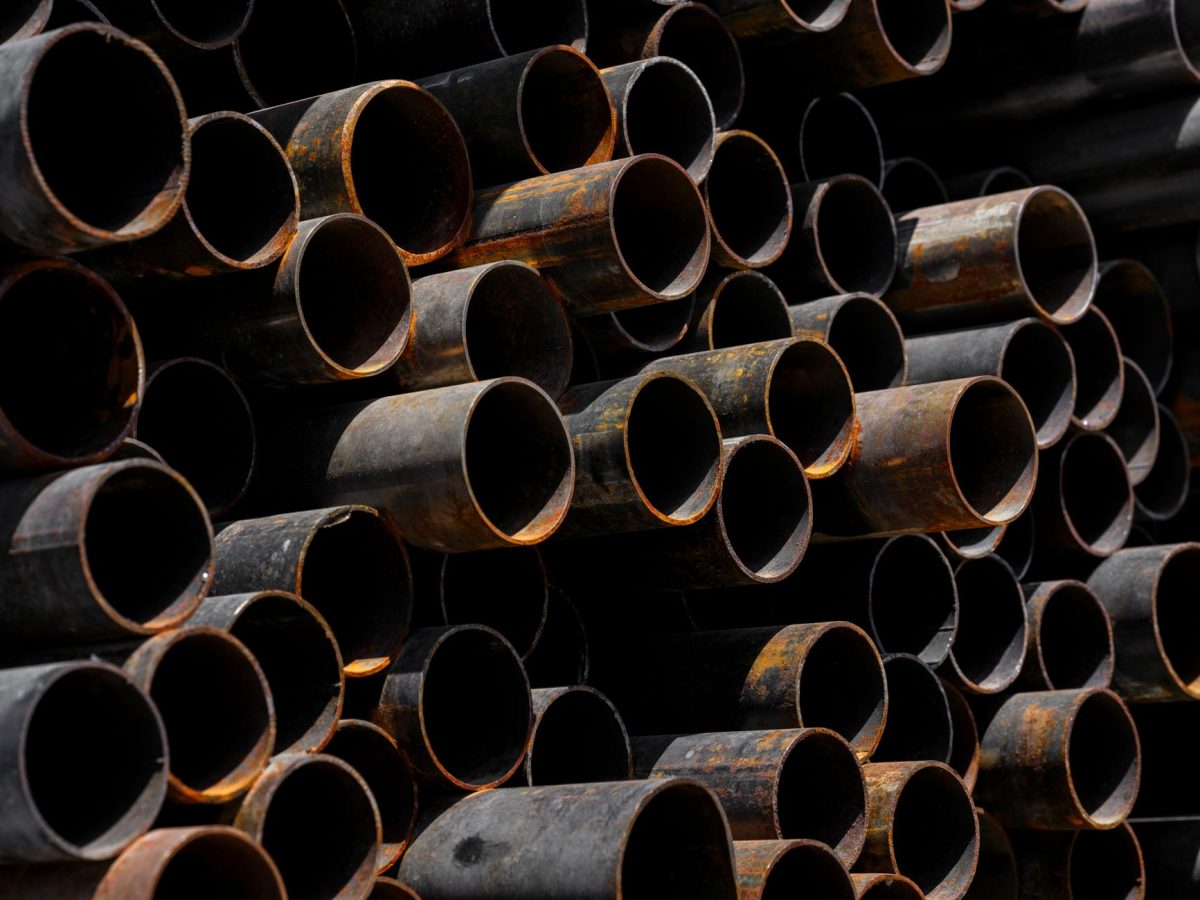
When a rig drills a borewell, the top layers are soil, sand, and soft weathered rock. Left open, those layers slump inward, muddy your water, and can crush a pump. The casing pipe lines that unstable top section so the hole stays straight and clean.
Below the casing, the bore continues through hard rock that stands on its own and does not need lining. So casing is not about the full depth of your well. It is about sealing off the problem zone near the surface. If you are still fixing basics, our explainer on what a borewell is and how it works gives the full picture.
A second, quieter job matters just as much: keeping dirty surface water out. Rain runoff, septic seepage, and fertiliser can trickle down along an unlined bore. Good casing, sealed at the top, blocks that path.
PVC vs MS casing pipe: the real comparison
The pvc vs ms casing pipe question is the one homeowners ask me most. Both work. They just suit different bores. PVC is the everyday choice for domestic wells because it is cheaper, does not rust, and is easy to handle. MS (mild steel) is stronger and handles deep, unstable, or high-load bores that PVC cannot.
| Factor | PVC casing | MS (mild steel) casing |
|---|---|---|
| Typical cost | Lower (roughly ₹200-₹500 per foot by grade) | Higher (roughly ₹500-₹1,200 per foot) |
| Corrosion | Rust-proof, immune to acidic water | Can rust over time, especially in aggressive water |
| Strength | Good for shallow to medium domestic bores | Very high, handles deep and unstable ground |
| Best depth | Usually up to 60-90 metres of casing | Deep bores, loose or collapsing formations |
| Water taste | Neutral, no metallic taint | Can add a metallic edge if it rusts |
| Lifespan | Often 20-30 years if undisturbed | Long, but rust can shorten it in bad water |
When PVC is the smart pick
For a normal home borewell in reasonably firm ground, medium-grade PVC casing is usually all you need. It never rusts, so your water keeps its clean taste for decades. It also weighs far less, which keeps installation simple and cheaper.
Look for casing marked to a recognised standard rather than the cheapest unbranded pipe. In India, BIS-marked casing to the relevant standard is worth the small premium. You can verify a standard mark through the Bureau of Indian Standards.
When MS earns its higher price
MS casing makes sense when the top formation is deep, sandy, or prone to caving, or when a heavy submersible pump needs a rigid, load-bearing top section. On very deep bores where the driller expects side pressure, steel gives peace of mind that plastic cannot.
The trade-off is rust. In acidic or saline groundwater, a steel casing can corrode and leave a faint metallic taste. If your area has aggressive water, weigh that carefully before choosing MS.
Tip: On my second bore I paid a little extra for slightly thicker-walled PVC than the driller first quoted. Fifteen years on it has never flexed or leaked, and the water still tastes clean. The wall thickness matters more than most people think, so ask for the pressure class in writing, not just “good quality pipe”.
Getting the borewell casing diameter right
The borewell casing diameter decides which pump fits and how much water the bore can carry. Casing is sized by its outer diameter, and your submersible pump has to slide inside with room to spare. Too narrow and the pump will not fit or run hot. Too wide and you pay for pipe you did not need.
| Casing size (OD) | Typical use | Common pump fit |
|---|---|---|
| 4.5 inch | Shallow domestic bores, low demand | 3 inch submersible |
| 5 inch | Standard single-home use | 3 to 4 inch submersible |
| 6.5 inch | Higher-yield homes, small farms | 4 inch submersible with margin |
| 7 inch and above | Agricultural or high-demand supply | Larger 4 to 6 inch pumps |
For most single-family homes, a 5 inch or 6.5 inch casing gives comfortable room for a 4 inch submersible. Always pick the casing to fit the pump you actually plan to run, not the smallest pipe that saves a few rupees today. Your yield expectations feed this too, so it helps to know how to measure your well yield and recovery rate at home before you finalise the size.
How deep should the casing go?
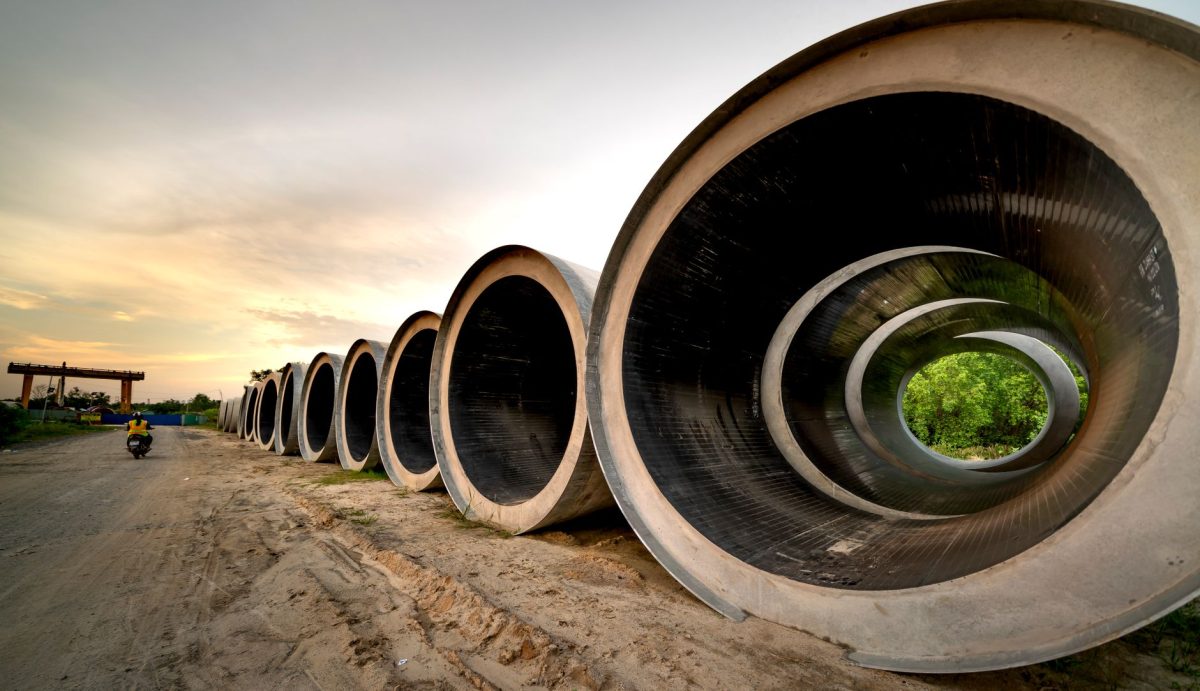
The right casing pipe depth is set by geology, not by a fixed rule. The casing should run through the full unstable top zone: soil, sand, clay, and weathered rock, and seat firmly into hard rock below. Where that hard rock begins is what decides your number.
- Ask the driller to note where soft ground ends and hard rock begins as the rig cuts through.
- Extend the casing a little past that boundary so it seats into solid rock, not loose material.
- Seal the annular gap at the top with cement grout to block surface water from seeping down.
- Keep the casing standing 30-60 cm above ground level so runoff cannot pour straight in.
- Record the final casing depth on paper for future pump or repair work.
In many parts of India that weathered zone runs 6-18 metres, though it can be much deeper in sandy or alluvial areas. The driller reading the cuttings is your best guide here. Choosing that boundary well starts even before drilling, which is why picking the right site matters; our guide on how to choose where to drill your borewell covers that groundwork.
Watch out: Some drillers quote a short casing length to lower the bill, then the shallow soil slumps within a year and clouds the water. If a quote looks unusually cheap on casing, ask exactly how many feet they will case and why. That single question has saved neighbours of mine a lot of grief.
Common borewell pipe types you will hear about
Beyond the casing itself, drillers talk about several borewell pipe types, and it helps to know which is which so a quote makes sense.
- Casing pipe: lines the loose top zone; the focus of this guide.
- Slotted or screen pipe: used in soft-formation wells to let water in while keeping sand out.
- Riser or column pipe: carries water up from the submersible pump; usually PVC, GI, or HDPE.
- Blank pipe: plain sections placed between screens in sandy bores.
In hard-rock borewells, which cover most of peninsular India, you mainly deal with casing plus a column pipe. In sandy or alluvial regions, screen and blank pipes become part of the design too.
A simple way to decide
If you want a quick mental checklist before you sign a drilling contract, run through these four questions with your driller.
- How deep is the loose zone here, and how much casing will you install?
- PVC or MS for my ground, and what pressure class or wall thickness?
- What casing diameter fits the pump I plan to run now and later?
- Will you grout and seal the top, and give me the depths on paper?
Before you drill anywhere, it is also worth checking local groundwater rules and permits, since many areas now regulate borewells. The Central Ground Water Board is a good starting point for the current position in India. For anything touching drinking-water safety, always confirm results with a certified lab rather than relying on the pipe choice alone.
Frequently Asked Questions
What casing pipe is best for a borewell?
For most home borewells in firm ground, a good BIS-standard PVC casing of the right pressure class is the best all-round choice. It never rusts, keeps water tasting clean, and lasts decades. Choose MS only for deep, unstable, or high-load bores.
How deep should casing go in a borewell?
Casing should run through the entire loose top zone of soil and weathered rock and seat into solid rock below. In much of India that means roughly 6-18 metres, but sandy or alluvial areas need more. Let the driller’s reading of the cuttings set the exact depth.
PVC or MS casing: which lasts longer?
Both can last a long time, but in a typical domestic bore quality PVC often outlasts MS because it never rusts. MS is stronger for deep or collapsing ground, yet in acidic or saline water it can corrode and shorten its service life while tainting the taste.
What casing diameter do I need for a home borewell?
Most single-family homes do well with a 5 inch or 6.5 inch outer-diameter casing, which gives a 4 inch submersible pump room to fit and run cool. Size the casing to the pump you plan to use, not the cheapest narrow pipe available.
Why does casing not run the full depth of the bore?
Below the loose top zone, the borewell passes through hard rock that stands on its own and does not collapse. Casing only needs to line the unstable upper section and seal out surface water, so lining the whole depth would add cost without adding protection.
Putting it together
Casing is cheap insurance for the most expensive thing you own underground. Match the material to your ground, the diameter to your pump, and the depth to where hard rock begins, then insist on a proper grout seal at the top. Do that, and the pipe you never see will keep your water clean and your bore straight for decades. For the wider picture on siting, yield, and upkeep, see our complete homeowner’s guide to private wells and water sources whenever you are ready to plan the next step.