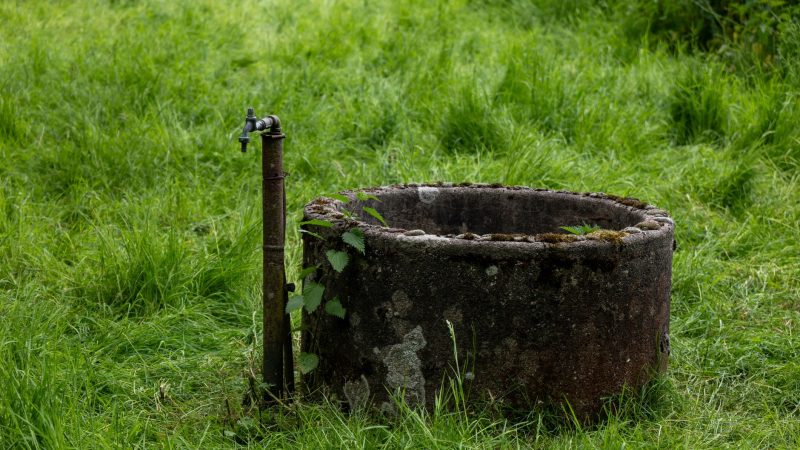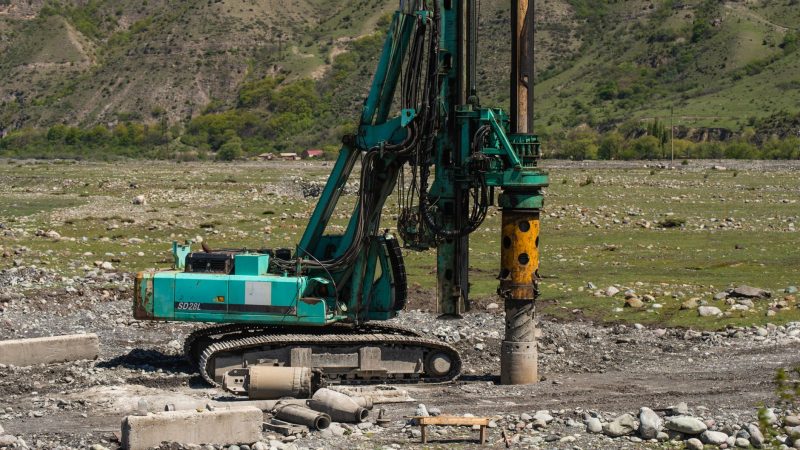
The first time my borewell started acting up, I nearly blamed the pump. The taps coughed, spat a little air, and then ran fine, so I ignored it for a week. That week cost me: by the time I paid attention, the water level had dropped below the foot valve and we were hauling buckets. Here’s the thing about the signs a well is going dry, they almost never arrive all at once. Wells warn you first, quietly, over days or weeks.
I’ve run my own borewell, pump, and overhead-tank setup for over 15 years, and I’ve learned to read these early warnings the way a farmer reads the sky. In this post I’ll walk you through the eight telltale signs your well is failing, what each one actually means, and what to do before your household loses water completely. Catch it early and you often avoid the panic, and the big bill.
Key Takeaways
- Sputtering, air-spitting taps are usually the first sign, they mean the pump is sucking air because the water level has dropped near the intake.
- Muddy, sandy, or cloudy water and a sudden change in taste often mean the water level is low enough to stir up sediment.
- A well that pumps for a few minutes then quits, or takes hours to “recover,” has a recharge problem, measure the drop before you re-drill.
- Most wells that dip in peak summer recover after the monsoon; a well that stays dry across seasons needs professional attention.
- Acting at the first sign typically costs far less (a lowered pump or a wait) than acting after full failure (deepening or re-drilling, often ₹40,000+).
1. Taps sputter and spit air
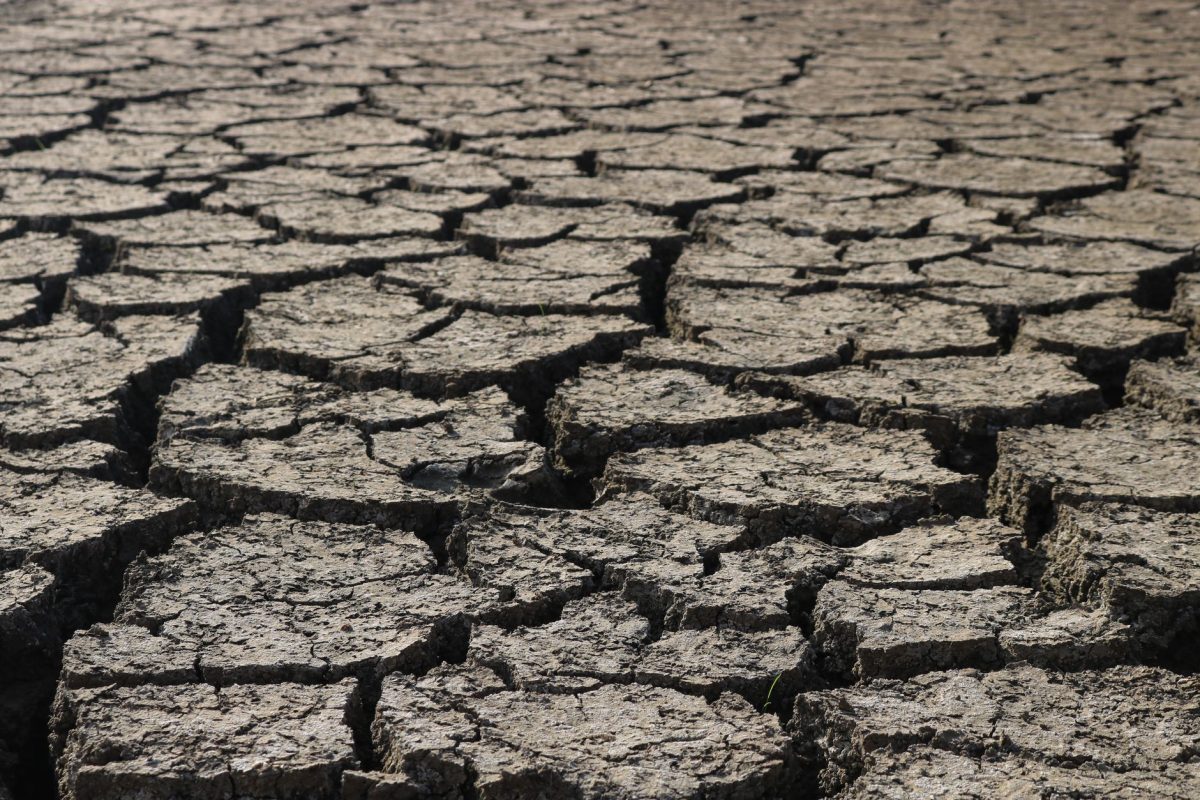
This is the classic first symptom, and it’s the one most people brush off. When your tap or shower coughs, hisses, and shoots out bursts of air mixed with water, it means your pump is drawing air along with water. That happens when the water level in the well has dropped close to the pump intake or foot valve.
On my own borewell, the spitting always started at the end of a long afternoon of watering the garden, the level had dropped from steady use and hadn’t recharged yet. If your taps sputter only when demand is high (evening baths, laundry) and settle overnight, that’s a well running close to its limit, not a plumbing fault. Don’t ignore it.
2. The pump runs but delivers little or no water
You switch on the pump, you hear it humming away, but the flow at the tank inlet is a dribble, or nothing. If the pump sounds normal but water won’t come, the level has likely fallen below the intake. A submersible pump running “dry” like this is dangerous: without water to cool it, the motor overheats fast.
Switch it off immediately if you suspect a dry run. Running a pump dry for even 10-15 minutes can cook the windings and turn a cheap problem into an expensive one.
Warning: A submersible pump that runs dry can burn out in minutes. If you hear the pump running hard with no water reaching the tank, cut power at once. A dry-run protector or a simple low-water float cut-off is one of the cheapest safeguards you can add, I fitted one after my first burnout and haven’t lost a motor since.
3. Water turns muddy, sandy, or cloudy
Clear water suddenly going brown, gritty, or milky is a strong hint the level is low. When the water column shrinks, the pump draws from nearer the bottom of the well, where silt, sand, and sediment settle. You may notice grit in the strainer, a film in the storage tank, or sputtering taps depositing fine sand.
Cloudiness can also follow heavy rain or a nearby drilling disturbance, so it isn’t always about drying up. But if muddiness arrives alongside a weaker flow, treat the two together as one warning.
Tip: Keep a clear glass by the kitchen tap. Fill it once a week and let it stand for an hour. If sediment settles at the bottom where the water used to stay clear, your level is probably dropping, that simple habit gave me a two-week head start more than once.
4. A change in taste, smell, or color
As the usable water gets shallower and more concentrated, dissolved minerals rise. Water may taste metallic, salty, or “earthy,” or pick up a sulphur (rotten-egg) smell. A rusty tint points to iron; a sudden hardness (soap not lathering, more scale on the kettle) can mean the same concentration effect.
Any change in how your water tastes or smells is worth taking seriously, not just for the well, but for safety. Don’t guess about whether it’s safe to drink. Get it checked by a certified lab, and use guidance from bodies like the World Health Organization and India’s Bureau of Indian Standards for what the results mean.
5. The pump cycles on and off rapidly
If your pump keeps kicking on and off in short bursts, what we call short-cycling, it can mean the well can’t feed water fast enough to keep up. The pump empties the little water available, loses prime or trips its low-level cut-off, waits, tries again, and repeats.
Short-cycling can also come from a faulty pressure switch or a waterlogged pressure tank, so rule those out first. But when the plumbing checks out and the cycling only happens after the well has been used hard, the well itself is the bottleneck.
6. You can only pump for a few minutes at a time
A healthy well lets you draw steadily for as long as you need. A failing one gives you a burst, say five or ten minutes of good flow, and then the flow collapses and you have to wait an hour or more before it returns. That waiting period is the well’s recovery time, and a long one is a red flag.
This is where numbers beat guesswork. Timing how long you can pump and how long recovery takes tells you the well’s real capacity. My step-by-step method is in how to measure well yield and recovery rate at home, do it before you spend a rupee on deepening.
7. A visibly dropping water level
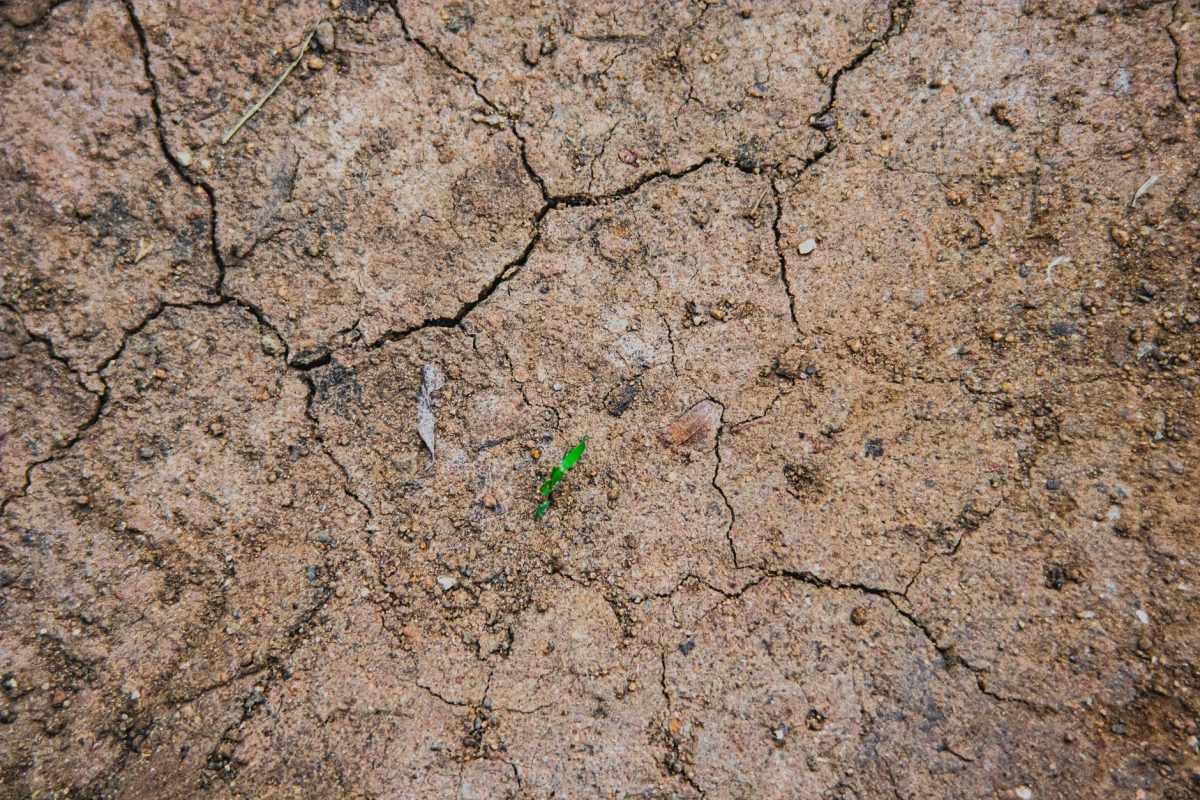
For open dug wells this is obvious, the waterline sinks lower against the wall each week. For borewells you can’t see in, but you can listen: drop a small weighted line or use a water-level meter and note the depth to water over time. A steady decline that doesn’t reverse after rain is the clearest sign of a well in trouble.
Keep a simple log. Even a note on your phone, “March: 60 ft to water; May: 78 ft”, turns a vague worry into hard evidence you can show a driller.
8. Neighbours’ wells are struggling too
Groundwater doesn’t respect property lines. If the borewells around you are also sputtering, going muddy, or being deepened, the whole local aquifer may be under stress, from drought, over-extraction, or a bad monsoon. That’s useful context: it tells you the problem may be regional and seasonal rather than a fault in your own well.
You can cross-check regional groundwater trends with the Central Ground Water Board, which tracks water levels across India. A neighbourhood-wide dip often recovers after the rains; a well that’s dry when everyone else’s is fine points to a problem with your own bore.
Reading the signs: how urgent is it?
Not every sign means disaster. Some point to a seasonal dip that fixes itself; others need action today. Here’s how I sort them.
| Sign | Likely cause | How urgent |
|---|---|---|
| Sputtering / air in taps | Level near pump intake | Act soon, lower pump or reduce use |
| Pump runs, no water | Level below intake / dry run | Urgent, cut power now |
| Muddy or sandy water | Drawing from silty bottom | Soon, check level, test water |
| Taste / smell change | Concentrated minerals | Test at a lab before drinking |
| Short-cycling pump | Slow recharge (or faulty switch) | Diagnose within days |
| Long recovery time | Low well yield | Measure, then plan |
| Falling water level | Aquifer / seasonal drop | Log it, watch the trend |
| Neighbours affected too | Regional groundwater stress | Often seasonal, monitor |
What to do when you spot the signs
When you notice one or more of these well running dry symptoms, work through these steps calmly before calling in the heavy machinery.
- Protect the pump first. If it’s running dry, switch it off and let it rest. Fit a dry-run protector if you don’t have one.
- Reduce demand. Cut non-essential use, garden, car washing, and spread big draws (laundry, tank filling) across the day so the well can recharge.
- Measure the level and recovery. Note the depth to water and how long it takes to bounce back after pumping. This is the single most useful number you can gather.
- Test the water. If taste, smell, or clarity changed, send a sample to a certified lab before anyone drinks it.
- Wait out the season if you can. Many wells that dip in peak summer refill after the monsoon. Don’t rush to deepen a well that may recover in weeks.
- Get a professional assessment. If the decline is steady across seasons, ask a driller about lowering the pump, deepening, or a recharge pit, in that order of cost.
A quick word on cost, because it drives the panic. Lowering an existing pump is cheap. Deepening or re-drilling is not, in my experience it usually runs into the tens of thousands of rupees (often ₹40,000 and up, depending on depth and geology). That gap is exactly why catching the early signs matters. Rushing straight to a driller is one of the classic, costly errors I cover in common well mistakes that cost homeowners money, and if you do end up needing new depth, the real cost to drill a well breaks down where the money actually goes.
For the full picture of how wells work, how to maintain them, and how to plan a reliable home supply, see our complete homeowner’s guide to private wells and water sources.
Frequently Asked Questions
How do I know if my well is running dry?
Watch for sputtering taps, a pump that runs but delivers little water, muddy or sandy water, and long recovery times between pumping. If several appear together and get worse over weeks, your well is likely running low. Measuring the depth to water confirms it.
Why does my well water sputter?
Sputtering means the pump is pulling air along with water. That usually happens when the water level has dropped close to the pump intake, so it draws air during heavy use. It can also be a cracked suction line or a failing foot valve, so check the plumbing too.
Can a dry well recover on its own?
Often, yes. Wells that drop during peak summer or a dry spell frequently refill after good rains recharge the aquifer. Recovery depends on your local groundwater. A well that stays dry across seasons, though, usually needs professional help such as deepening or a recharge structure.
Is it safe to drink water from a well that’s going dry?
Be cautious. As the level drops, sediment and concentrated minerals can rise, and taste or smell may change. Don’t assume it’s safe. Have a sample tested by a certified lab before drinking, and follow official water-quality standards rather than judging by appearance alone.
How much does it cost to fix a failing well?
It depends on the fix. Lowering an existing pump is inexpensive. Deepening or re-drilling a borewell can run into tens of thousands of rupees, often ₹40,000 or more depending on depth and rock. That range is why catching early warning signs saves real money.
So, where does that leave you?
Wells rarely fail without warning. A spitting tap, a patch of cloudy water, a pump that runs longer for less, each one is your well asking for attention. Learn to read them, keep a simple log of your water level, protect your pump, and you’ll usually have weeks of notice instead of a dry morning and an emergency call-out. Notice the signs early and you stay in control of the fix, and the cost.
If you’d like to understand your setup end to end, from yield and testing to maintenance and repairs, take a slow read through our complete guide to private wells and water sources. Your future self, standing at a working tap, will thank you.