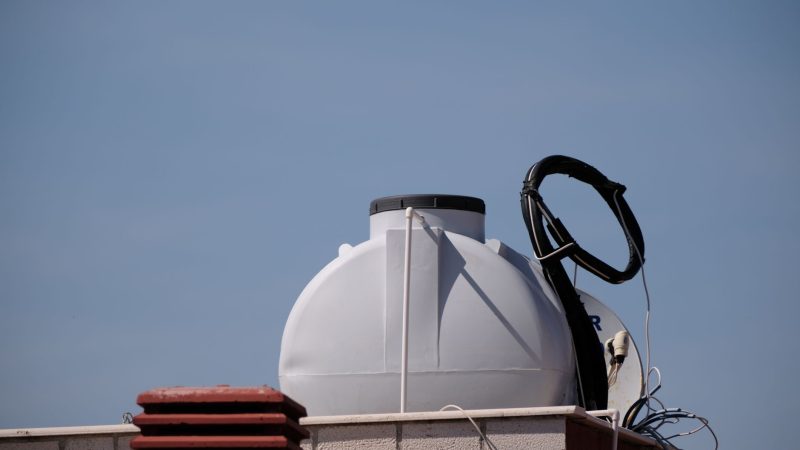
The first time I opened my overhead tank after a lazy summer, a wall of warm, eggy smell rolled out and I knew I’d earned it. I had left the lid slightly ajar, ignored the overflow, and skipped a cleaning cycle, three common water tank mistakes rolled into one bad afternoon. After 15 years babysitting my own borewell, pump, and rooftop tank, I’ve learned that spoiled water almost never comes from bad luck. It comes from a handful of small habits nobody warned us about.
In this guide I’ll walk you through the mistakes I see most often, why each one quietly ruins your stored water, and the simple fix for every single one. Start with our complete home guide to storage tanks and distribution if you want the big picture first.
Key Takeaways
- Most tank problems trace back to three things: a poor lid seal, a neglected overflow, and skipped cleaning.
- Sunlight plus stagnant water is what feeds algae, block the light and the green mostly disappears.
- A tank cleaned every 3-6 months rarely develops smells, slime, or biofilm.
- Overflow pipes are entry points for insects and lizards unless you screen them.
- Never chase a “fix” that trades one problem for another, like sealing a tank so tightly it can’t breathe.
Mistake 1: Leaving the lid loose or off
This is the number one cause of the water tank problems people write to me about. A gap of even a couple of centimetres lets in dust, leaves, insects, and, worst of all, sunlight. Once light and organic debris meet standing water, you’ve built a tiny pond ecosystem on your roof.
I’ve pulled drowned lizards, mosquito larvae, and a shocking amount of pigeon grit out of tanks with poor lids. None of it belongs in water you cook and brush your teeth with.
The fix: Use a lid that actually sits flush and stays put. If yours warps in the sun or blows off in the wind, weigh it down or replace it. The lid should keep light out but never be airtight, the tank needs to breathe as the water level rises and falls.
Mistake 2: Ignoring the overflow and vent
The overflow pipe is the most overlooked part of any tank. People notice it only when water is streaming down the outside wall and asking, “Why does my water tank overflow?” The honest answer is usually a stuck float valve or a pump left running too long, but the overflow pipe itself causes a quieter problem.
An open overflow is an open door. Insects crawl up it, lizards use it as a highway, and during heavy monsoon splash-back it can even siphon dirty roof water inward. Left unscreened, it undoes all the good work your lid is doing.
- Screen it: Tie a fine mosquito mesh over the outlet with a stainless clip or cable tie.
- Point it down: The overflow should discharge away from the tank, not pool at its base.
- Check the float valve: A worn valve that won’t shut off is the real reason most tanks overflow constantly.
Tip: On my own tank I replaced the cheap plastic float valve with a brass-armed one after the third overflow in a summer. It cost me maybe ₹250, ₹600 and I haven’t watched water run down the wall since. Float valves are consumables, expect to swap them every few years.
Mistake 3: Skipping regular cleaning
“It looks fine” is the phrase that gets tanks into trouble. Sediment, mineral scale, and a slippery biofilm build up on the walls and floor long before the water looks or smells off. By the time you notice, you’re already drinking through a layer of grime. These tank cleaning mistakes are the ones that cost people the most in the long run.
How often should you clean?
For most homes, every 3-6 months keeps a tank genuinely clean. If your source water carries a lot of silt, or you’re on a borewell with high iron, lean toward the shorter end. Here’s the schedule I actually follow.
| Task | How often | Why it matters |
|---|---|---|
| Full drain, scrub, disinfect | Every 3-6 months | Removes biofilm and sediment before they smell |
| Quick lid + overflow check | Monthly | Catches gaps and pests early |
| Float valve inspection | Every 6 months | Prevents overflow and wasted water |
| Inlet/outlet filter rinse | Monthly | Keeps grit out of the tank and taps |
If you’ve never cleaned yours, our step-by-step walkthrough on how to clean a water storage tank safely at home covers the whole process, including how to disinfect without over-chlorinating.
Mistake 4: Letting light feed algae
“What causes algae in a water tank?” is one of the most common questions I get, and the answer is almost always sunlight. Algae are plants; they need light to grow. A translucent white or light-blue tank sitting in full sun is basically a greenhouse. Cut the light and you starve the algae.
- Choose an opaque tank, dark or multi-layer tanks block far more light than thin white ones.
- Shade it, a simple cover, shade cloth, or wall on the sunny side works wonders.
- Keep the lid on, the biggest light leak is usually an open top, not the walls.
Overhead tanks bake in the sun all day, which is exactly why overhead tank errors around light and heat are so common. If you’re deciding where to put a new tank, our comparison of water tank myths versus facts clears up a lot of the “put it in the shade or it’ll get too cold” folklore.
Mistake 5: Blaming the tank for smell problems
“Why does my tank water smell bad?” usually points to one of two things. A rotten-egg, sulphur smell often comes from bacteria reacting with water in a warm, stagnant tank, or from the source water itself. A musty, earthy smell is typically algae or biofilm. A plasticky taste in a brand-new tank is normal and fades after a couple of rinses.
The mistake is assuming the tank is the villain when the real culprit is stagnation. Water that sits for weeks, especially in summer, will always go off faster than water that turns over regularly.
A word of caution: A persistent rotten-egg smell can sometimes signal hydrogen sulphide or bacterial contamination in your source. If cleaning doesn’t fix it, don’t guess, get the water tested by a certified lab before you treat it as safe to drink. Smell alone is not a reliable safety check.
Mistake 6: Setting up the tank wrong from day one

Some problems are baked in during installation. A tank plumbed with the outlet flush to the floor, for example, will suck up every bit of settled sediment straight into your taps. A few small design choices prevent years of grief.
- Raise the outlet slightly above the floor so sediment stays put and gets flushed during cleaning instead of served with your tea.
- Add a drain valve at the lowest point, draining a tank without one means bailing it by hand.
- Fit a first inlet screen so grit is caught before it enters, not after.
- Support the base fully, a large tank sitting on an uneven or partial base can crack or bulge over time.
If you’re at the buying stage, don’t overlook material either, the pros and cons of poly, concrete, and steel differ a lot in how they handle heat and algae.
Mistake 7: Over-treating the water
The opposite of neglect is just as harmful. I’ve met owners who dump chlorine bleach into the tank weekly, convinced more is better. Over-chlorinating leaves water tasting like a swimming pool, can irritate skin, and still won’t fix a hardware problem like a leaking lid.
Do it right instead
- Fix the physical issue first, lid, overflow, and light are what let the tank get dirty.
- Clean and scrub the tank properly before adding any disinfectant.
- Use disinfectant only in the recommended dose, and let the tank stand and then rinse before regular use.
- Test the water if you’re ever unsure whether it’s safe, rather than adding more chemicals to be “safe.”
The World Health Organization publishes solid, non-commercial guidance on safe drinking water if you want to understand what “safe” actually means beyond taste and smell, worth a read at who.int. For groundwater quality standards in India, the Central Ground Water Board is a good starting point.
A quick self-check for your tank
Run through this the next time you’re up on the roof. It takes five minutes and catches nearly every mistake above before it becomes a problem.
- Is the lid sitting flush, with no gap letting in light or bugs?
- Is the overflow screened and pointing away from the tank?
- Does the water look clear and smell neutral when you scoop a cupful?
- Is there any green tinge on the walls near the light-facing side?
- When did you last do a full clean, was it within six months?
Any “no” tells you exactly where to spend your next hour. For a printable version you can stick inside the utility cupboard, grab our home water tank maintenance checklist.
Frequently Asked Questions
Why does my tank water smell bad?
Most tank smells come from stagnant, warm water feeding bacteria or algae. A rotten-egg smell often points to sulphur or bacterial activity, while a musty smell suggests biofilm. Clean the tank, improve turnover, and if the smell persists, have the water lab-tested before drinking it.
What causes algae in a water tank?
Sunlight. Algae need light to grow, so a translucent tank in direct sun is the perfect breeding ground. Block the light with an opaque tank, a shade, or a properly fitted lid, and the green growth usually disappears on its own within a couple of cleaning cycles.
Why does my water tank overflow?
Nine times out of ten it’s a stuck or worn float valve that won’t shut the inlet off, or a pump left running past the fill point. Replace the float valve if it’s old, and consider a level sensor or auto cut-off if you run a pump on a timer.
How often should I clean my water tank?
Every 3-6 months is right for most homes. If your water is silty or high in iron, clean toward the shorter end. Between full cleans, do a quick monthly check of the lid, overflow, and inlet filter to catch small issues before they grow.
Is it safe to drink water from a plastic overhead tank?
Yes, provided the tank is food-grade, kept clean, sealed against light and pests, and the source water is safe. A brief plastic taste in a new tank is normal and fades. If you have any doubt about safety, get the water tested rather than relying on look or smell.
The practical upshot
Clean stored water isn’t about expensive gadgets, it’s about not making the small mistakes that quietly spoil it. Seal the lid, screen the overflow, block the light, clean on a schedule, and resist the urge to over-treat. Do those five things and your tank will stay clean year-round with almost no drama.
If you’d like the full picture of how tanks, pumps, and pipes work together, take a wander through our complete guide to storage tanks and distribution whenever you have a spare cup of tea. Your future self, lifting a clean lid on a hot afternoon, will thank you.