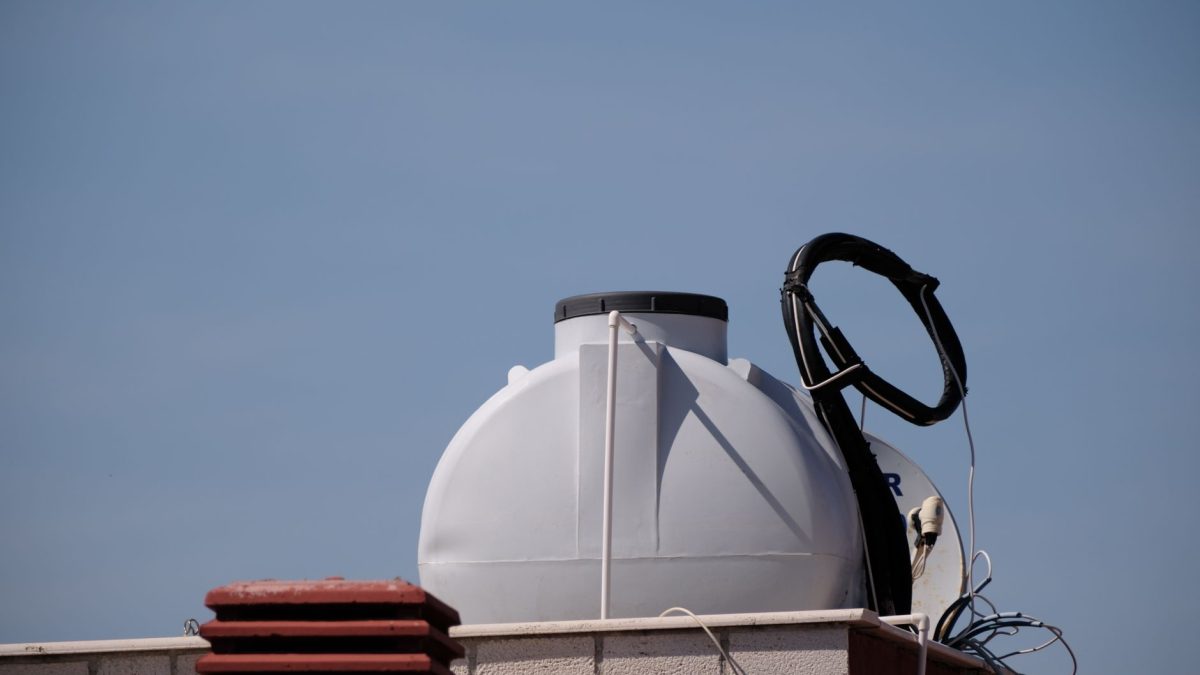
Most of us only look inside the water tank when something has already gone wrong, a slimy film on the walls, a musty smell at the tap, or a float valve that jammed and flooded the terrace overnight. I learned that the hard way: after 15 years running my own borewell, pump and overhead tank, I can tell you that nearly every “sudden” tank problem is really a slow one that nobody was watching. A simple water tank maintenance checklist changes that. In this guide I’ll give you a printable, season-by-season routine, what to inspect, how often, and the small fixes that keep your stored water clean and your tank leak-free.
Nothing here needs special tools. If you can climb to the terrace safely and hold a torch, you can do most of it yourself. This checklist sits under our broader complete home guide to storage tanks and distribution, so use it as the hands-on companion to that overview.
Key Takeaways
- Do a 5-minute visual check monthly, a fuller inspection every 3 months, and a full clean-and-disinfect every 6 months (twice a year).
- The three things that quietly cause the most trouble: a loose or missing lid, a worn float valve, and an unscreened overflow/vent pipe.
- Log every task with a date. A tank cleaned “sometime last year” is a tank nobody actually remembers cleaning.
- Match the routine to the season, pre-monsoon and peak-summer checks catch the failures that are most likely then.
- For drinking-water safety, a clean tank helps but is not proof of safety, confirm with a certified lab test if in doubt.
Why a written checklist beats “I’ll get to it”
Tank upkeep fails for one boring reason: no single job is urgent, so none of them ever gets done. A cracked lid gasket, a slightly leaky overflow, a float valve that closes a fraction late, each is harmless alone. Together, over a monsoon, they turn a clean tank into a breeding spot for algae, mosquitoes and grit.
A checklist fixes this by turning vague intentions into dated, tickable tasks. It also spreads the work out. Instead of one dreaded annual scrub, you do tiny checks often and catch problems while they’re cheap. On my own overhead tank, moving from “when I remember” to a fixed monthly glance cut my cleaning effort roughly in half, because the water simply stayed cleaner between cleans.
Your water tank maintenance checklist, by frequency
Here’s the core tank inspection checklist, grouped by how often each task needs doing. Copy this into a note on your phone or print it and tape it inside a cupboard near the pump switch, somewhere you’ll actually see it.
| Frequency | Task | What “good” looks like |
|---|---|---|
| Monthly | Lift the lid, shine a torch inside | Water clear, no floating debris, no film on walls, no larvae wriggling |
| Monthly | Check the lid seals fully | Sits flat, no gap for light, dust or insects to enter |
| Monthly | Glance at overflow pipe outlet | Dry when tank isn’t overflowing; mesh screen intact |
| Quarterly | Test the float valve / level switch | Water stops at the set level; no dribbling overflow, no dry running |
| Quarterly | Inspect walls, base and pipe joints for damp | No wet patches, salt streaks or hairline cracks |
| Quarterly | Wipe the outlet strainer / first filter | Free of grit and sediment |
| Half-yearly | Full drain, scrub and disinfect | Walls and base scrubbed, rinsed, chlorinated, rinsed again |
| Half-yearly | Replace worn gaskets, screens or a tired float valve | Everything sealing and closing like new |
| Yearly | Check tank mounting, stand and structural support | Stand level and rust-free; tank not sagging or tilting |
The monthly 5-minute glance
This is the single highest-value habit. Once a month, climb up, lift the lid and look. You’re checking three things: is the water clear, is the lid sealing, and is anything living in there? Mosquito larvae are the early-warning sign that your lid or vent isn’t sealed. If you see them, you’ve found an insect entry point, not just a mosquito problem.
The quarterly working check
Every three months, go deeper. Run the pump and watch the float valve actually shut off, this is the part that fails silently and either overflows water down your wall or lets the pump run dry. Then walk around the tank base and the pipe joints looking for damp, mineral streaks or a hairline crack. Damp at a joint today is a leak next month.
Tip from experience: Keep a cheap fine-mesh screen zip-tied over both the overflow pipe and the air vent. On my tank, an unscreened overflow was the entry route for insects and the odd lizard for years before I worked it out. A ₹20 piece of mesh solved a problem I’d blamed on a “bad lid.”
The half-yearly deep clean, step by step
Twice a year, the tank needs more than a look, it needs a full clean and disinfect. Time it so you’re not left without water: do it when supply is reliable and you can refill quickly. Here’s the order I follow:
- Turn off the inlet pump and let the tank draw down through normal use until it’s nearly empty.
- Open the drain valve (or bail out the last few inches) so no dirty water is left standing.
- Scrub the walls, corners and base with a stiff brush. Avoid harsh solvents, plain water and elbow grease remove most biofilm.
- Rinse thoroughly and pump out the rinse water so grit doesn’t settle back.
- Disinfect: fill partway and add a suitable dose of household chlorine bleach, let it sit for the contact time, then scrub the waterline once more.
- Drain the chlorinated water fully, then refill and drain once to flush out the chlorine smell before you use the water.
- Reseal the lid, confirm the vent and overflow screens are on, and log the date.
For exact chlorine dosing, contact times and safety precautions, follow our detailed walkthrough on how to clean a water storage tank safely at home rather than guessing, dose depends on tank volume, and too much chlorine is as much a problem as too little.
Seasonal tank care: what to prioritise when

The same tasks matter more at different times of year. Layering a seasonal rhythm over the frequency checklist above catches the failures that are most likely in each season.
- Pre-monsoon: Reseal the lid and screen the vent and overflow before the rains. This is peak mosquito-breeding and contamination season, a poorly sealed tank is most exposed now.
- Monsoon: Check more often for cloudiness and grit if your source water gets dirtier after rain. Inspect the roof and stand for water pooling or rust.
- Peak summer: Watch levels and the float valve closely during supply cuts, this is when an overflow leak or a dry-run wastes water you can’t spare. Sizing matters here too; see our guide on sizing water storage to survive summer supply cuts.
- Post-winter / cooler months: A good time for the deep clean, when you’re less dependent on constant supply and the weather makes terrace work comfortable.
Common things people miss
Even careful owners tend to skip the same few items. In my experience these are the quiet culprits behind most “why is my water suddenly off?” calls:
- The air vent. Every tank needs one so it can breathe as it fills and empties, and every vent needs a screen. An open vent is an insect highway.
- The overflow pipe. People check the lid but forget the overflow is an open pipe straight into the tank. Screen it.
- The float valve. A worn valve either overflows continuously (silent water waste) or fails to open (dry-running your pump). Test it, don’t assume it.
- The tank stand. A rusting steel stand or a sagging slab under a full tank is a safety issue, not a cosmetic one. Look once a year.
- Dating your work. Undated maintenance is guesswork. Write the date on a taped card or a phone note every single time.
For a fuller rundown of the traps to avoid, our companion piece on common water tank mistakes and how to avoid them goes deeper on each of these.
Safety note: A clean, well-maintained tank protects water quality, but it is not a guarantee of safe drinking water. If anyone in the home is falling ill, if the water tastes or smells wrong, or if you simply want certainty, get a sample tested by a certified lab. Guidance from bodies like the World Health Organization stresses that storage hygiene is only one part of water safety.
Frequently Asked Questions
What maintenance does a water tank need?
A tank needs three layers of care: a quick monthly visual check, a quarterly working inspection of the float valve, seals and joints, and a full drain-scrub-disinfect twice a year. Keeping lids, vents and overflow pipes screened and sealed prevents most problems before they start.
How often should I inspect my water tank?
Do a five-minute visual glance every month, a more thorough working check every three months, and a full clean roughly every six months. If your source water is dirty, you have frequent supply cuts, or you’re on a shared/older tank, inspect more often, monthly cleaning may even be worthwhile.
What should I check on an overhead tank?
Check that the lid sits flush and sealed, the air vent and overflow pipe are screened, the float valve stops water at the right level, and the walls and base show no damp or cracks. Once a year, confirm the stand or slab supporting the full tank is level and rust-free.
How do I know if my float valve needs replacing?
Watch it during a fill cycle. If water keeps dribbling out of the overflow after the tank is full, the valve isn’t closing fully and is due for replacement. If the tank won’t refill or the pump runs dry, the valve may be stuck shut. A tired valve typically costs little to swap.
Can I do tank maintenance myself or do I need a professional?
The visual checks, screening, sealing and routine cleaning are well within reach for most homeowners with safe terrace access. Call a professional for structural stand repairs, plumbing changes, or if you’re unsure about safely draining and refilling a large tank. Never enter a large enclosed tank alone.
So, where does that leave you?
Good tank maintenance isn’t about big annual projects, it’s about small, dated habits that stop problems while they’re cheap. Glance monthly, inspect quarterly, deep-clean twice a year, and layer in the seasonal checks. Do that, and your stored water stays clear, your float valve stops surprising you, and your tank quietly does its job for decades. Print this checklist, tape it near the pump, and tick the first box today.
Want the full picture on choosing, sizing and running your storage setup? Head back to our complete guide to water storage tanks and distribution for everything that connects to this routine.