Stand in any hardware market and you’ll see the same three water tanks lined up: a chunky black or blue poly tank, a plumber pitching a cast-in-place concrete sump, and a shiny stainless steel drum that costs a small fortune. Picking between them feels harder than it should. I’m Arjun Mehta, and over 15+ years running my own borewell, pump and overhead-tank setup I’ve bought, cursed, cleaned and replaced all three. This poly vs concrete vs steel tank comparison walks you through lifespan, cost, hygiene, weight and upkeep so you can pick the right material once and not think about it again for a decade.
Key Takeaways
- Poly (plastic/HDPE) tanks win on price and weight: a 1,000-litre tank runs roughly ₹6,000, ₹12,000 and lasts 10-15 years with basic care.
- Concrete tanks are the go-to for large underground sumps and last 30+ years, but they can develop hairline leaks and cost more to build well.
- Stainless steel tanks are the hygiene and longevity champion (20-25+ years) but cost 2-4x a poly tank of the same size.
- There is no single “best tank material”, the right pick depends on where it sits (overhead vs underground), your budget, and your water quality.
- Whatever you choose, food-grade material, UV protection and yearly cleaning matter more than the badge on the side.
The three contenders at a glance
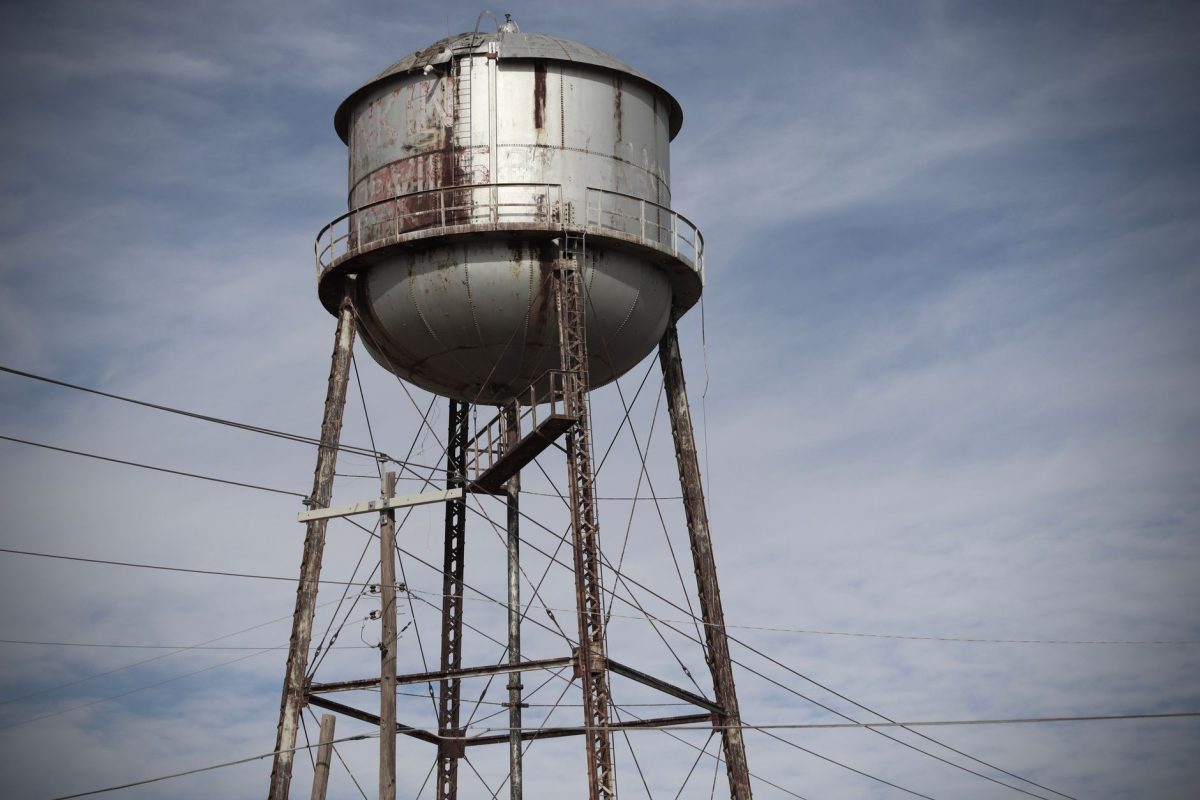
Before we get into the weeds, it helps to see the trade-offs side by side. Each material solves a different problem well and stumbles somewhere else. If you want the wider context on where each one fits, our complete home guide to water storage tanks and distribution maps out the full system; this article zooms in on the material choice itself.
| Factor | Poly (HDPE) | Concrete | Stainless steel |
|---|---|---|---|
| Typical lifespan | 10-15 years | 30+ years | 20-25+ years |
| Cost (1,000 L) | ₹6,000, ₹12,000 | ₹15,000, ₹30,000 built | ₹18,000, ₹35,000+ |
| Weight (empty) | Very light | Extremely heavy (fixed) | Light, moderate |
| Best position | Overhead or ground | Underground sump | Overhead or ground |
| Hygiene | Good (food-grade) | Fair (can harbour algae/scale) | Excellent (no algae, no leaching) |
| Leak risk | Low; cracks if brittle | Moderate; hairline cracks | Very low |
| DIY friendly | Yes, buy and lift | No, needs a mason | Partly, heavier, needs support |
Poly (plastic) water tanks: cheap, light, everywhere
The rotationally-moulded HDPE poly tank is the default choice across most Indian homes, and for good reason. It arrives in one seamless piece, weighs almost nothing empty, and two people can carry a 1,000-litre tank up to a rooftop. That single fact, that you can actually lift it onto a slab, is why poly dominates the overhead-tank market.
Where poly shines
- Price. The cheapest option litre-for-litre, and easy to size up.
- Weight. No structural reinforcement needed for the roof.
- No leaks from joints. A one-piece body has nothing to seal.
- Food-grade layers. Good brands use a black inner UV-blocking layer plus a food-grade white inner surface.
Where poly falls short
Sunlight is the enemy. A cheap single-layer tank left in harsh sun can go brittle and chalky in 5-7 years, and I’ve seen one crack along a seam during a hot April. Poly also transmits heat, so a rooftop tank can make your water uncomfortably warm by evening unless it has a light-reflecting or insulated outer layer. Always buy a 3-layer (or Sintex-style multi-layer) tank, not the bargain single-wall one.
Tip from my roof: When I swapped my old single-layer poly tank for a 4-layer one with a foam-insulated wall, the evening water temperature dropped noticeably and the algae problem I’d been fighting basically vanished, the darker inner layer keeps light out. Pay for the extra layers; it’s the cheapest upgrade you’ll ever make.
Concrete water tanks: built to outlast the house
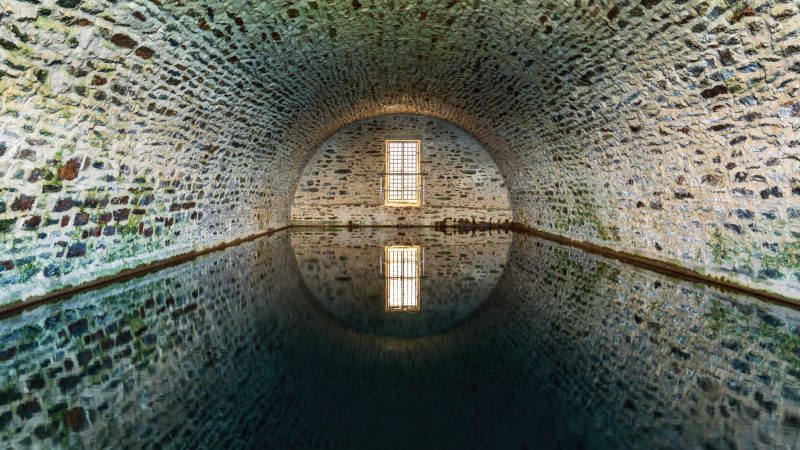
Concrete (RCC, reinforced cement concrete) is the workhorse for large underground sumps, the storage tank that sits below ground and feeds your pump. When you need to store 3,000, 5,000 or 10,000 litres, buying that much poly gets awkward and pricey, and a masonry or cast RCC tank starts to make sense. It’s structural, permanent, and stays cool because the earth around it acts as insulation.
The strengths
- Longevity. A properly built and cured concrete tank can serve 30+ years.
- Big capacity, low cost per litre. Once you cross a few thousand litres, concrete is often the most economical.
- Cool, stable water. Below-ground concrete keeps water temperature steady year-round.
- Fixed and secure. It won’t blow off a roof or float away in a flood.
The catch: leaks and hygiene
Do concrete tanks leak over time? They can. Concrete is porous, so a tank that wasn’t waterproofed, cured or reinforced properly will develop hairline cracks and seepage, sometimes within a few years, sometimes after a decade of ground movement. A good waterproof coating (like a food-safe cementitious or epoxy lining) fixes this, but it’s an extra step many contractors skip. Concrete also lets algae, scale and biofilm take hold on rough inner walls, so it needs disciplined annual cleaning. Because underground sumps are the classic concrete use case, our guide to overhead vs underground water tanks is worth a read before you commit to digging.
Warning: An underground concrete sump near a septic tank or soak pit can be contaminated by seepage if the walls crack. Keep a safe separation, waterproof both structures, and if you ever notice a change in taste, smell or clarity, get the water checked at a certified lab before drinking it. Never assume clear water is safe water.
Stainless steel water tanks: the hygiene upgrade
A stainless steel water tank is what you buy when clean water matters more than saving money. Grade 304 stainless (the common food-grade choice) doesn’t leach chemicals, doesn’t let sunlight through, and gives algae almost nothing to cling to. The inner surface stays smooth for years, so cleaning is quick and biofilm struggles to establish. If you’ve ever opened a poly tank and found green film on the walls, you’ll understand the appeal instantly.
Why people pay the premium
- Best-in-class hygiene. No algae, no plastic taste, no leaching concerns.
- Long life. 20-25+ years is realistic with a good grade of steel.
- Heat and UV proof. The opaque wall keeps light out and shrugs off sun.
- Recyclable and sturdy. It won’t go brittle like an aged plastic tank.
The downsides to weigh
Are steel water tanks worth it? For many households, yes, but the price is real. Expect to pay roughly 2-4 times a comparable poly tank. Lower grades or thin-gauge steel can rust or pit if the weld quality is poor or if your water is very acidic or high in chlorides, so buy 304 (or 316 for aggressive water) from a reputable maker. Steel also conducts heat, so an unshaded rooftop steel tank can warm up, a light insulating jacket helps. For the full money picture across all three materials, see our breakdown of what a water storage tank really costs.
Which lasts longer, and which is cleaner?
Two questions come up more than any other, so let’s answer them plainly.
- Longest life: a well-built concrete tank (30+ years), followed by stainless steel (20-25+), then poly (10-15). But “well-built” is doing heavy lifting for concrete, a poorly cured one can leak in five.
- Cleanest water: stainless steel, comfortably. Poly is a solid second when it’s food-grade and multi-layer. Concrete needs the most cleaning discipline to stay hygienic.
- Best value: poly for most overhead needs; concrete for large underground storage; steel when hygiene is the priority.
How to choose: a 5-step decision
Instead of arguing about “best tank material” in the abstract, run your own situation through these steps.
- Fix the location first. Overhead means light and liftable, poly or steel. Underground means concrete or a buried poly sump. Location rules out options before budget does.
- Size your storage. Under ~2,000 litres overhead, poly almost always wins. Several thousand litres underground, concrete gets economical.
- Check your water quality. Hard, acidic or high-chloride water pushes you toward 316 steel or a well-lined tank; get a lab test if unsure.
- Set your budget honestly. Include the tank plus stand, plumbing and any waterproofing, not just the sticker price.
- Weigh upkeep you’ll actually do. If yearly cleaning is a stretch for you, steel’s low-maintenance surface earns its cost.
If you’d rather see materials ranked head-to-head with real use-cases, our ranked review of the best water tank types for homes pairs nicely with this comparison.
The verdict
Here’s how I’d advise a neighbour asking me over the wall:
- Most homes, overhead tank: a 3- or 4-layer food-grade poly tank. Best value, easy to install, easy to replace.
- Large underground storage: a properly waterproofed concrete sump, or a buried poly tank if you want to skip the masonry.
- Hygiene-first or long-term set-and-forget: a 304 stainless steel tank, if the budget allows.
For guidance on material grades and safe drinking-water storage, India’s Bureau of Indian Standards and the World Health Organization are solid, non-commercial references worth bookmarking.
Frequently Asked Questions
Which lasts longer, plastic or concrete tank?
A well-built, waterproofed concrete tank usually outlasts plastic, often 30+ years versus 10-15 for a good poly tank. But concrete’s edge depends entirely on quality construction and curing. A poorly made concrete tank can crack and leak sooner than a decent multi-layer plastic one.
Are steel water tanks worth it?
For hygiene-focused households and long-term storage, yes. A 304 stainless steel tank resists algae, blocks UV, and lasts 20-25+ years with little upkeep. The catch is cost, roughly two to four times a poly tank. If clean water and low maintenance matter most to you, it earns the premium.
Do concrete tanks leak over time?
They can. Concrete is porous, so a tank that wasn’t properly waterproofed, cured or reinforced may develop hairline cracks and seepage over the years. A good food-safe cementitious or epoxy lining prevents most leaks. Inspect the walls periodically and re-coat if you spot damp patches or seepage.
Is plastic water tank safe for drinking water?
A genuine food-grade, multi-layer HDPE tank is considered safe for drinking water and is used in millions of homes. Look for a black UV-blocking inner layer to prevent algae. Avoid cheap single-layer tanks, and clean any tank at least once a year to keep stored water safe.
Which tank material is best to avoid algae?
Stainless steel is best, its smooth, opaque, non-porous surface gives algae almost nothing to grow on. A dark, multi-layer poly tank that blocks sunlight is a strong second. Uncovered concrete and translucent single-layer plastic tanks are the most algae-prone because light and rough surfaces feed growth.
Putting it together
There’s no universal winner in the poly vs concrete vs steel debate, only the right fit for your roof, your budget and your water. Poly wins on value and convenience, concrete on scale and permanence, steel on hygiene and long life. Nail the location and size first, buy food-grade quality, and commit to a yearly clean, and any of the three will serve you well. When you’re ready to plan the whole setup, our complete guide to storage tanks and distribution ties the pump, tank and plumbing together so nothing gets overlooked.