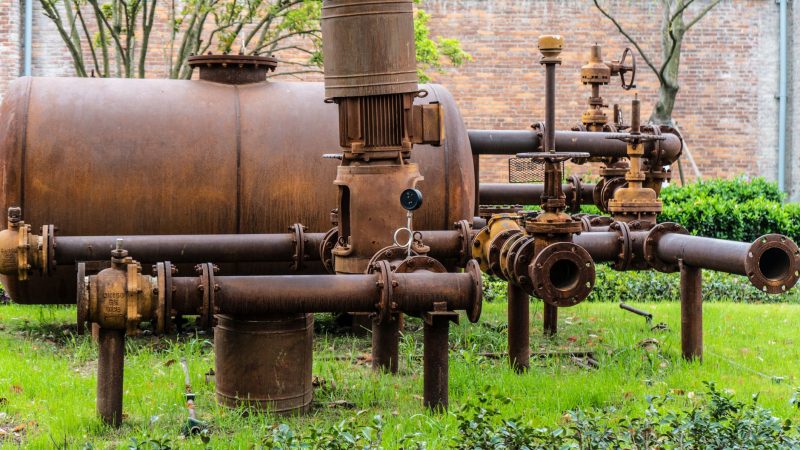
The first time my municipal supply ran for exactly 47 minutes at 6 a.m. and then went silent for two days, I realised I had no idea how the water actually reached my taps the rest of the time. There was a tank on the roof, a black one buried near the gate, a pump that hummed, and somehow it all worked, until it didn’t. If you’re standing where I was 15 years ago, staring at pipes and wondering how home water storage works, this primer is for you.
I’ve run my own borewell, sump, pump and overhead-tank setup for over a decade, and I’ve learned that once you see the whole chain clearly, nothing about it is mysterious. By the end of this guide you’ll understand every part, the sump, the overhead tank, gravity, and the pump, and how they hand water off to each other. Start with our complete guide to storage tanks and distribution for the big picture, then use this to fill in the fundamentals.
Key Takeaways
- Most homes use a two-tank system: a low sump that collects incoming water and an overhead tank that feeds the taps.
- A pump lifts water from the sump up to the overhead tank; from there, gravity does the rest, every metre of height adds roughly 0.1 bar of pressure.
- You almost always need a pump to fill an overhead tank, but usually not to drain it to your taps.
- Overhead tanks give you 200-1,000 litres of buffer, so a supply cut doesn’t leave you dry.
- Understanding the water’s path makes troubleshooting weak flow, air in pipes and dry taps far easier.
The water’s journey, from source to tap

Before we name parts, picture the whole path. Water enters your property from one of two places, a municipal connection or your own borewell/well. It rarely goes straight to your taps. Instead, it’s stored, lifted, stored again higher up, and finally released. That “store low, lift, store high, release” rhythm is the heart of how home water storage works.
Here’s the typical sequence in most Indian homes and many others worldwide:
- Source, municipal line or borewell delivers water, often only for a few hours a day.
- Sump (underground/ground tank), collects that water while it’s available, since you can’t control when it arrives.
- Pump, lifts water from the sump up to the roof when needed.
- Overhead tank, stores the lifted water high above your taps.
- Gravity, pulls water down through your pipes to every tap and shower on demand.
Each stage exists for a reason. Supply is unreliable, so you buffer it in the sump. Taps need steady pressure, so you lift water high and let gravity provide that pressure for free. Miss any link and you get the classic symptoms: no water despite a full tank, a pump that runs but nothing comes out, or a trickle instead of a proper flow.
Sump tank vs overhead tank: two jobs, two locations
The single most useful piece of water tank basics is understanding why homes have two tanks instead of one. They aren’t duplicates, they do completely different jobs.
The sump: your collection reservoir
The sump sits at or below ground level, usually a large concrete or plastic tank near your boundary wall or under a driveway. Its job is to catch water when it comes. Because municipal supply and borewell yield are both unpredictable, you want a big, low reservoir that fills passively, no pump needed to get water into it. Sumps are typically the largest tank on the property, often 1,000-5,000 litres, precisely because they’re your main buffer against supply cuts.
The overhead tank: your pressure source
The overhead tank (usually a black or Sintex-style plastic tank) sits on your roof or a raised stand. Its job is to create pressure through height. Water is heavy, and a tank sitting 8-10 metres above your taps pushes water down with enough force to run showers, washing machines and multiple taps at once. It’s usually smaller than the sump, 500-1,000 litres is common for a family home, because it only needs to hold a day’s worth of usage, not your whole reserve.
| Feature | Sump tank | Overhead tank |
|---|---|---|
| Location | Ground or underground | Roof or raised stand |
| Main job | Collect & store incoming water | Create pressure for taps |
| Typical size | 1,000-5,000 L | 500-1,000 L |
| Filled by | Gravity from source (passive) | Pump (active lift) |
| Empties to | The pump inlet | Your household taps |
| Material | Concrete or heavy plastic | Food-grade plastic |
On my own setup, the sump holds about 2,000 litres and the overhead tank 750 litres. That ratio means even if my borewell is off for a full day, the sump keeps the overhead tank topped up and my taps never notice. If you want to size these properly for your area’s supply pattern, our guide on sizing storage to survive summer supply cuts walks through the maths.
How gravity-fed water supply actually works
Here’s the part that surprises most first-time owners: once water is in the overhead tank, no pump is involved in getting it to your taps. Gravity does all the work. This is called a gravity-fed water supply, and it’s beautifully simple.
The pressure you feel at a tap depends almost entirely on the height difference between the water level in your overhead tank and the tap itself. As a rough rule, every metre of height gives you about 0.1 bar (roughly 1.4 psi) of pressure. So a tank whose water sits 9 metres above a ground-floor tap delivers close to 0.9 bar, perfectly adequate for normal use.
This explains a lot of everyday quirks:
- Top-floor taps feel weak. They’re close to the tank’s height, so there’s little drop to create pressure.
- Ground-floor taps are punchy. A big height difference means strong flow.
- Flow fades as the tank empties. The water level drops, so the effective height, and pressure, falls with it.
Tip: If your top-floor shower is frustratingly weak, don’t fight physics with a bigger overhead tank, raise the tank higher on a stand, or add a small pressure-boosting pump on that line. On my house, lifting the tank onto a 1-metre platform noticeably improved the first-floor bathroom without any pump at all.
Do you need a pump, and what kind?

Short answer: yes, almost always, but only for lifting water up to the overhead tank, not for delivering it to your taps. Water won’t climb to your roof on its own, so a pump bridges the gap between your low sump and your high tank.
The two pump types you’ll meet most often:
- Monoblock / surface pump, sits beside the sump and pulls water up. Common, affordable, easy to service, but noisier and limited in how deep it can draw.
- Submersible pump, sits inside the water (in a borewell or deep sump) and pushes water up. Quieter and stronger for deep lifts, but pricier and harder to pull out for repairs.
In my experience, a decent domestic surface pump for filling an overhead tank runs roughly ₹4,000, ₹9,000, while a borewell submersible sits closer to ₹8,000, ₹20,000 depending on depth and horsepower. Many owners add a simple float switch or an automatic tank controller so the pump stops itself when the overhead tank is full, a small upgrade that saves both water and a burnt-out motor. For a real-world walkthrough of wiring the two tanks and a pump together, see how I built my dual sump-plus-overhead tank setup.
Setting it up right: a beginner’s checklist
If you’re planning or inspecting a system for the first time, work through these steps in order. They mirror the water’s own journey.
- Confirm your source and its timing. Note when municipal water arrives, or test your borewell’s yield. This tells you how much sump storage you truly need.
- Size the sump generously. Aim to store at least one to two days of household demand, since you can’t control when supply returns.
- Fit the pump between sump and overhead tank. Match its horsepower to the lift height and the tank’s fill time you want.
- Mount the overhead tank as high as practical. Height equals pressure, a raised stand costs little and pays off at every tap.
- Add an automatic level control. A float valve or controller prevents overflow and dry running.
- Cover and clean every tank. Keep tight lids on both tanks to block dust, insects and light, and clean them at least twice a year.
One safety note: your overhead tank stores water that people drink and cook with. If your supply quality is uncertain, get it checked at a certified laboratory rather than guessing, organisations like the World Health Organization publish clear drinking-water guidance, and India’s Central Ground Water Board is a solid reference for groundwater matters. Treat any health decision as one for a qualified professional, not a blog.
Frequently Asked Questions
What is the difference between a sump and an overhead tank?
A sump is a large tank at ground or underground level that collects incoming water passively. An overhead tank sits high on your roof and creates tap pressure through gravity. The sump is your storage buffer; the overhead tank is your pressure source. A pump moves water from one to the other.
How does water reach the taps from a tank?
From the overhead tank, water flows to your taps purely by gravity, no pump is involved. The height of the tank above each tap creates the pressure. That’s why ground-floor taps feel stronger than top-floor ones and why flow weakens as the tank level drops.
Do I need a pump for an overhead tank?
Yes, to fill it. Water can’t climb to your roof on its own, so a pump lifts it from the sump or borewell up to the overhead tank. But you don’t need a pump to use that water, gravity delivers it down to your taps once the tank is full.
Can I skip the sump and pump water straight to the overhead tank?
Sometimes, if your supply is pressurised and reliable. But most homes keep a sump because supply arrives at odd hours and low pressure. The sump captures every drop while it’s available, letting the pump fill the overhead tank on your schedule rather than the utility’s.
Why does my water pressure drop when the tank is nearly empty?
Because pressure comes from the height of the water column above your taps. As the overhead tank empties, that column shrinks, so the effective height and pressure both fall. Refilling the tank restores full pressure. A booster pump can help if this bothers you often.
Putting it together
Home water storage isn’t magic, it’s just a smart chain: collect low, lift high, and let gravity do the delivery. Once you can picture your sump, pump and overhead tank each doing its one job, weak flow and dry taps stop being scary and start being solvable. That single mental model has saved me countless service calls over the years.
Ready to go deeper? Our complete home guide to water storage tanks and distribution builds on these basics with sizing, materials, maintenance and cost breakdowns, everything you need to run your own system with confidence.