You shut off the kitchen tap and the wall answers with a loud bang, like someone knocked a spanner against the pipe. That noise has a name, and learning how to stop water hammer is easier than most people fear. I am Arjun Mehta, and after 15 years running my own borewell, pump, and overhead-tank setup, I have chased this exact knock through three houses. In this post I will explain what causes the bang, when it is worth worrying about, and the practical fixes, from free five-minute tricks to a proper home water system tune-up, that quiet the pipes for good.
Key Takeaways
- Water hammer is a pressure shock: fast-moving water slams to a stop when a valve or tap shuts quickly.
- The cheapest fix is free. Draining your system to recharge trapped air often silences the bang in 10-15 minutes.
- A water hammer arrestor is the lasting fix and usually costs roughly ₹300 to ₹1,500 per fitting.
- Left alone, the repeated shock loosens joints and can crack fittings over months or years.
- High supply pressure makes everything worse; keeping it near 3-4 bar helps a lot.
What water hammer actually is
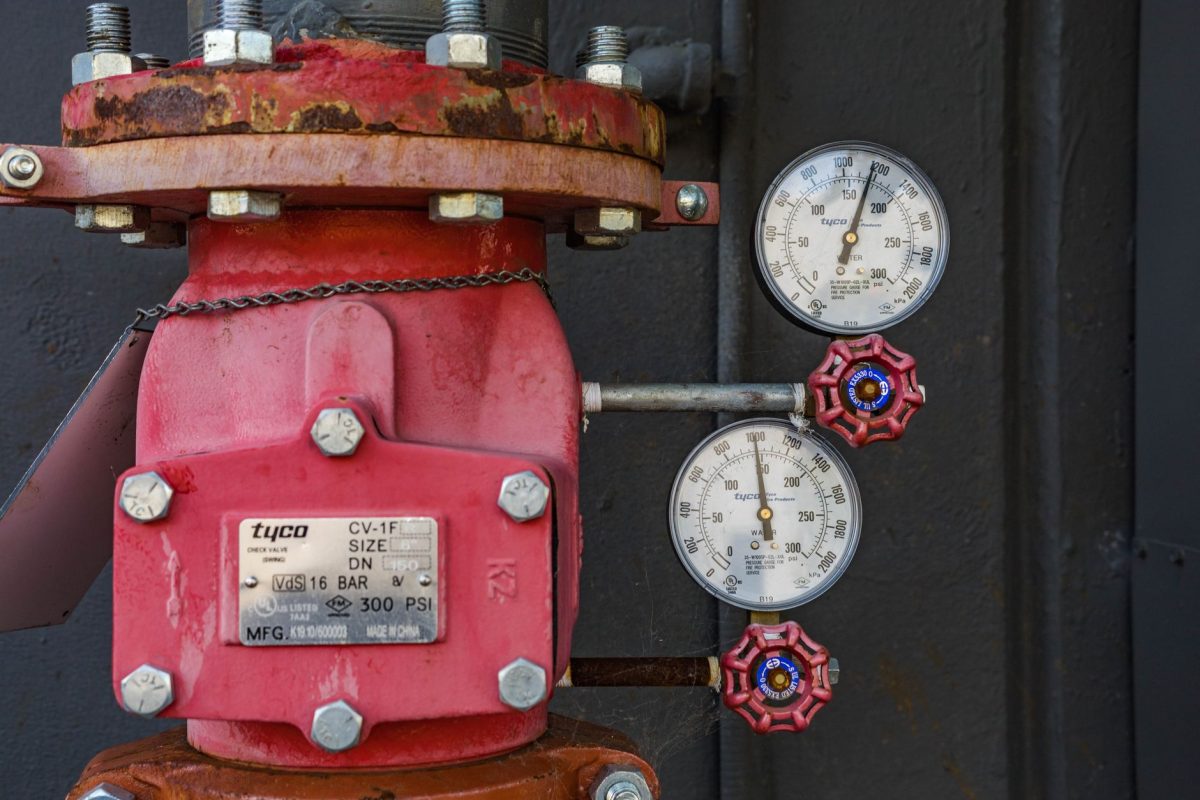
Water moving through a pipe carries momentum, just like a car rolling down a road. When you snap a tap or a solenoid valve shut, that column of water has nowhere to go and it crashes into the closed valve. The energy bounces back as a shockwave, and the pipe flexes against its clamps with an audible knock.
The faster the valve closes and the faster the water was flowing, the harder the hit. That is why quarter-turn lever taps, washing machine valves, and dishwasher solenoids are the usual troublemakers. They go from fully open to fully shut in a fraction of a second.
Why your pipes bang when a tap closes
If you are hearing knocking pipes when a tap closes, one of a few things is usually going on. Sorting out which one saves you from throwing money at the wrong fix.
- Lost air cushions. Older plumbing has short capped stubs called air chambers that absorb the shock. Over time they fill with water and stop working.
- High water pressure. If your overhead tank sits very high or a pressure pump runs hard, the water hits with more force.
- Loose pipe straps. Pipes that are not clipped tightly to the wall or joists rattle and amplify the sound.
- Fast-closing valves. Washing machines and modern lever taps shut almost instantly, which is the worst case for banging water pipes.
Can water hammer damage plumbing?
Yes, and this is the part people underestimate. A single knock does no harm, but the shock repeats every time that valve closes, dozens of times a day. Each pulse works threaded joints slightly looser and stresses solder or solvent-welded seams.
Over months you may see weeping joints, a cracked plastic fitting, or a supply hose that fails behind the washing machine. In pumped systems the same shock can shorten the life of pressure switches and non-return valves. Quieting the hammer is as much about protecting your fittings as it is about the noise.
How to stop water hammer, step by step
Work through these in order. Most homes are cured somewhere in the first three steps, so you rarely need to buy anything at all before trying the free options that reduce pipe noise.
- Recharge the air chambers. Turn off your main supply or pump. Open the highest and lowest taps in the house and let them run dry. This drains the pipes and lets fresh air refill the chambers. Close the taps, turn the supply back on, and test.
- Check and tighten pipe straps. Follow the noisy run and add or tighten clips where the pipe is loose against the wall or under the floor. A rubber-lined clip cushions the pipe better than a bare metal one.
- Lower the pressure. If you run a pressure pump, ease the cut-out setting down a little, or fit a pressure-reducing valve on the main. Aim for a steady 3-4 bar rather than a hard 5-6 bar.
- Slow the fast valves. Where you can, close taps a touch more gently, and part-close the isolation valves feeding the washing machine so it fills a shade slower.
- Fit a water hammer arrestor. If the noise survives the steps above, install an arrestor close to the offending valve. This is the permanent cure.
A note on recharging air chambers
This trick works because draining the whole system lets air back into those small capped pipes. It is genuinely free and takes 10-15 minutes. The catch is that if your plumbing has no air chambers built in, refilling will not help and you move straight to an arrestor.
Tip: On my own borewell setup, the loudest bang came from the washing machine inlet. I fitted a mini screw-in arrestor right at the machine tap for about ₹450 and the knock vanished the same afternoon. Start at the appliance making the noise, not the far end of the house.
Water hammer arrestors: do they work?
A water hammer arrestor is a small sealed cylinder holding a spring or a pocket of pressurised gas behind a piston. When the shockwave hits, that cushion compresses and absorbs the blow instead of the pipe taking it. Unlike an open air chamber, a sealed arrestor does not lose its cushion over time, so it keeps working for years.
They do work, and well, as long as you fit the right type close to the noise source. Here is how the common options compare.
| Fix | Typical cost | Lasts | Best for |
|---|---|---|---|
| Draining to recharge air chambers | Free | Months, then repeat | Older homes with built-in air stubs |
| Tightening pipe straps | ₹50 to ₹200 | Long term | Rattling, loosely clipped runs |
| Mini screw-in arrestor | ₹300 to ₹700 | Years | Washing machine and single-tap noise |
| In-line piston arrestor | ₹700 to ₹1,500 | Years | Main lines and pumped systems |
| Pressure-reducing valve | ₹1,200 to ₹3,000 | Long term | Homes with high supply pressure |
For most households a mini arrestor at the noisy appliance solves it. If several valves bang or you run a pressure pump, an in-line arrestor near the pump plus a pressure-reducing valve gives the calmest result. Keeping supply pressure sensible also protects the rest of your tank and distribution setup, which I cover in our complete guide to storage tanks and distribution.
One more thing worth checking while you are in there: sediment and scale from a poorly maintained tank can gum up valves and make them slam. If yours is overdue, our walkthroughs on cleaning a storage tank safely and disinfecting a tank the right way are worth a look. Bodies like the US Environmental Protection Agency, through its WaterSense resources, and the Bureau of Indian Standards publish sensible guidance on household water pressure and plumbing quality if you want to go deeper.
Frequently Asked Questions
Why do my pipes bang when I turn off a tap?
The fast-flowing water hits the suddenly closed tap and the shock bounces back through the pipe. Older air cushions may have waterlogged, or the pipe is loosely clipped, so the wall knocks. Recharging the air chambers or fitting an arrestor usually stops it.
Does a water hammer arrestor really work?
Yes. A sealed arrestor holds a permanent air or spring cushion that absorbs the shockwave, unlike open air chambers that lose their air over time. Fit it close to the valve making the noise and it typically silences the bang immediately and keeps working for years.
Can water hammer damage my plumbing?
Over time, yes. A single knock is harmless, but the repeated shock slowly loosens threaded joints, stresses seams, and can crack fittings or burst appliance hoses. In pumped systems it wears pressure switches and non-return valves faster, so fixing it protects real money.
Where should I install a water hammer arrestor?
Fit it as close as possible to the valve or appliance causing the noise, such as the washing machine inlet or dishwasher supply. For a whole system that bangs in several places, add an in-line arrestor near the pump or on the main line feeding the house.
Is water hammer a sign of dangerous water pressure?
Not always, but high pressure makes it worse. If your taps blast and pipes bang, check your pressure and aim for a steady 3-4 bar. If you are unsure or the pressure seems extreme, ask a licensed plumber to test it rather than guessing.
Putting it together
Water hammer is really just water with nowhere to go, so every fix gives that energy somewhere soft to land. Start free by draining and recharging your air chambers, tighten any loose straps, then reach for a small arrestor at whatever appliance is making the racket. Do that and the knocking stops while your joints and fittings quietly last longer. If you want to keep your whole setup running quietly, browse the rest of our storage tanks and distribution guide and tackle the next small job before it turns into a loud one.