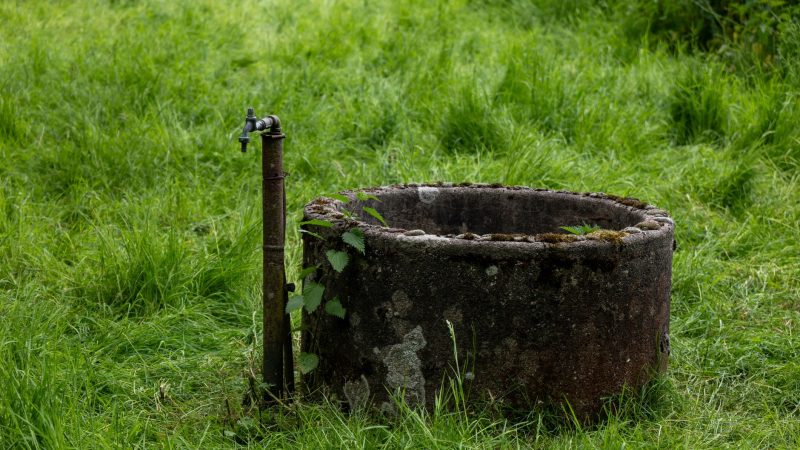
Every summer, two families on my lane fall out over the same thing: whose turn it is to pay for the borewell motor rewind. They share one well across the boundary wall, and when it fails, so does the goodwill. I’ve run my own private borewell for 15 years, and I’ve watched neighbours puzzle over the shared well vs private well question so many times that I finally sat down to map it out properly.
This guide compares three realistic setups, a well you own alone, a well you split with neighbours, and a piped community or municipal supply, on cost, control, reliability and the disputes that actually derail people. By the end you’ll know which one fits your plot, your budget and your tolerance for shared decisions. It’s part of our complete guide to private wells and water sources.
Key Takeaways
- A private well gives you full control and privacy, but you carry 100% of the drilling, pump and repair costs, often ₹1.5-4 lakh to sink and ₹8,000, ₹25,000 per major repair.
- A shared well can halve or third those costs, but only works with a written agreement covering cost-splits, water-sharing and what happens when someone sells.
- A community or municipal supply means almost no capital outlay and no maintenance for you, but you trade away control, water quality consistency and (in many areas) reliability.
- Disputes on shared wells are almost never about the water itself, they’re about who pays, who used more, and who was home when the pump burned out.
- No matter which route you pick, test the water at a certified lab before you trust it for drinking or cooking.
The three setups, in plain terms
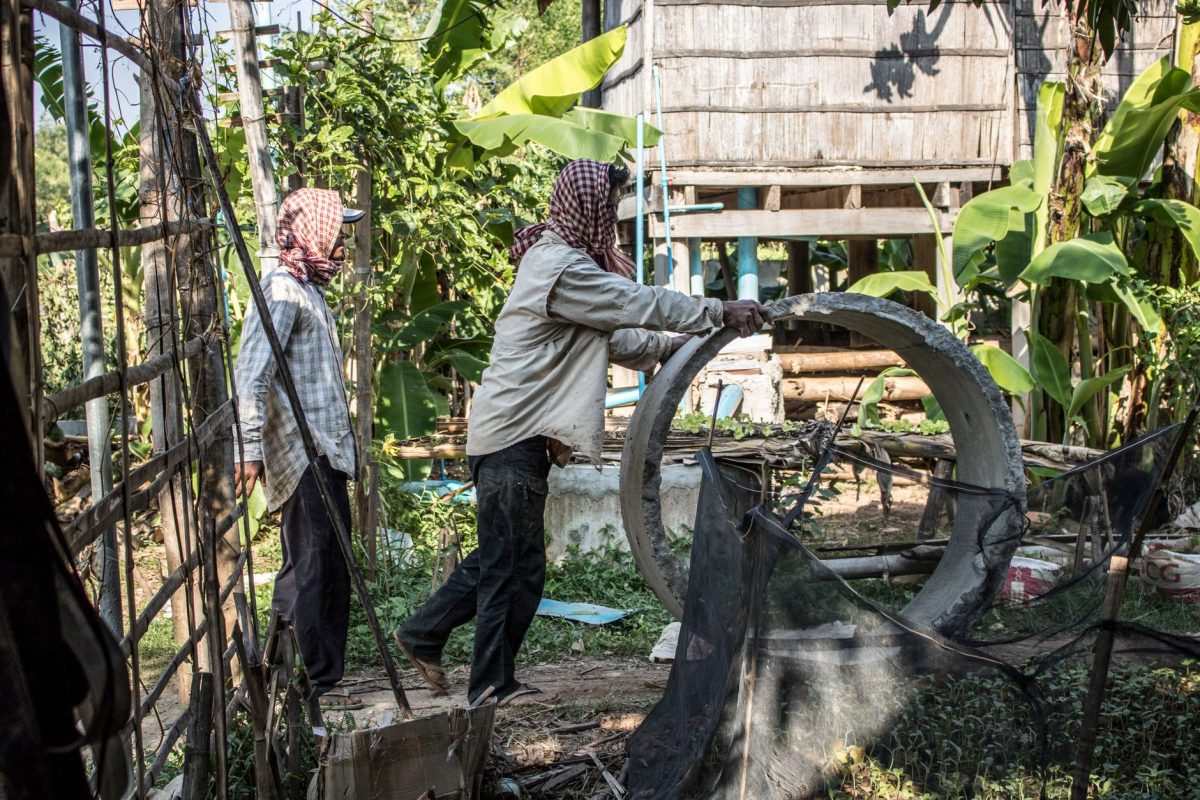
Before comparing them, it helps to be precise about what each one actually means, because people use these words loosely.
Private well
A well, dug, bored or drilled, that sits on your land and serves only your household. You own the bore, the pump, the pipe and every rupee of the running cost. If you’re weighing what kind to sink, our breakdown of the best types of wells for homes compares dug, bored and drilled options.
Shared well
One well (or borewell) that two or more households draw from, usually neighbours who split the sinking cost or inherited a single source when a plot was subdivided. Physically it’s one bore; legally and financially, it’s a partnership. This is where a shared borewell agreement earns its keep.
Community or municipal supply
Piped water delivered to your tap by a local body, panchayat, apartment association or a small community-managed borewell scheme. You typically pay a connection charge and a periodic bill; someone else owns and maintains the source. If you’re choosing between well water and piped water in general, see our head-to-head on well water vs municipal supply.
Private vs shared vs community: the full comparison
Here’s how the three stack up across the factors that decide the private vs community water debate for most households. Cost figures are typical Indian ranges, yours will vary with depth, geology and local labour.
| Factor | Private well | Shared well | Community / municipal |
|---|---|---|---|
| Upfront cost to you | High: whole ₹1.5-4 lakh sinking + pump | Medium: your share (½ or ⅓) of the same | Low: connection fee, often ₹1,000, ₹15,000 |
| Ongoing cost | All power + repairs yourself | Split power + repairs (if agreed) | Monthly/quarterly bill |
| Control over supply | Full, your timings, your tank | Shared, you coordinate with neighbours | None, supplier sets timings |
| Reliability | Depends on your aquifer | Depends on aquifer + neighbour cooperation | Depends on the utility (often intermittent) |
| Water quality control | You test and treat as you like | Shared source; shared treatment decisions | Utility treats; quality varies by area |
| Privacy & disputes | None, you answer to no one | Highest dispute risk | Low personal dispute risk |
| Maintenance burden | All yours | Shared | None (supplier’s problem) |
Cost: where the money really goes
Sinking a borewell is the big lump sum, but it’s the running costs that surprise people. On my own borewell, the drilling was a one-time hit years ago; since then I’ve spent far more, in dribs and drabs, on the parts nobody warns you about.
- Pump repairs and rewinds, a submersible motor rewind runs roughly ₹8,000, ₹25,000 depending on horsepower, and pumps don’t last forever.
- Pressure switch, capacitor, foot valve, small parts, but they fail at the worst times.
- Electricity, a 1 HP pump running an hour a day is modest; a deep 3 HP submersible is not.
- Periodic water testing, a proper lab panel is typically ₹800, ₹3,000 and worth every rupee.
A shared well spreads all of that. Split three ways, a ₹18,000 rewind becomes ₹6,000 each, genuinely attractive. But the split only holds if everyone actually pays their share when the bill lands, which is exactly where the trouble starts.
Tip: On shared wells I always tell neighbours to open a small joint “sinking fund”, everyone drops ₹300, ₹500 a month into a shared kitty. When the pump fails, the money is already there and nobody has to chase anyone during a water crisis. The households that do this almost never fight.
The real downsides of a shared well

People assume the risk with a shared well is running short of water. In practice, the aquifer is rarely the problem, the humans are. Here are the community well pros and cons that actually play out, and the friction points I see most among neighbours sharing a well.
- Uneven usage. One household with a garden and three bathrooms draws far more than a retired couple next door, yet the bill is often split evenly.
- Repair timing. If the pump dies while one family is on holiday, the family at home fronts the cost and then has to collect.
- Who decides upgrades? You want a bigger pump; your neighbour is happy with the old one. Deadlock.
- Selling the house. A buyer inherits your half of a well, and your co-owner. Unwritten arrangements terrify buyers and can drag down your sale.
- Water quality choices. If a test comes back with high iron or nitrate, one family may want a filter the other won’t pay for.
None of this makes shared wells a bad idea. It makes an unwritten shared well a bad idea.
How to set up a shared well the right way
If you’re going to share, put it on paper before the drilling rig arrives, not after the first breakdown. Here’s the sequence I recommend to neighbours.
- Agree the cost split in writing. Decide whether sinking, power and repairs are split equally or by household size, and write it down.
- Define ownership and access. State who owns the bore, whose land the pump-head sits on, and each household’s right of access to maintain it.
- Set a usage rule. Either meter each home’s line separately, or agree fixed timings and a cap during shortages.
- Create a repair fund and process. Fund it monthly; name who gets quotes and who signs off spends above a threshold.
- Plan for exit. Spell out what happens if someone sells, moves, or wants out, including how the agreement passes to a new owner.
- Test the water together. Do a shared baseline lab test so everyone trusts the same numbers.
A simple two-page agreement signed by all parties (and, ideally, notarised) prevents 90% of the disputes I’ve seen. It’s the single best investment in a shared setup.
Is a community well reliable?
It depends entirely on who runs it. A well-managed apartment or panchayat scheme with a maintenance contract can be more reliable than a private bore, because there’s a budget and a plumber on call. A neglected one can leave you dry for days with no one accountable.
Before you rely on any community source, ask three questions: How often does supply actually come (hours per day)? Who fixes it, and how fast? And is the water tested, can they show you a recent report? For guidance on protecting any source you depend on, our well source protection checklist is a good next read.
Whatever the source, don’t assume it’s safe to drink because it looks clear. Get a certified lab panel, bodies like the Bureau of Indian Standards publish drinking-water benchmarks (IS 10500), and the Central Ground Water Board is a useful reference for groundwater in your area. If anything touches health, confirm with a qualified professional; treat lab results, not appearance, as your source of truth.
The verdict: which should you choose?
There’s no single winner, the right answer depends on your plot, your budget and how much you value control versus convenience.
- Choose a private well if you have the budget, you want total control over timings and treatment, and you’d rather answer to no one. It’s the most freedom and the most responsibility.
- Choose a shared well if capital is tight, you genuinely trust your co-owners, and you’re willing to sign a proper agreement. Halved costs are real, so is the need for goodwill.
- Choose community or municipal if you want minimal hassle and no maintenance, and your local supply is reasonably reliable. It’s the low-effort option, at the cost of control.
My honest bias, after 15 years: if you can afford a private bore and your aquifer supports it, the independence is worth it. But a well-documented shared well between good neighbours is a close second, and far better than a lonely, expensive bore you can’t quite afford to maintain.
Frequently Asked Questions
What are the downsides of a shared well?
The main downsides are disputes, not water. Uneven usage, arguments over who pays for repairs, deadlock on upgrades, and complications when someone sells all cause friction. Shared quality decisions can stall too. A clear written agreement and a joint repair fund neutralise almost all of these problems.
Who pays for repairs on a shared well?
Whoever your agreement says pays. Without a written split, it usually defaults to whoever is home when the pump fails, then they chase the others. Best practice is to agree an equal or usage-based split in advance and pre-fund a shared repair kitty so money is ready when parts fail.
Is a community well reliable?
It varies with management. A funded scheme with a maintenance contract and on-call plumber can be very reliable, sometimes more than a private bore. A neglected one can leave you dry with nobody accountable. Ask about daily supply hours, repair response times, and recent water-test reports before relying on it.
Is a shared borewell agreement legally necessary?
It isn’t legally mandatory in most places, but it’s strongly advisable. A signed, ideally notarised agreement covering cost-splits, ownership, access, usage and exit protects everyone and reassures future buyers. Verbal arrangements collapse the moment there’s a big repair bill or one household decides to sell.
Can I switch from shared to private later?
Yes, but plan the cost. You’d sink your own bore and disconnect from the shared line, which means fresh drilling and pump expenses. Check local groundwater rules and any registration requirements first. Many people do this once budgets allow or when neighbour disputes make the shared setup more trouble than it’s worth.
Putting it together
Private wells buy independence, shared wells buy affordability, and community supply buys convenience, you’re really choosing which trade-off you can live with. Whichever you pick, put arrangements in writing, budget for the parts that fail, and let a certified lab, not the water’s appearance, tell you it’s safe to drink. If you want to go deeper on any of this, browse our complete homeowner’s guide to private wells and water sources for the full picture before you commit.