The first time I stared down the mouth of my own borewell, a narrow steel pipe barely 15 centimetres wide, disappearing straight into the ground, I honestly could not picture how any water would ever come out of it. That was over 15 years ago, and since then I have drilled, repaired, and lived with borewells through droughts and monsoons. So what is a borewell, really? In plain terms, it is a deep, narrow well drilled into the earth to reach groundwater that sits far below the surface.
If you have just inherited a property with one of these, or you are weighing whether to drill, this guide walks you through exactly how a borewell works, how it differs from the old open wells, and what parts your home system actually needs. It is part of our complete guide to private wells and water sources.
Key Takeaways
- A borewell is a narrow (usually 100-200 mm wide) hole drilled deep to reach groundwater in the aquifer below.
- Home borewells commonly run 60 to 300 metres deep, depending on your local water table and rock layers.
- Because the water sits so deep and the pipe is so narrow, you almost always need a submersible pump to lift it.
- Unlike a wide, shallow open well, a borewell is sealed against surface contamination but can still fail if the water table drops.
- The core system is simple: casing pipe, groundwater, a submersible pump, a power cable, and a delivery pipe to your tank.
What is a borewell, in plain language?
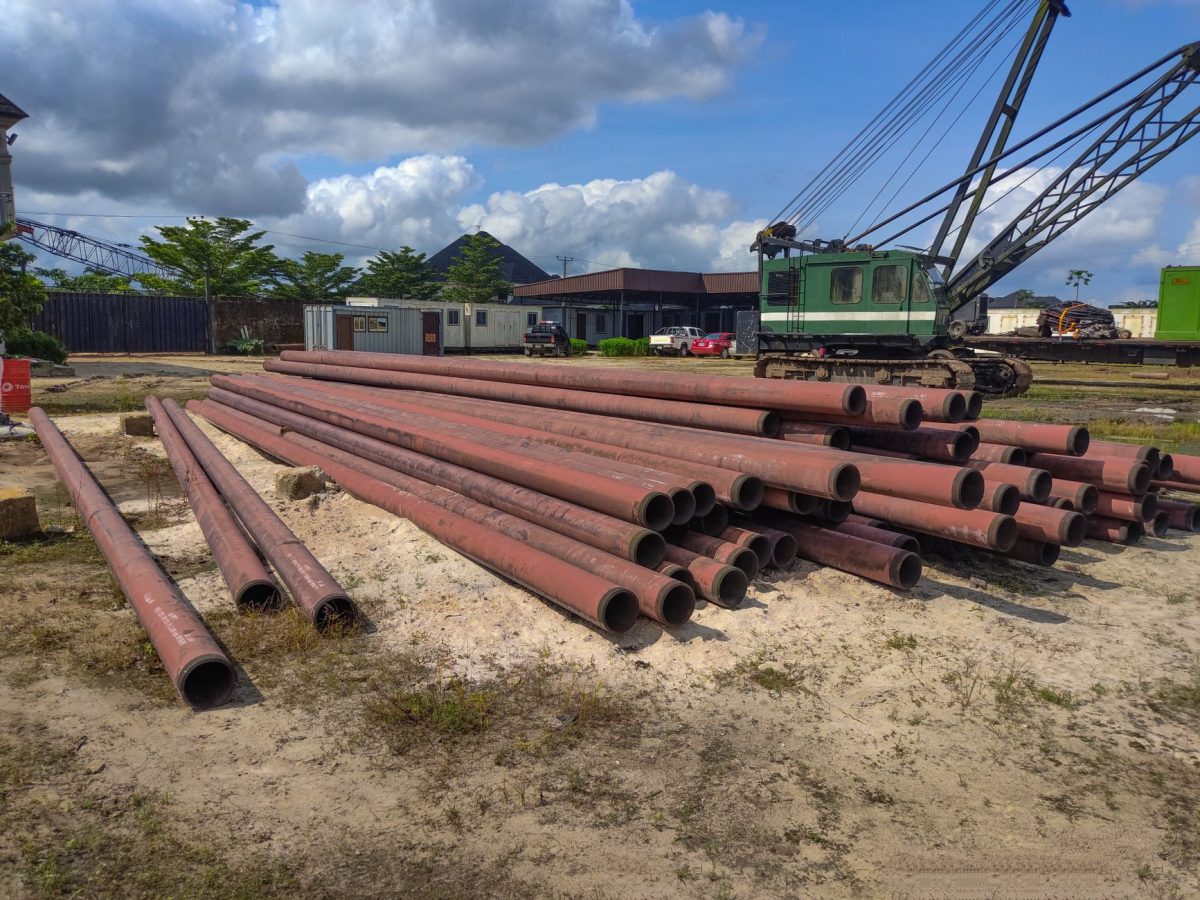
The word “borewell” (sometimes written as “bore well” or “bore-well”) simply combines “bore”, meaning a drilled hole, with “well”. So the borewell meaning is literally a well made by boring, or drilling, rather than digging by hand.
A drilling rig punches a slim vertical hole straight down until it hits a water-bearing layer of soil or rock called an aquifer. A steel or PVC pipe, called the casing, is slid into the upper part of the hole to stop the sides from collapsing. Groundwater seeps into the bottom of the bore, and a pump pushes it up to the surface.
What makes a borewell distinct is its shape: very narrow and very deep. A typical home bore in India is drilled at 6.5 or 7 inches (roughly 165-178 mm) diameter, then fitted with a casing pipe of about 5 to 7 inches. Compare that to an old open well you could lower a bucket into, and you start to see why the two need completely different equipment.
How borewells work: from aquifer to your tap
Understanding how borewells work is easier if you follow the water on its journey upward. Here is the basic path from the ground to your overhead tank.
- Rain recharges the aquifer. Rainfall and surface water slowly soak down through soil and rock, collecting in porous underground layers. This is the reservoir your bore taps into.
- Water seeps into the bore. At the depth where your borewell meets the aquifer, groundwater flows sideways into the open, uncased bottom of the hole and fills it up to the “water table” level.
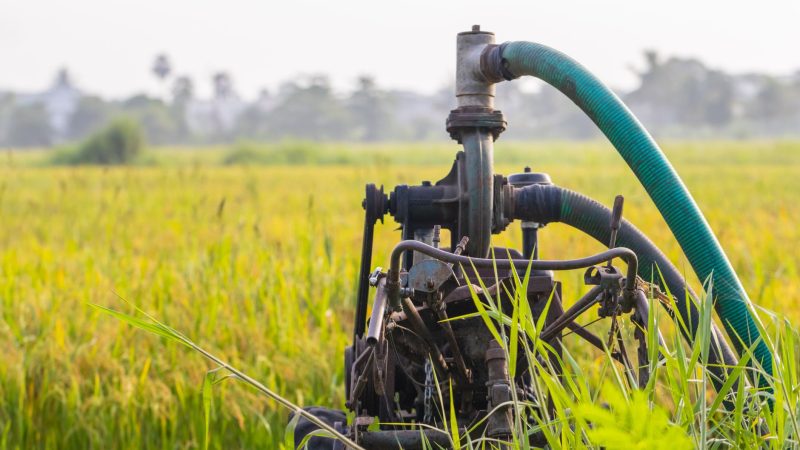
- The pump lifts the water. A submersible pump, sitting deep inside the bore below the water level, pushes water up through a delivery pipe. Suction pumps at the surface cannot pull water from these depths, the physics simply will not allow it.
- Water travels to storage. The delivery pipe carries water up and across to your sump or directly to an overhead tank, where it waits for use.
- Gravity or a booster feeds your taps. From the overhead tank, water flows down to your taps by gravity, or a small pressure pump boosts it for showers and geysers.
The key thing to remember is that depth and pump matter more than width. A borewell only holds a thin column of water at any moment; its real value is that fresh groundwater keeps flowing in from the aquifer to replace what the pump removes, as long as the water table holds up.
Tip: When I first set my submersible, I made the rookie mistake of hanging it right at the bottom. Slit deep enough and you pump up sand and silt that chew through the impeller. On my own borewell I now keep the pump a few metres above the base, well within the water column but clear of the sludge that settles at the bottom.
How deep is a typical borewell?
There is no single answer, because depth depends entirely on how far down your local groundwater sits. In areas with a high water table, a productive bore might be found at 30 to 60 metres. In hard-rock or drought-hit regions, drillers routinely go past 200 or even 300 metres chasing a reliable stream.
For most homes, a borewell lands somewhere in the 60 to 200 metre range. Two bores on the same street can differ wildly, so never assume your neighbour’s depth is a guarantee. Choosing the right location before you drill makes a real difference, I walk through that fully in how to choose where to drill your borewell.
Borewell vs open well: what is the difference?
People often ask how a borewell is different from a dug well, or the older open well many of us grew up seeing in villages and farm plots. The difference comes down to how they are made and how they behave.
An open (dug) well is wide, often a metre or more across, and shallow, hand-dug or machine-dug down to the first water layer. A borewell is machine-drilled, narrow, and reaches much deeper into confined groundwater. Here is how the two compare on the points that matter most to a homeowner.
| Feature | Borewell (drilled) | Open / dug well |
|---|---|---|
| Diameter | Narrow (~100-200 mm) | Wide (~1-3 metres) |
| Typical depth | Deep (60-300 m) | Shallow (5-20 m) |
| How it is made | Drilled by a rig | Dug by hand or excavator |
| Lifting method | Submersible pump (essential) | Bucket, rope, or surface pump |
| Contamination risk | Lower (sealed, deep) | Higher (open to surface runoff) |
| Drought resilience | Often better (taps deeper water) | Dries up faster |
| Rough cost to create | Higher (₹) upfront drilling | Lower, but land-heavy |
Neither is automatically “better”. A deep borewell wins on space and drought resilience, while an open well is cheaper to make and easy to inspect. If you are still deciding, our breakdown of the best types of wells for homes, dug, bored and drilled compared lays out the trade-offs in detail.
The parts of a home borewell system
Once you own a borewell for home use, it helps to know the handful of parts that make it run. When something stops working, the fault is almost always in one of these.
Casing pipe
The casing lines the upper section of the bore, keeping loose soil from caving in and blocking dirty surface water from seeping straight down into your supply. Good casing is a big reason a borewell is cleaner than an open well.
Submersible pump and motor
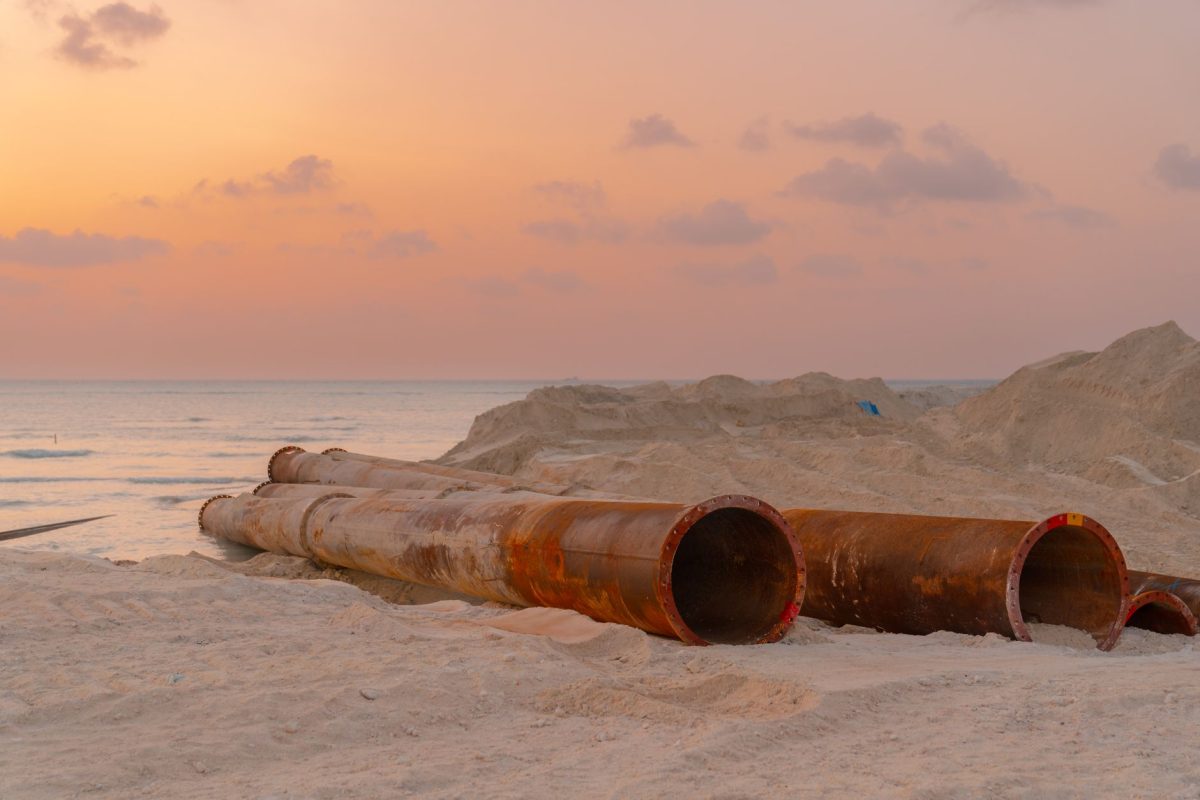
This sealed unit lives underwater deep in the bore and does the heavy lifting. It is sized to your depth and needs, a modest home might use a 1 to 1.5 HP pump, while very deep or high-demand bores need more powerful motors.
Delivery pipe and power cable
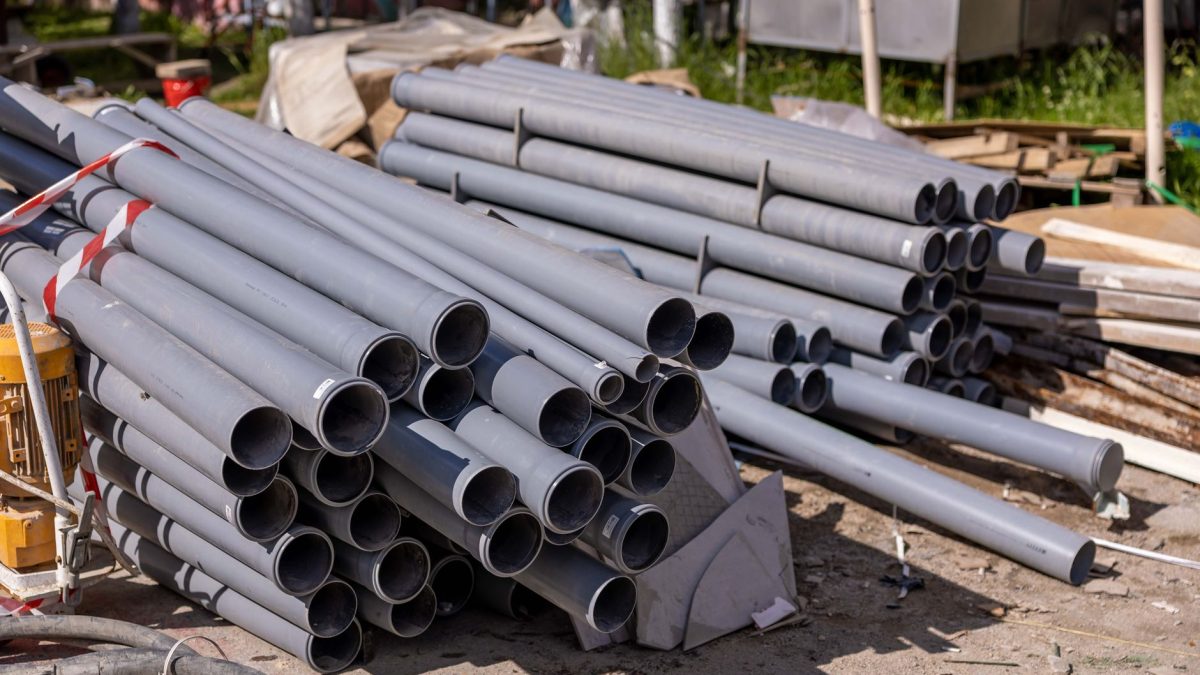
The delivery pipe (often rigid PVC or, increasingly, flexible column pipe) carries water up. A waterproof cable runs alongside it to power the motor. Both are lowered and raised together whenever the pump is serviced.
Control panel and storage
A surface control box or panel protects the motor from voltage swings and dry running. From there, water flows to a sump or overhead tank for storage before it reaches your home. Do you need a pump for a borewell? Yes, for practical purposes, a submersible pump is not optional at these depths.
Is borewell water safe to drink?
Depth gives borewell water some natural protection, but “deep” does not automatically mean “safe”. Groundwater can carry dissolved minerals like fluoride, iron, or nitrates, and in some regions arsenic, depending entirely on your local geology.
In my experience, the only honest answer is to test rather than guess. Before you rely on a new bore for drinking, get the water checked by a certified laboratory against national standards, in India that means the Bureau of Indian Standards drinking-water norms, and globally the World Health Organization publishes helpful guidance. Retest after every monsoon, since recharge can change the water chemistry. I am not a health professional, so treat any borderline result as a reason to consult a qualified water expert, not a signal to shrug it off.
Frequently Asked Questions
How is a borewell different from a dug well?
A borewell is machine-drilled, very narrow, and often reaches 60 to 300 metres deep, needing a submersible pump. A dug (open) well is hand-dug or excavated, wide enough to lower a bucket, and usually only a few metres deep, cheaper to make but far more exposed to surface contamination.
How deep is a typical borewell?
Most home borewells fall between 60 and 200 metres, though hard-rock and drought-prone areas can push past 300 metres. Depth depends on where your local water table sits, so two bores on the same street can differ by a hundred metres or more. Never assume your neighbour’s depth applies to you.
Do you need a pump for a borewell?
In almost every case, yes. Because the water sits far below the surface and the pipe is narrow, a submersible pump lowered into the bore is essential. Surface suction pumps physically cannot draw water from these depths, so the pump is the single most important, and most commonly replaced, part of the system.
Can a borewell run dry?
Yes. If the water table drops below your pump, during a harsh summer, over-extraction, or a run of weak monsoons, the bore can yield little or nothing. Practising rainwater recharge, running the pump sensibly, and drilling at the right depth all help a borewell keep giving water for years.
What does “borewell” mean exactly?
The borewell meaning is simply a well created by boring, drilling, rather than digging. “Bore” refers to the drilled hole and “well” to the water source. You may also see it written as “bore well” or “borehole”. They all describe the same thing: a narrow, deep well tapping groundwater.
Putting it together
A borewell is nothing more mysterious than a slim, deep well that reaches groundwater a hand-dug well never could, paired with a submersible pump that does the lifting. Once you grasp the path water takes from the aquifer to your tank, maintaining and troubleshooting the system stops feeling intimidating. Test the water before you trust it, keep your pump clear of the sludge, and respect the water table, and a good bore will serve your home for decades.
Want to go deeper? Browse our full homeowner’s guide to private wells and water sources, or check the private well FAQ for quick answers to the questions owners ask most. No pressure, just the plain, practical know-how I wish I had before I drilled my first bore.