The water from my borewell looks crystal clear, has no smell, and my family has been drinking it for years without a single upset stomach. So it must be safe, right? That was exactly my thinking until I sent a sample to a lab and found nitrate levels creeping toward the limit, from a source that looked and tasted perfect. So is well water safe to drink? The honest answer is that clear water tells you almost nothing; only a test tells you for sure. In this FAQ I’ll walk you through the real risks, the warning signs worth watching, and the exact checks that settle the question.
I’ve managed my own borewell, pump, and overhead tank for more than 15 years, and I’ve learned that “it’s always been fine” is the most dangerous assumption a well owner can make. Let’s answer the questions I get asked most.
Key Takeaways
- Clear, odourless well water can still be unsafe, many harmful contaminants have no taste, colour, or smell.
- A basic drinking-water test typically costs ₹1,500, ₹4,000 at a certified lab and is the only real proof of safety.
- Test at least once a year for bacteria, nitrate, and total dissolved solids (TDS); more often after floods, repairs, or a change in taste.
- Bacterial contamination (coliform / E. coli) is the most common cause of well water making people sick, and the most preventable.
- Never rely on a single home strip; use a NABL-accredited or BIS-recognised lab to confirm true drinking-water safety.
How do I know if my well water is safe?
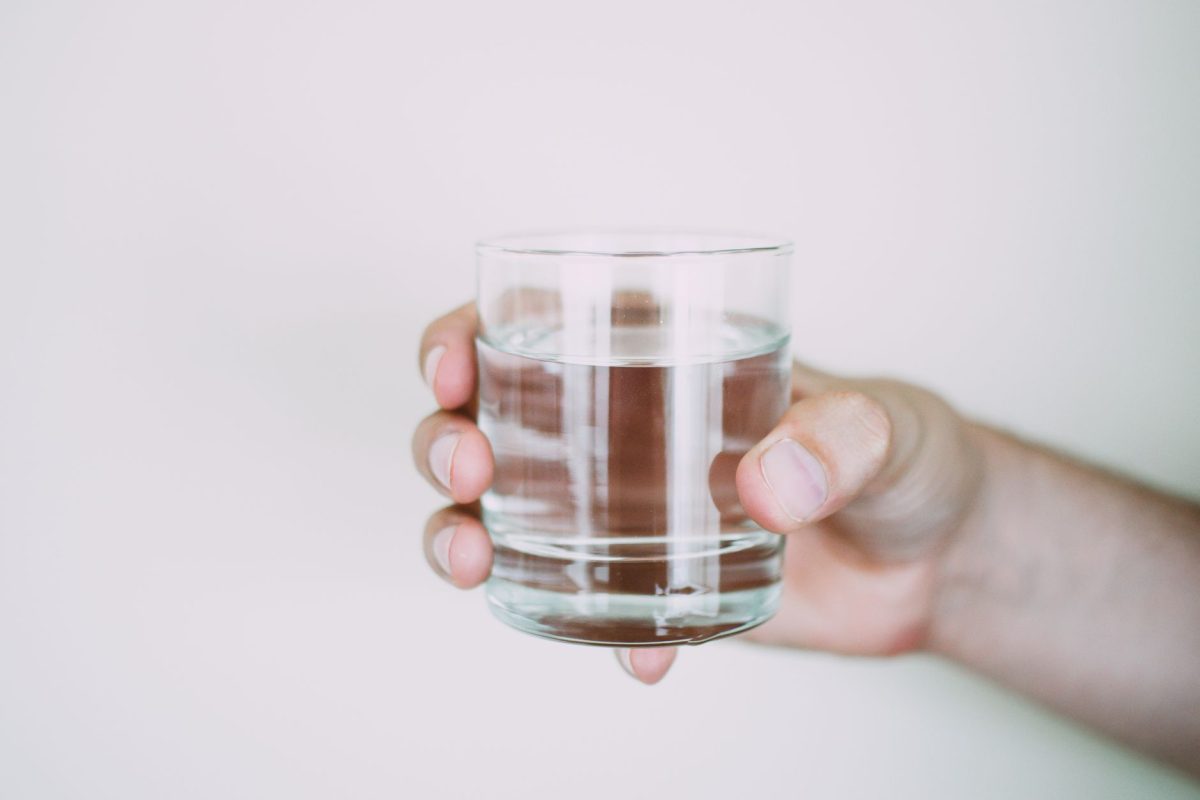
You cannot know by looking, smelling, or tasting. That’s the uncomfortable truth. The contaminants most likely to harm you, bacteria, nitrate, arsenic, fluoride, and lead, are usually invisible and flavourless at dangerous levels. The only way to answer the question “is my well water safe to drink” with confidence is a laboratory test.
That said, your senses do give you clues that something has changed. A sudden new smell, a metallic taste, or cloudy water after rain are all reasons to test sooner rather than waiting for your annual check. If you’re new to all this, our plain-English beginner’s guide to what’s actually in well water breaks down each contaminant in everyday language.
Warning signs worth acting on
- Rotten-egg smell, usually hydrogen sulphide or sulphate-reducing bacteria; unpleasant but points to a problem to investigate.
- Cloudiness or grit after monsoon rain, a sign surface water may be entering your well.
- Reddish-brown or black staining on fixtures, iron or manganese, usually a nuisance rather than a health hazard.
- Blue-green stains, can indicate acidic water leaching copper from pipes.
- A change in taste you can’t explain, always worth a test.
Warning: The absence of any smell, colour, or taste is not proof of safety. On my own borewell the water was picture-perfect the year the lab flagged rising nitrate. Trust the report, not your tongue.
Can well water make you sick?
Yes, and it’s more common than most people assume, especially in rural and peri-urban areas where a borewell sits near a septic tank, cattle shed, or farm runoff. The good news is that the biggest culprit, bacterial contamination, is also the easiest to detect and often the easiest to fix.
Here’s how the common contaminants stack up in terms of health risk and how you’d typically notice (or not notice) them.
| Contaminant | Possible health effect | Can you taste/smell it? | How to confirm |
|---|---|---|---|
| Coliform / E. coli bacteria | Diarrhoea, vomiting, stomach infections | No | Bacterial (MPN) lab test |
| Nitrate | Risky for infants (“blue baby”), pregnancy | No | Chemical lab test |
| Arsenic | Long-term: skin, organ, cancer risk | No | Specialised lab test |
| Fluoride | Dental/skeletal fluorosis (excess) | No | Chemical lab test |
| Iron / manganese | Mostly a nuisance (stains, taste) | Often yes | Chemical lab test |
Notice that four of the five most serious contaminants are things you’d never notice yourself. That’s why “we’ve been drinking it for years and we’re fine” doesn’t hold up, slow-acting risks like arsenic and fluoride cause damage over years, not days. The World Health Organization and Central Ground Water Board (India) both publish drinking-water guidance if you want to read the science behind these limits.
Who’s most at risk
Infants under six months, pregnant women, the elderly, and anyone with a weakened immune system are far more vulnerable to unsafe water, particularly nitrate and bacteria. If your household includes any of these, treat annual testing as non-negotiable, and boil or use bottled water any time you have the slightest doubt.
What tests confirm drinking water safety?
You don’t need to test for everything on day one. A sensible “is this safe borewell water” starter panel covers the contaminants most likely to affect health, plus a couple of general indicators. Here’s the core set I recommend to first-time well owners.
- Total coliform & E. coli, the single most important safety test.
- Nitrate & nitrite, especially critical if you have infants or are pregnant.
- pH, affects corrosion and how other contaminants behave.
- Total dissolved solids (TDS), a general water-quality snapshot.
- Hardness, not a health issue, but useful for your appliances and taste.
- Local risk add-ons, arsenic, fluoride, or iron if your region is known for them.
A simple step-by-step to get a reliable answer
- Find a certified lab, look for NABL accreditation in India, or a BIS-recognised facility. Call ahead and ask which drinking-water panel they offer.
- Collect the sample correctly, use the sterile bottle the lab provides, sample from a tap you use for drinking, and follow their instructions to the letter (bacterial samples are easy to spoil).
- Get it to the lab fast, bacterial samples usually need to reach the lab within a few hours, kept cool.
- Compare results to BIS / WHO limits, the lab report should list acceptable ranges beside your values.
- Retest anything borderline and set a calendar reminder for next year.
Tip: In my experience a basic drinking-water panel runs roughly ₹1,500, ₹4,000, while adding arsenic or a full metals scan can push it to ₹5,000, ₹8,000. I treat it like servicing a vehicle, a small annual cost that prevents a much bigger problem. Ask the lab to explain any value that’s flagged before you spend on treatment.
If you want a copy-and-go plan, work through our complete well water testing checklist for homeowners, and for the germ-focused test specifically, our step-by-step guide to testing well water for bacteria and coliform covers sampling without spoiling the result. For the full picture of parameters, limits, and how to read a lab report, see our complete homeowner’s guide to water testing and quality.
How often should you test?
- At least once a year for bacteria, nitrate, and TDS.
- After any flood or heavy monsoon, surface contamination is the classic cause of a sudden bacterial spike.
- After repairs to the well, pump, casing, or plumbing.
- Whenever the taste, smell, or colour changes, or a household member has repeated stomach trouble.
- When a new baby or pregnancy is on the way, check nitrate specifically.
If a test comes back bad, what then?
Don’t panic, a bad result is information, not a disaster. The fix depends entirely on what failed. Bacteria often clear up with shock chlorination of the well plus finding and sealing the entry point (a cracked casing, a too-close septic tank). Nitrate and dissolved chemicals usually need a treatment system such as reverse osmosis. Iron and hardness are nuisance issues with well-established filter solutions.
The key is to match the treatment to the confirmed problem, never buy a filter “just in case.” Until you’ve fixed and retested, boil water for at least a rolling boil (or use a certified alternative) for drinking and cooking, especially for the vulnerable people in your home. When in doubt, talk to a qualified water professional or your local public-health office, this is one area where a definitive safety call should come from a certified lab, not a blog.
Frequently Asked Questions
How do I know if my well water is safe?
You confirm it with a laboratory test, not your senses. Send a sample to a certified (NABL-accredited or BIS-recognised) lab for at least bacteria, nitrate, and TDS. Clear, odourless water can still be unsafe, so a clean report, not appearance, is the only reliable proof of drinking-water safety.
Can well water make you sick?
Yes. Bacterial contamination from nearby septic tanks or surface runoff is the most common cause of illness, bringing diarrhoea and stomach infections. Nitrate can harm infants, and long-term exposure to arsenic or excess fluoride causes chronic harm. Most of these are invisible, so testing is the only way to catch them.
What tests confirm drinking water safety?
A core drinking-water panel covers total coliform and E. coli, nitrate, pH, and TDS, plus hardness for context. Add arsenic, fluoride, or iron if your region is known for them. Have a certified lab run and interpret the results against BIS and WHO limits to confirm true safety.
Is clear borewell water automatically safe to drink?
No. Clarity only means there’s little suspended sediment. The most dangerous contaminants, bacteria, nitrate, arsenic, and fluoride, are usually invisible and tasteless at harmful levels. Perfectly clear borewell water can still fail a lab test, which is exactly why annual testing matters even when nothing looks wrong.
How much does a well water safety test cost in India?
A basic drinking-water panel typically costs roughly ₹1,500, ₹4,000 at a certified lab. Adding arsenic or a full metals scan can raise it to about ₹5,000, ₹8,000. Prices vary by city and lab, so call ahead. It’s a small annual cost compared with the health risk of unsafe water.
Does boiling make well water safe to drink?
Boiling kills bacteria and viruses, so it helps with microbial contamination. But it does nothing for nitrate, arsenic, fluoride, or heavy metals, in fact, boiling can slightly concentrate them. Use boiling as a short-term safeguard while you test, not as a permanent fix for chemical problems.
So, where does that leave you?
Is your well water safe to drink? Probably, but “probably” isn’t good enough for something your family drinks every day. Clear water and years of no problems are reassuring, not conclusive. One annual test for bacteria, nitrate, and a few key parameters turns a hopeful guess into a confident answer, and gives you an early warning long before anyone gets sick.
If you’re ready to stop guessing, browse our full Water Testing & Quality guide to choose the right panel, read your report, and act on the results with confidence. Test once, sleep easy, that’s the deal I’ve made with my own borewell for over a decade.