The scary thing about well water is that it can look crystal clear, taste fine, and still carry bacteria or dissolved metals you would never notice until someone gets sick. Unlike city water, nobody tests your borewell for you, that job is yours. After 15 years running my own borewell, pump, and overhead-tank setup, I have learned that a good well water testing checklist is the single cheapest insurance a homeowner can buy. This guide gives you a ready-to-use checklist covering exactly what to test, when to test it, how to collect a clean sample, and how to keep a simple log so you can spot trouble early.
If you have never tested your water, or you only did it once when the well was drilled, this is where to start. It pairs well with our complete guide to water testing and quality.
Key Takeaways
- Test for bacteria (total coliform and E. coli) at least once a year, it is the single most important test for a private well.
- Run a broader panel (metals, nitrate, hardness, TDS, pH) every 2-3 years, and immediately after any repair, flood, or taste change.
- A basic annual bacteria test typically costs roughly ₹300, ₹800; a full chemical panel runs about ₹1,500, ₹4,000 at a certified lab.
- Sampling technique matters as much as the test, a dirty tap or slow shipping can ruin an otherwise valid result.
- Keep a written log. One reading tells you little; a trend over years tells you everything.
What should be on a well water testing checklist?
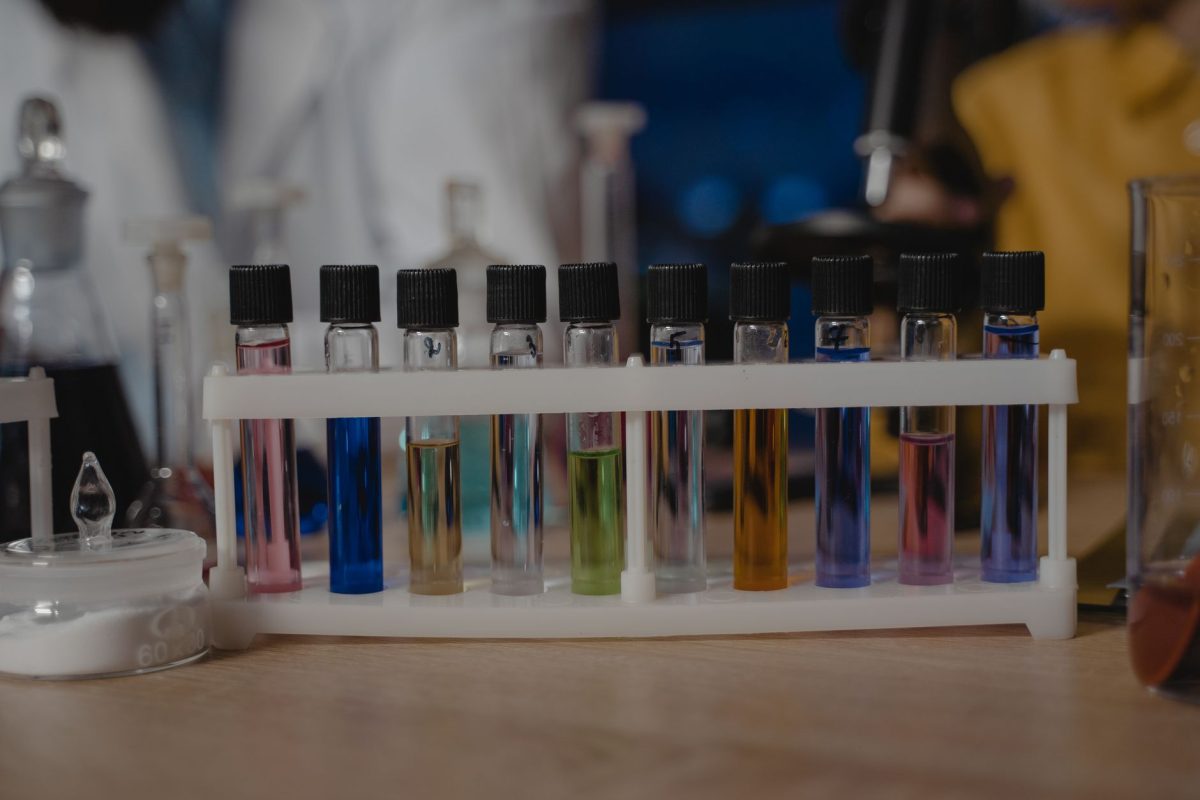
Not every well needs every test every year. The trick is to separate the tests you run often from the ones you run occasionally, and to add situational tests based on your local geology and what is happening around your well. Here is the full picture of what to test in well water, grouped so you can plan and budget.
The core tests (run these regularly)
- Total coliform and E. coli, the headline bacteria test. Coliform signals surface water is getting in; E. coli means fecal contamination.
- Nitrate and nitrite, linked to fertilizer, septic seepage, and animal waste. Especially important if you have infants at home.
- pH, very acidic or very alkaline water corrodes pipes and pumps and changes how other contaminants behave.
- Total dissolved solids (TDS), a quick overall snapshot of mineral load and a useful year-to-year trend marker.
- Hardness (calcium and magnesium), not a health risk, but it drives scale, soap use, and geyser life.
The extended panel (every 2-3 years)
- Iron and manganese, common in borewell water; cause staining, metallic taste, and clogged filters.
- Fluoride, naturally high in many parts of India; excess causes dental and bone problems over years.
- Arsenic, a serious concern in some Gangetic and delta belts; odourless and tasteless, so testing is the only way to know.
- Lead and heavy metals, can leach from old plumbing and fittings even when the source is clean.
- Sulphate and chloride, affect taste and can hint at seawater intrusion near the coast.
Situational tests (only if there is a reason)
- Pesticides or VOCs, if you are near farmland, an industrial unit, or a fuel station.
- Uranium or radon, in specific geological zones; ask your regional groundwater office.
- Turbidity and sediment, if water suddenly runs cloudy or gritty after rain.
| Test group | How often | Typical lab cost | Why it matters |
|---|---|---|---|
| Bacteria (coliform + E. coli) | Every year | ₹300, ₹800 | Immediate illness risk |
| Nitrate / nitrite | Every year | ₹200, ₹600 | Risky for infants and pregnancy |
| Core chemistry (pH, TDS, hardness) | Every 1-2 years | ₹500, ₹1,200 | Pipe and appliance health |
| Metals (iron, arsenic, lead, fluoride) | Every 2-3 years | ₹1,500, ₹4,000 | Long-term health effects |
| Situational (pesticides, VOCs) | Only if at risk | Varies widely | Local pollution sources |
What tests do I need every year?
If money and time are tight, do not skip the annual basics. Every year, without fail, test for bacteria (total coliform and E. coli) and nitrate. These are the two that can affect health quickly and that change most from season to season, especially after the monsoon when surface water pushes into shallow aquifers.
The best window for the annual test is right after the rains ease, when contamination risk peaks. On my own borewell, I always test in the first clear week after the monsoon rather than in the dry summer, because that is when a cracked casing or a nearby septic leak is most likely to show up in the results.
Also test outside the yearly schedule whenever any of these happen:
- The water changes taste, smell, or colour.
- You repair or replace the pump, pipe, or casing.
- A flood, sewage overflow, or nearby construction occurs.
- Someone in the house has repeated stomach upsets.
- A new baby or pregnant person joins the household.
For a deeper look at how to read those bacteria results, see our step-by-step guide on how to test well water for bacteria and coliform.
Tip: Cheap TDS meters and home strip kits are fine for tracking trends, but they cannot detect bacteria, arsenic, or fluoride reliably. For anything that touches health, always confirm with a NABL-accredited or government-certified lab. Treat home kits as a warning light, not a verdict.
How do I prepare to test my well?
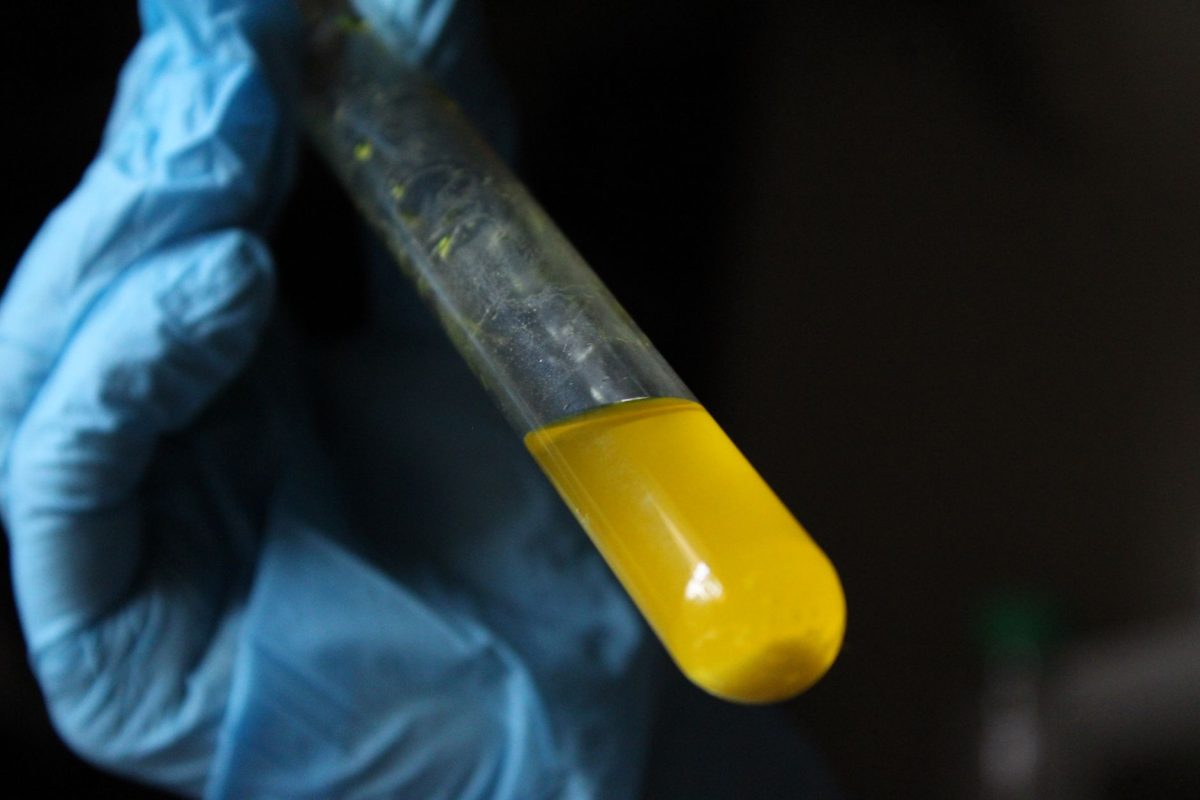
A perfect lab test is worthless if the sample is contaminated by a dirty tap or a stray splash. Good sampling is a discipline. Follow this numbered checklist and you will get results you can actually trust.
- Get the right container. Bacteria tests need a sterile, lab-supplied bottle, never reuse a soft-drink bottle. Chemical tests usually need a clean plastic bottle rinsed with the same water.
- Pick a sampling tap. Choose a tap closest to the source, ideally before any softener or filter. Remove any aerator, screen, or hose attachment.
- Disinfect the tap (bacteria test only). Wipe the outlet and, if allowed, flame it briefly or swab with alcohol to kill surface germs on the tap itself.
- Flush the line. Run the tap for 2-5 minutes to clear stagnant water sitting in the pipe, so you sample the aquifer, not the plumbing.
- Fill without touching the inside. Do not rinse a sterile bacteria bottle. Fill to the marked line, avoid touching the rim or cap interior, and cap it immediately.
- Label everything. Note the date, time, tap location, and your name on the bottle and the form.
- Keep it cold and move fast. Refrigerate at roughly 4°C and get bacteria samples to the lab within 24 hours, ideally within 6 hours.
Small slip-ups here are the most common reason a test comes back wrong. If you want to avoid the usual traps, our roundup of common well water testing mistakes is worth ten minutes before you collect anything.
Where to test and how to keep records
Use a lab you can verify. In India, look for NABL accreditation or a state public health lab; the Central Ground Water Board and your local municipal water department can often point you to approved facilities. International readers can use the guidance from the US EPA private wells program and the World Health Organization for reference limits. Always compare your numbers against a recognised drinking-water standard such as BIS IS 10500.
Then keep a running log. A single reading is a snapshot; a log is a story. When I saw my TDS creep up about 15% over three years, the log, not any single test, is what told me my aquifer was slowly changing and it was time to look at treatment.
Record at minimum:
- Date of sample and which tap it came from.
- Every measured value with its unit (mg/L, ppm, or CFU).
- The lab’s safe limit next to your result, so you see pass or fail at a glance.
- Any repairs, weather events, or taste changes around that date.
Whether results are safe depends on your local standards and your household, if any value is borderline or you are unsure, confirm the reading with a certified lab and, for health-related contaminants, talk to a qualified water professional or your doctor before deciding what to do.
Frequently Asked Questions
What should be on a well water testing checklist?
At minimum: total coliform and E. coli bacteria, nitrate, pH, TDS, and hardness. Add iron, fluoride, arsenic, and lead on a longer cycle. Layer in situational tests like pesticides only if you live near farmland or industry. Timing, clean sampling, and a record log complete the list.
What tests do I need every year?
Bacteria (total coliform and E. coli) and nitrate are the two annual must-dos, because they change seasonally and affect health fast. Test right after the monsoon when contamination risk is highest. Add pH and TDS yearly if budget allows, since they are cheap and flag trends early.
How do I prepare to test my well?
Use a lab-supplied sterile bottle for bacteria, choose a tap before any filter, remove the aerator, disinfect the tap, flush the line for a few minutes, then fill without rinsing or touching the rim. Label with date and location, keep it cold, and deliver within 24 hours.
Can I use a home test kit instead of a lab?
Home strips and TDS meters are handy for tracking trends and doing a first check, but they are not reliable for bacteria, arsenic, or fluoride. Use them as an early warning, then confirm anything concerning with a NABL-accredited or government-certified lab before making health decisions.
How much does full well water testing cost?
A basic annual bacteria test typically costs roughly ₹300, ₹800. A broader chemical panel covering metals, fluoride, and arsenic usually runs about ₹1,500, ₹4,000 at a certified lab. Prices vary by city and lab, so ask for a parameter list and rate card before you book.
So, where does that leave you?
Testing your well is not complicated once you have a checklist to follow: bacteria and nitrate every year, a fuller chemistry panel every couple of years, clean sampling every time, and a written log to catch slow changes. That simple rhythm is how you protect your family without overspending or guessing. Print this checklist, put it near your pump, and you will never again wonder what to test.
Ready to understand your results and build a full water-safety routine? Browse our complete water testing and quality guide, or if you are still unsure about your supply, start with is my well water safe to drink for plain answers to the questions most owners ask first.