A neighbour once waved a dripping test strip at me, convinced his borewell water was “perfectly safe” because every pad matched the happy end of the chart. Two weeks later a certified lab found nitrate levels his ₹15 strip could never have flagged. That gap, between what a strip tells you and what a lab proves, is the whole point of the test strips vs lab testing debate. I’m Arjun, and after 15 years babysitting my own borewell, pump, and overhead tank, I’ve leaned on both more times than I can count.
In this guide I’ll show you exactly where a quick strip is genuinely good enough, where only a lab result will do, and how to avoid paying for accuracy you don’t need. It’s part of our complete guide to Water Testing & Quality.
Key Takeaways
- Strips are for screening, labs are for decisions. Use strips to spot changes fast; use a lab before you drink, buy, or build a filter.
- A pack of 100 strips runs roughly ₹300, ₹800; a certified multi-parameter lab test typically costs ₹1,500, ₹6,000+ depending on the panel.
- Strips reliably read pH, hardness, chlorine, and rough nitrate/iron. They cannot measure heavy metals, bacteria to a safe standard, fluoride precisely, or dissolved solids by weight.
- For anything health-related, bacteria, arsenic, fluoride, nitrate near limits, trust a NABL-accredited lab, not a colour chart.
- The smart move is both: strips monthly, a full lab test once or twice a year and after any change.
What each tool actually does
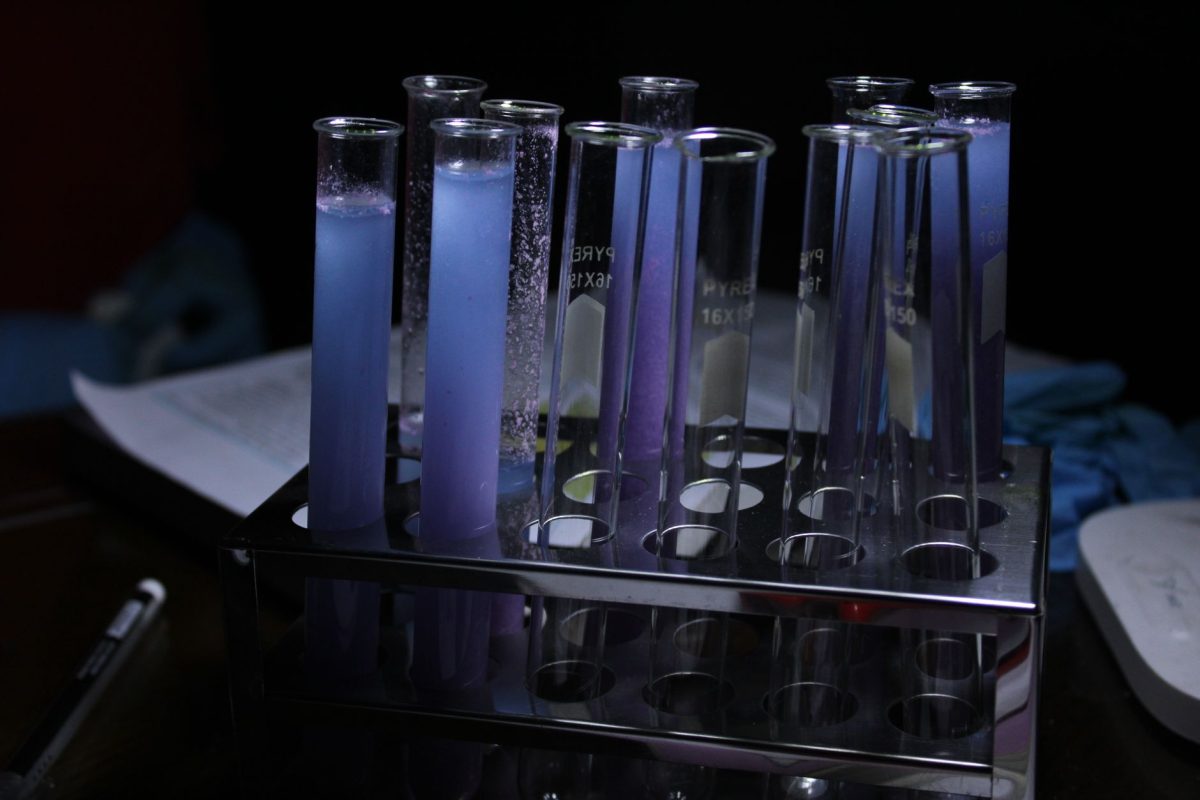
Before you can pick, it helps to understand what you’re really buying. These two tools aren’t competitors so much as different jobs, a smoke detector versus a fire inspector’s full report.
Test strips: fast, cheap, hands-on
A test strip is a thin plastic stick with chemically treated pads. You dip it in a glass of water, wait 10-60 seconds, and match each pad’s colour against a printed chart. Within a minute you get a rough reading on several things at once, usually pH, total hardness, free chlorine, total alkalinity, and often nitrate, nitrite, and iron.
The appeal is obvious: no lab, no waiting, no appointment. This is the heart of the DIY vs lab water test question, strips put a basic reading in your hands the same afternoon your water starts tasting or smelling off.
Certified lab testing: precise, documented, defensible
A certified water lab test means you collect a sample in a proper bottle (often supplied by the lab), courier or drop it off, and a technician runs it on calibrated instruments. You get back a signed report with actual numbers, milligrams per litre, colony counts, part-per-billion metal readings, compared against a standard like BIS IS 10500.
In India, look for NABL accreditation (the National Accreditation Board for Testing and Calibration Laboratories). That accreditation is the difference between a number you can act on and a number you’re just hoping is right.
Test strips vs lab testing: the side-by-side
Here’s how the two stack up across the factors that actually matter when you’re deciding where to spend. I’ve filled in cost ranges from what I’ve paid and seen across labs in Indian cities, treat them as ballparks, not quotes.
| Factor | Test strips | Certified lab test |
|---|---|---|
| Typical cost | ₹300, ₹800 per 100 strips (₹3, ₹8 per test) | ₹1,500, ₹6,000+ per full panel |
| Time to result | Under 2 minutes | 2-7 working days |
| Accuracy | Rough, colour-matched, ±a band | High, instrument-measured |
| What it can measure | pH, hardness, chlorine, alkalinity, rough nitrate/iron | Bacteria, heavy metals, fluoride, arsenic, TDS, nitrate to exact figures |
| Bacteria (E. coli/coliform) | No reliable reading | Yes, to a safe standard |
| Documentation | None | Signed, dated, standards-referenced report |
| Best use | Frequent screening, spotting change | Health decisions, buying, disputes |
How accurate are test strips, really?
This is where honesty matters. The accuracy of test strips depends heavily on what you’re measuring and how carefully you use them. They are genuinely useful for some things and genuinely misleading for others.
Strips do a decent job on:
- pH, you’ll land within about half a point, which is fine for spotting acidic or alkaline water.
- Total hardness, good enough to know if you need a softener and why your geyser keeps scaling.
- Free chlorine, handy if you shock-chlorinate your tank or well.
- Rough iron and nitrate, enough to say “high” or “low,” not to prove a safe level.
Where they fall short is exactly where safety lives. Strips cannot reliably detect bacteria, cannot measure heavy metals like lead or arsenic, and give only a coarse read on fluoride and nitrate, the very contaminants with strict health limits. Colour-matching by eye, in different lighting, with a strip that may have absorbed humidity from an open bottle, simply isn’t a basis for a drinking-water safety call.
Warning: Never clear water as “safe to drink” on the strength of a test strip alone. On my own borewell, strips read clean for months, yet a lab test still turned up a nitrate figure sitting uncomfortably close to the BIS limit. Strips see the obvious; labs see the dangerous.
When to use which: a simple decision path
You don’t have to choose one forever. I use both, on different schedules, for different reasons. Here’s the routine I’ve settled into after years of trial, error, and a couple of unpleasant surprises.
- New source or new home? Start with a full certified lab panel. You need a baseline you can trust before anything else.
- Monthly or after heavy monsoon rain? Run a strip. It’s your early-warning system for sudden change.
- Strip shows something off, colour, smell, a pad that jumped? Send a sample to a lab to confirm what’s really going on.
- Buying a filter or softener? Get a lab test first so you size and choose the system for your actual water, not a guess.
- Health scare, pregnancy, infant in the house, or a dispute? Certified lab, every time. This is not a strip situation.
- Nothing changed and last lab test was clean? A quarterly strip check is enough between annual lab tests.
Tip: Keep your strip bottle tightly capped and out of the bathroom. Humidity is the silent killer of strip accuracy, I lost trust in a whole batch once because they’d been sitting near a steamy geyser and started reading high on everything.
Do lab tests really cost that much more?
Yes and no. Per test, a lab is dramatically more expensive, you might pay ₹2,000 for one panel versus a few rupees for one strip. But you’re not buying the same thing. A lab test is a once-or-twice-a-year purchase; strips are an everyday tool. Spread across a year, both together often cost less than a single service call on a filter you bought for the wrong problem.
Think of it as insurance versus a dashboard warning light. The strip is the light on your dashboard; the lab is the mechanic who actually opens the bonnet. Skipping the mechanic to save money is how small problems become expensive ones. For a full breakdown of what testing costs over time, see our guide on the real cost of well water testing.
If you want help choosing physical products, our roundup of the best home water test kits for well and borewell owners covers strips, drop kits, and mail-in panels side by side. And if you’re weighing a third option, test strips vs digital meters vs lab kits compares all three approaches in detail.
Getting a trustworthy result from either method
Whichever tool you reach for, small habits make a big difference to how much you can trust the number.
- Check the expiry. Strips degrade. An expired strip will lie to you with total confidence.
- Test fresh water. Let the tap run for a few seconds first, unless you’re deliberately testing standing tank water.
- Match colours in daylight. Indoor bulbs skew the shades, I always read strips near a window.
- For labs, follow the sampling instructions exactly. A bacteria test contaminated by your own hands is worse than no test, it gives you a false failure or a false pass.
- Compare against a standard. Ask the lab to reference BIS IS 10500 so you know what “acceptable” means in numbers.
For the authoritative limits themselves, the World Health Organization publishes drinking-water guideline values, and India’s Bureau of Indian Standards defines the IS 10500 specification most Indian labs test against. When your report and these standards disagree, believe the report and act on it, ideally with a qualified water professional.
Frequently Asked Questions
Are water test strips accurate enough?
For screening, yes, they read pH, hardness, and chlorine well enough to spot trends and sudden changes. For anything with a health limit, like bacteria, arsenic, or fluoride, they are not accurate enough. Treat a strip result as a clue, never as a verdict on whether water is safe to drink.
When should I use a certified lab?
Use a certified lab for your first baseline on any new source, before buying a filter or softener, after a strip flags something odd, and any time health is on the line, infants, pregnancy, illness, or a legal dispute. A NABL-accredited report is the only result trustworthy enough to base those decisions on.
Do lab water tests cost more than strips?
Per test, far more, roughly ₹1,500, ₹6,000 for a lab panel versus a few rupees per strip. But they serve different jobs. Strips are frequent, cheap screening; a lab test is an occasional deep check. Budgeting for both across a year usually costs less than one wrong filter purchase.
Can test strips detect bacteria in well water?
Not reliably. A few strips claim a bacteria indicator, but they cannot match the sensitivity of a proper lab culture for E. coli or coliforms. Since bacterial contamination is invisible, odourless, and a genuine health risk, always confirm with a certified microbiological test, especially after flooding or monsoon.
How often should I test my borewell water?
A practical rhythm is a strip check monthly (and after heavy rain), plus a full certified lab test once or twice a year. Test more often if you notice changes in taste, smell, or colour, or if you live near farming, industry, or a new construction site.
The practical upshot
Test strips and certified lab testing aren’t rivals, they’re partners. Strips give you cheap, instant awareness so you catch changes early; labs give you the precise, documented truth you need before you drink, buy, or build. Use the strip as your everyday dashboard and the lab as your trusted mechanic, and you’ll spend money only where accuracy genuinely matters. When water safety is in question, always confirm with a certified lab or a qualified professional.
Want to build a testing routine that fits your setup and budget? Start with our complete homeowner’s guide to water testing and quality and work outward from there.