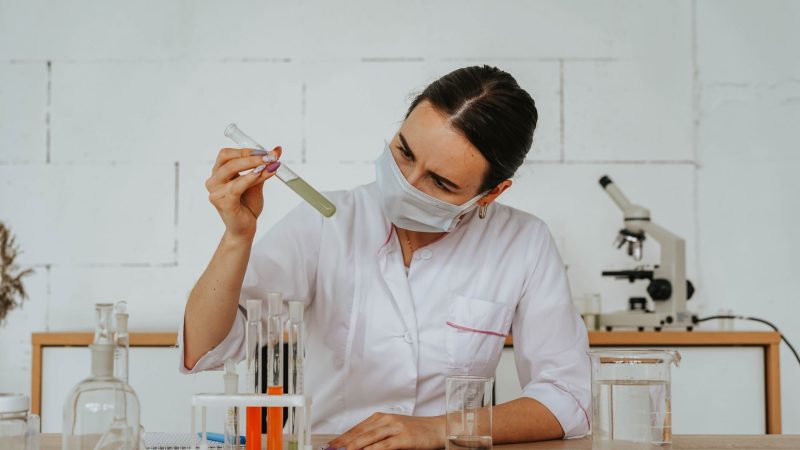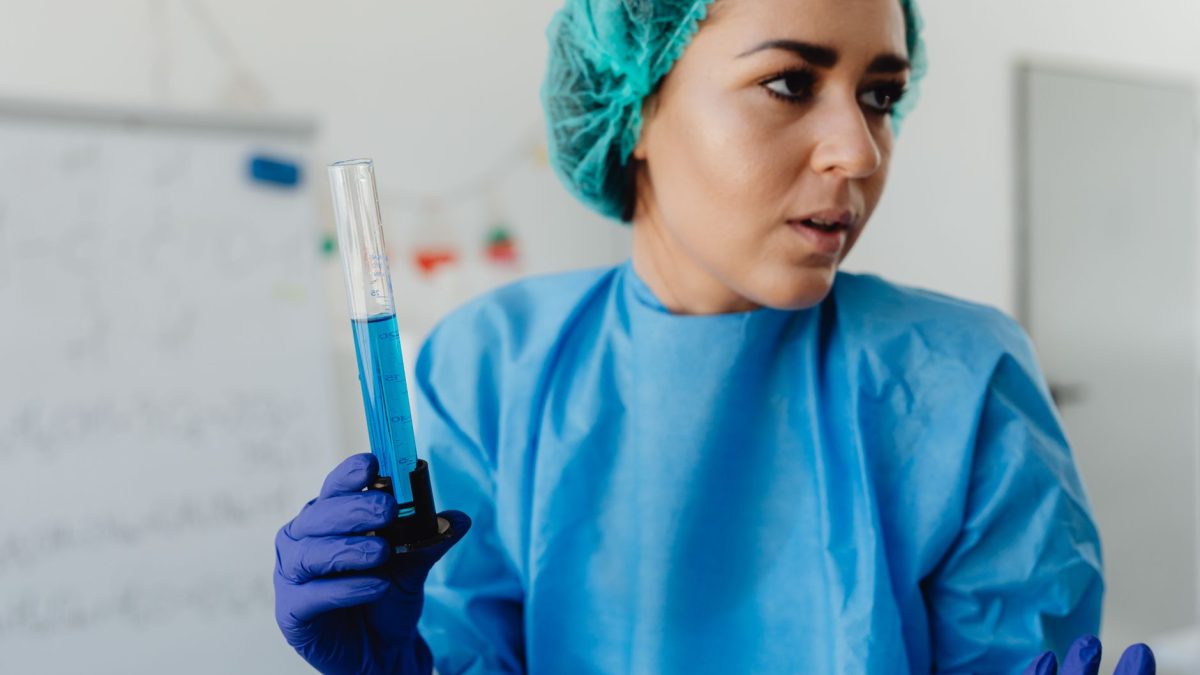
The first time I sent my borewell water to a lab, I stared at the invoice for a full minute. A single dip strip in my toolbox cost about ₹20; the lab wanted a few thousand rupees for a panel of numbers I barely understood. So which one actually protects my family? After 15 years of running my own borewell, pump, and overhead tank, I’ve paid for testing at every level, and I’ve learned that well water testing cost is really a question about risk, not price. In this post I’ll break down what strips, meters, and full lab panels cost, what each one buys you, and how to spend the right amount so your money lands where the danger actually is.
Key Takeaways
- Home testing is cheap: strips run roughly ₹15, ₹40 each, and a decent TDS/pH meter costs about ₹500, ₹1,500 as a one-time buy.
- A basic certified lab panel typically costs ₹800, ₹2,000; a full drinking-water panel with heavy metals and bacteria runs ₹3,000, ₹6,000+.
- The ROI math is lopsided: one lab test can flag a problem that would otherwise cost tens of thousands in ruined pumps, plumbing, or health bills.
- Test at least once after drilling, once a year, and any time taste, colour, or smell changes.
- Cheapest reliable strategy: cheap tools for routine monitoring, a lab for the annual “ground truth” check.
The three tiers of well water testing (and what each costs)
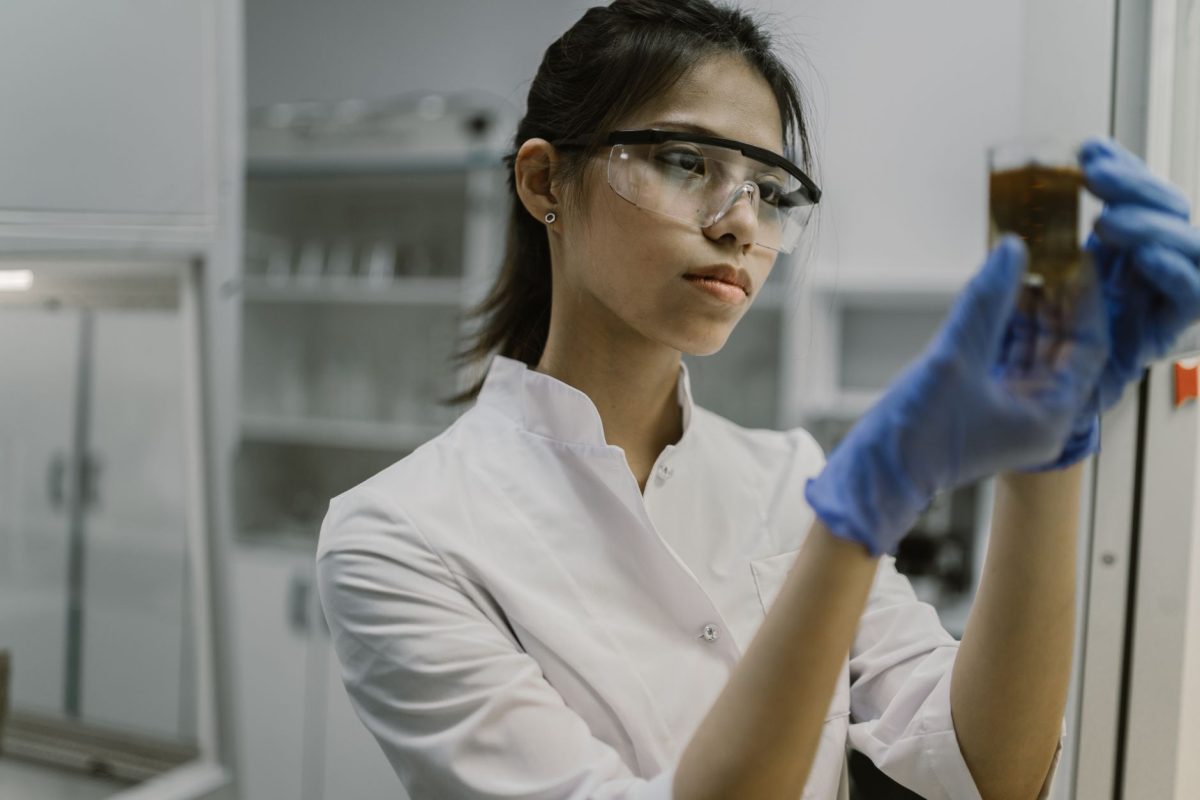
Water testing isn’t one product with one price. It’s three very different tools that answer different questions. The mistake I see most often is people either overspending on a lab panel they don’t need yearly, or trusting a ₹20 strip to keep their family safe. Understanding the price of water testing at each tier is the first step to spending wisely.
Tier 1: Test strips, the ₹20 gut check
Test strips are paper or plastic dip sticks coated with reagents that change colour. You dip, wait, and match the colour to a chart. A pack of 100 general strips costs around ₹300, ₹700, which works out to roughly ₹15, ₹40 per test depending on the brand and how many parameters it reads.
They’re brilliant for a quick screen of hardness, pH, chlorine, nitrate, and sometimes iron. What they’re not is precise. On my own borewell, strips told me the water was “hard”, correct, but they couldn’t tell me how hard, which matters when you’re sizing a softener.
Tier 2: Digital meters, the ₹1,000 monitor
A handheld TDS meter or pH meter is a one-time purchase, usually ₹500, ₹1,500, that pays for itself over years of use. It gives you a real number for total dissolved solids or acidity, which is far more useful for tracking trends than a colour swatch.
I keep a TDS meter clipped to a shelf near the tank and check it monthly. A sudden jump in TDS is my early-warning sign that something changed underground, often the first hint of contamination or a failing filter, long before I’d notice by taste.
Tier 3: Certified lab panels, the ₹2,000+ ground truth
A certified laboratory is the only place that can reliably tell you about bacteria (like E. coli and total coliforms), heavy metals (arsenic, lead, fluoride), and exact mineral concentrations. This is the tier that actually protects health. Nothing you can dip or clip at home substitutes for it.
Costs vary by how many parameters you order. A basic drinking-water panel is often ₹800, ₹2,000, while a comprehensive panel covering heavy metals and microbiology can run ₹3,000, ₹6,000 or more. For a deeper look at when a lab is worth the spend, see our breakdown of test strips versus certified lab testing.
Well water testing cost: a side-by-side comparison
Here’s how the three tiers stack up on cost, accuracy, and what they can and can’t detect. The lab water test cost in India will vary by city and by which government-approved lab you use, so treat these as realistic ranges rather than fixed quotes.
| Testing method | Typical cost | Accuracy | Best for | Can’t detect |
|---|---|---|---|---|
| Test strips | ₹15, ₹40 per test | Low (ballpark) | Quick screening, hardness, chlorine, nitrate | Exact levels, bacteria, heavy metals |
| TDS / pH meter | ₹500, ₹1,500 (one-time) | Medium (for TDS/pH only) | Monthly trend tracking, RO checks | What the dissolved solids actually are |
| Basic lab panel | ₹800, ₹2,000 | High (certified) | Annual safety check, common contaminants | Only what you pay to test for |
| Full lab panel | ₹3,000, ₹6,000+ | Highest (certified) | After drilling, health scares, metals & bacteria | , |
Notice the pattern: cost rises with accuracy and with the seriousness of what you can catch. Strips and meters are about convenience and monitoring; labs are about certainty on the things that hurt you. If you want help choosing specific products, our guide to the best home water test kits for well owners covers reliable brands at each price point.
Tip: Don’t pay a lab to test for everything blindly. Before you order, ask the lab for a “borewell drinking water” package and tell them your region’s known issues, fluoride belts, arsenic zones, high iron. Testing only what’s relevant to your area can cut a ₹5,000 panel down to ₹1,500 without losing the protection that matters.
Is paying for a lab test worth it? The real ROI
“Is water testing worth it?” is the question I get most, usually from someone eyeing a ₹4,000 lab bill and wondering if they can skip it. The honest answer: for routine checks, cheap tools are plenty. But skipping a lab test entirely is a false economy, because the costs it prevents are enormous compared to the costs it charges.
Think about what undetected bad water actually costs:
- Ruined appliances: High hardness or corrosive water quietly destroys geysers, washing machines, and RO membranes, often ₹8,000, ₹30,000 to replace.
- Pump and plumbing damage: Sand, iron, or aggressive water shortens pump life. A submersible replacement can run ₹15,000, ₹40,000.
- Health costs: Bacterial or fluoride/arsenic contamination can cause illness whose treatment dwarfs any test fee, and no strip will warn you.
- Wasted filter money: Buying an RO or softener without knowing your water is guessing. A lab test tells you what you actually need to remove.
Set a ₹2,000 lab test against a ₹20,000 pump or a hospital visit and the maths stops being a debate. In my experience, one good annual lab panel is the cheapest insurance a well owner can buy. For a fuller side-by-side on the tools themselves, we compare strips, meters, and lab kits in detail.
What is the cheapest way to test water, without going blind?
The cheapest smart strategy isn’t “only use strips.” It’s a layered plan that spends money where risk lives. Here’s the exact routine I follow on my own setup, and recommend to neighbours who ask.
- Buy the cheap tools once. A ₹400 strip pack and a ₹1,000 TDS meter cover routine monitoring for a year or more.
- Check monthly with the meter. Log the TDS number. A stable reading is reassuring; a sudden change is your cue to investigate.
- Screen with strips when something feels off. New taste, colour, or smell? Dip a strip for hardness, nitrate, and chlorine to narrow down the suspect.
- Book a certified lab test once a year. This is your ground-truth check for bacteria and metals, the things home tools can’t see.
- Test immediately after drilling or repairs. A new borewell or any work that opens the system warrants a full panel before you drink from it.
Total yearly cost of this plan is often under ₹3,000 for most households, and it catches nearly everything that matters. You get the daily convenience of cheap tools plus the certainty of a lab once a year, the best of both without paying lab prices every month.
Important: No home strip or meter can confirm that water is safe to drink. Only a certified lab can test for bacteria and heavy metals. If anyone in your home is sick, or your water has an unusual taste or smell, treat it as unsafe and confirm with a government-approved lab or a qualified professional before drinking.
How to keep testing costs low over time
A few habits keep your long-term price of water testing down without cutting corners on safety:
- Use accredited government labs. In India, look for NABL-accredited labs or state public-health labs, which are often cheaper than private RO-company “free” tests that exist to sell you a system.
- Split costs with neighbours. If several homes share the same aquifer, one comprehensive lab test can inform the whole street, split the bill.
- Keep your records. A simple logbook of TDS readings and lab reports shows trends over years, so you test purposefully instead of in a panic.
- Match the test to your region. Check with your local groundwater authority for known contaminants in your area before ordering a panel.
For authoritative guidance on private-well testing frequency and what to test for, the US EPA’s private wells resource is a solid free reference, and India’s Central Ground Water Board publishes regional groundwater quality data worth checking before you spend on a panel.
Frequently Asked Questions
How much does well water testing cost?
It ranges widely by method. Test strips cost roughly ₹15, ₹40 each, a TDS or pH meter is a one-time ₹500, ₹1,500, a basic certified lab panel runs ₹800, ₹2,000, and a full panel covering heavy metals and bacteria typically costs ₹3,000, ₹6,000 or more depending on your city and lab.
Is paying for a lab test worth it?
Yes, at least once a year and after drilling. A lab is the only way to detect bacteria and heavy metals, which no home strip can see. Set the ₹2,000 fee against a ruined pump, a failed filter, or a health scare, and one annual test is the cheapest insurance a well owner can buy.
What is the cheapest way to test water?
The cheapest reliable approach is layered: a ₹400 strip pack and a ₹1,000 TDS meter for routine monthly checks, plus one certified lab test per year for the things home tools miss. This keeps most households under ₹3,000 annually while still catching bacteria and metals through the yearly lab panel.
Does the lab water test cost more in India than a home kit?
Yes, but they do different jobs. A home kit is cheaper because it only screens for basic parameters. A lab water test costs more because it uses certified equipment to measure exact levels and detect contaminants strips can’t. In India, NABL-accredited or state public-health labs are often the best-value certified option.
How often should I pay to test my well water?
Test with a lab at least once a year, immediately after drilling a new borewell or any repair that opens the system, and any time the taste, colour, or smell changes. Between labs, a monthly TDS-meter check is essentially free after the initial purchase and flags problems early.
So, where does that leave you?
Well water testing cost only feels high until you weigh it against what bad water quietly destroys, pumps, appliances, and health. The smart play isn’t the cheapest tool or the most expensive lab; it’s a layered plan that uses inexpensive strips and a meter for routine monitoring and a certified lab once a year for the things you can’t see. Spend where the risk actually is, and your total bill stays small while your protection stays real. When you’re ready to go deeper, start with our complete guide to water testing and quality, it ties every one of these decisions together in one place.