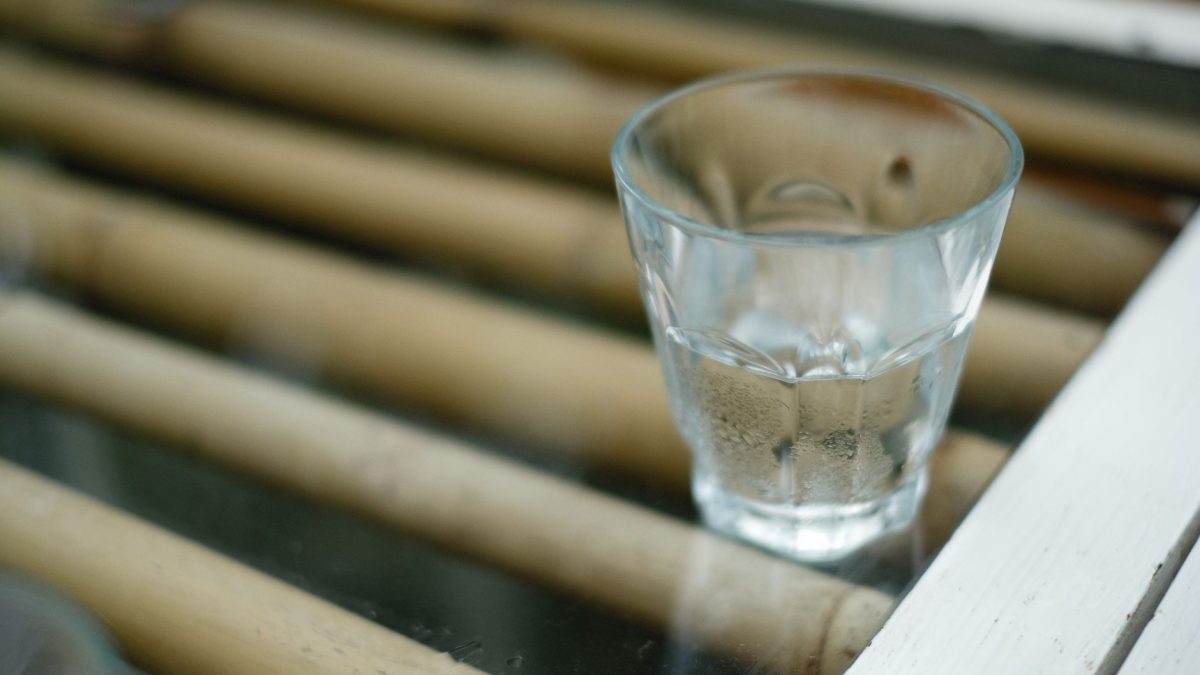
A neighbour once handed me a glass of his borewell water, held it up to the light, and said, “See how clear it is? Pure as anything.” Six weeks later his kids had stomach bugs the whole family couldn’t shake. That glass looked perfect and still had coliform bacteria in it. Sorting out the water quality myths and facts is one of the most useful things a well owner can do, because most of the beliefs we inherit from parents and neighbours are half-true at best.
I’m Arjun, and I’ve run my own borewell, pump, and overhead-tank setup for more than 15 years. In that time I’ve tested my water more times than I can count and watched plenty of folklore fall apart. Below I’ll walk you through the most stubborn myths I hear, what the evidence actually says, and what to do instead so you’re making decisions on facts, not feelings.
Key Takeaways
- Clear does not mean clean. Bacteria, nitrate, arsenic and fluoride are all invisible, odourless and tasteless.
- Boiling kills germs but fixes nothing else. It does nothing for chemicals, metals, or nitrate, and can even concentrate them.
- Low TDS is not “unhealthy.” Water anywhere from roughly 50-500 mg/L TDS is normal and safe; taste is not a safety test.
- A lab test is the only real answer. Test at least once a year, and after any flood, repair, or taste change.
Myth 1: “If the water is clear, it’s safe to drink”
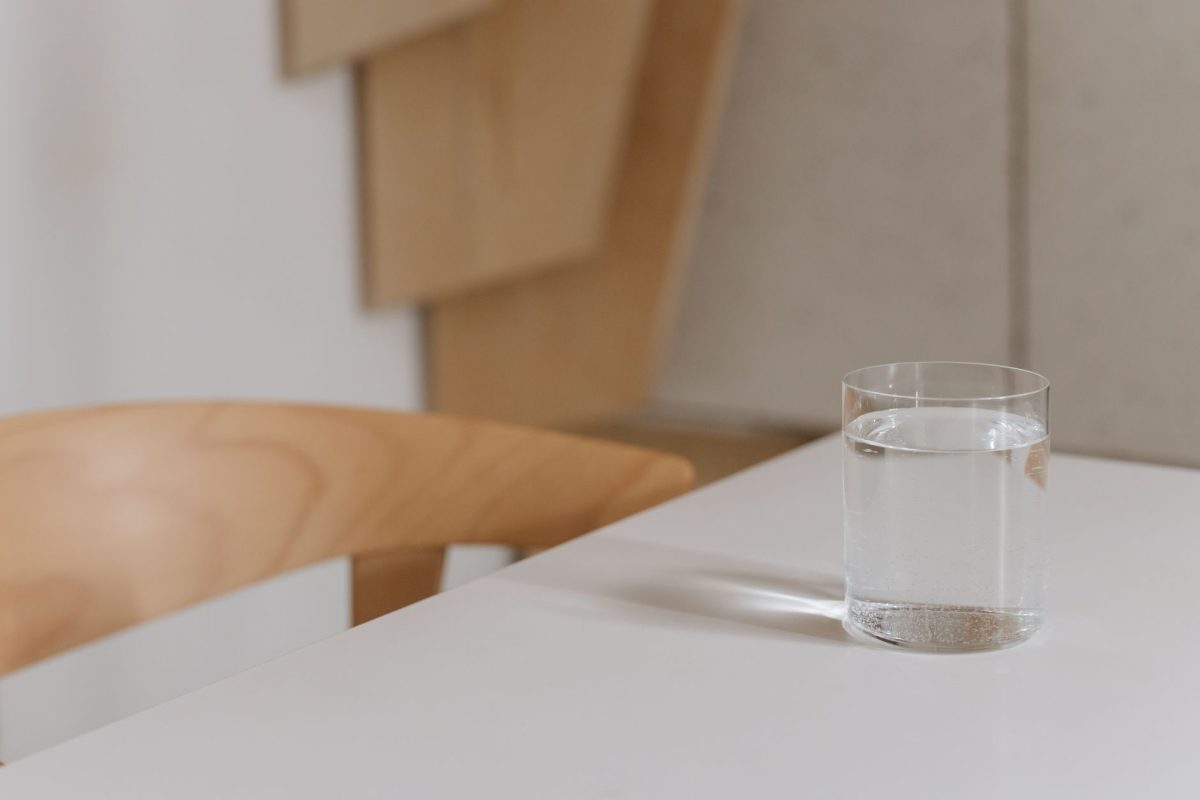
This is the big one, and the “clear water safe myth” trips up more well owners than any other belief. Clarity only tells you there’s no visible sediment, silt, or algae. It says nothing about the contaminants that actually make people sick.
The most common problems in Indian groundwater are things you cannot see. Coliform and E. coli bacteria are microscopic. Nitrate from farm runoff and septic tanks is completely invisible. So are arsenic and fluoride, which occur naturally in many aquifers and cause serious long-term harm at levels that look and taste like ordinary water.
To understand what can actually be lurking in a supply that looks fine, it helps to read our plain-English guide to what’s actually in your well water. The short version: your eyes are the worst water-quality instrument you own.
Tip: My own borewell water is crystal clear year-round, yet a monsoon-season test one year came back positive for coliform after surface water seeped past a cracked well cap. Clarity had hidden a real problem. Fixing the cap and shock-chlorinating solved it, but only the test told me it existed.
Myth 2: “Boiling water makes it completely safe”
Boiling is genuinely useful, it’s the single best emergency step against germs, but the boiling water myths give it powers it doesn’t have. A rolling boil for one to three minutes kills bacteria, viruses, and protozoa reliably. That’s where its usefulness ends.
What boiling does NOT remove
- Nitrate, unchanged by boiling, and dangerous for infants.
- Arsenic and fluoride, not removed at all.
- Heavy metals like lead or iron, stay put.
- Pesticides and industrial chemicals, mostly unaffected.
- Hardness (calcium and magnesium), some settles as scale, but the water isn’t “softened.”
Here’s the part that surprises people: because boiling evaporates water but leaves dissolved chemicals behind, over-boiling can actually concentrate nitrate, arsenic, and fluoride. If your problem is chemical, boiling makes it slightly worse, not better. Boiling is a bacteria tool only.
Myth 3: “Low TDS means the water is unhealthy or stripped”
Once RO purifiers arrived in every colony, a new belief spread: that “low TDS water is unhealthy” and strips minerals from your body. TDS, total dissolved solids, is simply the total weight of dissolved minerals and salts. A cheap TDS meter measures it in mg/L (or ppm).
The truth is that TDS is a taste and aesthetic indicator, not a safety score. The BIS acceptable limit for drinking water is 500 mg/L, with a permissible upper limit of 2000 mg/L where no better source exists. A low reading doesn’t mean the water is dangerous, and a “good” 250 reading tells you nothing about whether arsenic or bacteria are present.
| TDS range (mg/L) | What it usually means | Should you worry? |
|---|---|---|
| Below 50 | Very soft, often RO or rainwater; can taste “flat” | No, safe, just re-mineralise if you dislike the taste |
| 50-300 | Ideal drinking range for most people | No |
| 300-500 | Within BIS acceptable limit; may taste slightly mineral | No |
| 500-900 | Above acceptable; often hard water, scaling likely | Test for cause; treatment often worth it |
| Above 900 | High; could signal salinity or other issues | Yes, get a full lab panel, not just a meter |
The mineral-stripping fear is largely marketing. The minerals we need come overwhelmingly from food, not water. So don’t panic over a low number, but don’t treat a “nice” TDS reading as proof your water is safe either.
Myth 4: “It’s borewell water, so it’s naturally pure”
Many of the well water misconceptions I hear come from the idea that deep groundwater is filtered by the earth and therefore pure. Soil does filter out some particles and germs, which is why groundwater is often cleaner than surface water. But it’s not a magic purifier.
As water moves through rock, it picks up whatever minerals are down there, including natural arsenic, fluoride, and iron. And a poorly sealed borewell casing lets surface contamination, septic seepage, and monsoon runoff straight into your “pure” supply. “Deep” and “natural” are not the same as “tested and safe.” To dig into this properly, our companion article on whether your well water is safe to drink walks through the specific risks by contaminant.
Myth 5: “Once I’ve tested it, I’m set for good”
A one-time test is a snapshot, not a lifetime guarantee. Well water changes with the seasons, the water table, nearby land use, and the condition of your own casing and pump. A clean result in March can turn into a coliform hit in July after the first heavy rains.
This is why routine testing matters more than any single result. If you’re unsure how frequently to sample, our seasonal schedule for how often you should test well water lays out sensible timing for Indian conditions. As a baseline, test at least annually and re-test after specific triggers.
How to replace folklore with facts: a simple routine
Busting myths is only useful if it changes what you do. Here’s the practical routine I follow on my own setup, and recommend to anyone starting out.
- Get a proper lab test first. Ask a NABL-accredited or state-certified lab for at least bacteria (coliform/E. coli), nitrate, fluoride, arsenic, iron, hardness, and TDS.
- Match treatment to the actual problem. Bacteria → UV or chlorination; hardness → softener; arsenic/fluoride → specific media or RO. Don’t buy a purifier before you know the fault.
- Sort out the well itself. A sealed cap, sound casing, and good drainage prevent most surface-contamination surprises.
- Keep boiling as your backup. During floods or a bad bacteria result, boil for 1-3 minutes while you fix the root cause.
- Re-test on a schedule. Annually as a minimum, plus after floods, repairs, new nearby construction, or any change in taste, smell, or colour.
In my experience a basic drinking-water panel from a certified lab in India usually costs roughly ₹800, ₹2,500 depending on how many parameters you include, far cheaper than treating an illness or buying the wrong equipment. Because this touches drinking-water safety, always confirm results with a certified lab or a qualified water professional before making health decisions; nothing here is a substitute for that.
A quick myth-vs-fact cheat sheet
| Common belief | What the evidence says |
|---|---|
| “Clear water is safe water” | Clarity is invisible to bacteria, nitrate, arsenic and fluoride. Only testing confirms safety. |
| “Boiling removes everything” | Boiling kills germs only; it doesn’t remove chemicals, metals or nitrate, and can concentrate them. |
| “Low TDS is unhealthy” | TDS indicates taste and hardness, not safety. Roughly 50-500 mg/L is normal and fine. |
| “Borewell water is naturally pure” | Groundwater still carries natural arsenic/fluoride and can be contaminated by a poor casing. |
| “One test lasts forever” | Quality shifts with season and conditions; annual re-testing is the standard. |
For trustworthy background reading, the World Health Organization and India’s Central Ground Water Board both publish plain-language material on groundwater quality and drinking-water standards.
Frequently Asked Questions
Is clear water always safe to drink?
No. Clear water only means there’s no visible sediment or algae. The contaminants that make people ill, coliform bacteria, nitrate, arsenic and fluoride, are all invisible, odourless and tasteless. Perfectly clear well water can still fail a lab test, so clarity is never proof of safety.
Does boiling remove all contaminants?
No. Boiling for one to three minutes reliably kills bacteria, viruses and protozoa, but it does nothing to chemicals, heavy metals, nitrate, arsenic or fluoride. Because it evaporates water and leaves dissolved substances behind, over-boiling can even concentrate those chemicals. Treat boiling as a germ-only backup.
Is low TDS water unhealthy?
Not at all. TDS measures dissolved minerals and salts, which affect taste and hardness rather than safety. Water in the roughly 50-500 mg/L range is normal and healthy. We get the vast majority of our minerals from food, so a low reading is a taste preference, not a health risk.
Does a TDS meter tell me if my water is safe?
No. A TDS meter only shows the total weight of dissolved solids. It cannot detect bacteria, and it can’t distinguish harmless calcium from toxic arsenic. Two samples with an identical TDS can have completely different safety profiles. A proper lab panel is the only reliable test.
Is bottled or RO water automatically safer than my well water?
Not automatically. RO removes many contaminants but wastes water and strips minerals you may prefer to keep. A well-maintained, properly treated borewell can be just as safe. The right choice depends on your specific lab results, not on assuming packaged water always wins.
Putting it together
Almost every water myth shares one flaw: it trusts a shortcut, how the water looks, tastes, or where it comes from, instead of an actual measurement. Clear isn’t clean, boiling isn’t a cure-all, and “natural” borewell water still needs proof. Once you swap folklore for a simple test-and-treat routine, your water decisions get a lot calmer and cheaper.
If you’d like to go deeper, start with our complete guide to water testing and quality for homeowners, or browse everything in the Water Testing & Quality section. No pressure, just the tools to know what’s really in your glass.