You turn on the shower and get a sad trickle instead of a proper spray. The washing machine takes forever to fill. Two taps running at once means neither works. I lived with exactly this for years on the top floor of my house, where the overhead tank sat barely a metre above the bathroom ceiling, not enough drop to push water anywhere.
After 15 years of tinkering with my own borewell, tanks, and pumps, I can tell you the fix is often a booster pump. But the wrong one is a costly, noisy mistake. In this guide I’ll walk you through the best booster pumps for low water pressure, how to size one for your home, and the honest situations where a booster won’t help at all.
Key Takeaways
- A booster pump adds pressure when gravity and your tank can’t, best for weak showers, upper floors, and multi-tap homes.
- Most homes are well served by a 0.5-1.5 HP pump delivering roughly 1.5-3.0 bar; oversizing wastes money and adds noise.
- Automatic (pressure-switch or constant-pressure) models beat manual on/off pumps for everyday comfort.
- A quality home booster pump typically costs about ₹4,000, ₹18,000 depending on flow, controls, and build.
- A booster can’t create water that isn’t there, if the source or supply line is starved, fix that first.
What a booster pump actually does
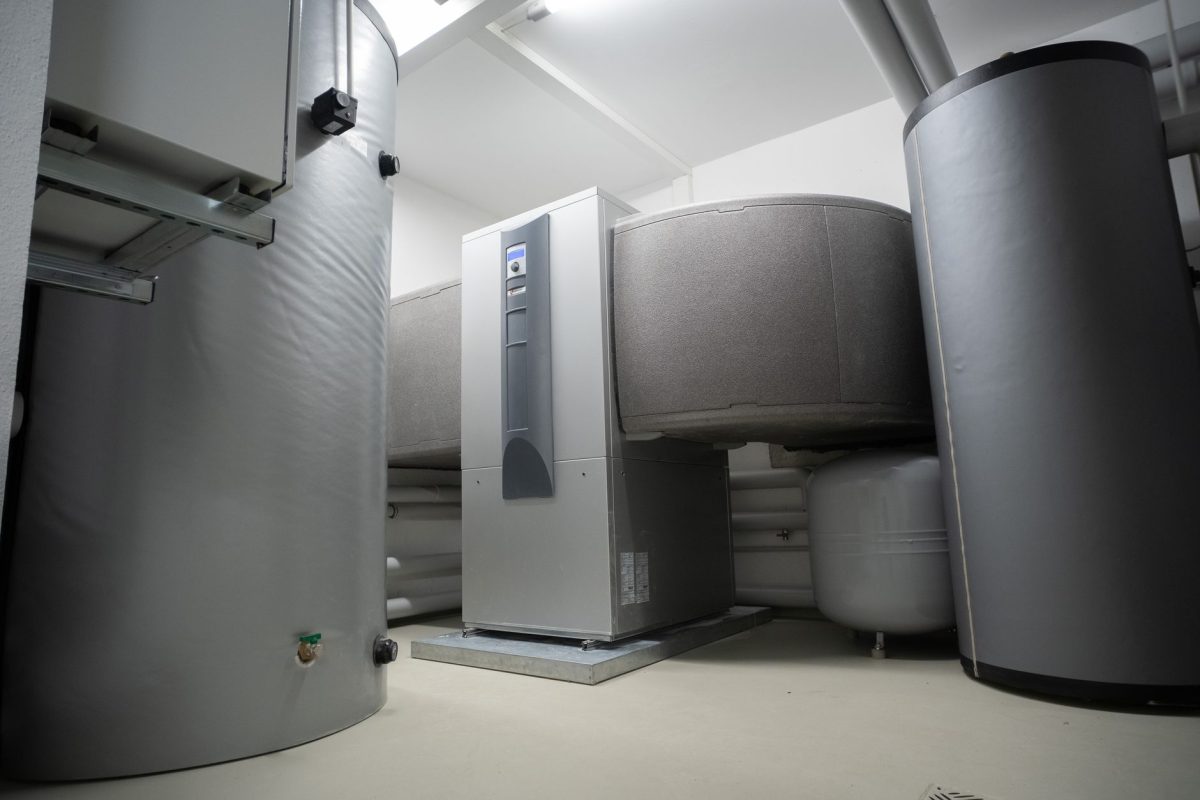
A booster pump sits in your plumbing line and raises the pressure of water passing through it. Think of it as a second push after the tank. It doesn’t lift water from your well or sump, that’s a different pump’s job. It simply takes the flow you already have and gives it more force, so your taps and showers feel strong.
Most home boosters are self-priming centrifugal pumps with a built-in pressure switch. When you open a tap, pressure drops, the switch senses it, and the pump kicks in. Close the tap and it shuts off. Newer “constant pressure” models use a variable-speed motor to hold steady pressure no matter how many outlets are open, a genuinely nice upgrade if you can afford it.
If you’re still deciding whether a pump is even your answer, our low water pressure questions answered guide walks through the cheaper fixes to rule out first.
How to size a booster pump for your home
Buy on numbers, not horsepower marketing. The three that matter are pressure (bar), flow rate (litres per minute), and how many outlets you run at once. HP is a rough proxy, but two 1 HP pumps can perform very differently.
Match the pump to your household size
| Home / demand | Suggested HP | Target pressure | Flow to look for |
|---|---|---|---|
| 1-2 baths, single floor | 0.5 HP | 1.5-2.0 bar | 20-30 L/min |
| 2-3 baths, two floors | 0.5-1.0 HP | 2.0-2.5 bar | 30-45 L/min |
| 3+ baths or long pipe runs | 1.0-1.5 HP | 2.5-3.0 bar | 45-70 L/min |
| Multiple showers together / villa | 1.5-2.0 HP | 3.0-3.5 bar | 70+ L/min |
Tip: On my own two-storey house, I resisted a plumber’s push to fit a 2 HP pump and went with a 1 HP automatic model instead. It holds a strong 2.5 bar shower on the top floor, sips far less power, and is noticeably quieter. Bigger is not better, an oversized pump short-cycles and wears out its switch faster.
Top booster pumps for low water pressure
These are the categories of pump I’d shortlist for a typical Indian or general home, from budget to premium. I’ve named representative types rather than pushing one brand, match the spec, then buy from a make with good local service.
1. Compact automatic booster (best all-rounder)
A 0.5-1.0 HP self-priming pump with an integrated pressure switch. Quiet, small, and it turns itself on and off with each tap. This is the best pressure booster pump choice for most 2-3 bathroom homes and the one I recommend to friends first. Expect roughly ₹6,000, ₹12,000.
2. Constant-pressure (variable speed) booster
Uses a smart motor to keep pressure rock-steady whether one tap or four are open. No pressure swings, minimal noise, lower running cost over time. The premium home water pressure booster pick, usually ₹12,000, ₹18,000+. Worth it if multiple showers run at once.
3. Pressure booster with tank (accumulator)
Pairs a pump with a small pressure vessel so brief demands (one hand-wash) are served by stored pressure without the motor firing. Fewer starts means longer pump life. Great as a booster pump for taps in kitchens and utility areas.
4. Inline shower booster (single-point)
A small pump dedicated to one bathroom. Cheapest fix at around ₹4,000, ₹7,000, ideal when only your top-floor shower is weak and the rest of the house is fine. Not a whole-house answer.
5. Whole-house centrifugal booster (high flow)
A 1.5-2.0 HP unit for large homes, villas, or long horizontal pipe runs where many outlets run together. Among the top-rated booster pumps for high demand, but overkill, and unnecessarily loud, for a small flat.
| Type | Best for | Rough cost | Noise / comfort |
|---|---|---|---|
| Compact automatic | Most 2-3 bath homes | ₹6,000, ₹12,000 | Low, minor pressure swings |
| Constant-pressure (VSD) | Multi-shower comfort | ₹12,000, ₹18,000+ | Very low, rock-steady |
| Pump + accumulator | Kitchens, long pump life | ₹8,000, ₹15,000 | Low, very few starts |
| Inline shower booster | One weak bathroom | ₹4,000, ₹7,000 | Low, single point only |
| Whole-house high-flow | Villas, long pipe runs | ₹10,000, ₹20,000 | Higher, needs siting |
Still unsure which pump family fits your setup? Our roundup of the best water pumps for home use by setup covers sump, borewell, and pressure pumps side by side, and the submersible vs jet pump comparison helps if you’re choosing your main source pump rather than a booster.
How to install and set up a booster pump
Fitting a booster is a manageable DIY job if you’re comfortable with plumbing, but the electrical connection should be done by a qualified electrician. Here’s the sequence I follow.
- Pick the spot: on the outlet line from your overhead tank (or main supply), on a dry, level surface with room around it for airflow and future servicing.
- Fit an isolation valve on both sides of the pump so you can service it later without draining the whole system.
- Add a non-return (check) valve before the inlet to stop backflow and help the pump self-prime.
- Consider a simple line filter upstream, grit is a booster pump’s worst enemy.
- Connect the plumbing, keeping the inlet flooded so the pump primes; hand-tighten unions with thread tape.
- Have an electrician wire it through an earthed switch and, ideally, a residual current device (RCD).
- Open a tap, power on, and let it prime. Bleed any air, then set the pressure switch cut-in/cut-out to the range your pump manual recommends.
- Test every floor. If it short-cycles (rapid on-off), you likely need an accumulator tank or a lower cut-out pressure.
Important: Never run a booster pump dry, even a minute without water can burn the seals. Fit a dry-run protector if your tank ever empties. And because pumps involve water and mains electricity together, get the wiring signed off by a licensed electrician rather than improvising.
When a booster pump won’t fix your low pressure
This is the part sellers skip. A booster raises pressure, but it can’t invent flow. If water isn’t reaching the pump in enough volume, boosting it just gives you strong pressure that sputters and dies.
- Starved source: a nearly empty tank or a weak main line means there’s simply not enough water to boost. Fix the supply first.
- Clogged pipes or filters: old galvanised pipes fur up internally. A choked pipe throttles flow no matter how hard you push.
- A single blocked fixture: if only one tap is weak, clean its aerator, you don’t need a whole pump.
- Undersized pipe diameter: pushing high flow through narrow pipe just creates friction loss and noise.
In my experience, roughly a third of “I need a booster” complaints are actually a clogged aerator, a half-closed valve, or an empty tank. Diagnose before you spend. If your water also looks or smells off, have it checked by a certified lab before assuming it’s just a pressure problem, pressure and water quality are separate issues.
For the full picture on sizing, controls, and maintenance across every pump in your home, see our complete owner’s guide to home water pumps and pressure systems. For general guidance on safe household water, the World Health Organization and, in India, the Central Ground Water Board are trustworthy, non-commercial starting points.
Frequently Asked Questions
Will a booster pump fix low pressure everywhere in the house?
Yes, if it’s sized for your whole system and installed on the main line. A single-point shower booster only helps one outlet. For every tap to improve, fit a whole-house pump on the supply line and make sure your pipe diameters can carry the higher flow.
What size booster pump do I need?
Match it to bathrooms and simultaneous use, not just horsepower. Most homes do well with a 0.5-1.0 HP pump giving 2.0-2.5 bar and 30-45 L/min. Larger homes with multiple showers running together may need 1.5 HP. Oversizing wastes power and adds noise, so aim for “just enough.”
Are booster pumps noisy?
Modern automatic and variable-speed pumps are fairly quiet, a soft hum. Noise usually comes from oversized units, hard mounting on a resonant surface, or air in the line. Mounting the pump on a rubber pad, using an accumulator tank, and sizing correctly keep sound to a minimum.
How long does a home booster pump last?
With clean water and proper sizing, a good booster pump typically lasts around 7-12 years. Grit, frequent dry-running, and short-cycling shorten that considerably. An upstream filter, a dry-run protector, and an accumulator tank all extend service life and reduce wear on the pressure switch.
Can I run a booster pump directly on my municipal supply?
In many areas it’s discouraged or banned because it draws pressure from your neighbours’ lines. The safe, legal route is to fill an underground or overhead tank first, then boost from that tank. Check your local water board rules before connecting a pump to the mains.
So, where does that leave you?
A booster pump is one of the most satisfying upgrades you can make to a home, going from a limp trickle to a shower that actually feels like a shower. The trick is to diagnose honestly first, size to your real demand rather than the biggest pump on the shelf, and choose an automatic or constant-pressure model for daily comfort. Get those three right and you’ll rarely think about water pressure again.
If you’d like to go deeper on choosing, wiring, and looking after every pump in your setup, browse our full home water pumps and pressure systems guide, it ties all of this together in one place.