You turn the shower tap and get a sad trickle instead of a proper spray. Sound familiar? If you’re wondering why is my water pressure low, the good news is there’s a short list of usual suspects, and most of them you can narrow down yourself in an afternoon. In 15+ years running my own borewell, pump, and overhead-tank setup, I’ve chased low pressure back to everything from a waterlogged pressure tank to a filter cartridge nobody had changed in two years.
This FAQ walks through the questions readers ask me most, so you can figure out whether your culprit is the pump, the tank, a switch, or a hidden clog. Let’s start with the big picture, then get specific. For the full system context, see our complete owner’s guide to home water pumps and pressure systems.
Key Takeaways
- Most home low-pressure problems trace to one of five things: the pressure tank, the pressure switch, a clogged filter, a partly closed valve, or the pump itself.
- A healthy pressure tank should hold an air pre-charge roughly 2 psi below your cut-in pressure (often around 18-28 psi), check it with a tyre gauge when the system is off.
- If pressure is low at every tap, look at the pump, tank, or main line. If it’s low at one tap, the problem is local, an aerator, a valve, or that fixture’s line.
- A sudden drop usually means a mechanical fault (failed switch, waterlogged tank, tripped pump) rather than the slow creep of a clog.
- Never assume low pressure means unsafe water, pressure and quality are separate issues; confirm quality with a certified lab if you’re unsure.
Why is my water pressure low? The usual suspects
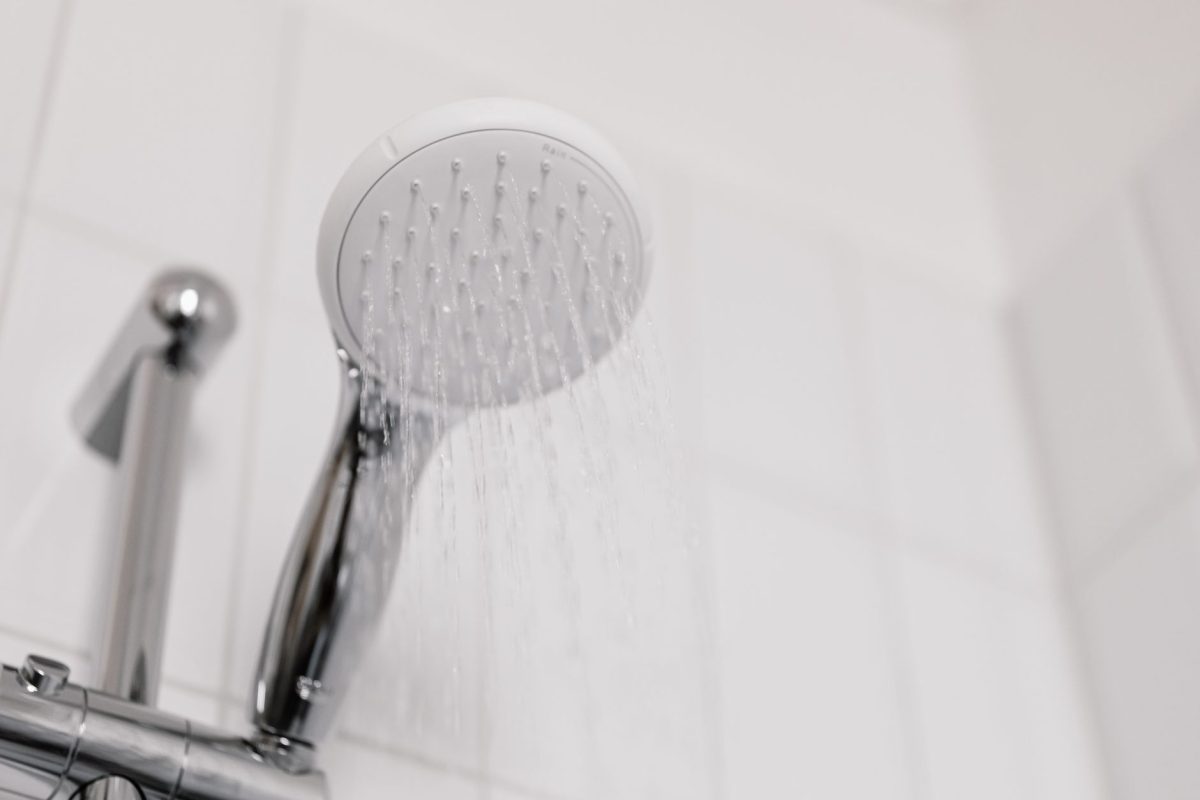
Before you replace anything, it helps to know the common low water pressure causes and roughly how often each one turns up. In my experience, the list is short and the cheap fixes are surprisingly common. Here’s how the usual suspects stack up.
| Likely cause | Tell-tale sign | Rough fix cost | How hard |
|---|---|---|---|
| Clogged filter cartridge | Pressure fine after the filter is bypassed | ₹150, ₹600 per cartridge | Easy (DIY) |
| Waterlogged pressure tank | Pump cycles on/off rapidly | ₹0 (re-charge air) to ₹3,000, ₹8,000 (replace) | Medium |
| Faulty pressure switch | Pump won’t build to full pressure or won’t cut in | ₹400, ₹1,500 | Medium |
| Partly closed valve | Sudden drop after any plumbing work | ₹0 (just open it) | Easy |
| Worn or undersized pump | Low everywhere, pump runs hot or noisy | ₹4,000, ₹15,000+ | Hard (pro) |
| Scale/mineral buildup in pipes | Slow decline over months or years | Varies; often re-piping | Hard |
Notice the pattern: the cheapest, easiest fixes sit at the top. Always rule those out before you spend money on a new pump. I’ve seen neighbours order a booster pump when all they needed was to open a gate valve a plumber had left half-shut.
Why did my water pressure suddenly drop?
A sudden pressure drop behaves very differently from a slow fade. When pressure vanishes overnight, or over a single day, it’s almost always a mechanical event, not gradual clogging. Clogs creep; faults snap.
Work through these in order, because the first three take minutes to check:
- Check the obvious: is the pump getting power, and is its breaker or MCB on? A tripped pump is the single most common cause of “no pressure this morning.”
- Look for a valve someone touched. Any recent plumbing, tank cleaning, or new fixture can leave a main valve partly closed.
- Tap the pressure tank near the top and bottom. A hollow ring up top and a dull thud below is normal; dull all the way down means it’s waterlogged.
- Watch the pump cycle. If it snaps on and off every few seconds while a tap runs, suspect the tank or switch.
- Inspect visible filters. A cartridge that suddenly finishes its life can choke flow across the whole house.
Tip from my own setup: After the monsoon one year my pressure crashed overnight. I assumed the pump had died and nearly called an electrician. It turned out the pressure switch contacts had pitted from repeated cycling, a ₹600 switch and 20 minutes fixed it. Always check the switch before you condemn the pump.
Is low pressure the pump or the tank?
This is the question I get most, and there’s a clean way to tell them apart. The pressure tank stores water under a cushion of air so your pump doesn’t run every time you open a tap. When that air cushion is wrong, pressure suffers even if the pump is perfectly healthy.
Signs it’s the tank
- The pump kicks on and off rapidly (short-cycling) while you run a single tap.
- Pressure surges then sags in a pulse instead of holding steady.
- Tapping the tank gives a dull, water-filled thud everywhere, no air on top.
Signs it’s the pump
- Pressure is low everywhere and never builds to normal, even briefly.
- The pump runs continuously, gets hot, or sounds strained.
- The motor hums but water barely moves, a possible impeller or priming issue.
To check the tank’s air charge, turn the pump off, open a tap to drain system pressure, then read the air valve on top of the tank with a tyre gauge. It should sit about 2 psi below your pump’s cut-in setting. If it reads near zero, the internal bladder may have failed and the tank needs re-charging or replacing. Our sibling piece on pump myths versus facts clears up a lot of confusion here, because plenty of “the pump is dying” panic is really a tired tank.
Can a clogged filter cause low pressure?

Absolutely, and it’s one of the most under-appreciated causes of weak tap pressure fix calls. Every filter, whether a whole-house sediment cartridge or the little screen in a tap aerator, is a deliberate restriction. As it fills with grit, sand, or scale, flow chokes down.
Two clues point straight at a filter:
- Timing: pressure declined slowly over weeks or months, not overnight. Sediment builds gradually.
- Location: if it’s a whole-house filter, every tap suffers; if it’s an aerator, only that one tap runs weak while the rest are fine.
The fastest test is to unscrew the aerator from a slow tap and run the water. If flow jumps back to normal, that little screen was your bottleneck, rinse it or replace it for a few rupees. For whole-house cartridges, most need swapping every 3-6 months in areas with sandy or hard borewell water; I change mine at the first sign of a pressure dip rather than waiting for a schedule.
Heads up: Low pressure tells you nothing about whether water is safe to drink. A clogged filter may be trapping sediment while dissolved contaminants pass through unseen. If you have any doubt about your borewell water quality, get it tested by a certified lab rather than judging by taste, colour, or flow.
How do I diagnose low pressure whole house?
When the whole house is weak, the fault lives upstream of every fixture, so focus on the pump, tank, main filter, and main valve. Here’s the sequence I use on my own system to isolate a low pressure whole house problem without guesswork.
- Read the gauge. If you have a pressure gauge, note what it reads with taps closed and open. Most homes run comfortably around 40-60 psi; well below that at rest points to a system fault.
- Confirm the main valve is fully open. Trace the line from your tank or pump to the house and open every gate or ball valve completely.
- Bypass the whole-house filter. If pressure returns with the filter bypassed, replace the cartridge. If not, move on.
- Test the pressure tank air charge as described above, with the pump off and pressure drained.
- Check the pressure switch settings. A switch stuck low, or set to a low cut-out, caps your whole-house pressure.
- Only then consider the pump. If everything upstream checks out and pressure is still weak everywhere, the pump may be worn, undersized, or losing prime.
If you reach the last step and conclude the pump genuinely can’t keep up, common in tall homes or long pipe runs, a dedicated booster can help. Our roundup of the top booster pumps to fix low water pressure walks through which type suits which situation, so you don’t oversize and waste money.
Before you buy any pump, though, it’s worth understanding what one actually costs to run, a bigger pump means a bigger electricity bill. Our breakdown of water pump running cost and efficiency shows what you’ll really pay month to month, which sometimes tips the decision toward a smaller, smarter fix.
When should I call a professional?
Plenty of low-pressure fixes are genuinely DIY: opening a valve, cleaning an aerator, swapping a cartridge, or re-charging a tank’s air. But some jobs are worth handing to a pro, both for safety and to avoid making things worse.
- Electrical work on the pump or switch beyond a simple like-for-like swap, water and mains power are an unforgiving mix.
- Pulling a submersible pump from a borewell, which needs the right rig and know-how.
- Persistent short-cycling you can’t cure with a tank re-charge, the bladder or switch may need proper diagnosis.
- Suspected pipe scaling or leaks inside walls or underground, where guesswork gets expensive fast.
For broad guidance on private-well systems, agencies like the US EPA’s private wells resource and India’s Central Ground Water Board are solid, non-commercial starting points. For anything touching water quality or health, always defer to a certified lab or a qualified professional rather than online opinion.
Frequently Asked Questions
Why did my water pressure suddenly drop?
A sudden drop almost always signals a mechanical fault rather than a slow clog. The most common culprits are a tripped or unpowered pump, a valve someone left partly closed after recent work, a waterlogged pressure tank, or a failed pressure switch. Check power and valves first, they take minutes and cost nothing.
Is low pressure the pump or the tank?
If the pump short-cycles, snapping on and off every few seconds while one tap runs, suspect the pressure tank’s air charge. If pressure is uniformly low everywhere and the pump runs continuously or sounds strained, the pump itself is more likely. Testing the tank’s air pre-charge with a tyre gauge settles it quickly.
Can a clogged filter cause low pressure?
Yes. Any filter is a deliberate restriction, and as sediment or scale builds it chokes flow. A whole-house cartridge weakens every tap; a clogged tap aerator weakens just one. If pressure declined slowly over weeks, a filter is a prime suspect, bypass or clean it to confirm before spending on anything bigger.
What water pressure is normal for a home?
Most homes run comfortably in the 40-60 psi range at rest. Below roughly 40 psi, showers and appliances start to feel weak; above 70-80 psi you risk stressing fittings and fixtures. If you’re unsure, a cheap pressure gauge that screws onto an outdoor tap gives you a reliable reading in seconds.
Why is pressure low at only one tap?
When a single tap is weak while the rest of the house is fine, the problem is local, not system-wide. The usual causes are a clogged aerator or shower head, a partly closed shut-off valve under that fixture, or a kinked or scaled supply line serving only that tap. Clean the aerator first, it’s often the whole story.
Does low pressure mean my water is unsafe?
No, pressure and water quality are separate issues. Low flow is a mechanical or plumbing matter, while safety depends on what’s dissolved or suspended in the water, which you can’t judge by pressure, taste, or colour. If you have any concern about your borewell water, have it tested by a certified laboratory.
So, where does that leave you?
Low water pressure feels mysterious until you realise it’s usually one of a handful of ordinary faults, a tired tank, a worn switch, a choked filter, or a valve someone bumped. Work from the cheap and easy checks toward the expensive ones, and you’ll solve most cases without opening your wallet much at all. Match the symptom to the cause, test one thing at a time, and resist the urge to blame the pump first.
Want the full picture of how your pump, tank, and switch work together? Take a slow read through our complete owner’s guide to home water pumps and pressure systems, it ties every one of these fixes into how a healthy system is meant to run, so the next dip in pressure is one you can diagnose in minutes.