You climb up to the terrace, lift the tank lid, and there it is: water tinted green, with a soft slimy film on the walls. It looks alarming, but it is almost always the same simple story. To prevent algae in your water tank, you have to take away the two things algae need to grow, which are light and warmth. I am Arjun Mehta, and across 15 years of running my own borewell, pump, and overhead-tank setup, I have scraped my share of green slime and learned what actually keeps it from coming back. This guide walks you through why it happens and the exact steps to stop it for good.
Key Takeaways
- Algae need light plus nutrients plus still, warm water; block any one and growth stalls.
- Sunlight is the main trigger, so an opaque tank and a tight lid solve most cases.
- Translucent or pale tanks let light through their walls, so shade or paint them.
- A tank that turns green every 2-3 months has a light leak somewhere; find it.
- Clean and disinfect once you see green, then fix the light source so it does not return.
Why does algae grow in my water tank?

Algae are tiny plants, and like every plant they run on sunlight. When light reaches water that also carries a few stray nutrients, the spores that are always floating in the air settle in and multiply fast. Warm weather speeds it up, which is why green algae in an overhead tank tend to bloom hardest through summer and the humid days before the monsoon.
Three ingredients have to line up for a bloom. Remove even one and the algae cannot get going.
- Light: direct sun, or light passing through a pale or translucent tank wall.
- Nutrients: dust, organic bits, and minerals that ride in with your supply water.
- Still, warm water: a tank that sits full and untouched for days at a stretch.
Does sunlight cause tank algae?
Yes, and it is the single biggest cause. The link between sunlight and algae in a water tank is direct: no light means no photosynthesis, which means no algae, no matter how many spores drift in. Black and other dark opaque tanks are sold precisely because they block light. The trouble spots are white or pale tanks that glow faintly when the sun hits them, and lids left ajar or cracked.
On my own terrace I once had a spare white tank that went green like clockwork while the black main tank next to it stayed clear. Same water, same roof. The only difference was that light passed straight through those thin white walls.
How to prevent algae in your water tank, step by step
Prevention is mostly about light and airtightness, and none of it is complicated. Work through these steps in order and you will stop algae growth in the tank before it starts.
- Switch to or shade an opaque tank. If yours is translucent, wrap it or move it under a shade. A dark, light-proof tank is the surest fix.
- Seal the lid completely. The cover should sit flush with no gaps. Even a finger-wide slit lets in enough light and dust to feed a bloom.
- Screen every opening. Fit fine mesh on the overflow and vent pipes so insects, leaves, and airborne spores stay out.
- Keep the water moving. Size the tank so it fills and empties over 1-2 days rather than sitting full for a week.
- Paint pale tanks. A coat of dark, non-toxic exterior paint on a translucent tank cuts the light that leaks through the walls.
- Inspect every 2-3 months. Open the lid, look and smell. Catching a faint tint early is far easier than scrubbing thick slime later.
Tip: Before buying anything, check your tank at noon on a bright day. Climb up, shade your eyes, and look at the walls from inside if you safely can. If you see any glow coming through the plastic, light is your problem, and shading or painting will do more than any chemical.
Comparing your prevention options
Some fixes are permanent and some are quick patches. Here is how the common approaches stack up, with rough Indian costs from what I have paid over the years.
| Method | Rough cost | How well it works | Best for |
|---|---|---|---|
| Opaque black tank | ₹1,500-₹6,000 | Excellent, blocks light fully | Anyone replacing a tank |
| Tight-fitting lid | ₹200-₹800 | Very good, closes the main gap | Every tank, always |
| Dark paint on a pale tank | ₹300-₹700 | Good, cuts wall light leak | Existing white or blue tanks |
| Shade cloth or cover | ₹400-₹1,200 | Good, easy and reversible | Rented homes, quick fixes |
| Regular cleaning only | Your time | Partial, treats symptoms | Backup, not a real fix |
Notice that cleaning alone sits at the bottom. If light keeps reaching the water, you will be scrubbing again in a few weeks. Fix the light first, and cleaning becomes a rare chore instead of a monthly one.
How do I stop green water once it has started?
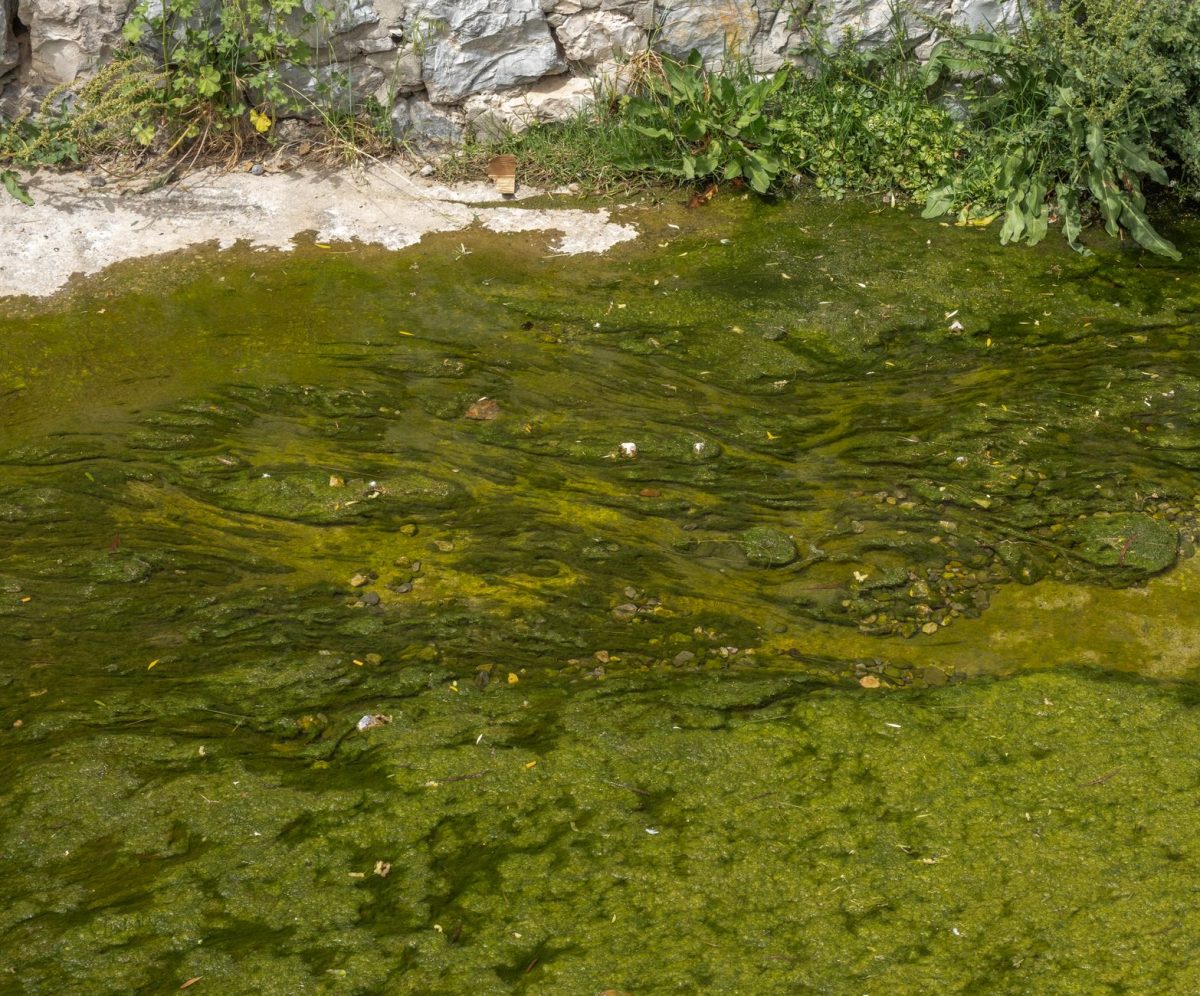
Prevention is the goal, but if your tank is already green you have to clear it before sealing it up. Do not drink or cook with green water until it is cleaned and confirmed safe. To clean algae from the tank, empty it, scrub the walls and floor with a stiff brush, rinse, then disinfect.
- Drain the tank fully and dispose of the green water away from vegetable beds.
- Scrub every surface with a brush, working slime out of corners and seams.
- Rinse two or three times until the water runs clear.
- Disinfect with a measured chlorine dose, hold it, then flush thoroughly.
For the full method, see our step-by-step walkthrough on how to clean a water storage tank safely at home, and the correct chlorine amounts in our guide to disinfecting a water tank the right way. Because this touches drinking water, get a certified lab test if anyone in the house has felt unwell, and follow guidance from bodies like the World Health Organization and the CDC on healthy water.
If you are still getting your bearings on how storage and supply fit together, our primer on how home water storage works lays out the basics. And for the bigger picture on tanks, pipes, and upkeep, our complete guide to storage tanks and distribution ties every piece together.
Frequently Asked Questions
Why does algae keep coming back in my tank?
Almost always because light is still reaching the water. Check for a loose or cracked lid, a translucent tank wall, or an open overflow pipe. Cleaning removes the bloom, but until you cut off the light source, spores will simply settle and grow again within weeks.
Is algae in a water tank dangerous to drink?
Most common green algae are not directly toxic, but they signal that your water is not sealed and can carry bacteria alongside them. Do not drink visibly green water. Clean and disinfect the tank, and if anyone felt ill, have the water checked by a certified lab before using it again.
Does adding chlorine prevent algae from forming?
A residual chlorine level slows algae, but it fades over a day or two and cannot fight constant sunlight. Chlorine is best used to disinfect after cleaning, not as your main defense. Blocking light with an opaque tank and a tight lid is far more reliable and needs no dosing.
What colour tank is best for stopping algae?
A dark, fully opaque tank, usually black or a multi-layer tank with a black inner core, blocks light best. White and pale blue tanks look cleaner but let light pass through thin walls. If you already own a pale tank, a coat of dark exterior paint gives you a similar effect.
Putting it all together
Algae look like a stubborn problem, but they are really just a light problem wearing a green disguise. Seal the lid, block the sun, keep the water turning over, and check in every couple of months, and green water stops being part of your routine. When you are ready to go deeper on tank care and supply, our complete storage tanks and distribution guide is a calm place to start.