A friend once texted me a photo of his new TDS pen glowing “512” and asked, half-panicked, whether his family had been drinking poison for a year. The honest answer surprised him: that number alone tells you almost nothing about whether the water is safe. Still, a good TDS meter is one of the cheapest, fastest tools a well or borewell owner can own, and after fifteen years of testing my own supply I keep one clipped to the shelf above my pressure tank. In this guide I’ll share the best TDS meters for home water, how to tell an accurate one from junk, and, just as important, what that reading can and can’t reveal about safety.
If you’re new to testing altogether, start with our complete homeowner’s guide to water testing and quality, then come back here to pick a meter.
Key Takeaways
- A TDS meter measures total dissolved solids in parts per million (ppm), a rough gauge of mineral content, not a safety or contamination test.
- For home use, expect to pay roughly ₹300, ₹1,500; the jump in price mostly buys better calibration, ATC, and build quality, not magic accuracy.
- The best meters offer automatic temperature compensation (ATC), a hold button, and factory calibration you can re-verify with a known solution.
- Cheap pens can be accurate when new but drift over months, recalibrate or replace the ones that can’t be adjusted.
- TDS won’t detect bacteria, nitrate, arsenic, fluoride, or pesticides, for those you need strips or a certified lab.
What a TDS meter actually measures
A TDS meter is really an electrical conductivity meter wearing a friendlier label. It passes a tiny current between two probes and measures how easily the water conducts it. Dissolved salts and minerals, calcium, magnesium, sodium, chlorides, sulphates, carry that current, so more dissolved solids means higher conductivity. The meter then multiplies conductivity by a conversion factor and shows you a number in ppm.
That’s the catch worth understanding before you spend a rupee: a TDS pen is estimating, not analysing. It cannot tell calcium from sodium, and it completely ignores anything that doesn’t conduct, which is why it’s blind to most of the contaminants that actually matter for health.
For context, most Indian borewell water lands somewhere between 200 and 900 ppm. The Bureau of Indian Standards lists 500 ppm as the acceptable limit and 2,000 ppm as the permissible upper limit where no alternate source exists. Numbers alone, though, are a starting point, not a verdict.
Reality check: A low TDS reading does not mean water is safe. Pathogen-contaminated water from a cracked borewell casing can read a perfectly “clean” 180 ppm. Never treat a TDS number as a green light for drinking untested water.
How to spot an accurate TDS meter
The listings all claim “±2% accuracy,” so specs on the box aren’t much help. Over the years I’ve learned to judge a meter by a handful of practical features instead.
Automatic temperature compensation (ATC)
Conductivity rises with temperature, so the same water reads higher when warm. ATC corrects for this automatically. A meter without it will give you different numbers in summer than in winter for identical water, skip anything that lacks it.
Re-calibration, not just factory calibration
Every meter is calibrated at the factory, but probes drift with use. The better pens let you re-calibrate against a known standard solution (usually 342 or 1,000 ppm). Meters you can’t adjust are essentially disposable once they drift.
A hold button and clear display
Readings bounce around for a few seconds before settling. A hold function freezes the stable value so you’re not squinting at a flickering number. It sounds trivial until you’re comparing your borewell against your RO output side by side.
The best TDS meters and water quality testers for home use
These picks reflect what actually holds up in a real household, a mix of the reliable budget handheld TDS pen that lives in a drawer and the pricier meters worth it if you’re chasing precision or treating your water. Prices are typical Indian retail ranges and shift often, so treat them as a guide.
| Meter / type | Typical price | Key features | Best for |
|---|---|---|---|
| Basic 3-in-1 TDS pen (TDS + EC + temp) | ₹300, ₹500 | ATC, hold, no re-calibration | First-time buyers, quick spot checks |
| Calibratable TDS pen | ₹600, ₹900 | ATC, hold, adjustable via standard solution | Long-term owners who want lasting accuracy |
| HM Digital-style premium pen | ₹1,000, ₹1,500 | Rugged build, stable readings, replaceable battery | People testing weekly or comparing sources |
| Combined TDS + pH pen | ₹900, ₹1,600 | Two readings, re-calibratable, needs care | Gardeners, aquarium and RO owners |
| Handheld TDS + EC meter (probe on cable) | ₹1,500, ₹3,000 | Wider range, sturdier probe, lab-lite feel | Serious DIYers, small businesses |
| Digital water quality tester (multi-parameter) | ₹2,500, ₹5,000+ | TDS, EC, pH, temp in one unit | Whole-home monitoring, treatment tuning |
My honest take: for most homes, the ₹600, ₹900 calibratable pen is the sweet spot. On my own borewell I ran a cheap ₹350 pen for two years before its readings started creeping about 40 ppm high against a fresh unit, with no way to correct it, it went in the bin. A pen I could re-calibrate would have lasted far longer for the sake of a couple hundred rupees.
Tip: Buy a small sachet of 342 ppm calibration solution along with your meter. Checking your pen against it once every few months takes two minutes and is the single best way to know your readings still mean something.
How to use and calibrate a TDS meter correctly
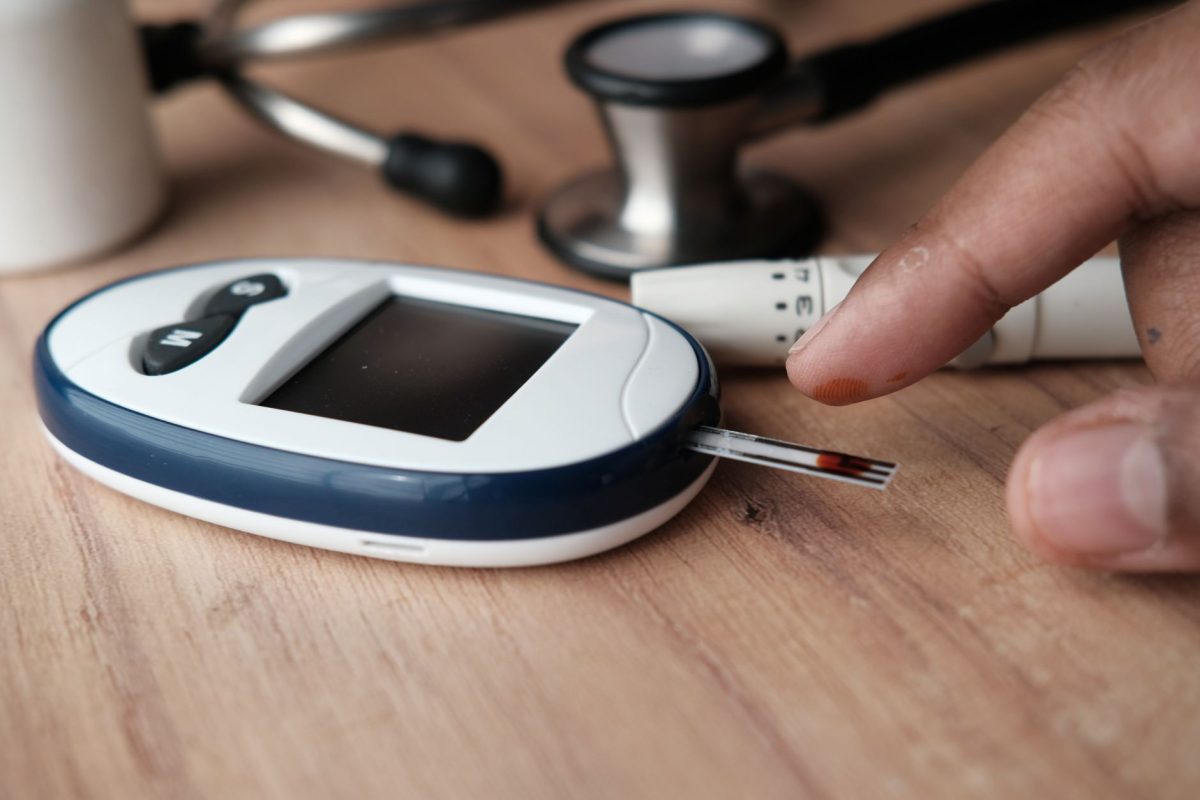
A meter is only as good as your technique. Here’s the routine I follow so my numbers are actually comparable week to week.
- Collect a fresh sample in a clean, dry glass, not plastic that once held juice or detergent, which can skew the reading.
- Let the water reach room temperature if you can; ATC helps, but extreme temperatures still add error.
- Remove the cap, switch the meter on, and dip the probe to the marked line, don’t submerge the whole body.
- Stir gently for a few seconds to clear air bubbles from the probes.
- Wait for the number to stabilise, then press hold and record it.
- Rinse the probe in distilled or RO water, shake off the drops, and cap it dry.
- Every few months, dip in a known standard solution and adjust the calibration if your meter supports it.
Test the same tap at the same time of day for trend tracking. A single reading is a snapshot; a rising trend over weeks is the signal that something in your source or treatment is changing.
What a TDS reading can and cannot tell you
This is where most panic (and most marketing) lives. A TDS number is genuinely useful for a few jobs and useless, even misleading, for others.
Good uses for a TDS meter
- Checking whether your RO or filter is working, a big drop from inlet to outlet means the membrane is doing its job.
- Knowing when an RO membrane is failing, a slowly rising output TDS is your early warning.
- Spotting sudden changes in borewell water that warrant a proper lab test.
- Comparing sources: municipal supply vs borewell vs tanker water, for taste and treatment decisions.
What it will never do
A TDS meter cannot detect bacteria, viruses, nitrate, arsenic, fluoride, lead, or pesticides. Some of the most dangerous contaminants either don’t conduct or exist at levels far too low to move the ppm number. This is exactly why bodies like the World Health Organization assess drinking water on dozens of parameters, not one. For those, you need broader test strips or a certified lab.
So where does a TDS pen fit in a sensible testing plan? Think of it as your fast daily gauge, backed by strips for a wider chemical snapshot and a lab test once a year or after any change. Our comparison of test strips versus certified lab testing walks through exactly when each is worth it, and our roundup of the best home water test kits covers the multi-parameter kits that catch what a pen can’t.
If you want to see how these tools stack up on the same water, I put my supply through three different methods, pen, strips, and lab, in the write-up of how I tested my borewell water three ways. The gaps between the results were the most instructive part.
For India-specific limits and groundwater guidance, the Bureau of Indian Standards publishes the IS 10500 drinking-water spec that most labs test against. When a reading or a symptom worries you, confirm with a certified lab or a qualified water professional rather than relying on a pen, this guide is a starting point, not a health guarantee.
Frequently Asked Questions
What is a good TDS meter for home use?
For most homes, a calibratable TDS pen in the ₹600, ₹900 range with automatic temperature compensation and a hold button is the sweet spot. It stays accurate longer than a cheap non-adjustable pen and covers everyday needs like checking your RO output or comparing water sources.
Are cheap TDS meters accurate?
Surprisingly, many are reasonably accurate when brand new, often within a few percent. The problem is drift. Cheap pens without re-calibration slowly read high or low over months and can’t be corrected. If you buy budget, plan to verify against a standard solution and replace it when it strays.
Does a TDS meter measure water safety?
No. A TDS meter measures dissolved minerals as a rough conductivity value; it cannot detect bacteria, nitrate, arsenic, fluoride, lead, or pesticides. Water can read low and still be unsafe, or read high yet be perfectly fine to drink. For safety, use test strips and a certified laboratory.
What TDS level is safe for drinking water?
The Bureau of Indian Standards lists 500 ppm as the acceptable limit and up to 2,000 ppm as permissible where no better source exists. Below 500 ppm is generally comfortable to drink, but the number alone says nothing about contamination, always pair it with proper testing.
How often should I calibrate my TDS pen?
For household use, checking your meter against a known standard solution every two to three months is plenty. If you test frequently, are comparing sources, or notice readings that suddenly disagree with a second meter, verify sooner. Non-calibratable pens should simply be replaced once they drift.
Is low TDS water bad for you?
Very low TDS water, such as pure RO output around 20-50 ppm, tastes flat and lacks beneficial minerals, but it isn’t harmful for most people. Some prefer to add a mineral cartridge for taste. There’s no need to worry unless a doctor has advised specific mineral intake for your situation.
So, where does that leave you?
A TDS meter is one of the best-value tools a home water owner can buy, provided you know exactly what it’s for. Use it as a fast gauge for your filter’s performance, a way to compare sources, and an early-warning trend tracker. Just don’t let a single number stand in for real safety testing. Pick a calibratable pen, verify it now and then, and back it up with strips and an occasional lab test. For the full picture on knowing what’s really in your water, browse our complete water testing and quality guide, it ties every one of these tools together into a simple plan you can actually follow.