The first time I pulled a glass of water straight from my new borewell, it looked crystal clear, and I assumed clear meant clean. A lab report a month later set me straight: perfectly clear water can still carry hardness, iron, nitrate, or bacteria you’ll never see or taste. So what is in well water, really? After 15 years running my own borewell, pump and overhead tank, I’ve learned that groundwater is basically a slow-moving sponge, picking up a little of everything it passes through underground.
This beginner’s guide walks you through it in plain English, the helpful minerals, the harmless stuff, and the hidden contaminants worth watching. By the end you’ll know exactly what to look for and what to test. It’s part of our complete homeowner’s guide to water testing and quality.
Key Takeaways
- Clear does not mean clean. Many of the most important things in well water are invisible, odourless and tasteless.
- Groundwater naturally carries dissolved minerals, calcium, magnesium, sodium, iron and more, that give it character and, sometimes, problems like hardness.
- Typical borewell water in India runs anywhere from 150 to 1,500+ mg/L TDS; the IS 10500 acceptable limit is 500 mg/L (permissible up to 2,000 with no better source).
- The contaminants that actually threaten health, bacteria, nitrate, fluoride, arsenic, usually can’t be seen or tasted, so a lab test is the only honest answer.
- You can’t manage what you haven’t measured. A yearly certified lab test tells you what’s really in your water.
Where the stuff in well water comes from
Rain falls, soaks into the ground, and trickles down through soil and rock until it collects in an aquifer, the underground layer your borewell taps. On that journey, water dissolves a bit of whatever it touches. Limestone gives it calcium. Certain rocks release iron or fluoride. Farmland above can leak nitrate. A cracked septic tank or a poorly sealed wellhead can invite bacteria.
That’s why two borewells on the same street can produce completely different water. Your borewell water composition is a fingerprint of your local geology and what’s happening on the land around you. Nobody can tell you what’s in your water from the outside, it has to be measured.
The helpful and harmless: minerals in well water
Let’s start with the good news. A lot of what’s dissolved in groundwater is either neutral or genuinely good for you. The minerals in well water are why many people say it “tastes better” than flat, over-filtered water, and they’re not wrong.
- Calcium and magnesium, the two big ones. In sensible amounts they’re beneficial dietary minerals. Their downside is “hardness” (more on that below).
- Sodium and potassium, usually present in small amounts; only a concern for people on strict low-sodium diets when levels run high.
- Bicarbonates, give water a slightly alkaline, smooth taste and buffer acidity.
- Trace minerals, tiny amounts of things like zinc, copper and manganese, harmless at low levels.
All of these together are measured as Total Dissolved Solids (TDS), literally the total weight of everything dissolved in your water. A TDS meter (that cheap pen) reads this one number, which is useful as a rough gauge but tells you nothing about what is dissolved. That’s the trap I fell into early on.
Hard water: mineral, not menace
Hardness is just a lot of calcium and magnesium. It won’t hurt you to drink, but it does leave white scale on taps, clogs geysers and shower heads, and makes soap refuse to lather. On my own borewell, hard water was the first thing I noticed, a chalky ring in every kettle. It’s a nuisance you fix with a softener, not a health emergency.
The nuisances: things you’ll see, smell or taste
The next group won’t necessarily make you sick, but you’ll definitely notice them. These are the aesthetic problems, the ones that stain, smell or taste off.
- Iron, leaves reddish-brown stains on sinks, laundry and tiles, and gives a metallic taste. Extremely common in borewell water.
- Manganese, similar to iron but stains black or purple-brown.
- Hydrogen sulphide, the classic “rotten egg” smell. Unpleasant, usually not dangerous at the levels that produce odour.
- Sediment / turbidity, fine sand, silt or clay that makes water cloudy, especially in a new well or after heavy monsoon rain.
Tip from experience: If your white bathroom fittings are turning orange, don’t scrub harder, you have iron. A simple iron filter or oxidising media fixed mine for a fraction of what I’d spent on cleaning products over the years. Match the treatment to what the lab report shows, not to a guess.
The ones that matter for health: hidden contaminants
Here’s the part every well owner needs to take seriously. The most important well water contaminants are the ones you cannot detect with your senses. Clear, odourless, great-tasting water can still carry any of these. This is exactly why “it looks fine” is never a safety verdict.
| What it is | Where it comes from | Can you see/taste it? | Why it matters |
|---|---|---|---|
| Coliform & E. coli bacteria | Septic leaks, animal waste, surface runoff into the well | No | Can cause stomach illness; a red flag for contamination |
| Nitrate | Fertiliser, sewage, farm runoff | No | Especially risky for infants (“blue baby syndrome”) |
| Fluoride | Natural rock, common in parts of India | No | Too much causes dental and bone problems (fluorosis) |
| Arsenic | Natural geology, notably in some river-basin areas | No | Serious long-term health risk; strictly regulated |
| Heavy metals (lead, etc.) | Geology or old plumbing | No | Cumulative toxicity over time |
None of this is meant to scare you off well water, millions of families drink it safely every day. The point is simply that safety is something you verify, not something you assume. Bacteria in particular can appear suddenly after flooding or a wellhead problem, which is why our sibling guide on how to test well water for bacteria and coliform is worth bookmarking.
Is well water naturally clean?

Sort of, and that “sort of” matters. The ground does act as a natural filter. As water seeps through soil and rock, sediment and many surface germs get trapped, which is why deep groundwater is often microbiologically cleaner than a pond or an open tank.
But “filtered by the earth” and “safe to drink” are two different things. That same slow filtering is what adds dissolved minerals, fluoride and arsenic from the rock. And filtration does nothing if contamination enters near the top, through a cracked casing, an unsealed wellhead, or a septic tank too close by. So the honest answer to “is well water naturally clean?” is: often cleaner than you’d fear, never guaranteed safe. For the fuller picture, see our companion piece, is my well water safe to drink?
How to actually find out what’s in your water
You can’t fix what you haven’t measured, and a TDS pen only reads one number. Here’s the simple, practical route I recommend to every new well owner.
- Look, smell and taste first. Note any colour, cloudiness, metallic taste or rotten-egg smell. These flag the nuisances, iron, manganese, sediment, sulphur.
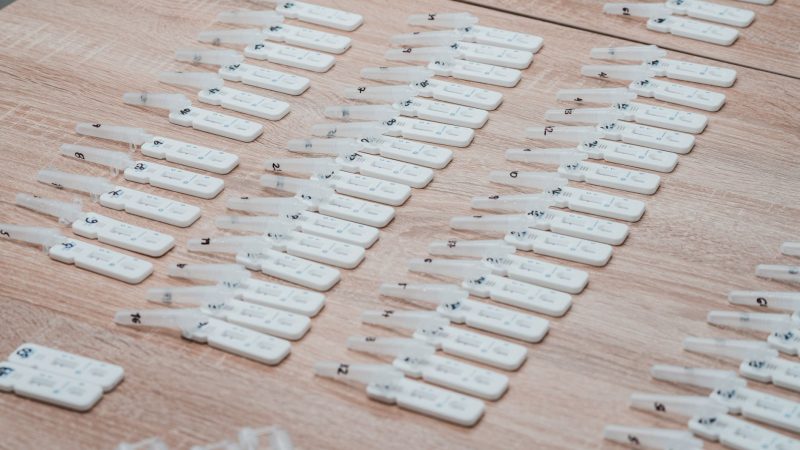
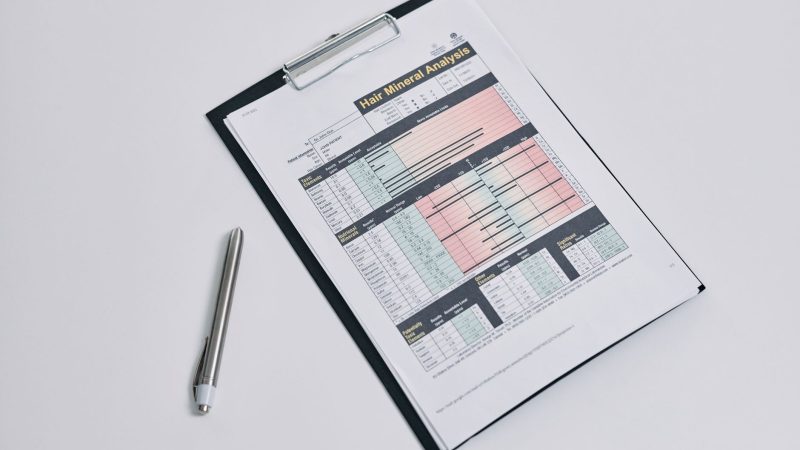
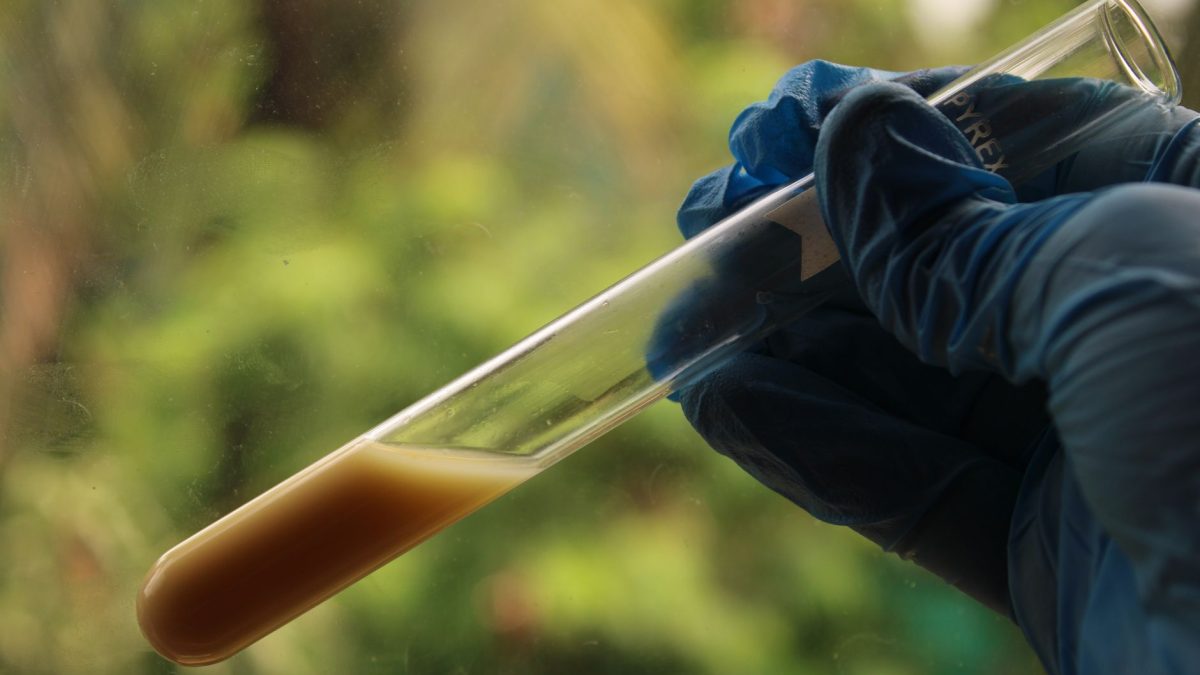
- Get a certified lab test. Send a sample to a NABL-accredited lab and ask for a full drinking-water panel: bacteria, nitrate, fluoride, arsenic, hardness, iron, TDS and pH. This is the step that catches the invisible risks.
- Compare against a standard. A good report shows your results next to the IS 10500 acceptable and permissible limits, so you instantly see what’s over the line.
- Treat based on the report, not a guess. Hardness needs a softener; iron needs an iron filter; bacteria need disinfection; arsenic or fluoride need specific media. Buying an RO before you know your water is putting the cart before the horse.
- Re-test on a schedule. Water changes with the seasons and the water table, so one test isn’t forever.
For anything touching drinking-water safety, always confirm results with a certified lab and, where relevant, a qualified professional, a home meter tells you only a fraction of the story. India’s standard is set out in IS 10500 by the Bureau of Indian Standards, and the World Health Organization publishes international drinking-water guideline values worth knowing. How often you should repeat this depends on your area and the season, our guide on how often to test well water lays out a simple seasonal schedule.
A quick mental map of what’s in your glass
If you remember nothing else, remember these three buckets:
- Good/neutral minerals, calcium, magnesium, bicarbonates. They shape taste and can cause hardness, but they’re not a health threat.
- Nuisance stuff, iron, manganese, sulphur, sediment. Annoying and stainy, easy to spot, easy to treat.
- Health contaminants, bacteria, nitrate, fluoride, arsenic. Invisible, serious, and the whole reason lab testing exists.
Frequently Asked Questions
What contaminants are commonly found in well water?
The most common are coliform bacteria, nitrate, iron and manganese, hardness (calcium and magnesium), and high TDS. In some Indian regions, fluoride and arsenic occur naturally in the rock. Bacteria and nitrate matter most for health, while iron and hardness are usually nuisance issues you can see or taste.
Is well water naturally clean?
Groundwater is often cleaner than surface water because soil and rock filter out sediment and many germs. But that filtering also adds dissolved minerals, fluoride and arsenic, and it can’t stop contamination entering near the wellhead. “Naturally filtered” is not the same as “proven safe”, only a lab test confirms safety.
What minerals are in borewell water?
Typically calcium, magnesium, sodium, potassium, bicarbonates and iron, plus trace amounts of zinc, copper and manganese. Calcium and magnesium cause hardness. The exact mix depends entirely on your local geology, which is why borewells on the same street can have very different mineral profiles and taste.
Can I tell if well water is safe just by looking at it?
No. Clear, odourless, good-tasting water can still carry bacteria, nitrate, fluoride or arsenic, none of which you can see, smell or taste. Your senses catch nuisances like iron and sediment, but the contaminants that matter for health are invisible. A certified lab test is the only reliable check.
Does a TDS meter tell me if my water is safe?
Not really. A TDS meter measures the total weight of dissolved solids, but not what they are. Water can have low TDS yet contain harmful bacteria or arsenic, or high TDS from perfectly harmless minerals. Treat the TDS pen as a rough gauge, and rely on a full lab panel for safety.
Putting it together
Well water is a mix of the ground it came from, mostly harmless minerals, a few visible nuisances, and a small set of invisible contaminants that deserve real respect. The good news is that once you know what’s in your glass, every problem here has a proven fix. The one thing you can’t skip is finding out, and a clear glass is not proof of anything.
If you’re new to all this, take the next small step: get a certified test and read the report. When you’re ready to go deeper, our full water testing and quality guide walks you through testing, interpreting results and choosing the right treatment, without the jargon.