Walk into any hardware shop and you will hear the same sales pitch: “This tank lasts a lifetime, sir.” Then three summers later the plastic has gone chalky, or a hairline crack is weeping down your parapet wall. Choosing among the best water tank types is less about the loudest brand and more about matching the material to your roof, your climate and how you actually use water.
I am Arjun Mehta, and I have been running my own borewell, pump and overhead-tank setup for more than 15 years. In that time I have installed, cleaned, patched and replaced a few tanks, so I have opinions earned the hard way. This round-up ranks the leading storage options by durability, cost and upkeep, and tells you honestly who each one suits.
Key Takeaways
- Triple-layer (or multi-layer) food-grade poly tanks are the best all-round pick for most homes: cheap, light and low-maintenance.
- A quality 1,000-litre poly overhead tank typically costs roughly ₹6,000, ₹12,000, while an equivalent stainless-steel tank runs closer to ₹18,000, ₹35,000.
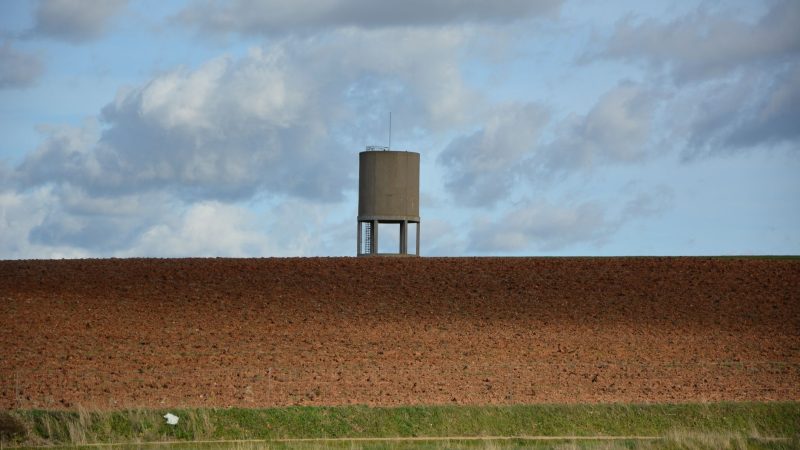
- Concrete (RCC) sumps still win for large underground storage and staying cool, but they crack and need waterproofing.
- Black or opaque tanks starve algae of light; clear or single-layer tanks turn green fast under Indian sun.
- The “best” tank is the one your roof structure can safely carry, always check load before you buy big.
How I ranked these tank types
Before we get to the list, here is what actually matters when you compare the top water storage tanks on the market. I weighted five things, roughly in this order:
- Water safety, is the material food-grade and does it keep light out to stop algae?
- Durability, how many years before UV, heat or cracking forces a replacement?
- Weight and handling, can two people carry it up to the roof, or do you need a crane?
- Cost, upfront price plus the fittings and platform you will need.
- Maintenance, how easy is it to clean, and how often?
Notice that “cheapest” is not the top criterion. A tank that costs ₹3,000 less but grows algae every monsoon and cracks in four years is not a bargain. If you are still deciding where the tank should even sit, our sibling piece on overhead versus underground water tanks is worth a quick read first, because location changes which material makes sense.
The best water tank types, ranked
1. Triple-layer / multi-layer poly (LLDPE), best all-rounder
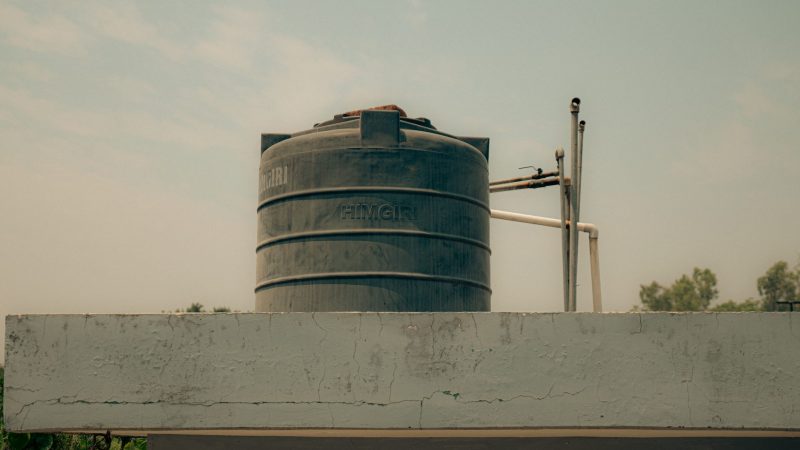
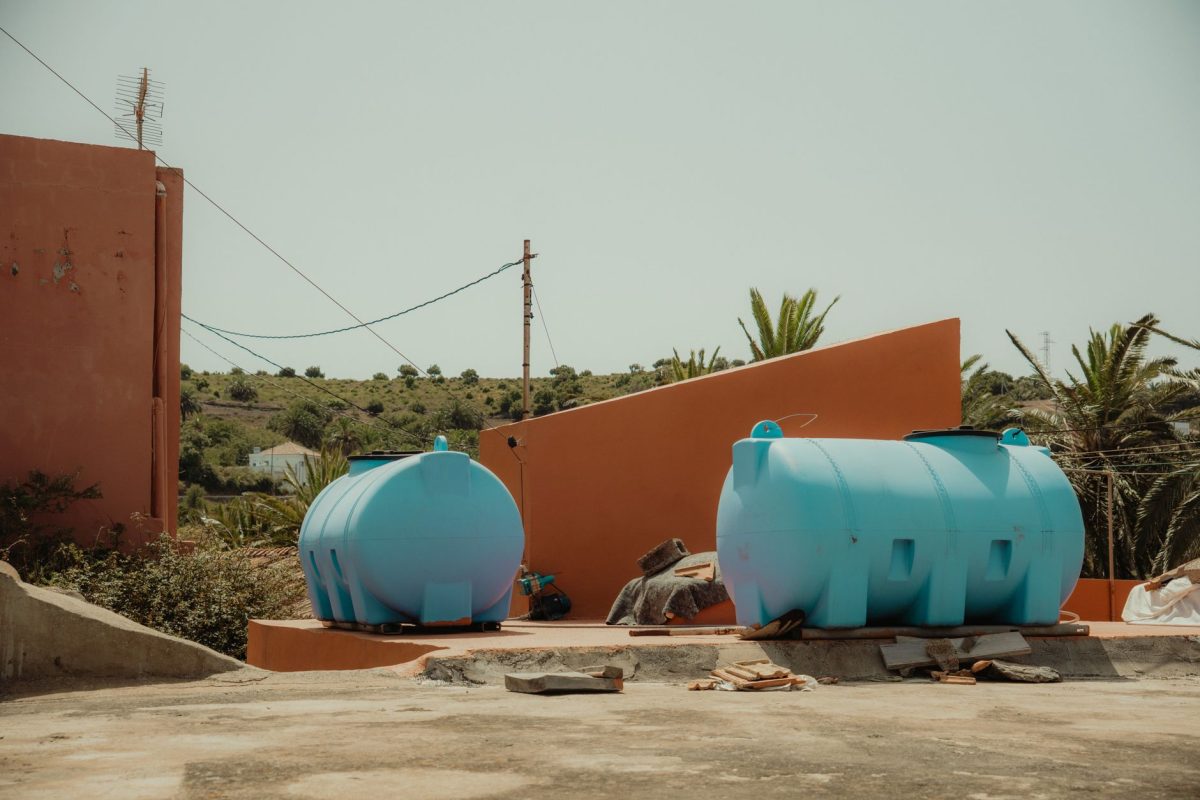
For eight or nine homes out of ten, this is the tank I recommend. Modern rotomoulded poly tanks are built in three, four or even seven layers: a black or dark inner and outer skin to block sunlight, a UV-stabilised middle, and a food-grade lining. They are light enough for two people to lift onto a platform, and they simply do not rust or crack the way steel and concrete can.
On my own roof I run a multi-layer poly tank, and after years of Rajasthan-grade summers it still holds water without a stain of algae because no light gets in. The main weakness is UV ageing of cheap single-layer tanks, but a good multi-layer one shrugs that off for a decade or more.
- Good for: most overhead installations, first-time buyers, tight budgets.
- Watch out for: thin single-layer “economy” tanks that look identical in the shop but fade and go brittle.
2. Stainless-steel, best for the long haul
If you want a tank you will likely never replace, food-grade stainless steel (usually SS 304) is the premium choice. It keeps water noticeably cooler than plastic in peak summer, cannot be chewed by rodents, and lasts 20 years plus with almost no fuss. It is also the easiest to keep genuinely hygienic.
The catch is price, often two to three times a poly tank of the same size, and weight. A large steel tank needs a properly built platform and sometimes a crane to hoist. Cheaper “stainless” tanks made from lower grades can also develop rust spots at welds, so insist on the grade in writing.
- Good for: buyers who want a lifetime tank, hot climates, hygiene-conscious households.
- Watch out for: under-grade steel, and roof load, confirm your slab can carry it.
3. Concrete (RCC), best for large underground storage
A cast reinforced-concrete (RCC) sump built into the ground is still the workhorse for big volumes, say 3,000 litres and up, where a moulded tank would be impractical. Underground and shaded, concrete keeps water beautifully cool, and it can be shaped to fit any awkward corner of your plot.
But concrete is not maintenance-free. It cracks over time, needs proper internal waterproofing and food-safe coating, and a poorly built sump can let groundwater seep in and contaminate your supply. It is a build, not a purchase, so quality depends entirely on your mason.
- Good for: large underground sumps, homes with space and no rooftop load worries.
- Watch out for: cracks, seepage, and skipping the waterproof/food-grade lining.
4. Fibreglass (FRP), best for oddly shaped or industrial-ish needs
Fibreglass-reinforced plastic tanks are strong, corrosion-proof and can be moulded into large or non-standard shapes. They handle a range of stored liquids and hold up well outdoors. For ordinary drinking-water storage at home, though, they are usually pricier than poly without a clear everyday benefit, so they sit mid-table for most homeowners.
- Good for: large custom shapes, semi-commercial use, harsh outdoor exposure.
- Watch out for: higher cost and fewer local repair options than poly.
5. Galvanised / mild-steel, only for specific cases
Older galvanised or mild-steel tanks are largely a legacy choice now. They can work for non-potable uses like garden or flushing water, but for drinking water they eventually rust at seams and the coating breaks down. Unless you have a particular reason, poly or stainless will serve you better.
Best overhead tank material at a glance
Here is how the main options stack up. Costs are broad ranges for a common 1,000-litre size and will vary by brand, grade and city, treat them as a shortlisting guide, not a quote.
| Tank type | Typical cost (1,000 L) | Lifespan | Weight | Best for |
|---|---|---|---|---|
| Triple/multi-layer poly | ₹6,000, ₹12,000 | 10-15 yrs | Light | Most overhead homes |
| Stainless steel (SS 304) | ₹18,000, ₹35,000 | 20+ yrs | Heavy | Lifetime, hot climates |
| Concrete (RCC sump) | Varies (built on site) | 20-30 yrs* | Fixed | Large underground storage |
| Fibreglass (FRP) | ₹12,000, ₹25,000 | 15-20 yrs | Medium | Custom shapes, outdoor |
| Galvanised/mild steel | ₹8,000, ₹18,000 | 8-12 yrs | Heavy | Non-potable only |
If you want a deeper head-to-head on the three most common materials, my colleague’s breakdown of poly vs concrete vs steel tanks goes further into the pros and cons of each.
Tip: Always choose a black or opaque tank over a translucent one for drinking water. On a neighbour’s roof I watched a clear economy tank turn pea-green within one monsoon because sunlight fed the algae. A dark, light-blocking tank stayed clean all season with no extra effort.
Which water tank to buy: a simple decision path
Still not sure which water tank to buy? Work through these steps in order and the answer usually falls out on its own.
- Fix the location. Overhead, underground, or both? Underground favours concrete or poly sumps; overhead favours poly or steel.
- Size it to your household. A rough rule is around 100-150 litres per person per day; a family of four often lands near 500-1,000 litres of usable storage.
- Check the load. One litre of water weighs one kilogram, so a full 1,000-litre tank plus the tank body is over a tonne on your slab. If in doubt, ask a structural engineer.
- Set your budget window. Poly if you want value; stainless if you want a lifetime tank; concrete if you are building big underground.
- Confirm it is food-grade and light-blocking. Ask the shop for the grade and the number of layers, in writing where you can.
- Match fittings and connect it properly. The tank is only as good as the pipes feeding it, pair it with sound plumbing.
That last point matters more than people think. On step six, if your distribution pipes are old or undersized you will get poor pressure no matter how good the tank is; our guide to the best pipe materials for home plumbing pairs naturally with this decision.
Getting the most life out of your tank
Whatever material you choose, upkeep decides how long it truly lasts and how safe your water stays. A few habits I have kept for years:
- Clean it twice a year. Drain, scrub the walls and floor, and rinse, more often if you notice sediment or an off smell.
- Keep the lid sealed. A tight, insect-proof lid keeps out dust, lizards and mosquitoes. Fit a mesh on the overflow and vent.
- Shade a poly tank if you can. Reducing direct sun slows UV ageing and keeps summer water cooler.
- Inspect fittings yearly. Check the inlet, outlet, overflow and ball valve for leaks or algae creep.
A quick safety note: a clean tank does not guarantee clean water. If your source is a borewell or you have any doubt about quality, get the water checked. Certifying bodies like the Bureau of Indian Standards set drinking-water norms, and general guidance from the World Health Organization is a useful reference, but for a real verdict, use a certified lab or a qualified professional, not a shop’s word.
For the full picture on sizing, placement and distribution, see our complete home guide to water storage tanks and distribution, which ties all of these cluster topics together.
Frequently Asked Questions
Which type of water tank is best for a home?
For most homes, a triple-layer or multi-layer food-grade poly tank is the best balance of price, weight and low maintenance. If you want a lifetime tank and can spend more, food-grade stainless steel (SS 304) is the premium choice, especially in very hot climates where it keeps water cooler.
Is a plastic or concrete tank better?
It depends on size and location. Poly (plastic) is best for overhead tanks up to a few thousand litres, light, cheap and no cracking. Concrete wins for large underground sumps and keeping water cool, but it can crack and seep, so it needs good waterproofing and a food-safe internal coating to stay safe.
What is the most durable water tank?
Food-grade stainless steel is generally the most durable, often lasting 20 years or more with minimal care because it will not rust, crack or degrade under UV. A well-built, properly waterproofed concrete sump can match that lifespan underground. Multi-layer poly typically lasts 10-15 years, which suits most households well.
What size water tank does my family need?
A common rule of thumb is roughly 100-150 litres per person per day for all uses. A family of four often does well with around 500-1,000 litres of usable storage, plus reserve for supply gaps. If your municipal or borewell supply is unreliable, size up so you can ride out a dry day comfortably.
Why does my water tank keep growing algae?
Algae needs light and warmth. Translucent or single-layer tanks let sunlight in, which feeds green growth within weeks in Indian summers. Switch to a black or opaque light-blocking tank, keep the lid sealed, and shade the tank if you can. Cleaning twice a year removes any sediment that algae clings to.
Putting it together
There is no single “best” tank, only the best fit for your roof, budget and water source. For most homes, a multi-layer food-grade poly tank is the smart default; step up to stainless steel if you want a lifetime buy, and lean on concrete for large underground storage. Get the material, size and light-blocking right, keep the lid sealed and clean it twice a year, and a good tank will quietly do its job for a decade or more.
If you would like to plan your whole setup rather than just the tank, browse the rest of our water storage and distribution guide, it walks through placement, plumbing and upkeep so every piece works together. No pressure, just the stuff I wish someone had told me before my first install.