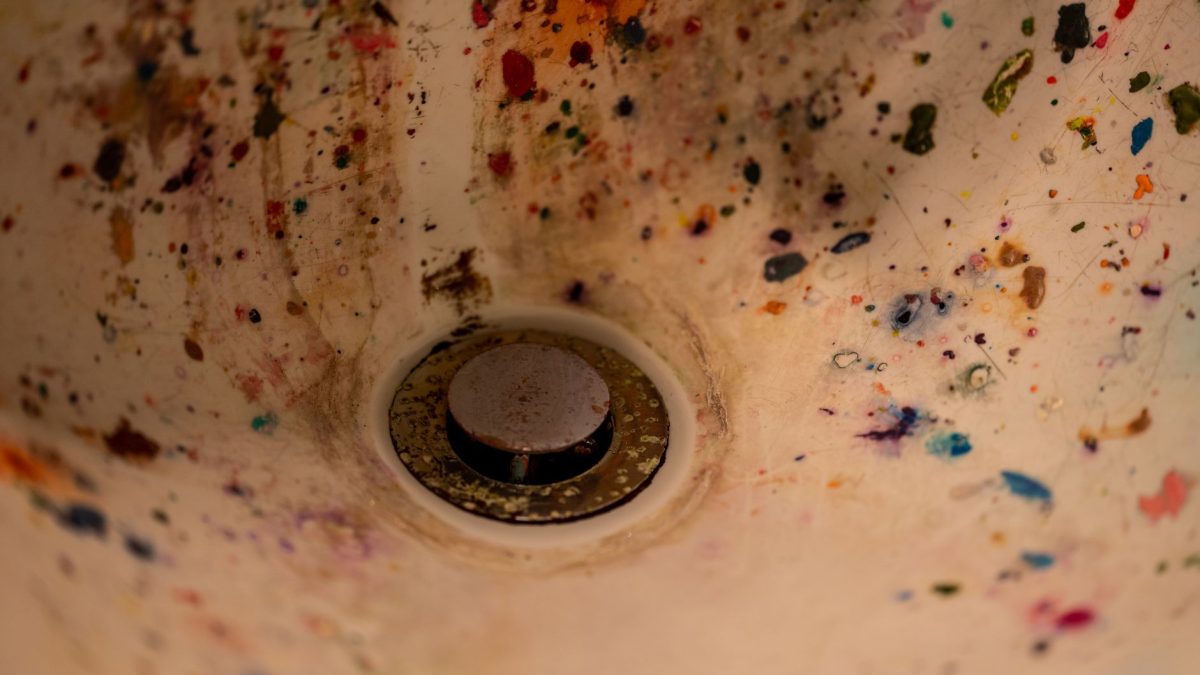
The first time I saw a rust-colored ring creeping around my bathroom drain, I assumed the fixture was old and cheap. Then the laundry started coming out with faint orange freckles, and my morning tea picked up a metallic edge. That was iron in well water making itself known, and after 15 years running my own borewell and overhead tank, I have learned to read those clues fast.
Iron is one of the most common nuisances in private wells, and the good news is that it is rarely a health emergency. The tricky part is that iron shows up in more than one form, and each form hides from a different test. In this guide I will walk you through the signs, the exact way to test for each type, and what your results are actually telling you. If you are new to well chemistry, start with our plain-English beginner’s guide to well water and come back here.
Key Takeaways
- Orange or brown stains, a metallic taste, and a reddish slime in the toilet tank are the three classic signs of iron.
- Iron comes in three practical forms: dissolved (ferrous), oxidized (ferric), and iron tied to bacteria. Each one needs a slightly different test approach.
- Most staining starts at roughly 0.3 mg/L, which is the point where the water still looks clear from the tap but leaves marks over time.
- Iron is usually a taste and staining problem, not a poison, but always confirm drinking safety with a certified lab.
- Testing at the tap and again after the water has sat helps you tell dissolved iron from oxidized iron.
The signs that point to iron
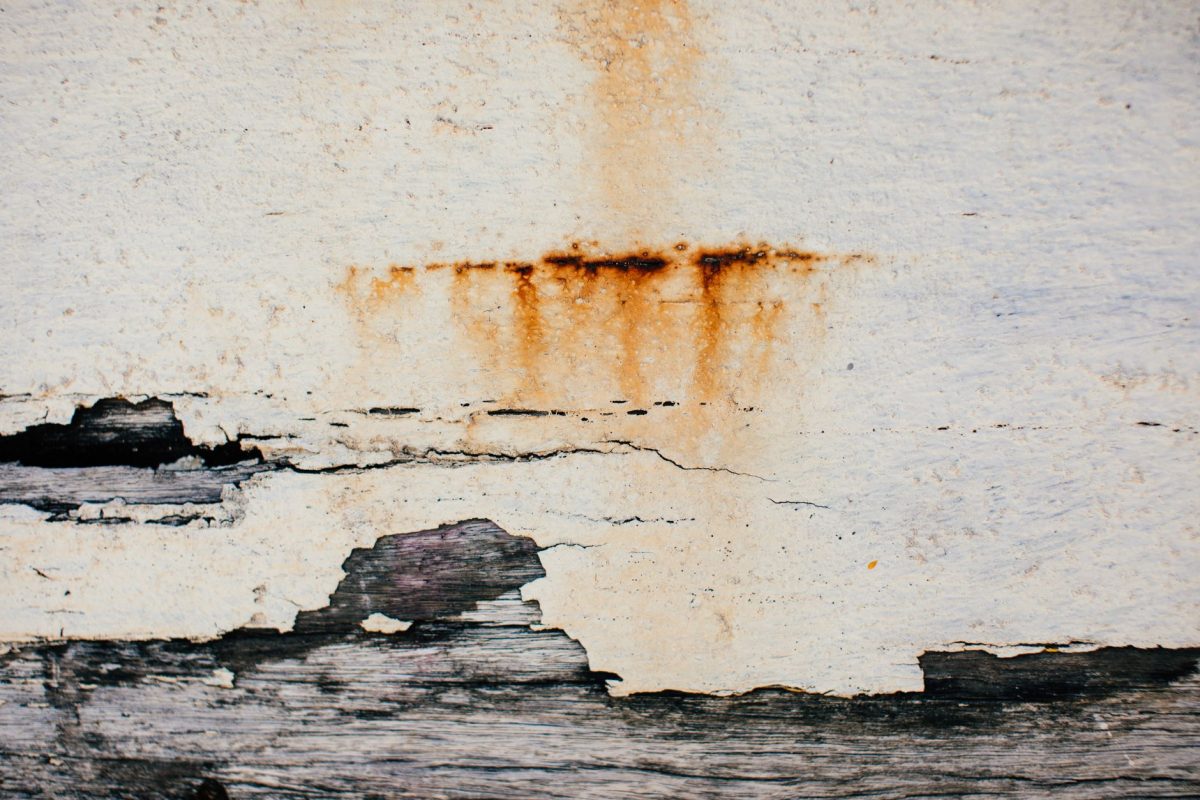
Iron rarely announces itself at the tap because dissolved iron is invisible in a fresh glass of water. The evidence shows up on surfaces and over time. Once you know the pattern, you can usually spot it before you ever run a test.
- Orange stains in well water fixtures. Sinks, tubs, and toilet bowls develop rusty streaks that ordinary cleaners struggle to shift.
- A metallic or inky taste. Tea, coffee, and plain drinking water pick up a faint blood-penny flavour.
- Stained laundry. Whites turn a dull yellow or pick up brown spots, especially with bleach, which oxidizes iron on contact.
- Reddish-brown sediment. Fill a clear glass and let it stand for an hour. Cloudy water that clears from the top down, leaving a rusty settle at the bottom, is a strong hint.
- Slimy reddish gunk. A jelly-like film inside the toilet tank or at the tap aerator often points to iron bacteria rather than iron alone.
The three forms of iron, and why the difference matters
You cannot pick the right filter or even the right test until you know which form of iron you are dealing with. On my own borewell I had two forms at once, which is common, and it explained why a simple cartridge filter kept clogging.
Ferrous iron (dissolved and clear)
Ferrous iron borewell water looks perfectly clear at the tap because the iron is dissolved, the same way sugar dissolves invisibly in tea. Once that water meets air, the iron oxidizes and turns reddish, which is why the glass goes cloudy after it stands. This is the most common form in deep borewells where the water sits with little oxygen.
Ferric iron (already rusted)
Ferric iron has already reacted with oxygen, so the water looks yellow, orange, or cloudy the moment it leaves the tap. You can often filter these particles out mechanically, but they are also the ones that clog cartridges and leave the worst stains.
Iron bacteria slime
Iron bacteria are harmless living organisms that feed on iron and leave behind a rust-colored, slippery slime. They produce that swampy smell and the gelatinous film in tanks and cisterns. They are not a health threat on their own, but their slime can shelter other bacteria and foul pumps and pipes, so they are worth treating.
| Form of iron | How the water looks | Tell-tale sign | Best way to confirm |
|---|---|---|---|
| Ferrous (dissolved) | Clear at the tap, rusty after standing | Glass turns cloudy in 30-60 minutes | Test a fresh sample fast, before it oxidizes |
| Ferric (oxidized) | Yellow or orange straight away | Visible particles, clogged filters | Standard iron test strip or lab test |
| Iron bacteria | Clear to cloudy with slime | Reddish slime, swampy odour | Lab inspection of the slime, not a strip |
How to test water for iron at home
You have two levels of testing: a quick home screen with strips or a colour kit, and a certified lab test that gives you an exact number in milligrams per litre. I recommend doing the home test first to confirm you have iron, then sending a sample to a lab if you plan to buy treatment. Here is the routine I use.
- Run the tap for two to three minutes so you are sampling the aquifer, not water that has been sitting in the pipes.
- Fill a clean glass and read the strip immediately, following the kit timing exactly. Dissolved iron starts oxidizing within minutes and can skew a slow reading.
- Fill a second clear glass and let it stand for an hour. If clear water turns rusty and drops sediment, you are looking at ferrous iron.
- Check the toilet tank and aerator for slime. A reddish jelly points to iron bacteria, which a strip will not catch.
- If either result is positive, collect a fresh sample in the lab’s bottle and send it for a certified iron and manganese test the same day.
Tip: When I sample my own borewell, I test one glass instantly and let a second glass sit for an hour side by side. That two-glass trick has told me more about dissolved versus rusted iron than any single strip reading. If both glasses are clear but the toilet tank is slimy, suspect iron bacteria instead.
What your iron numbers mean
Iron is measured in milligrams per litre (mg/L), sometimes written as ppm. The number tells you how aggressive the staining will be and which treatment will keep up. These are practical ranges I have seen, not a health verdict, so treat them as a guide.
| Iron level (mg/L) | What you will notice | Typical response |
|---|---|---|
| Below 0.3 | Little to no visible staining | Usually no action needed |
| 0.3 to 1.0 | Slow orange stains, faint taste | A cartridge or oxidizing filter often copes |
| 1.0 to 5.0 | Strong stains, clogged aerators | Dedicated iron filter recommended |
| Above 5.0 | Heavy staining, taste, pump wear | Aeration or oxidation plus filtration |
The World Health Organization notes that iron is chiefly a taste and appearance issue rather than a health hazard at the levels found in most wells. Even so, high iron can hide other problems, and manganese often travels alongside it. This is exactly why I send a fresh sample to a certified lab rather than trusting strips alone, and I suggest you do the same before spending on treatment. You can read more at the World Health Organization and the US EPA private wells pages.
Iron problems also rarely arrive alone. If your test comes back positive, it is worth running the same sample against other common culprits. Our walkthroughs on testing well water for bacteria and coliform and testing for nitrates pair naturally with an iron check, since one lab visit can cover all three.
Frequently Asked Questions
Why does my well water leave orange stains?
Orange stains come from iron oxidizing, which is the same chemical process as rust. Dissolved iron in the water reacts with air and with cleaning agents like bleach, then bonds to porcelain, grout, and fabric. Even clear water that stains means iron is present in its dissolved ferrous form.
How do I test well water for iron?
Start with a home iron test strip or colour kit read straight from a fresh tap sample. Let a second glass stand for an hour to spot dissolved iron turning rusty. For an exact number and to catch manganese, send a same-day sample to a certified lab in their supplied bottle.
Is iron in water bad for health?
At the levels found in most wells, iron is mainly a taste, odour, and staining nuisance rather than a health danger. That said, high iron can signal other issues and often comes with manganese. Always confirm drinking safety with a certified lab or a qualified professional rather than assuming.
What is the reddish slime in my toilet tank?
A rust-colored, jelly-like film usually means iron bacteria. These organisms feed on iron and leave a slippery slime plus a swampy smell. They are not toxic by themselves, but the slime can shelter other bacteria and clog pumps, so shock chlorination and follow-up treatment are worth arranging.
Can iron in water damage my pump and pipes?
Yes, over time. Ferric particles and iron bacteria slime build up inside pipes, pressure tanks, and aerators, narrowing them and straining the pump. On my setup, clogged aerators were the first warning. Regular flushing and the right iron filter keep the whole system running longer.
Putting it together
Iron in your well water is usually more of an annoyance than an alarm, but identifying the form is what turns a frustrating stain into a solvable problem. Watch the signs, run the two-glass test, check for slime, then confirm the number with a certified lab before you spend on any filter. That order has saved me from buying the wrong equipment more than once. For the full picture of what to test and how the results fit together, browse our complete homeowner’s guide to water testing and quality whenever you are ready.