You open the kitchen tap and instead of a steady stream you get a coughing, spitting dribble that sprays sideways and rattles the pipe. Frustrating, right? Here’s the twist: two completely different problems produce almost identical symptoms at the tap. Understanding low pressure vs air in pipes is the difference between a five-minute fix and paying someone to chase a ghost. In fifteen years running my own borewell, overhead tank, and pressure pump, I’ve been fooled by this more than once, I once “fixed” a phantom pressure drop that was really just trapped air from an overnight tank refill.
This guide gives you a plain-English way to read the clues, a side-by-side symptom table, and the correct fix for each so you stop treating the wrong culprit.
Key Takeaways
- Air in pipes splutters, coughs, and clears, flow surges then settles once the air burps out. It usually starts suddenly after a repair or an empty tank.
- Low pressure is steady and weak, a thin, quiet, consistent stream that never improves no matter how long you run the tap.
- Air affects one tap or one run of pipe; genuine low pressure usually hits the whole house, or at least every tap on an upper floor.
- An airlock is almost always free to clear yourself in 10-20 minutes. Chronic low pressure often points to a pump, foot valve, or filter issue costing roughly ₹300, ₹6,000 to sort.
- When in doubt, run the tap for two full minutes, air clears, low pressure doesn’t.
First, what each problem actually is
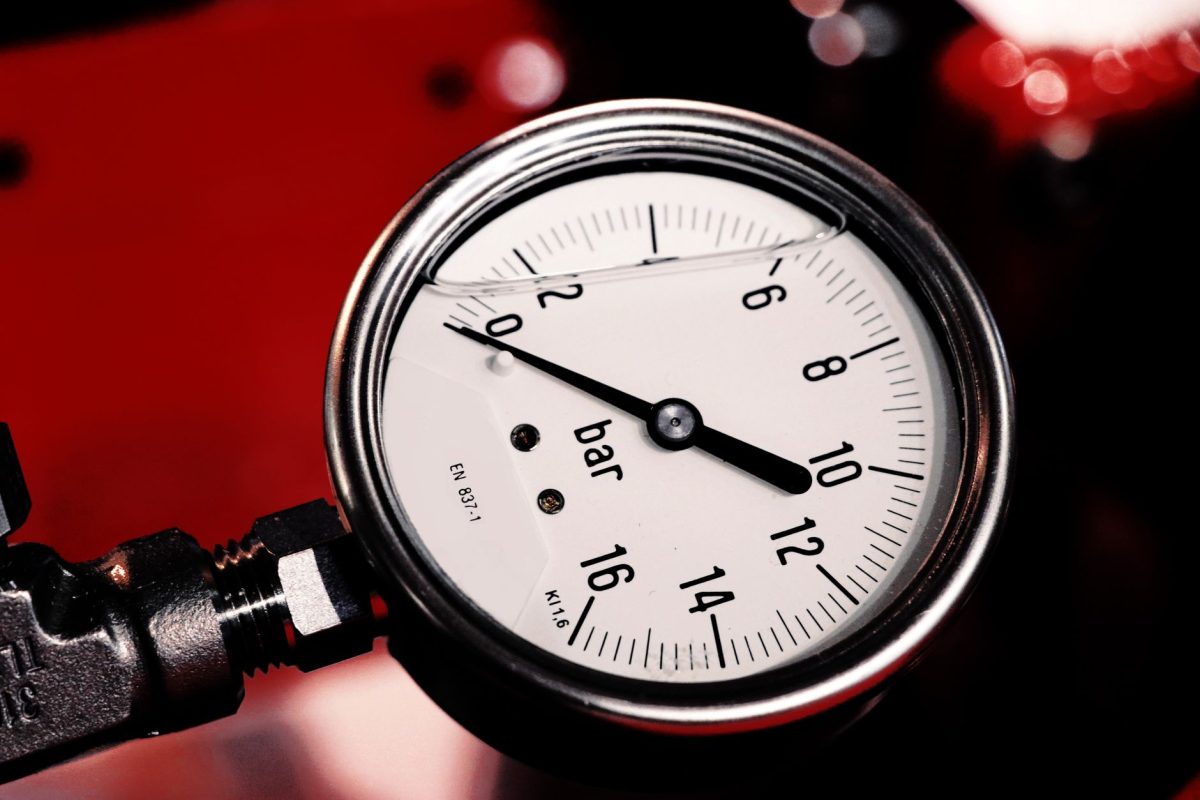
They feel the same at the tap, but they’re mechanically opposite. Getting the concept straight makes the symptoms obvious.
Air in pipes (an airlock)
Air is compressible; water isn’t. When a pocket of air gets trapped at a high point in your plumbing, it acts like a spring. Water pushes against it, the air compresses and releases, and you get that sputtering, coughing, on-off flow. The pipe often knocks or vibrates because the air pocket is bouncing around.
Air gets in when the system is opened or drained: after plumbing repairs, when your overhead tank or sump runs completely dry and refills, when a pump loses prime, or when supply is cut and restored. That timing is your biggest clue, airlocks almost always appear suddenly, tied to an event.
Genuine low pressure
Low pressure means the water simply isn’t arriving with enough force. There’s no air fighting it, just too little push. The stream is thin but smooth and steady. Nothing splutters, nothing knocks; it’s just weak, and it stays weak.
Causes range from the harmless (an overhead tank mounted too low, so you only get a metre or two of head) to the mechanical: a clogged inlet filter or aerator, a partially closed valve, a failing pressure pump, a leaking foot valve on a borewell, or scaled-up old galvanised pipes. Unlike air, low pressure is usually a slow build or a permanent condition, not a sudden event.
Airlock symptoms vs low pressure: the side-by-side table
Print this or keep it on your phone. Match your taps against the left column, then read across. In practice, three or more matches in one column tells you which problem you’re dealing with.
| Clue | Air in pipes (airlock) | Genuine low pressure |
|---|---|---|
| Sound & feel | Splutters, coughs, spits; pipes knock or vibrate | Quiet, smooth, steady weak stream |
| Flow pattern | Surges and stalls; on-off bursts | Consistent thin flow that never changes |
| Does it improve if you keep the tap open? | Yes, clears after a few seconds to two minutes | No, stays weak indefinitely |
| How many taps affected | Often just one tap or one pipe run | Whole house, or every upper-floor tap |
| When it started | Suddenly, after a repair, dry tank, or supply cut | Gradually, or has always been like this |
| Air spitting from the spout | Yes, visible bubbles and mist | No air, just weak water |
| Typical fix | Bleed the air / clear the lock (free) | Filter, valve, pump, or plumbing work (₹300, ₹6,000) |
Tip: The two-minute test is my go-to. Open the affected tap fully and let it run for two solid minutes. If the sputtering settles into a normal stream, it was air. If it stays weak and steady the whole time, you have a real pressure problem. This one test has saved me countless wasted calls to the pump fellow.
Why do my taps splutter and cough? Reading the pattern
Spluttering is the single most misread symptom, so it’s worth slowing down here. A spitting tap is a classic sign of air, not low pressure, low pressure is boring and quiet by comparison. But the details matter:
- Splutters only for the first few seconds, then runs clean: a small trapped air pocket that clears itself. Usually harmless, common after supply is restored.
- Splutters every single time, even after running a while: air is being continuously drawn in, often a failing foot valve on a borewell, a loose pump inlet fitting, or a suction-side leak pulling air in.
- One aerator sprays sideways but flow is otherwise fine: that’s usually just a dirty or partly clogged aerator, not a system issue, unscrew and rinse it.
- No splutter at all, just feeble flow: not air. Move straight to the low-pressure checklist below.
On my own setup, chronic spluttering at every tap turned out to be a slowly leaking foot valve letting the borewell column drain back overnight. The pump then pushed a slug of air through the whole system each morning. No amount of “bleeding” fixes that, the valve had to be replaced.
How to diagnose water pressure problems in the right order
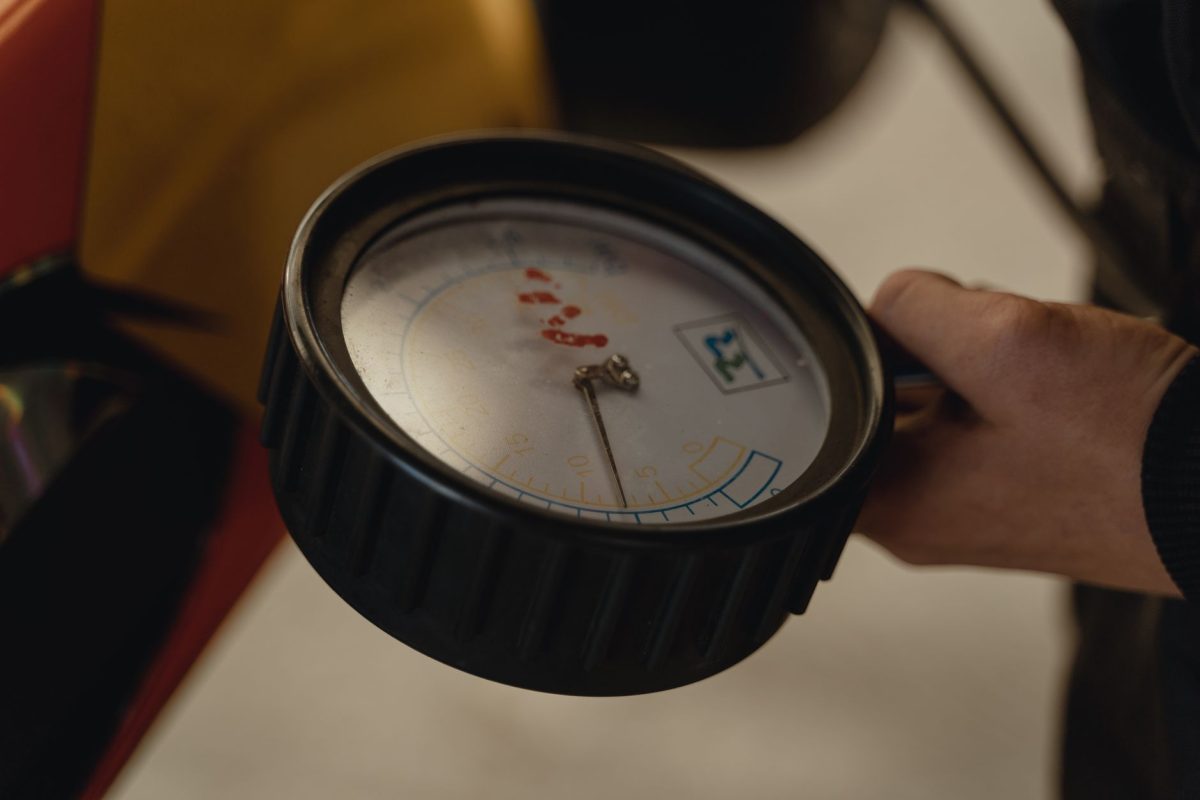
Work through these in sequence. Each step either fixes the issue or rules out a cause, so you never spend money on the wrong repair. This is exactly the order I use before I touch a spanner.
- Run the two-minute test. Air clears; low pressure doesn’t. This alone sorts most cases.
- Check every tap, high and low. If only upstairs is weak, that’s a head/pressure issue. If just one tap misbehaves, it’s local, an aerator or that one pipe run.
- Clean the aerators and any inline filter. Unscrew the tap tip, rinse out grit and scale, refit. A clogged sediment or RO pre-filter is one of the most common quiet pressure killers.
- Confirm valves are fully open. A half-turned gate valve at the tank outlet or after the meter throttles the whole house. Trace the line and open everything fully.
- Look at the source. Is the overhead tank actually full? Is the pressure pump switching on when you open a tap? A pump that hums but doesn’t build pressure may have lost prime or have a worn impeller.
- Watch for air being pulled in. Persistent spluttering at every tap points to a suction leak, a failing foot valve, or a pump that keeps losing prime, that’s mechanical, not a one-off airlock.
How do I clear an airlock in pipes?
If you’ve confirmed it’s air, clearing it is usually free and quick. Try these in order:
- Run the affected tap wide open for two to three minutes to push the air out. Often that’s all it takes.
- Use pressure to force it out: connect the spluttering tap to a working, higher-pressure tap with a short length of hose, open both, and let the good tap’s pressure push the air back through the airlocked line.
- Open taps from lowest to highest, then close them in the same order, so air migrates up and out through the highest outlet.
- Re-prime the pump if it’s a self-priming pressure pump that’s run dry, fill the priming chamber, restart, and let it purge air.
- If air keeps coming back, stop clearing and start hunting the leak. Something is drawing air in, and no bleeding will hold.
Not sure whether a step is beyond you? Our guide on who should actually fix your water problem, DIY, handyman, or pump pro helps you judge when to pick up the phone instead of the spanner.
Fixing genuine low pressure
If the two-minute test confirms steady weak flow, here’s roughly what each cause involves. Costs are typical Indian ballpark ranges from my own experience, your local rates will vary.
| Cause | Tell-tale sign | Fix & rough cost |
|---|---|---|
| Clogged aerator/filter | One tap or RO line weak | Clean or replace, ₹0, ₹500 |
| Partly closed valve | Whole house dropped after work done | Open valve fully, free |
| Tank mounted too low | Weak upstairs, always has been | Add a pressure pump, ₹3,000, ₹6,000 |
| Failing pressure pump | Pump hums, no pressure builds | Repair impeller/switch, ₹500, ₹3,000 |
| Leaking foot valve | Morning air + weak flow | Replace foot valve, ₹300, ₹1,500 |
Many “sudden” pressure complaints are actually maintenance debts coming due. Skipping small tasks lets sediment build and valves stiffen. If that sounds familiar, it’s worth reading up on the common home water maintenance mistakes that quietly wreck pressure over time, and folding the fixes into a year-round water system maintenance schedule so problems get caught early.
One safety note: if weak flow arrives alongside cloudy, smelly, or discoloured water, don’t just chase pressure, get the water checked. A certified lab or a qualified plumber can rule out contamination or a cross-connection. Bodies like the Central Ground Water Board and the World Health Organization publish useful, non-commercial guidance on groundwater and safe drinking water worth bookmarking.
Frequently Asked Questions
Why do my taps splutter and cough?
Spluttering almost always means trapped air, not low pressure. Air compresses and releases, producing on-off bursts. It typically appears after a repair, a dry tank, or a supply cut. If it clears within two minutes of running the tap, it was a harmless airlock rather than a mechanical fault.
Is it low pressure or trapped air?
Run the tap wide open for two minutes. Air clears and flow normalises; genuine low pressure stays weak and steady the whole time. Air also splutters and knocks the pipes, while low pressure is quiet. Air often hits one tap; low pressure usually affects the whole house or every upstairs tap.
How do I clear an airlock in pipes?
Start by running the affected tap wide open for two to three minutes. If that fails, connect it to a higher-pressure tap with a short hose to force air back out, or open taps lowest to highest. If air keeps returning, you have a suction leak or failing valve that needs fixing, not bleeding.
Can an airlock damage my pump?
A one-off airlock rarely harms anything. But a pump repeatedly running with air, because of a lost prime or a leaking foot valve, can overheat and wear its seals and impeller faster. If your pump keeps drawing air, fix the source promptly rather than restarting it again and again.
Why is only my upstairs tap weak?
That’s usually a pressure or head issue, not air. Upper floors get the least push from a gravity tank, so any drop shows there first. Check that the tank is full, valves are open, and consider a small pressure pump if the tank simply sits too low for adequate upstairs flow.
Does air in pipes go away on its own?
A small airlock often clears itself within a day of normal tap use as the air gradually works its way out. A stubborn one needs manual clearing. But if air returns day after day, something is actively pulling it in, and it will never fully self-resolve until you find and fix that leak.
The practical upshot
Low pressure and air in pipes look like twins at the tap but need opposite treatments. Air splutters, knocks, and clears; low pressure is quiet, weak, and stubborn. The two-minute test settles most arguments in your own kitchen, and matching your symptoms against the table above tells you whether to reach for a hose or call a professional. Diagnose first, then fix, and you’ll never again pay to chase a problem that a two-minute tap run would have solved.
If you found this useful, browse the rest of our quick answers to common home water problems, and build these checks into a proper routine with our complete home water system maintenance schedule. A little diagnosis now saves a lot of guesswork later.