The last time my borewell tripped at 9 p.m., I fixed it in twenty minutes with a torch, a spanner, and a spare pressure switch I already had in a box. My neighbour, with no tools on hand, waited two days for a mechanic and paid three times what the part cost. That is the whole argument for owning the best tools for water system maintenance: a short, well-chosen kit turns most repairs from a call-out into a coffee-break job.
I’ve run my own borewell, pump, and overhead-tank setup for 15+ years, and I’ve slowly learned which tools actually earn their place in the box. Below, I’ll walk you through the exact kit and spare parts I keep near the pump, roughly what they cost, and when each one saves your day. You’ll also find a year-round maintenance rhythm to pair them with.
Key Takeaways
- A useful home water tool kit costs roughly ₹3,000, ₹8,000 to assemble once, and pays for itself the first time you avoid a call-out.
- Five tools cover 80% of jobs: an adjustable spanner set, pipe wrench, multimeter, PTFE thread tape, and a pressure gauge.
- Keep a few consumable spares on the shelf, a pressure switch, capacitor, foot valve, and washers, so a Sunday fault isn’t a Monday problem.
- Anything touching drinking water (health, contamination) belongs with a certified lab or licensed electrician, not a spanner.
- Label your box and store it dry near the pump; a tool you can’t find at night isn’t a tool.
The core five: tools that cover most jobs

You don’t need a mechanic’s workshop. Over the years I’ve noticed the same handful of tools come out again and again, while the fancier stuff gathers dust. Start here before you buy anything else for your well owner tool kit.
1. Adjustable spanner set (and a good pipe wrench)
Almost every pump, valve, and tank fitting has a nut somewhere. A set of adjustable spanners plus one 12-14 inch pipe wrench (Stillson type) will loosen and tighten nearly everything you’ll meet. The pipe wrench is the hero for stubborn galvanised-iron pipe unions and foot-valve threads that a normal spanner just slips off.
2. A digital multimeter
When a pump won’t start, the first question is always “is it electrical or mechanical?” A cheap multimeter answers it in seconds, check voltage at the switch, test whether the capacitor is dead, confirm continuity in the motor windings. It’s the single tool that most often tells me whether I can fix something myself or need to call an electrician. If you see any warning signs, our guide on reading the warning signs your pump needs service pairs perfectly with a meter in hand.
3. PTFE thread-seal tape (and pipe-joint compound)
The cheapest item on this list and the one that prevents the most leaks. Wrap threaded joints with PTFE (Teflon) tape before you screw them together and you’ll stop the slow drips that waste water and rot your pump housing. Buy a few rolls, you’ll get through them.
4. A pressure gauge
If you have a pressure tank or a pressure-switch-controlled pump, a glycerine-filled pressure gauge (0-7 bar / 0-100 psi) is how you diagnose short-cycling, waterlogged tanks, and a failing pressure switch. Screw it onto the tank’s test port and watch the cut-in and cut-out points. It takes the guesswork out of a fault that otherwise burns out motors.
5. A reliable torch or headlamp
Sounds trivial until your pump fails after dark in a monsoon downpour. A rechargeable headlamp keeps both hands free while you work in the pump room. I keep one clipped to the tool box lid so I never hunt for it.
Tip: Buy a glycerine-filled pressure gauge, not a dry one. On my own borewell the dry gauge needle bounced so hard during pump cycling that I couldn’t read it; the glycerine damps the vibration and the numbers hold steady. It costs maybe ₹100, ₹150 more and lasts years longer.
The full tool kit compared
Here’s the wider list, with rough Indian prices (2026) and what each is really for. Prices vary by brand and city, so treat these as ballpark ranges, not quotes. Everything below is optional after the core five, add pieces as your confidence grows.
| Tool | Rough cost (₹) | What it’s for | Priority |
|---|---|---|---|
| Adjustable spanner set | 400-900 | General nuts and fittings | Essential |
| Pipe wrench (12-14″) | 350-800 | Pipe unions, foot valves, stuck threads | Essential |
| Digital multimeter | 500-1,200 | Electrical fault-finding | Essential |
| PTFE tape + joint compound | 50-200 | Sealing threaded joints | Essential |
| Pressure gauge (glycerine) | 300-700 | Pressure tank / switch diagnosis | Essential |
| Rechargeable headlamp | 400-1,000 | Working hands-free after dark | Essential |
| Insulated screwdriver set | 250-600 | Control-box and switch terminals | Handy |
| Hacksaw + PVC pipe cutter | 300-800 | Cutting and re-jointing pipe | Handy |
| Silicone / anti-seize grease | 150-400 | O-rings, gaskets, threads | Handy |
| Bucket, wire brush, rags | 150-400 | Cleaning, catching drips | Handy |
Do I need special tools for filter changes?

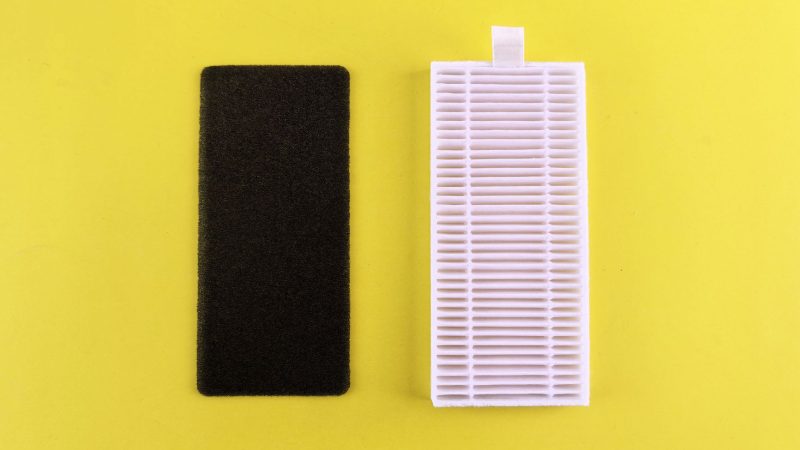
Usually not much. Most cartridge housings (sediment, carbon, RO pre-filters) come with a plastic strap or spanner wrench sized to that housing, keep it, because a general wrench often won’t grip the smooth housing. Beyond that, filter changes need only clean hands, a bucket, and PTFE tape for the housing threads.
For whole-house or under-sink filters, the routine is simple: shut the inlet valve, relieve pressure at the nearest tap, unscrew the housing with its supplied wrench, swap the cartridge, re-grease the O-ring lightly, and hand-tighten. If you’re weighing filtration upgrades against ongoing costs, our breakdown of where maintenance money actually goes versus repairs is worth a read first.
Spare parts worth keeping on the shelf
Tools fix things; spares mean you’re not stranded when a small part dies on a Sunday. These are the pump repair essentials I’ve learned to stock after being caught out. None is expensive, and every one has saved me a wait for a shop to open.
- Pressure switch, the most common cause of a pump that won’t stop or start. A spare (~₹250, ₹600) swaps in with two spanners.
- Run capacitor, a bulged or dead capacitor kills single-phase pump starting. Match the microfarad rating printed on the old one exactly.
- Foot valve / non-return valve, when your pump loses prime overnight, this is usually why.
- Assorted washers, O-rings and gaskets, a small assortment box solves 90% of nuisance drips.
- Spare PTFE tape and a length of matching pipe/union, for the fitting that cracks at the worst moment.
Warning: Always switch off power at the MCB and confirm it’s dead with your multimeter before touching any pump wiring, capacitor, or pressure switch. Capacitors can hold a charge even when the supply is off. If you’re unsure, a licensed electrician is cheaper than a hospital visit.
How to build and store your kit (step by step)
Assembling the kit is a one-afternoon job. Here’s the order I’d do it in, so you spread the cost and never buy something you won’t use.
- Buy the core five first (spanners, pipe wrench, multimeter, PTFE tape, pressure gauge). That’s most jobs covered for under ₹5,000.
- Note the model and ratings of your pump, capacitor µF, pressure-switch cut-in/cut-out, housing sizes. Write them on a card inside the box.
- Add the matching spares: pressure switch, capacitor, foot valve, and an O-ring/washer assortment.
- Get a lidded, labelled plastic toolbox. Keep it dry and within reach of the pump, not buried in a back cupboard.
- Once a year, open the box, replace anything used, and test the torch and multimeter battery.
That yearly check slots neatly into a wider routine. For the full calendar of what to inspect and when, see our complete year-round water system maintenance schedule, and browse more fixes in the Maintenance & Troubleshooting section.
When to put the tools down and call a pro
Good tools tempt you to fix everything, but a few jobs aren’t DIY. Pulling a submersible pump out of a deep borewell needs proper lifting gear and two or three people, that’s a rig job. Any three-phase or hardwired electrical work belongs with a licensed electrician. And anything touching whether your water is safe to drink is a lab question, not a spanner question.
If you suspect contamination, taste changes, or health effects, get the water tested by a certified laboratory and follow guidance from bodies like the World Health Organization or India’s Central Ground Water Board. No home tool kit can confirm your water is safe.
Frequently Asked Questions
What tools do I need to maintain a well?
For routine well maintenance you mainly need an adjustable spanner set, a pipe wrench, a multimeter, PTFE thread tape, and a pressure gauge. Add a headlamp and insulated screwdrivers. Those cover cleaning, valve work, and diagnosing most pump faults. Deeper borewell pump removal needs professional lifting equipment, not a home kit.
What spare parts should a pump owner keep?
Keep a spare pressure switch, a run capacitor that matches your pump’s microfarad rating, a foot valve or non-return valve, and an assortment of washers and O-rings. Add a roll or two of PTFE tape. These small, inexpensive parts cause most sudden pump failures, so having them on the shelf avoids frustrating waits.
Do I need special tools for filter changes?
Rarely. Most filter housings ship with a plastic wrench sized to that specific housing, keep it, since a general spanner tends to slip on the smooth casing. Otherwise you just need clean hands, a bucket to catch water, a little silicone grease for the O-ring, and PTFE tape for the threads.
How much does a home water tool kit cost?
The essential core, spanners, pipe wrench, multimeter, PTFE tape, pressure gauge, and a headlamp, typically runs about ₹2,000, ₹5,000 in India. Add the handy extras and spare parts and you’re around ₹6,000, ₹8,000. It’s a one-time outlay that usually pays for itself the first time you skip a mechanic’s call-out.
Is a multimeter safe for a beginner to use?
Yes, for basic checks, if you take care. Always switch off the supply at the MCB first and confirm it’s dead before touching wiring or a capacitor, which can hold charge. Use an insulated multimeter and keep one hand behind your back. For anything three-phase or hardwired, call a licensed electrician instead.
Putting it together
You don’t need a garage full of gear to look after your own water. The core five tools plus a handful of cheap spares will handle the overwhelming majority of leaks, no-start faults, and filter swaps, and they turn stressful emergencies into quick, confident fixes. Assemble the box once, label it, keep it dry near the pump, and top it up each year.
When you’re ready to put that kit to work on a proper schedule, dip into our year-round maintenance guide or answer a quick question in the home water problems FAQ. A little preparation now buys you a lot of calm later.