A pump almost never quits without warning. In fifteen-plus years running my own borewell, submersible pump, and overhead tank, every single failure gave me a heads-up first, a new noise, a weaker shower, a tap that spat air before it spat water. I ignored the early hints exactly once, and a ₹900 pressure-switch job turned into a full pump pull-out. The good news: the signs a well pump needs service are easy to spot once you know what to listen and look for.
This guide walks through ten concrete warning signs, what each usually means, and when it is safe to wait versus call for help. It fits into our wider home water system maintenance schedule, so you can catch trouble before it becomes an emergency.
Key Takeaways
- Pumps warn you first, changed sounds, weak pressure, and sputtering taps are your earliest alerts.
- Short cycling (a pump that switches on and off every few seconds) is the single most damaging habit; it can shorten pump life by years.
- A power bill that climbs 15-30% for no reason often points to a worn or struggling pump long before it dies.
- Air in the lines and gritty, cloudy water usually mean a dropping water level or a cracked pipe, not a dirty tap.
- Act on the first sign, early attention typically costs ₹500, ₹3,000, while a failed submersible pull-out runs many times that.
Why your pump warns you before it fails

Pumps and wells are mechanical, and mechanical things wear gradually. Bearings roughen, impellers thin, seals harden, and the water table shifts with the seasons. Each of these changes shows up as a symptom you can hear, see, or feel at the tap. Learning to read them is the difference between a planned ₹1,500 repair and a scramble for water on a Sunday.
Below are the ten symptoms of a failing pump I watch for on my own setup, roughly in the order they tend to appear.
10 warning signs your well or pump needs attention
1. The pump short cycles (on, off, on, off)
If your pump kicks on and off every few seconds instead of running in steady stretches, stop and take it seriously. This is called short cycling, and it is the fastest way to burn out a motor. On systems with a pressure tank, the usual culprit is a waterlogged tank that has lost its air cushion, or a failing pressure switch. Each start draws a big surge of current, so rapid restarts cook the windings.
2. The pump runs constantly and never shuts off
The opposite problem is just as telling. A pump that runs non-stop, even when no tap is open, is usually chasing pressure it can no longer build. Common causes are a stuck pressure switch, a hidden leak in the pipe, a dropping water level, or worn impellers that can no longer push water. A pump running dry or against a leak overheats quickly, so shut it off at the switch and investigate.
3. Water pressure drops or fades over the day
A gradual weakening of your shower or a tap that starts strong and fades points to trouble. It may be a clogged foot valve or intake screen, worn impellers, a partially blocked pipe, or a water level that dips as the pump runs. If pressure is fine in the morning and poor by evening, suspect a well recovery or drawdown issue rather than the pump itself.
4. Sputtering, spitting taps and air in the lines
When taps cough and spit air before water flows, air is getting into a system that should be sealed. On a borewell this often means the water level has dropped near the pump intake, so it is sucking a mix of air and water. It can also be a cracked riser pipe or a loose fitting. Persistent air is a strong hint the pump is set too high or the well needs a professional look.
5. New or louder noises
You know your pump’s normal hum. Any change, grinding, rattling, a high whine, or a heavy click when it starts, is worth chasing down. Grinding often means failing bearings; rapid clicking usually means the pressure switch or relay is chattering. On a jet or surface pump, a loud rattle can mean cavitation, where the pump is starved of water and forming vapour bubbles that hammer the impeller.
6. Cloudy, gritty, or sandy water
A sudden change in water quality, sand at the bottom of a glass, cloudiness, or a metallic taste, can signal that the pump is drawing from too low in the well, a screen has failed, or the borewell casing is degrading. Grit is abrasive and grinds down impellers and seals, so it accelerates wear once it starts. If quality changes, get the water checked; do not assume it is only a nuisance.
7. Your electricity bill jumps for no reason
A worn pump works harder to move the same water, and a leaking or short-cycling system makes it run far more often. Either way, the meter climbs. If your usage habits have not changed but your bill is up 15-30%, the pump is a prime suspect. This is one of the quietest early signs, no dramatic noise, just a slow creep on the bill.
8. The pump trips the breaker or MCB
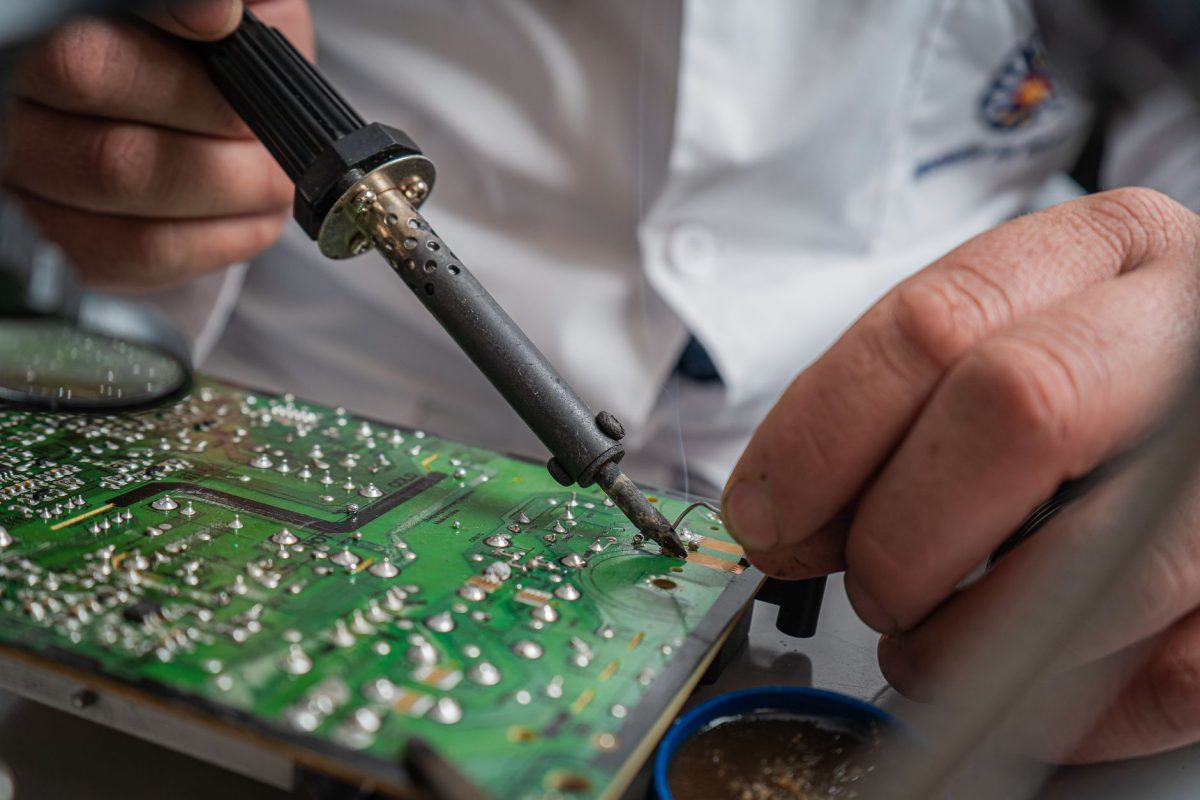
A pump that repeatedly trips its breaker is telling you something is drawing too much current, a partially seized motor, a shorted winding, a bad capacitor, or a wiring fault gone damp. Resetting it again and again is dangerous and can worsen the damage. If a breaker trips more than once, leave it off and call an electrician or pump technician. This one is not a DIY guessing game.
Warning: Never keep resetting a tripping breaker or open a pump control box while power is on. When I chased a nuisance trip on my own borewell, the real fault was a swollen start capacitor, a ₹350 part that would have started a fire if I had kept forcing power through it. Isolate the supply first, always.
9. It takes longer to fill the tank
If your overhead tank used to fill in 25 minutes and now needs 40, the pump is moving less water per minute. Time a fill occasionally, it is the cheapest performance test you have. A slowly rising fill time tracks impeller wear, a clogged intake, or a falling water table almost perfectly, and it gives you weeks of notice before flow becomes a real problem.
10. Spitting brown water or sudden loss of prime
On surface and jet pumps, losing prime, where the pump spins but no water comes, means air has broken the water column, usually through a leaking foot valve or suction line. Brown or rusty water after a period of disuse can mean corroding pipe or a stirred-up well bottom. Both are signs the system needs attention before the next dry spell exposes the weakness.
What each sign usually means, and how urgent it is
Not every warning means “stop everything.” This table sorts the common signs by likely cause and how quickly you should act, so you can triage before you spend a rupee.
| Warning sign | Most likely cause | Urgency |
|---|---|---|
| Short cycling | Waterlogged pressure tank or bad switch | High, motor damage risk |
| Runs constantly | Leak, dropping level, or worn impellers | High, overheating risk |
| Fading pressure | Clogged intake or drawdown | Medium, inspect soon |
| Air / sputtering taps | Low water level or cracked pipe | Medium, High |
| New grinding noise | Failing bearings or cavitation | High, plan a service |
| Sandy / cloudy water | Worn screen or low intake | Medium, test the water |
| Bill up 15-30% | Worn pump or hidden leak | Medium, investigate |
| Breaker keeps tripping | Electrical fault or seized motor | Critical, stop, call a pro |
A 6-step DIY check before you call for help
When something feels off, run through these steps first. Half the time you will find something simple, and even when you do not, you will give the technician a much clearer picture. This tells you when to service a borewell yourself versus when to hand it over.
- Isolate the power at the switch or MCB before touching anything electrical or opening a control box.
- Listen at the pump and pressure tank for a full cycle, note any grinding, chattering, or rapid on, off.
- Check the pressure gauge (if fitted); it should build to a cut-off point and hold, not creep or drop.
- Tap the pressure tank near the top and bottom, a solid, waterlogged thud instead of a hollow ring means it has lost its air charge.
- Open the nearest tap and watch for air spitting, sand, or discoloured water, and time how long full flow takes.
- Time a full tank fill and compare it with your normal baseline; a longer fill confirms reduced output.
Tip: Keep a small notebook (or a note on your phone) with your normal tank-fill time and the sound of a healthy pump. When I started logging my fill time each month, I caught a slowly clogging foot valve six weeks before it would have left me dry, a ₹600 fix instead of a weekend without water.
When to wait, and when to call a professional
Some early well trouble signs are safe to monitor for a few days. A slightly longer fill time or a one-off sputter after a power cut is worth noting, not panicking over. But a few situations call for immediate expert help.
- Call a pro now if the breaker trips repeatedly, the pump smells hot, or it runs dry.
- Call within a day or two for constant running, persistent air, or grinding noises.
- Monitor and log for gradual pressure fade or a slowly rising fill time, then act if it worsens.
Pulling a submersible pump from a deep borewell is not a DIY job, it needs a rig, correct lifting, and someone who can read the well. In my experience a pressure switch or capacitor swap runs roughly ₹500, ₹3,000, while a full submersible pull-out and replacement can run many times that, which is exactly why the early signs are worth chasing. If you are weighing your options, our breakdown of maintenance cost versus repair cost shows where the money really goes. Having the right basic tools on hand also makes these checks far easier.
Whenever water quality changes, grit, colour, smell, or taste, treat drinking-water safety as separate from the mechanical problem. Get a sample tested by a certified lab rather than assuming it is fine; India’s Bureau of Indian Standards and the Central Ground Water Board are good starting points for water-quality guidance. For quick answers to related issues, our home water problems FAQ covers the most common questions.
Frequently Asked Questions
What are the signs of a bad well pump?
The clearest signs are short cycling, a pump that runs constantly, fading water pressure, sputtering air at the taps, new grinding or whining noises, sandy or cloudy water, a jump in your power bill, and a breaker that keeps tripping. Most appear gradually, giving you time to act before a full failure.
Why does my pump run constantly and never shut off?
Constant running usually means the pump cannot reach its cut-off pressure. Common causes are a stuck pressure switch, a hidden leak in the pipework, a dropping water level, or worn impellers that no longer push enough water. Shut the pump off at the switch to prevent overheating, then check for leaks and switch faults.
How do I know if my well is failing versus the pump?
If pressure is strong in the morning but fades as the pump runs, or taps spit air late in the day, suspect the well recovering slowly rather than the pump. If output is weak all the time regardless of usage, the pump or its intake is more likely at fault. Timing a tank fill helps separate the two.
Is short cycling really that harmful?
Yes. Every start draws a large surge of current, and rapid on, off cycling multiplies that stress on the motor windings. Left unchecked, short cycling can shorten a pump’s life by years. Fix the cause, usually a waterlogged pressure tank or a faulty switch, as soon as you notice it, not later.
How often should I inspect my well pump?
A quick listen-and-look check every month, plus a fuller inspection once or twice a year, catches most problems early. Log your normal tank-fill time and the pump’s usual sound so changes stand out. Following a seasonal maintenance routine makes these checks a habit rather than an afterthought.
So, where does that leave you?
Your pump is not shy about telling you when it needs help, it changes its sound, weakens its flow, spits air, or quietly runs up your bill. Learn those signals, log your baselines, and act on the first sign rather than the last. Catching trouble early is almost always cheaper and far less stressful than a mid-summer breakdown.
If you want to build these checks into a proper routine, start with our complete year-round home water system maintenance guide, it turns “I should probably look at that” into a simple, calendar-driven habit that keeps your water flowing.