The first time I tested my own borewell water, I did all three tests in one afternoon and got three very different answers. A test strip told me the pH was “fine.” A cheap TDS meter flashed a number that scared me. And a certified lab report, three weeks later, said something none of them had caught. That’s when it clicked: these tools aren’t rivals doing the same job badly, they’re doing three completely different jobs. I’m Arjun, and I’ve spent 15+ years fussing over my own borewell, pump, and overhead tank. In this water testing methods compared guide, I’ll walk you through strips vs meters vs lab, what each one actually tells you, what it costs, and exactly which to reach for and when.
Key Takeaways
- Test strips are cheap (roughly ₹5, ₹20 per strip) and instant, but they screen, they don’t measure with precision.
- Digital meters (TDS/EC, pH, ORP) give a fast number for one property, but a number is not a full safety verdict.
- Certified lab kits cost the most and take days, but they’re the only option that reliably detects bacteria, heavy metals, and fluoride.
- No single method “wins.” Use strips and meters for routine monitoring; use a lab for the decision that matters, is this water safe to drink?
- Start with a lab baseline once, then use cheap tools to watch for change between lab visits.
The three types of water testing, in plain terms
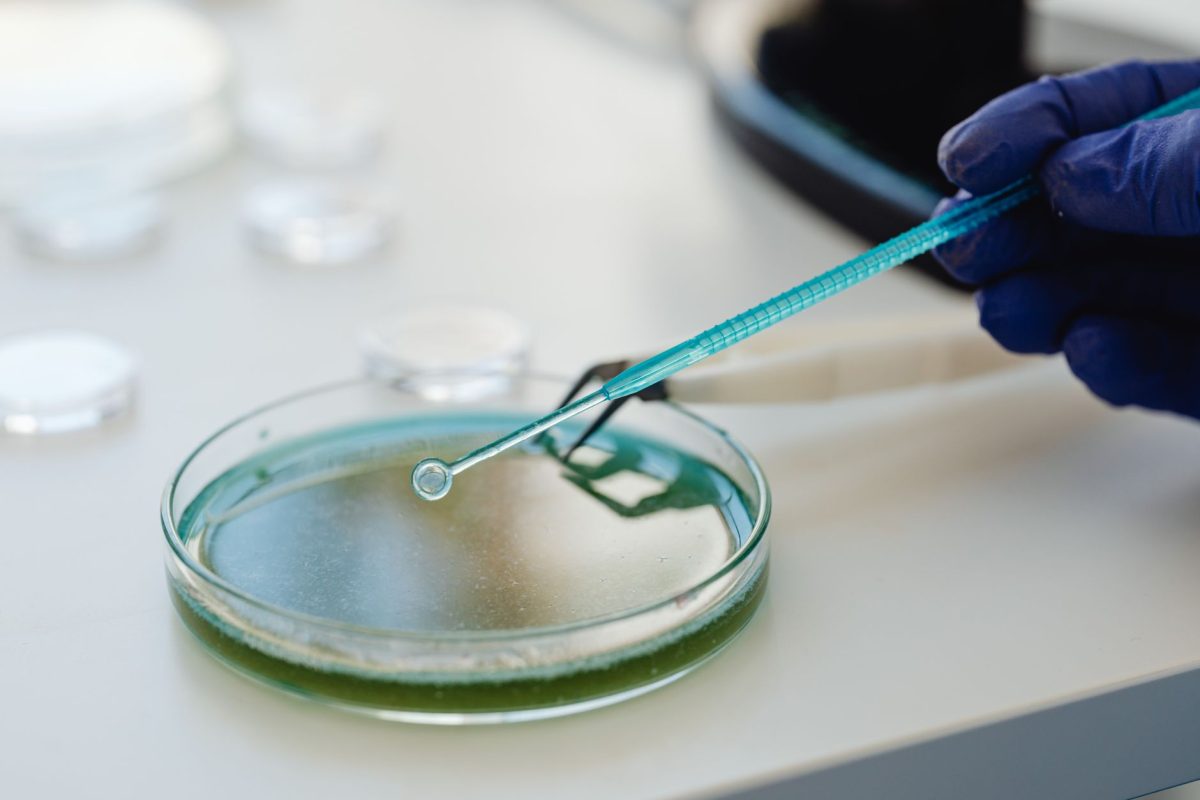
Before we pit them against each other, it helps to understand what each method physically does. They sit on a ladder from “quick screen” to “full diagnosis,” and confusing one for another is the single most common mistake I see well owners make.
Test strips: the quick screen
A test strip is a small paper or plastic stick coated with chemical pads that change colour when they touch your water. You dip it, wait the printed number of seconds, and match the colours against a chart on the bottle. Common strips cover pH, hardness, chlorine, iron, nitrate, and sometimes bacteria.
The catch: your eye is the instrument. Colour matching is subjective, lighting changes the reading, and the result is a rough band (“between 40 and 80”), not an exact figure. Strips tell you roughly where you stand, nothing more.
Digital meters: the precise single-number tool
A digital meter uses an electronic probe to measure one specific property and shows it as a number on a screen. The most popular for home use is the TDS/EC meter, which estimates total dissolved solids. Others measure pH, ORP (oxidation-reduction potential), or temperature.
Meters remove the guesswork of colour matching, so they’re repeatable and satisfying to use. But each meter measures one narrow thing. A TDS meter counts dissolved solids, it cannot tell you whether those solids are harmless calcium or something you’d never want to drink.
Lab kits: the full diagnosis
A certified lab kit is really a mail-in service. You collect a sample in supplied sterile bottles, ship or drop it at an accredited laboratory, and a few days later you get a detailed report tested against drinking-water standards. Labs use professional instruments and trained analysts, so they can detect things no home tool can, coliform bacteria, E. coli, heavy metals like arsenic and lead, and fluoride.
This is the only method that answers the real question, is my water safe to drink?, with authority. The trade-off is cost, turnaround, and the need to collect the sample correctly.
Strips vs meters vs lab: the head-to-head-to-head
Here’s how the three types of water testing stack up on the things that actually matter, accuracy, depth, speed, and cost. Read the table as “what job does each do best,” not “which one is objectively better.”
| Factor | Test strips | Digital meters | Certified lab kit |
|---|---|---|---|
| Typical cost | ₹5, ₹20 per strip | ₹300, ₹2,500 (one-time) | ₹1,000, ₹6,000+ per report |
| Speed | Seconds | Seconds | 3-10 days |
| What it measures | Rough bands: pH, hardness, chlorine, iron, nitrate | One precise number: TDS/EC, pH, or ORP | Dozens of parameters incl. bacteria & metals |
| Detects bacteria? | Basic presence strips only (unreliable) | No | Yes (coliform, E. coli) |
| Detects heavy metals / fluoride? | No (except rough iron) | No | Yes |
| Accuracy | Low, a screen | Good for its one property | High, lab-grade |
| Best for | Fast routine checks | Tracking one value over time | Safety verdicts & baselines |
Notice the pattern. As you move left to right, cost and detail climb together while speed drops. Strips and meters are about convenience and monitoring. Labs are about certainty on the parameters that affect health. For a deeper look at where the DIY line ends, see our comparison of test strips versus certified lab testing.
Accuracy: what “reliable” really means here
“Which is most accurate” is the wrong question if you don’t say accurate at what. A ₹10 strip is perfectly accurate at telling you your water is very hard when it obviously is. It is useless at confirming your water is free of arsenic.
- Strips, reliable as a yes/no/maybe screen. Treat any worrying strip result as a prompt to test properly, not as a diagnosis.
- Meters, genuinely accurate for the one thing they measure, if you calibrate them. An uncalibrated pH or TDS meter can drift and quietly lie to you.
- Lab kits, the reference standard. When strip, meter, and lab disagree, the lab is right.
On my own borewell, my TDS meter reads around 640 ppm year-round, which sounds alarming to a first-timer. My lab report showed those solids were mostly calcium and magnesium hardness, annoying for my geyser and taps, but not a health risk. The meter was accurate; it just couldn’t tell me the meaning. That’s the whole story of home testing in one line.
Tip from experience: A TDS meter never tests for bacteria or heavy metals, not even a little. I’ve watched neighbours buy a ₹400 TDS meter, see a “safe” number, and assume their water is drinkable. It isn’t a safety device. It’s a hardness and dissolved-solids gauge. Keep that expectation straight and you’ll never be fooled by a low number.
Cost over time, not just at the till
Sticker price is misleading. Think about cost per year of actual use.
- Strips feel cheap but you burn through them. A ₹300 bottle of 100 strips, used weekly across a few parameters, disappears in a year.
- Meters are a one-time buy, but budget for calibration solution and the odd battery. A decent TDS meter runs ₹300, ₹800; a reliable pH meter ₹800, ₹2,500.
- Lab kits are the big line item at ₹1,000, ₹6,000+ per report, but you don’t need one every month. Once or twice a year for most households is plenty.
My rule: spend the big money on one good lab baseline, then let inexpensive tools do the day-to-day watching. If you want help choosing hardware, our roundups of the best home water test kits and the TDS meters worth buying break down real options by budget.
A simple testing routine that uses all three
The smartest approach isn’t picking a winner, it’s layering the methods so each covers the other’s blind spots. Here’s the routine I use and recommend for well and borewell owners.
- Establish a lab baseline. When you first move in, drill a new borewell, or notice any change in taste, smell, or colour, send a sample to a certified lab for a full drinking-water panel.
- Buy the right meter. Based on what the lab flagged, get a TDS meter (for hardness/solids) and, if pH matters for your setup, a pH meter. Calibrate before first use.
- Keep strips on hand. Use them for quick monthly spot-checks and after heavy monsoon rain, when surface contamination is more likely to reach shallow sources.
- Log your normal. Write down your baseline meter readings. Testing is about noticing change, a jump from your usual number is your cue to act.
- Re-test at the lab when a cheap tool raises a flag, or at least once a year regardless. Cheap tools tell you something changed; the lab tells you what.
This layered habit gives you the speed of strips, the repeatability of meters, and the authority of a lab, without paying for a lab report every week. It’s the same rhythm covered in more depth across our complete guide to water testing and quality.
The verdict: which method should you use?
If you want the short answer to “what is the best water testing method,” here it is, sorted by the job you’re trying to do:
- Deciding if water is safe to drink → certified lab kit. No home tool substitutes for this.
- Tracking hardness, TDS, or a filter’s performance → digital meter.
- Fast, cheap, frequent screening → test strips.
- Best all-round strategy → all three, layered as above.
Because this touches drinking-water safety, one honest caveat: for any decision about whether your water is fit to drink, confirm results with a certified laboratory or a qualified professional. Home strips and meters are excellent for monitoring, but they are not a substitute for accredited testing. Standards bodies like the World Health Organization and India’s Bureau of Indian Standards publish the drinking-water limits that labs test against.
Frequently Asked Questions
What is the most reliable water testing method?
A certified laboratory test is by far the most reliable. Labs use professional instruments and trained analysts to detect bacteria, heavy metals, and fluoride that no home tool can find. Strips and meters are useful for monitoring, but for a trustworthy safety verdict, the lab is the reference standard.
Are digital meters better than test strips?
Better at one thing, not overall. A digital meter gives a precise, repeatable number for a single property like TDS or pH, avoiding the guesswork of colour matching. But strips screen several parameters at once for pennies. They serve different purposes, so most owners benefit from keeping both.
Which water test gives the most detail?
A certified lab kit, without contest. A single lab report can cover dozens of parameters, bacteria, nitrate, fluoride, arsenic, lead, hardness, and more, measured against official drinking-water standards. Strips and meters each reveal only a narrow slice, so nothing home-based comes close to lab depth.
Does a low TDS reading mean my water is safe?
No. A TDS meter only measures dissolved solids; it says nothing about bacteria, arsenic, lead, or fluoride, which can be present at dangerous levels while TDS looks fine. A low number is reassuring for taste and hardness only. Confirm safety with a certified lab test.
How often should I test my well or borewell water?
Send a full lab sample at least once a year, and immediately after any change in taste, smell, or colour, flooding, or nearby construction. Between lab visits, use strips or a meter for quick monthly checks and after heavy monsoon rain, when contamination risk to shallow sources rises.
Putting it together
Strips, meters, and lab kits aren’t competitors, they’re a toolkit. Reach for strips when you want a fast, cheap screen, a meter when you want to track one number reliably, and a certified lab when the answer actually has to be right. The owners who sleep easiest use all three, layered so each covers the others’ gaps: a lab baseline, then cheap tools to watch for change. If you’re just getting started, take your time with our complete guide to water testing and quality and build the routine that fits your water, no pressure, just clarity.