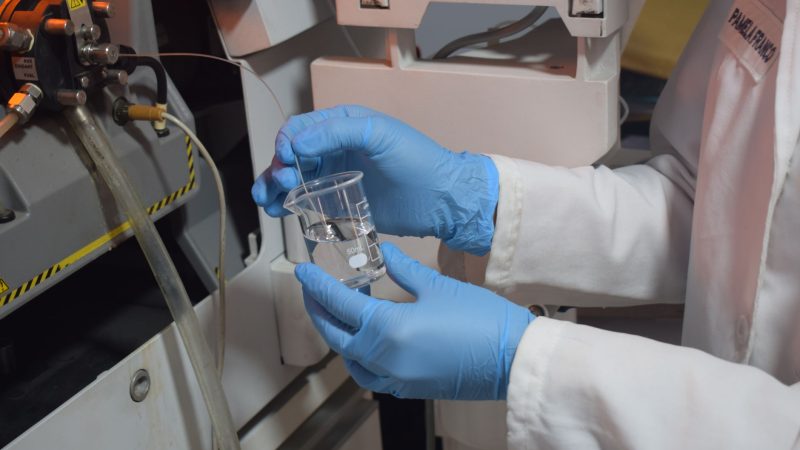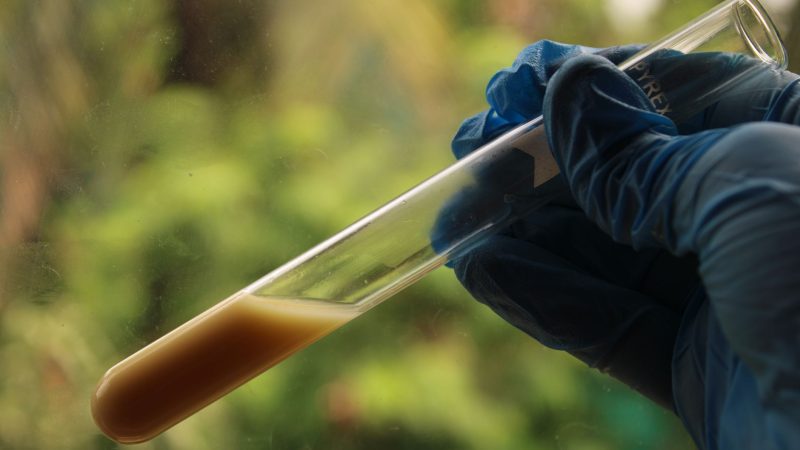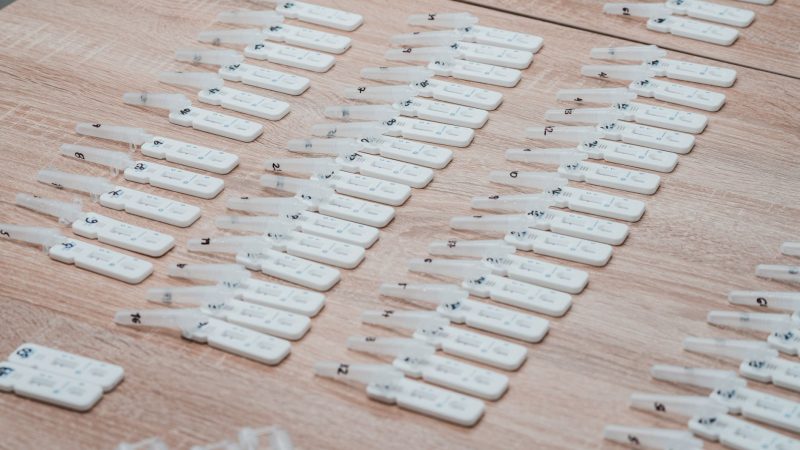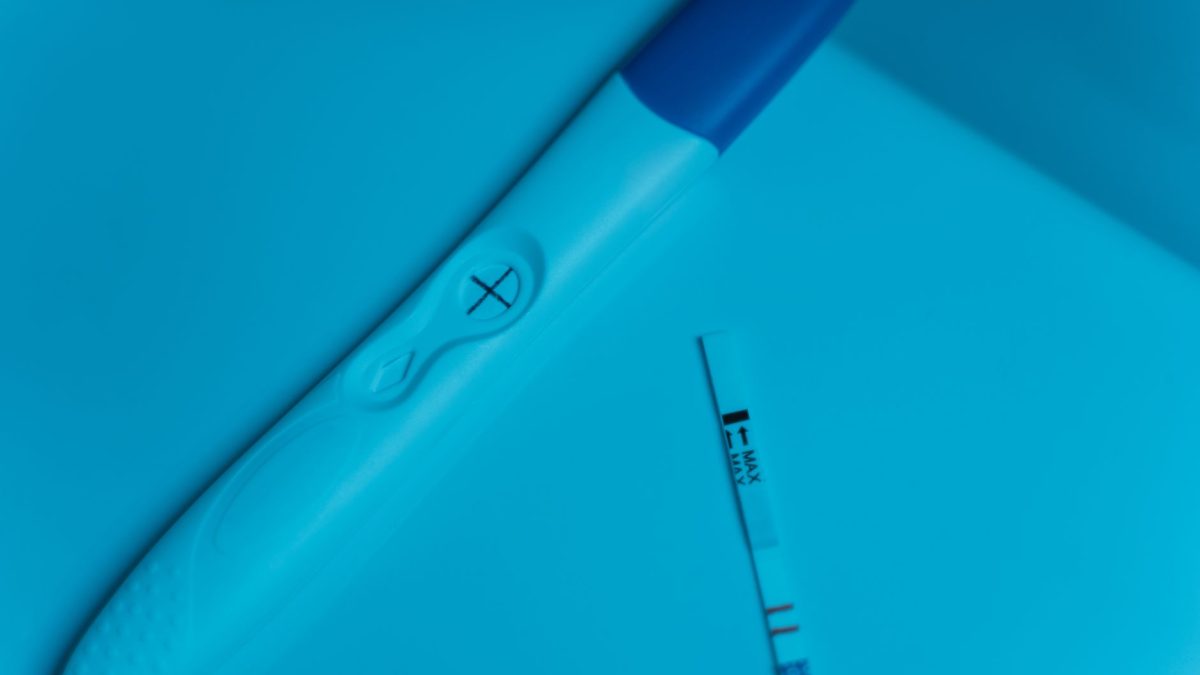
Nitrates are the sneakiest contaminant in a private well: no colour, no smell, no funny taste. Your water can look crystal clear straight from the borewell and still carry a level that matters, especially for a baby under six months. That is exactly why you have to test well water for nitrates deliberately, because nothing about the water will tip you off.
I am Arjun, and in 15 years of running my own borewell, pump, and overhead-tank setup, nitrates were the one result I could never guess by eye. After a monsoon a neighbour’s well spiked, so I started checking mine seriously. In this guide I will show you how to test at home with strips or a lab, what a “safe” number really means, and when to stop drinking the water. For the wider picture, start with our complete guide to water testing and quality.
Key Takeaways
- Nitrates are invisible and odourless, the only way to know your level is to test.
- The widely used drinking-water limit is 10 mg/L as nitrate-nitrogen (NO₃-N), roughly 45-50 mg/L as nitrate (NO₃). Check which unit your report uses.
- Test strips give a quick 60-second screen; a certified lab gives the number you can trust for infants.
- Highest risk is for babies under six months, and pregnant women should be cautious too.
- Retest after heavy rain, after fertiliser season, and at least once a year.
Why nitrates matter (and why babies are the real concern)
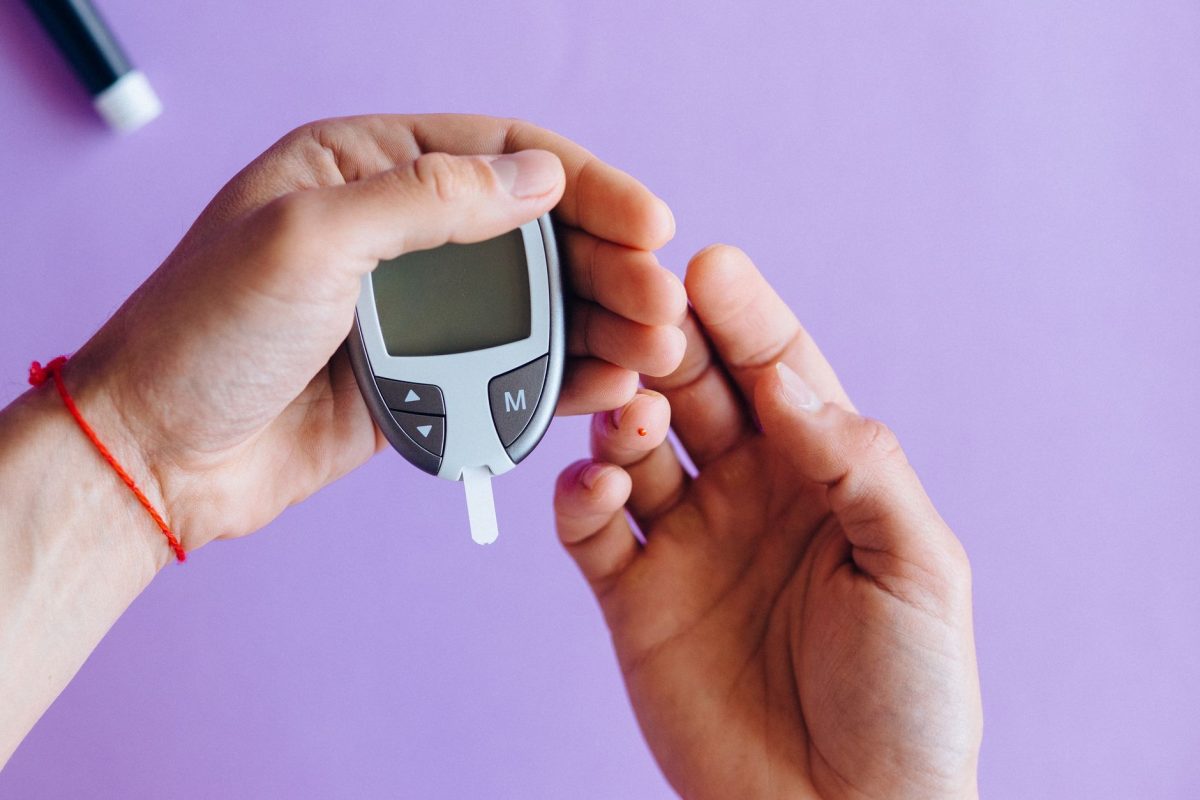
Nitrates come mostly from the surface: farm fertiliser, animal manure, leaking septic tanks, and old soak pits. Rain washes them down into shallow groundwater, so nitrates in borewell water tend to rise in agricultural areas and after the monsoon.
The health worry is specific. In infants under six months, high nitrate can interfere with how blood carries oxygen, a condition often called “blue baby syndrome.” Adults handle moderate nitrate far better, but pregnant women are usually advised to stay under the limit too. This is why the number matters more than how the water looks or tastes.
One important caveat before you panic over a strip reading: home strips screen, they do not diagnose. For anything involving an infant or a borderline result, confirm with a certified lab. Wondering more broadly whether your supply is fine? Our companion piece on whether well water is safe to drink walks through the common questions.
What counts as a safe nitrate level in water?
Here is where most people get confused, and it is a genuine trap: nitrate is reported in two different units, and they are not the same number. Before you read your result, find out which one your kit or lab used.
| Reading unit | Common safe limit | What it means |
|---|---|---|
| Nitrate-nitrogen (NO₃-N) | 10 mg/L | Used by many labs and EPA-style reports |
| Nitrate (NO₃) | ~45-50 mg/L | Used by BIS/WHO-style reports and most strips |
| Rule of thumb | NO₃ ≈ NO₃-N × 4.4 | 10 mg/L as N is about 45 mg/L as nitrate |
A safe nitrate level in water for drinking is generally at or below 10 mg/L as nitrogen (about 45 mg/L as nitrate). If your result sits close to the limit, treat it as a flag to retest and confirm with a lab rather than a green light.
Two ways to test: strips vs. a certified lab
You have two realistic options at home. Most people should do both over time: strips for frequent, cheap monitoring, and a lab test for the occasional number you can actually rely on.
| Method | Rough cost | Accuracy | Best for |
|---|---|---|---|
| Nitrate test strips | ₹300, ₹800 per bottle (50-100 strips) | Approximate colour band | Quick, frequent screening at home |
| Colour-disc / drop kit | ₹700, ₹1,500 | Better, still manual | DIYers who want a closer read |
| Certified lab test | ₹400, ₹1,200 per sample | High, documented number | Infants, borderline results, records |
On my own borewell I keep a bottle of nitrate test strips in a kitchen drawer and screen every couple of months, then send a lab sample once a year and after any big rain event. That combination has caught a slow rise I would have missed with either method alone. For a fuller money breakdown, see our guide to the real cost of well water testing.
How to test well water for nitrates: 6 steps
This is the home strip method, which is what most people start with. It takes about five minutes. Read the whole list once before you begin so you are not fumbling with a strip already dipped.
- Check the expiry and store strips dry. Nitrate strips go bad, especially in humidity. An old or damp strip gives a falsely low reading, the most dangerous kind of error here.
- Run the tap first. Let the water flow for 1-2 minutes so you sample fresh water from the borewell, not water that has been sitting in the pipe or overhead tank.
- Collect in a clean glass. Use a rinsed glass or the kit’s cup. Skip any container that held soap, juice, or fertiliser, residue skews the result.
- Dip for the stated time. Submerge the strip fully for the exact seconds on the label (often 1-2 seconds in, then wait). Do not swirl it around unless the instructions say so.
- Read against the chart at the right moment. Colour develops on a timer, usually 30-60 seconds. Reading too early or too late shifts the band. Match it in good daylight, not under a yellow bulb.
- Record and act on the number. Note the value, the date, and the unit. If it is anywhere near the limit, or an infant drinks this water, send a lab sample before you rely on the strip.
Tip: In my experience the single biggest cause of a wrong home reading is a tired old strip. When I bought a fresh bottle after a couple of years, my “safe” reading jumped a whole band. Buy small bottles, keep them sealed with the desiccant, and replace them yearly.
Sending a lab sample the right way
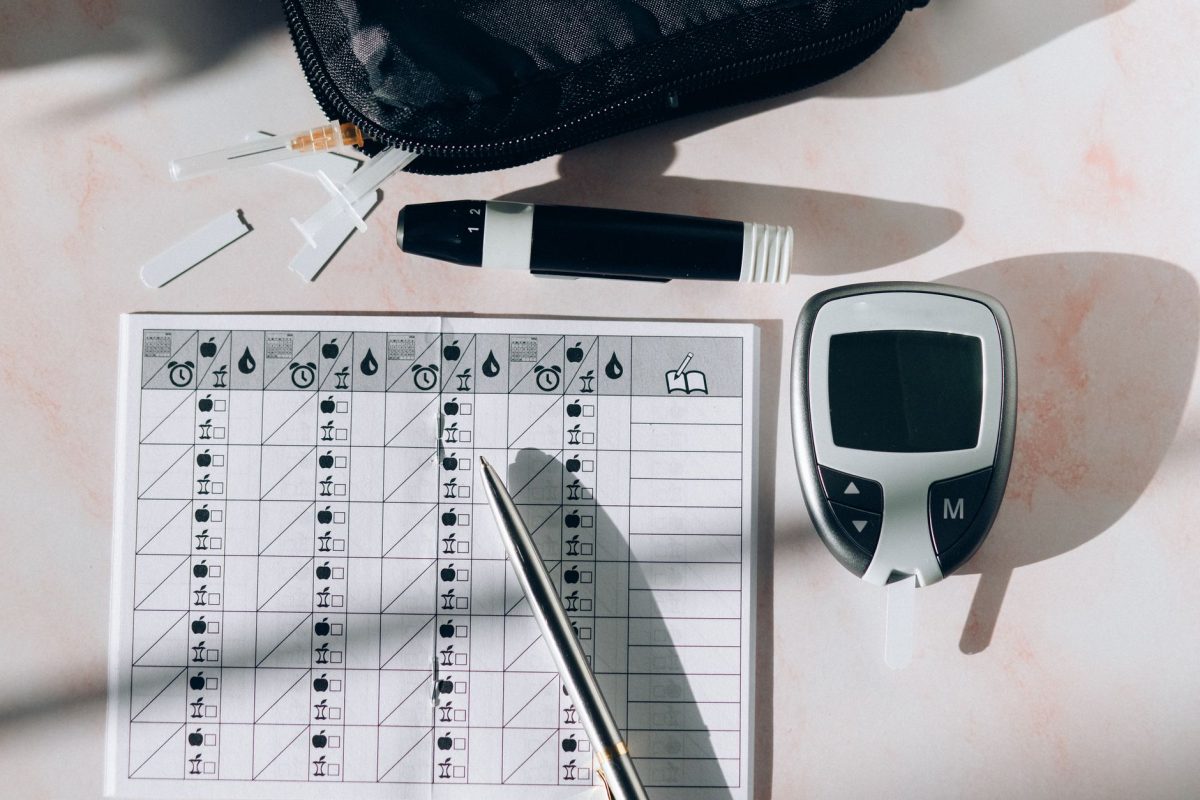
A lab result is only as good as the sample you send. Use the bottle the lab provides, fill it to the line with cold running water, cap it with no air gap, and keep it cool. Get it to the lab quickly, nitrate readings can drift if the sample sits warm for days.
Ask for the result in a specific unit and confirm which one they used. Also ask them to test for bacteria at the same time, since a septic-related nitrate problem often comes with a coliform problem. Our step-by-step on how to test well water for bacteria and coliform covers that side.
What to do if your nitrate level is high
If a confirmed lab result is above the limit, do not try to “boil it away.” Boiling actually concentrates nitrate because water evaporates and the nitrate stays behind. Instead:
- Switch infants to safe water immediately. Use tested bottled or treated water for formula and drinking until you fix the source.
- Confirm and locate the source. Common culprits are a nearby septic tank, soak pit, or fertilised fields. A leaking septic system upgradient is a frequent offender.
- Choose the right treatment. Reverse osmosis (RO), ion exchange, or distillation reduce nitrate; standard carbon filters and softeners do not.
- Retest after treatment. Never assume a system works, verify with a fresh test before trusting it for a baby.
For authoritative background on nitrate limits and private wells, the US EPA private wells resource, the World Health Organization, and India’s Central Ground Water Board are all solid, non-commercial references. For any infant or health decision, confirm your result with a certified lab or a qualified professional rather than relying on a home strip.
Frequently Asked Questions
How do you test for nitrates in well water?
Dip a fresh nitrate test strip in a clean glass of freshly run tap water, wait the timed 30-60 seconds, and match the colour to the chart. For an infant or a borderline reading, confirm the number with a certified lab, which measures nitrate precisely and documents the unit used.
What nitrate level is safe in drinking water?
The common limit is 10 mg/L measured as nitrate-nitrogen (NO₃-N), which is roughly 45-50 mg/L when reported as nitrate (NO₃). Stay at or below that, and always check which unit your report uses, since the two numbers describe the same water but look very different.
Why are nitrates dangerous for babies?
In infants under six months, high nitrate can reduce the blood’s ability to carry oxygen, a condition called methaemoglobinaemia or “blue baby syndrome.” Their developing systems are especially vulnerable, so any well used for formula should be tested and confirmed by a lab before it is trusted.
Can I remove nitrates by boiling the water?
No, boiling makes nitrate worse. As water evaporates, the nitrate is left behind and becomes more concentrated. To actually lower nitrate you need reverse osmosis, ion exchange, or distillation. Ordinary carbon filters and water softeners do not remove it, so never rely on them for this.
How often should I test my borewell for nitrates?
At least once a year, plus after heavy monsoon rain and after fertiliser season if you live near farmland. Test again if a new baby will drink the water or if a nearby septic tank is disturbed. Frequent strip screening between annual lab tests catches slow rises early.
The practical upshot
Nitrates hide in plain sight, clear, tasteless, and only visible on a test. Screen regularly with fresh strips, confirm anything borderline with a certified lab, and mind the units so a “45” doesn’t scare you when it’s really the same as a “10.” Most of all, if a baby drinks your well water, get a documented lab number before you trust it.
Ready to build a proper testing routine for everything in your water, not just nitrate? Take your next step with our complete homeowner’s guide to water testing and quality, it ties strips, labs, and treatment together into one simple plan.