The cheapest pump on the shelf is almost never the cheapest pump to own. I learned that the slow way: my first borewell pump saved me a couple of thousand rupees at purchase and then quietly ate that saving back every summer through my electricity meter. That hidden line item is the real water pump running cost, and most of us never actually sit down and calculate it.
I’m Arjun, and I’ve spent 15+ years running my own borewell, pump, and overhead-tank setup. In this guide I’ll show you exactly how to estimate what your pump costs to run each month, what quietly makes one pump thirstier than another, and the practical, low-drama ways to trim that bill without buying anything fancy. If you want the wider picture, this piece sits inside our complete guide to home water pumps and pressure systems.
Key Takeaways
- Running cost = pump wattage (kW) × hours run per day × 30 × your electricity rate. A 1 HP pump running 2 hours a day typically costs roughly ₹350, ₹550 a month.
- The sticker price is a rounding error next to a decade of electricity. Efficiency, not purchase price, decides lifetime cost.
- Oversizing, throttled valves, clogged foot valves, and leaky tanks silently waste power every single day.
- Right-sizing the pump, fixing overflow losses, and running during off-peak hours usually cut the bill more than any gadget you can buy.
- A pump that short-cycles or overheats is both wasting money and wearing itself out early.
How much electricity does a water pump actually use?
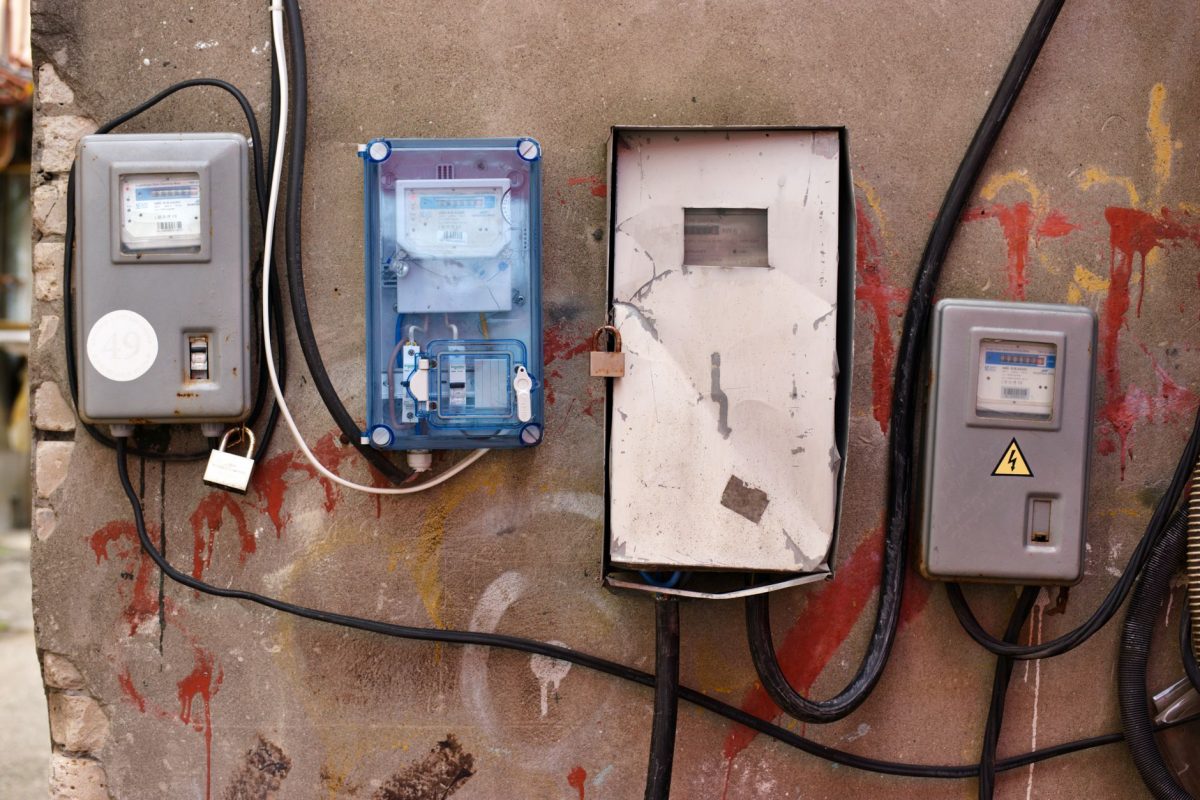
Electricity is billed in units, where one unit equals one kilowatt-hour (kWh), that’s 1,000 watts running for one hour. So to know your pump electricity cost, you only need three numbers: how many watts the pump draws, how long it runs each day, and what you pay per unit.
The formula is refreshingly simple:
- Daily cost = pump power in kW × hours run per day × rate per unit
- Monthly cost = daily cost × 30
Here’s the catch that trips people up: horsepower is not the same as the watts you pay for. A “1 HP” motor delivers about 746 watts of shaft power, but it draws more than that from the wall because no motor is 100% efficient. A typical single-phase 1 HP pump pulls somewhere around 900-1,100 watts under load. Always bill yourself for input watts, not the HP badge.
A worked example
Say you have a 1 HP pump drawing about 1,000 watts (1 kW), you run it 2 hours a day to fill your tank, and your rate is ₹7 per unit.
- Daily: 1 kW × 2 hours × ₹7 = ₹14
- Monthly: ₹14 × 30 = ₹420
- Yearly: roughly ₹5,000
That’s a modest, forgettable number, until you multiply it across the eight to twelve years a pump usually lives. On my own borewell, once I actually added up a decade of runtime, the electricity dwarfed what I’d paid for the pump three times over. That’s why I stopped shopping on price alone.
Pump running cost per hour by size
To make this concrete, here’s a rough table of what common home pump sizes cost to run. I’ve assumed a typical input wattage (higher than the HP rating, as explained above) and a rate of ₹7 per unit. Adjust to your own tariff, divide by 7 and multiply by your rate.
| Pump size | Typical input power | Cost per hour (at ₹7/unit) | Monthly cost (2 hrs/day) |
|---|---|---|---|
| 0.5 HP | ~0.55 kW | ~₹3.85 | ~₹230 |
| 1 HP | ~1.0 kW | ~₹7.00 | ~₹420 |
| 1.5 HP | ~1.5 kW | ~₹10.50 | ~₹630 |
| 2 HP | ~2.0 kW | ~₹14.00 | ~₹840 |
| 3 HP (deep borewell) | ~2.8 kW | ~₹19.60 | ~₹1,180 |
Two honest caveats. First, these are ballpark figures, your actual draw depends on how deep the water is (the “head”), how worn the pump is, and your electricity board’s slab rates, which often climb steeply above a certain monthly usage. Second, a bigger pump isn’t automatically more expensive per tank filled; if it fills faster, it may run for less time. What kills you is running a big pump long hours for a small job.
What quietly drives up your pump’s power bill
Two pumps with the same HP badge can have wildly different running costs. Here’s where the money actually leaks, and none of these show up on a spec sheet.
Oversizing
The single most common mistake I see. A household that needs a 1 HP pump gets talked into a 2 HP “for safety.” Now every fill costs more power, the motor runs part-loaded (which is inefficient), and the extra pressure just stresses your pipes. Match the pump to your head and flow, not to your anxiety.
Throttling and restriction
If you’ve half-closed a delivery valve to “control” pressure, you’re paying full power to push against a wall. The same goes for undersized, kinked, or scaled-up pipes and a clogged foot valve. Restriction makes the pump work harder for less water, pure wasted rupees.
Overflow and leaks
This is the sneakiest one. An overhead tank that overflows for even a few minutes daily, a float valve that never quite shuts, or a slow leak in a buried line means your pump is running to fill a bucket with a hole in it. I’ve seen overflow alone add 20-30% to a household’s pumping cost.
Wear and air
Worn impellers, a failing capacitor, or air getting sucked into the suction line all drop efficiency. A tired pump takes longer to move the same water, and longer runtime is more money. Short-cycling, the pump snapping on and off rapidly, is a classic sign of a waterlogged pressure tank and it hammers both your bill and your motor.
Tip: Before blaming the pump, walk your system for a week and watch the overhead tank. If it overflows even briefly, fix the float valve first. On my setup, a ₹200 float valve replacement cut runtime more than any pump upgrade ever did.
Do efficient pumps save real money?
Short answer: yes, but the size of the win depends entirely on how many hours you run. Efficiency shows up as watts used per unit of water lifted. A better-built pump, or a properly sized one, moves the same water for fewer watts.
Here’s the reality check. If your pump runs 1-2 hours a day, a small efficiency gain saves a few hundred rupees a year, worth having, but not worth panic-buying a new pump. If you run 6-8 hours a day (larger family, farm use, high demand), the same percentage gain compounds into serious money, and a more efficient pump can pay for itself in a couple of years. Do the math before you spend.
Government energy agencies rate motors and pumps for efficiency, and star-rated appliances genuinely draw less for the same output. In India, look for BIS certification and higher star ratings; you can check standards through the Bureau of Indian Standards. For the broader energy-efficiency principles, the US EPA’s private-wells resource is a solid, non-commercial reference for well owners.
If you’re weighing a big change, it’s worth understanding how the whole pressure system is controlled, a variable-speed setup can slash energy on high-runtime homes. I break that down in our comparison of fixed-speed, constant-pressure, and VFD pump systems.
How to lower your pump’s power bill: a step-by-step audit
You don’t need a meter clamp or an engineering degree. Here’s the exact sequence I run on my own system every year, in order of biggest payoff first.
- Measure your real runtime. For one week, note when the pump starts and stops. Total the hours. This is the number every rupee hinges on, you can’t cut what you don’t measure.
- Kill overflow and leaks. Watch the overhead tank fill. If it overflows, replace or adjust the float valve. Check for damp patches over buried lines. This is usually the fastest, cheapest saving.
- Open up restrictions. Fully open any throttled valves, clean the foot valve strainer, and flush scaled pipes. If you’re throttling to control pressure, that’s a system-design problem, not a fix.
- Check the pressure tank (if you have one). A waterlogged tank makes the pump short-cycle. Verifying the air charge is on our home pump and pressure system maintenance checklist.
- Right-size for the future. When the pump finally dies, buy for your actual head and flow, not one size up “just in case.” An oversized pump is a tax you pay forever.
- Shift to off-peak if your tariff allows. Some boards charge less at night. If yours does, fill your tank then.
If low pressure is what’s pushing you to run the pump longer or upgrade, don’t spend blindly, many pressure complaints have cheap fixes. Our guide answering common low water pressure questions covers the usual suspects before you touch the pump.
A safety note: Anything involving your electrical supply, capacitor, or motor wiring should be handled by a qualified electrician. And if you’re testing water quality alongside efficiency work, confirm results with a certified lab, running cost and water safety are separate questions, and I won’t pretend a cheaper bill means safer water.
Quick wins vs. bigger investments
Not every fix is equal. Here’s how I’d rank pump efficiency tips by effort versus payoff, so you can start where it matters.
| Action | Cost | Typical impact on bill | Effort |
|---|---|---|---|
| Fix tank overflow / float valve | ₹100, ₹400 | High (can save 15-30%) | Low |
| Clean foot valve / open throttled valves | Free, ₹300 | Medium | Low |
| Fix pressure-tank short-cycling | Free, ₹500 | Medium, High | Medium |
| Shift pumping to off-peak hours | Free | Low, Medium (tariff-dependent) | Low |
| Right-size pump at replacement | Pump price | High over lifetime | One-time |
| Upgrade to VFD/star-rated pump | High | High only for heavy users | High |
Notice the pattern: the cheapest actions often deliver the biggest savings. It’s tempting to jump straight to a shiny new pump, but in my experience the free and near-free fixes at the top of that list clear up most bloated bills.
Frequently Asked Questions
How much electricity does a water pump use?
A typical 1 HP home pump draws roughly 0.9-1.1 kW, so it uses about 1 unit of electricity per hour of running. Multiply your daily runtime by your rate per unit. Bigger pumps and deeper borewells draw more; always bill by input watts, not the HP badge.
Do efficient pumps save real money?
They do, but the saving scales with runtime. Run your pump 1-2 hours a day and you’ll save a few hundred rupees a year. Run it 6-8 hours and an efficient, right-sized pump can pay for itself within a couple of years. Do the arithmetic for your own usage first.
How can I lower my pump’s power bill?
Start free: stop tank overflow, fix leaks, clean the foot valve, and open any throttled valves. Then right-size the pump when you replace it and shift pumping to off-peak hours if your tariff allows. These beat any gadget for cutting cost, and most cost little or nothing.
Is a higher-HP pump always more expensive to run?
Not per tank filled, a bigger pump fills faster, so it may run fewer minutes. The trap is running a large pump for long hours on a small job, or oversizing so the motor runs part-loaded. Match the pump to your head and flow, and cost per litre stays reasonable.
Why did my pump’s running cost suddenly jump?
Common culprits are a falling water table (more head, longer runtime), a worn impeller or failing capacitor, a clogged foot valve, or a hidden leak. A pump that short-cycles from a waterlogged pressure tank also spikes costs. Investigate runtime and overflow before assuming the meter is wrong.
So, where does that leave you?
Your pump’s real cost isn’t printed on the box, it’s the quiet drip of units it pulls from your meter every day for a decade. Estimate it with the simple formula, watch your runtime for a week, and chase the cheap fixes first: overflow, leaks, restrictions, and short-cycling almost always beat buying new hardware. Right-size when you replace, and let efficiency, not sticker price, guide the decision.
Ready to go deeper? Browse the full home water pump and pressure system owner’s guide to see how sizing, controls, and maintenance all tie back to what you pay each month. Your future self, and your electricity bill, will thank you.