The most expensive pump I ever burned out died from something I could have fixed in ten minutes with a screwdriver. I ignored a chattering pressure switch for three weeks, and the motor paid the price. That painful lesson taught me most water problems aren’t really equipment failures, they’re avoidable habits catching up with us. After 15+ years running my own borewell, submersible pump, and overhead tank, I’ve made (and watched neighbours make) nearly every blunder in the book.
In this guide I’ll walk you through the most common water system maintenance mistakes, the ones that quietly shorten pump life, dirty your tank, and drain your wallet, and the simple swaps that prevent them. Everything here comes from real setups, not a manual.
Key Takeaways
- Most water woes trace back to five or six avoidable habits, not sudden equipment death.
- Dry-running a pump for even a few minutes can wreck a motor that should last 8-12 years.
- An uncleaned tank grows a biofilm you can literally wipe off, clean it every 6 months.
- Skipping a ₹300 water test is the most expensive shortcut most owners take.
- Ignoring small signs (odd noises, cloudy water, cycling pump) is how cheap fixes become big bills.
Mistake 1: Letting the pump run dry
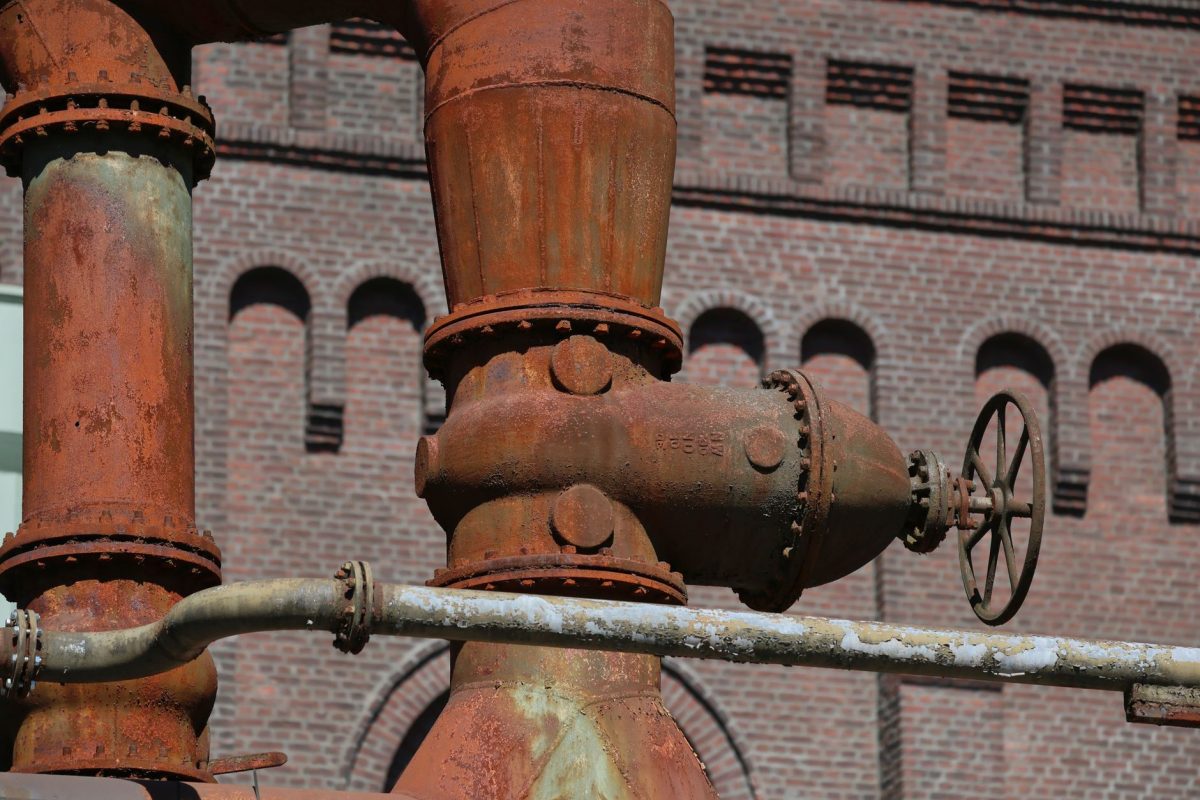
This is the number-one pump killer I see, and it’s heartbreaking because it’s so preventable. A pump, whether submersible in your borewell or a monoblock feeding your tank, relies on water to cool and lubricate itself. Run it dry for even a few minutes and the motor windings overheat, seals fail, and impellers score. A motor that should give you 8-12 years can die in one afternoon.
It usually happens two ways: the borewell water level drops in peak summer and the pump keeps sucking air, or the sump runs empty and nobody notices the monoblock is still switched on.
How to avoid it
- Fit a dry-run protector (also called a water-level cut-off). In my experience it costs roughly ₹700, ₹2,500 and pays for itself the first time it saves the motor.
- Never leave a pump running unattended when the source is low, especially April, June.
- If your borewell yield drops in summer, run the pump in shorter cycles so the water level recovers.
Warning: If a running pump suddenly gets loud, whines, or the flow drops to a trickle, switch it off immediately. On my own borewell that exact sound meant the water table had fallen below the pump, another two minutes and I’d have been buying a new motor.
Mistake 2: Neglecting the storage tank
Ask most people the last time they cleaned their overhead tank and you’ll get a blank look. Out of sight, out of mind, until the water smells off or looks cloudy. These tank cleaning mistakes are among the most common I come across, and they directly affect the water you drink and bathe in.
Sediment settles at the bottom, and a thin slimy biofilm builds on the walls. In a warm climate, algae can bloom in weeks if any light reaches the water. When I opened my own tank after a lazy nine-month gap, I could wipe the film off the wall with a finger, that’s what was feeding into the house.
The fixes
- Clean the tank every 6 months, sooner if you notice sediment, smell, or discolouration. For the full routine, see our guide on how often you should clean your water storage tank.
- Keep the tank lid sealed. A gap lets in dust, insects, lizards, and sunlight (which feeds algae).
- Don’t use harsh acids or bleach you can’t fully rinse out, residue is its own problem.
Mistake 3: Never testing the water
Clear water fools people. It can still carry bacteria, nitrates, excess iron, hardness, or fluoride, none of which you can see, smell, or taste reliably. Skipping a water test is the cheapest shortcut with the highest hidden cost, because you’re guessing at what filtration (if any) you actually need.
The US EPA’s private wells guidance and the World Health Organization both stress that private supplies aren’t monitored by anyone but you. For anything touching drinking-water safety, confirm results with a certified lab, don’t rely on a strip test or a salesperson’s meter alone.
- Test at least once a year, and after the monsoon (contamination risk rises when the water table shifts).
- A basic lab panel typically costs ₹300, ₹1,500 in most Indian cities, far cheaper than treating the wrong problem.
- Test again if water changes colour, smell, or taste, or after any nearby digging or flooding.
Mistake 4: Ignoring filters until they clog
Filters are consumables, not fit-and-forget parts. A sediment cartridge choked with mud doesn’t just stop cleaning, it strangles your flow and makes the pump work harder against the blockage. A neglected RO membrane or carbon block quietly stops removing what you installed it to remove, so you think you’re protected when you aren’t.
Set a reminder tied to your usage, not a vague intention. If you’re unsure of the steps, our walkthrough on how to replace your home water filters makes it a 15-minute job.
| Filter type | Typical change interval | Sign it’s overdue |
|---|---|---|
| Sediment (spun/pleated) | 2-3 months | Drop in water pressure |
| Activated carbon block | 6-12 months | Taste/smell returns |
| RO membrane | 2-3 years | Slower output, worse taste |
| Whole-house sediment | 3-6 months | Cloudy or gritty water |
Mistake 5: Shrugging off the little warning signs
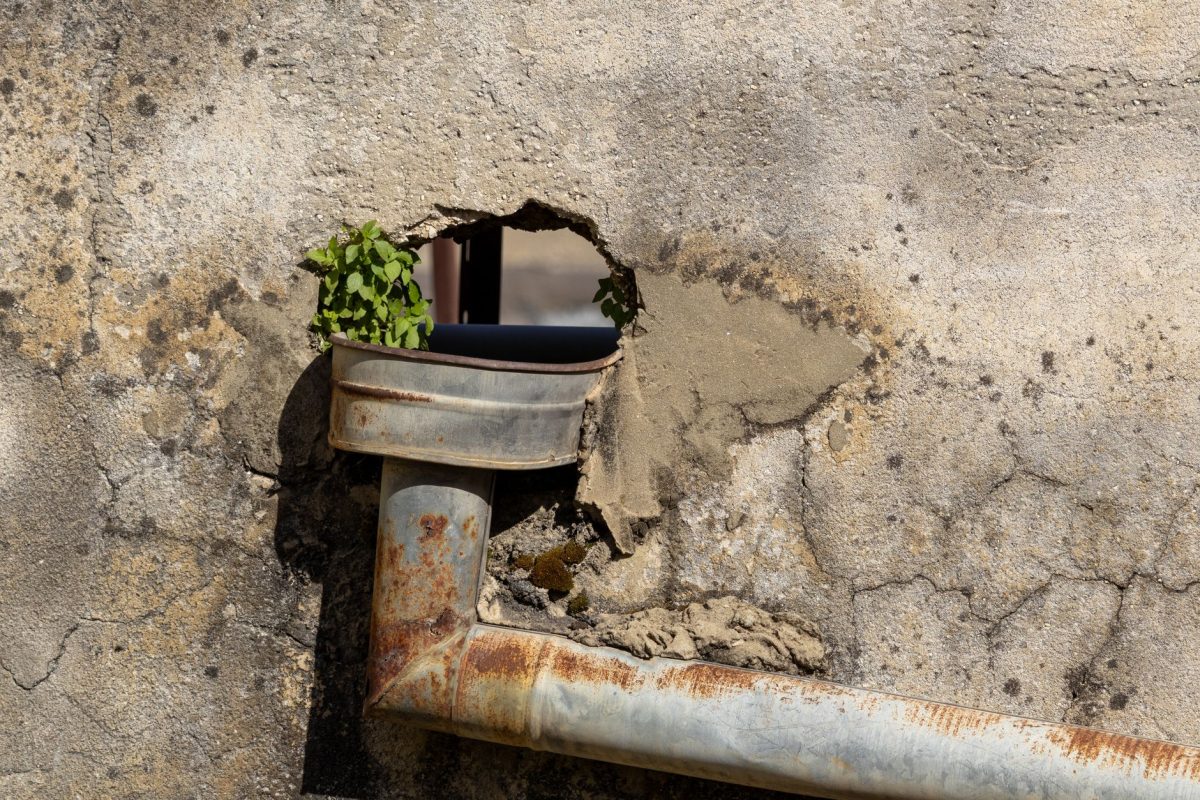
Almost every big repair I’ve paid for started as a small signal I chose to ignore. These pump care errors to avoid and well upkeep blunders are rarely dramatic at first, they’re a hum, a hesitation, a slightly cloudy glass. The habit that saves the most money is simply paying attention.
- Rapid pump cycling (clicking on and off quickly), often a failing pressure switch or a waterlogged pressure tank. Cheap now, expensive if it burns the motor.
- New noises, grinding, rattling, or humming without water moving. Investigate before you next switch it on.
- Cloudy, coloured, or smelly water, test it and check filters rather than living with it.
- Higher electricity bills, a pump straining against a clog or worn bearing draws more current.
- Damp patches near pipes or the pump, a slow leak wastes water and can undermine wiring.
Tip: When I hear my pump cycle rapidly, the first thing I check is the pressure-tank air charge, a flat tank is the most common (and cheapest) cause, and topping it up has saved me a pressure-switch replacement more than once.
Mistake 6: DIY-ing the jobs that need a pro (and vice versa)
There’s a happy middle here. Doing everything yourself can turn a small fault into a flooded pump room; calling a professional for a two-minute cartridge swap wastes money. The skill is knowing which is which.
Anything involving mains wiring, pulling a submersible from a deep borewell, or diagnosing a dead motor is worth a qualified hand. Filter changes, tank cleaning, and topping up a pressure tank are firmly DIY. If you’re on the fence, our comparison of DIY vs handyman vs pump professional lays out who should handle what.
A simple routine that prevents most of these
You don’t need a spreadsheet. A short, repeatable rhythm catches almost every mistake above before it costs you. Here’s the cadence I actually follow:
- Every month: glance and listen, pump noise, water clarity, any damp patches, and a look inside the tank lid.
- Every 2-3 months: check and change sediment filters; check the pressure-tank air charge.
- Every 6 months: clean the storage tank; replace carbon filters if due.
- Once a year: get a lab water test (add one after the monsoon); inspect pump wiring and the dry-run protector.
- As needed: act on any warning sign the day you notice it, not “next weekend”.
For a full month-by-month plan you can print and stick on the pump-room wall, see our complete year-round home water system maintenance guide. India’s Central Ground Water Board is also a useful reference for how groundwater levels behave seasonally in your area.
Frequently Asked Questions
What ruins a well pump early?
Dry-running is the biggest culprit, running the pump when the water source is too low overheats the motor. Rapid cycling from a bad pressure switch or waterlogged pressure tank comes second, followed by voltage fluctuations and sand or sediment wearing the impellers over time.
Why did my water tank get dirty so fast?
Usually a loose or missing lid letting in dust, insects, and sunlight, which feeds algae. Sediment in your incoming water settles quickly too. In warm weather a biofilm can form within weeks, so a sealed lid and a clean every six months keep it in check.
What maintenance mistakes cost the most?
Letting a pump run dry tops the list, a new submersible motor and reinstallation can run into many thousands of rupees. Ignoring a chattering pressure switch until it burns the motor is a close second. Skipping water tests costs indirectly, through treating the wrong problem for years.
How often should I actually test my well or borewell water?
At least once a year for a basic lab panel, plus an extra test after the monsoon when the water table shifts and contamination risk rises. Test again any time the colour, smell, or taste changes, or after nearby digging or flooding. For safety concerns, always confirm with a certified lab.
Is it safe to clean my tank with bleach?
A mild chlorine solution is commonly used to disinfect tanks, but the key is thorough rinsing afterwards so no residue remains. Avoid strong acids and anything you can’t fully flush out. If you’re unsure about dosage or your water’s end use, ask a qualified professional first.
The practical upshot
None of these fixes are hard or expensive, that’s exactly why the mistakes are so common. A dry-run protector, a sealed tank lid, a filter reminder, a yearly water test, and the habit of acting on small signs will spare you nearly every big repair I’ve paid for the hard way. Pick one weak spot in your setup and sort it this week.
Ready to build a proper rhythm? Our year-round maintenance schedule turns all of this into a simple checklist you can follow without thinking about it.